
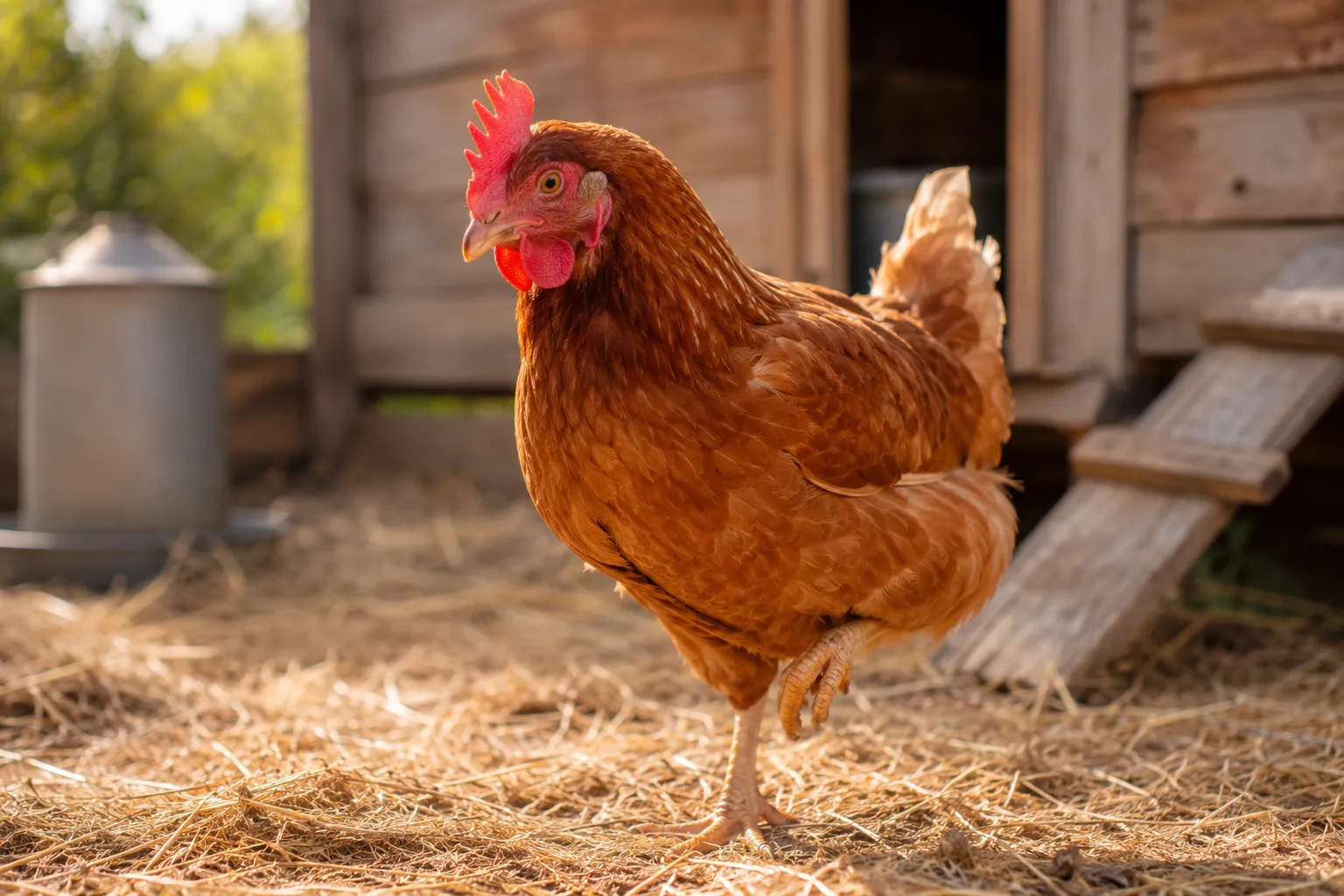
Quick Answer: A chicken limps due to injuries (sprains, fractures, cuts), infections like bumblefoot, parasites such as scaly leg mites, or neurological diseases including Marek’s disease. Most cases stem from foot injuries or bumblefoot, which appear as swollen footpads with dark scabs. Identifying the specific cause requires examining the leg, foot, and overall behavior to determine whether the issue needs immediate veterinary care or can be managed at home.
Key Takeaways
- Bumblefoot is the most common cause of limping, appearing as a swollen footpad with a black or brown scab
- Injuries like sprains, fractures, or cuts often result from jumping from high roosts or rough terrain
- Scaly leg mites burrow under scales, causing crusty, raised legs that make walking painful
- Marek’s disease causes progressive paralysis and limping that worsens over time, unlike injuries that remain stable
- Separation is necessary if the chicken is being bullied, but mild limping often heals better with flock interaction
- Vet costs for chickens typically range from $50-$150 for an exam, with treatment adding $50-$300 depending on procedures
- Most minor sprains and cuts heal within 1-2 weeks with rest and clean bedding
- Emergency signs include complete inability to stand, severe swelling, open wounds with bleeding, or rapid deterioration
- A chicken can survive and thrive with one leg if the injury heals properly and accommodations are made
- Home treatment works for early bumblefoot, minor cuts, and suspected sprains, but fractures and severe infections need professional care
What Causes Chickens to Limp?
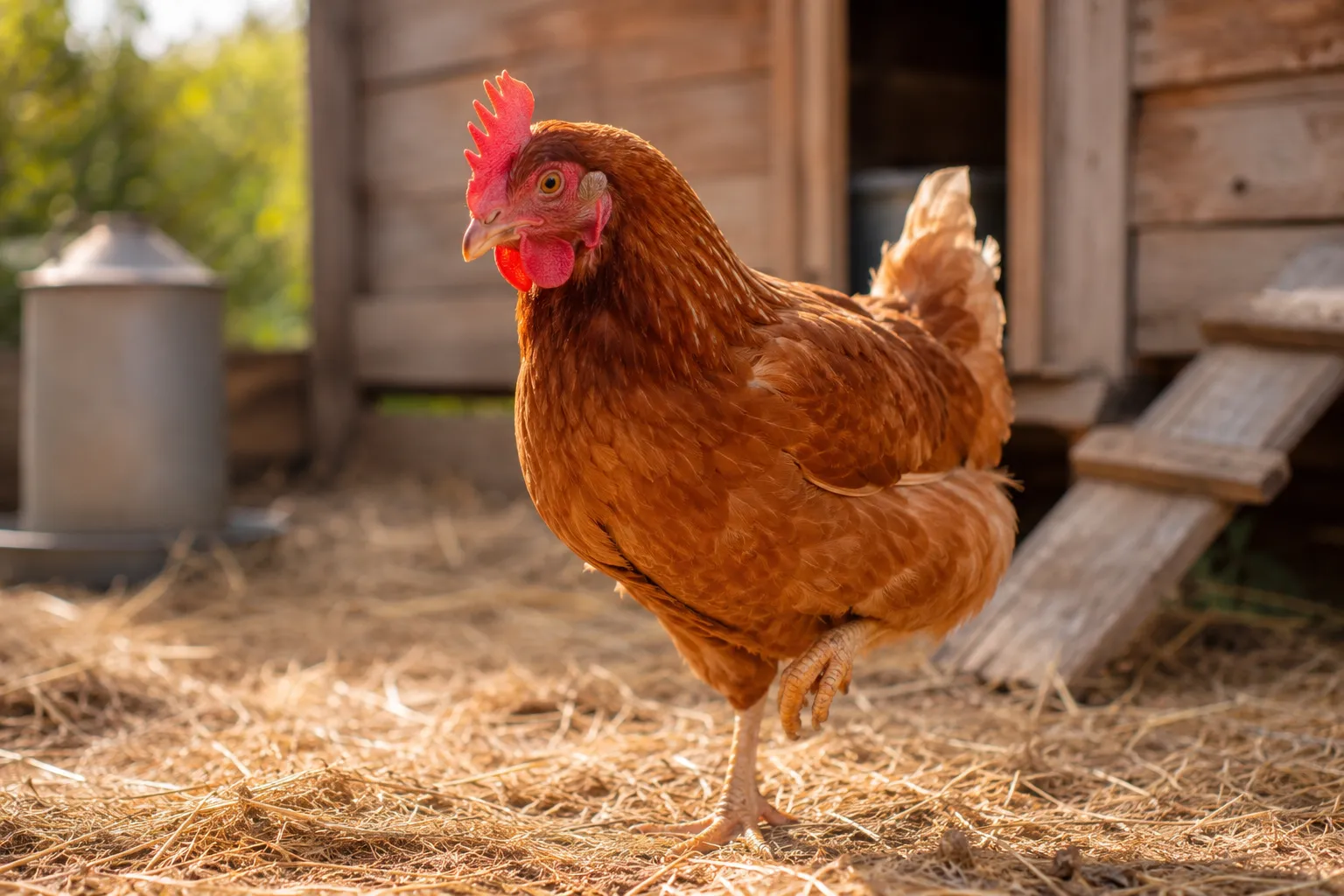
Chickens limp due to foot and leg injuries, bacterial infections, parasitic infestations, or neurological conditions. The most frequent culprits are bumblefoot (a staph infection in the footpad), traumatic injuries from jumping or fighting, scaly leg mites that damage skin and scales, and Marek’s disease which affects nerves controlling leg movement.
Common causes include:
- Bumblefoot: Bacterial infection entering through small cuts, creating abscesses in the footpad
- Sprains and strains: Overstretched ligaments or muscles from awkward landings or rough play
- Fractures: Broken bones from falls, predator attacks, or getting caught in fencing
- Cuts and puncture wounds: Sharp objects in the run, broken glass, or thorns
- Scaly leg mites: Parasites that burrow under leg scales, causing inflammation and pain
- Marek’s disease: Viral infection causing nerve damage and progressive paralysis
- Arthritis: More common in older or heavy breeds, causing joint stiffness
- Vitamin deficiencies: Lack of vitamin B or E can affect nerve and muscle function
Choose your next step based on these factors:
- If the footpad is swollen with a dark scab, suspect bumblefoot
- If the leg is at an odd angle or the chicken won’t put any weight on it, consider a fracture
- If the leg scales look crusty and raised, check for scaly leg mites
- If multiple chickens show progressive weakness, investigate Marek’s disease
Bumblefoot in Chickens: Symptoms and Identification
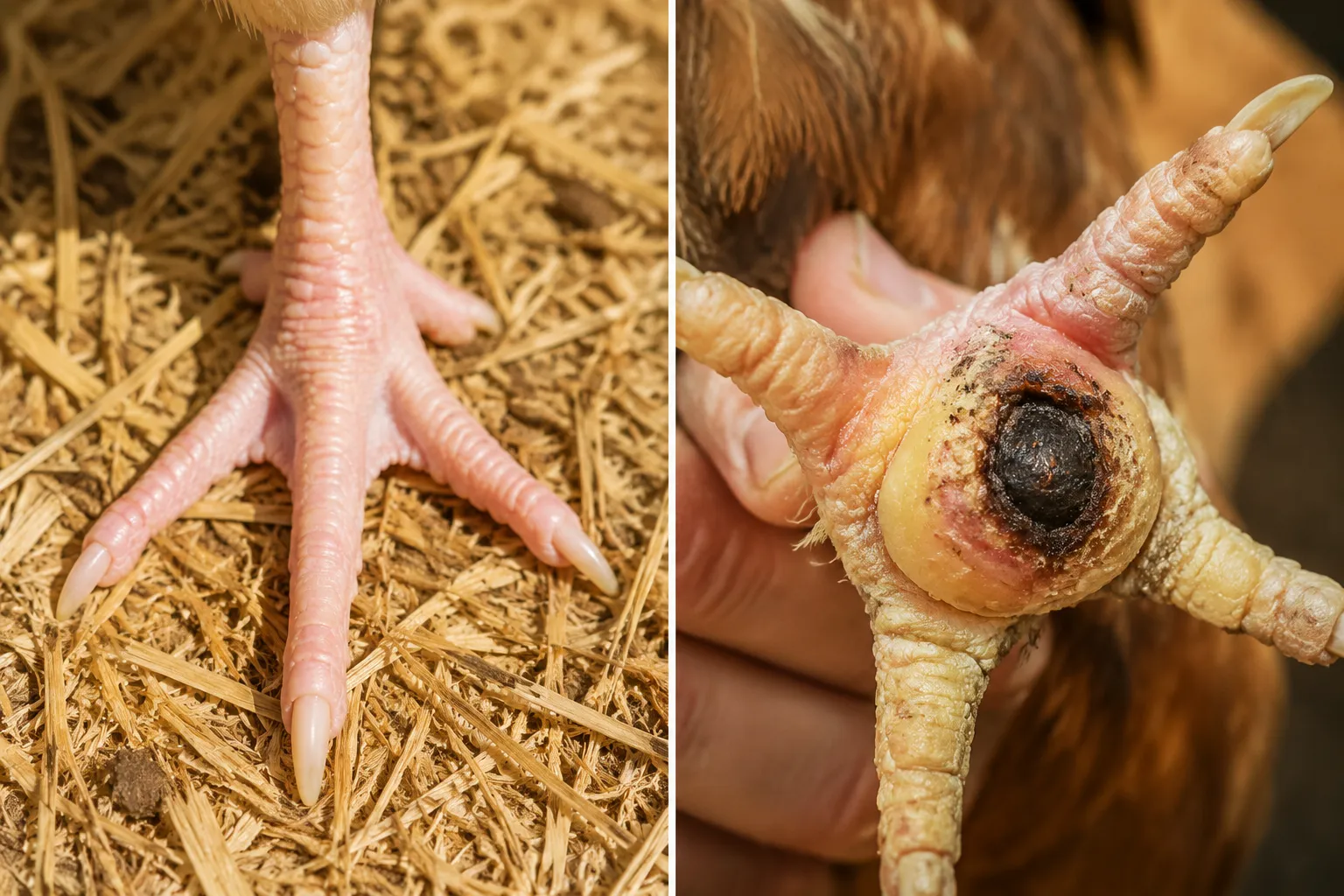
Bumblefoot appears as a swollen, warm footpad with a distinctive black, brown, or yellow scab on the bottom of the foot. The infection occurs when Staphylococcus bacteria enter through tiny cuts or abrasions, forming a pus-filled abscess that makes walking painful. Early-stage bumblefoot shows mild swelling and redness, while advanced cases feature large, hard lumps that can spread infection up the leg.
Key symptoms to look for:
- Black or dark brown scab on the footpad (the hallmark sign)
- Swelling that makes the foot appear puffy or enlarged
- Heat radiating from the affected area
- Limping or favoring the opposite leg
- Reluctance to roost or walk on hard surfaces
- In severe cases, the chicken may sit frequently or refuse to move
Risk factors that increase bumblefoot likelihood:
- High roosts (over 3 feet) that cause hard landings
- Rough or splintered perches
- Wire flooring or hardware cloth
- Obesity in heavy breeds like Orpingtons or Brahmas
- Wet, muddy conditions that soften skin
Bumblefoot progresses in stages. Catching it early, when the scab is small and swelling is minimal, makes home treatment much more successful. Advanced bumblefoot with deep abscesses typically requires veterinary intervention or experienced surgical removal of the infected core.
How to Tell If a Chicken Has a Broken Leg or Sprain
A broken leg shows visible deformity, complete inability to bear weight, and often a dangling or twisted appearance, while a sprain causes limping with some weight-bearing ability and no obvious bone displacement. Chickens with fractures typically hold the leg at an unnatural angle and show extreme distress when the area is touched, whereas sprained chickens may still use the leg gingerly and show gradual improvement over days.
Fracture indicators:
- Leg hangs limply or bends at an abnormal point
- Visible swelling and bruising around the injury site
- Chicken completely refuses to put weight on the leg
- Audible distress (squawking) when the leg is examined
- Bone may protrude through skin in compound fractures
- No improvement after 48 hours of rest
Sprain indicators:
- Chicken still uses the leg but with obvious limping
- Mild to moderate swelling without deformity
- Gradual improvement over 3-7 days
- Able to roost at night, though may struggle
- Responds to rest and reduced activity
- No visible bone displacement
Testing method (use gentle pressure only):
- Observe the chicken walking naturally before handling
- Gently support the chicken and examine the leg visually
- Very carefully feel along the leg bone for breaks, bumps, or heat
- Note whether the chicken pulls away sharply (fracture) or tolerates gentle touch (sprain)
- Never force movement if a fracture is suspected
If you suspect a fracture, immobilize the leg with a splint and seek veterinary care within 24 hours. Chicken bones heal quickly but require proper alignment. Sprains benefit from rest in a quiet, confined space with soft bedding for 5-7 days.
Limping Chicken vs Scaly Leg Mites: Key Differences
Scaly leg mites cause limping through crusty, raised leg scales and visible white or gray deposits between scales, while injury-related limping shows normal-looking scales with localized swelling or wounds. Mite infestations develop gradually over weeks or months, creating a “coral-like” appearance on the legs, whereas injuries cause sudden-onset limping with a clear timeline of when it started.
Scaly leg mite characteristics:
- Scales lift away from the leg, appearing thick and crusty
- White or gray powdery substance visible between scales
- Affects both legs equally in most cases
- Develops slowly over time, worsening without treatment
- Legs may bleed when scales are lifted
- Chicken shows discomfort when walking but can still move
- Other flock members often show similar symptoms
Injury-related limping characteristics:
- Scales remain flat and normal in appearance
- Swelling, cuts, or bruising visible at injury site
- Usually affects only one leg
- Sudden onset, owner can often identify when it started
- Localized pain at a specific point on the leg or foot
- May improve or worsen rapidly depending on severity
Treatment differs significantly:
- Scaly leg mites require oil-based treatments (petroleum jelly, coconut oil) applied repeatedly over 2-3 weeks to suffocate mites
- Injuries need rest, wound care, and sometimes splinting or antibiotics
If the leg scales look abnormal and crusty, treat for mites even if you’re not certain. The treatment is harmless and will rule out parasites as the cause. If scales are normal but limping persists, focus on injury assessment and wound care.
How Much Does a Vet Visit Cost for a Chicken?
A standard chicken vet exam costs between $50 and $150, with additional treatment expenses ranging from $50 to $300 depending on procedures like X-rays, surgery, or medications. Not all veterinarians treat chickens, so finding an avian or exotic animal vet may require calling multiple clinics. Emergency or after-hours visits can double or triple the base exam fee.
Typical cost breakdown:
| Service | Price Range |
|---|---|
| Initial exam | $50-$150 |
| X-rays | $75-$200 |
| Bumblefoot surgery | $100-$250 |
| Fracture splinting | $75-$200 |
| Antibiotics (course) | $20-$60 |
| Blood tests | $50-$150 |
| Euthanasia (if needed) | $50-$100 |
Finding a chicken vet:
- Search “avian vet near me” or “exotic animal vet” rather than general veterinarians
- Call farm supply stores or local chicken groups for recommendations
- University veterinary schools often have poultry specialists
- Some mobile vets specialize in backyard flocks and charge travel fees ($50-$100)
When the cost is worth it:
- Suspected fractures that need X-rays and proper splinting
- Deep bumblefoot infections requiring surgical removal
- Egg binding or reproductive issues
- Suspected Marek’s disease or other flock-wide illness
- Valuable breeding stock or beloved pet chickens
When home treatment is reasonable:
- Early-stage bumblefoot with small scabs
- Minor cuts and scrapes
- Suspected mild sprains with gradual improvement
- Scaly leg mites (easily treated at home)
Many chicken keepers learn to handle minor issues at home and reserve vet visits for serious injuries or diagnostic needs. Building a relationship with a chicken-friendly vet before emergencies arise saves time and stress when urgent care is needed.
Can a Limping Chicken Heal on Its Own?
Mild sprains, minor cuts, and early-stage bumblefoot often heal without intervention if the chicken has clean bedding, reduced activity, and access to proper nutrition. However, fractures, deep infections, and parasitic infestations require active treatment and rarely resolve independently. Most chickens show improvement within 3-5 days if the injury is minor; lack of progress or worsening symptoms indicates the need for intervention.
Conditions that may self-heal:
- Mild sprains: Rest for 5-7 days usually resolves the issue
- Small cuts: Clean wounds on legs or feet often heal if kept dry
- Bruising: From minor bumps or falls, typically improves in 3-5 days
- Temporary soreness: After a long day free-ranging or rough mating
Conditions that need treatment:
- Bumblefoot: Infection worsens without removal of the abscess core
- Fractures: Bones heal crooked or fail to heal without splinting
- Deep cuts: Risk of infection and blood loss
- Scaly leg mites: Infestation spreads and causes permanent leg damage
- Marek’s disease: Progressive condition with no cure
Supportive care that improves natural healing:
- Move the chicken to a quiet, confined space with deep, soft bedding
- Lower roosts to 12-18 inches to prevent re-injury
- Provide extra protein (scrambled eggs, mealworms) to support tissue repair
- Ensure constant access to fresh water
- Add poultry vitamins or electrolytes to drinking water
- Keep the area clean and dry to prevent infection
Timeline for monitoring:
- Days 1-2: Observe closely; provide rest and supportive care
- Days 3-5: Look for improvement, less limping, more activity, better appetite
- Days 6-7: If no improvement or condition worsens, begin active treatment or consult a vet
- Week 2: Most minor injuries show significant healing by this point
A common mistake is waiting too long to intervene. If the chicken stops eating, becomes lethargic, or the leg shows increasing swelling or heat, act immediately rather than hoping for natural resolution.
How to Treat Bumblefoot at Home
Home bumblefoot treatment involves soaking the foot in warm Epsom salt water, carefully removing the scab and infected core, disinfecting the wound, and bandaging the foot while the tissue heals. This procedure works best for early to moderate cases where the abscess is accessible and hasn’t spread deep into the foot. Success requires sterile technique, patience, and daily bandage changes for 5-10 days.
Supplies needed:
- Epsom salt and warm water
- Clean towels
- Sterile scalpel or sharp knife (sterilize with rubbing alcohol)
- Tweezers (sterilized)
- Betadine or chlorhexidine solution
- Antibiotic ointment (without pain relievers, these are toxic to chickens)
- Gauze pads
- Vet wrap or self-adhesive bandage
- Gloves
Step-by-step treatment:
- Soak the foot in warm Epsom salt water (1 tablespoon per cup) for 10-15 minutes to soften the scab
- Dry thoroughly and examine the footpad under good lighting
- Remove the scab carefully with the sterilized scalpel, exposing the abscess underneath
- Extract the core using tweezers, it appears as a white, yellow, or greenish plug of hardened pus
- Flush the cavity with Betadine solution to kill remaining bacteria
- Pack the wound lightly with antibiotic ointment
- Bandage firmly but not too tight, the foot should remain pink, not purple
- Change daily for the first 3-4 days, then every other day until healed
- Keep the chicken on clean, dry bedding during recovery
Warning signs to stop and seek vet care:
- Abscess extends deep into the foot beyond what you can safely reach
- Heavy bleeding that doesn’t stop with pressure
- Foul smell indicating advanced infection
- Multiple abscesses or infection spreading up the leg
- Chicken shows signs of systemic illness (lethargy, loss of appetite)
Prevention after treatment:
- Sand down rough spots on roosts
- Lower roost height to reduce impact on landing
- Keep run and coop free of sharp objects
- Maintain dry conditions to prevent skin softening
- Check feet weekly for early signs of new infections
Many chicken keepers successfully treat bumblefoot at home, but the procedure requires confidence and steady hands. If you’re uncomfortable with the process, a vet or experienced chicken keeper can demonstrate the technique.

Should I Separate a Limping Chicken from the Flock?
Separate a limping chicken only if it’s being bullied, unable to access food and water, or needs complete rest for healing, otherwise, keeping it with the flock reduces stress and maintains social bonds. Chickens are flock animals and isolation causes anxiety, but injured birds at the bottom of the pecking order often face aggressive pecking that worsens injuries. The decision depends on injury severity, flock dynamics, and whether the chicken can function normally despite the limp.
Separate if:
- Other chickens are pecking at the injury or chasing the limping bird
- The chicken cannot reach feeders or waterers due to mobility issues
- A fracture requires strict rest and immobilization
- The chicken is extremely weak or unable to stand
- You need to administer daily treatments like bandage changes
- The injury is bloody or open, attracting aggressive pecking
Keep with the flock if:
- The chicken is eating, drinking, and roosting normally despite limping
- Flock mates are not showing aggression
- The injury is minor (mild sprain, small cut)
- The chicken shows distress when isolated (pacing, calling constantly)
- You can monitor the situation multiple times daily
Partial separation solutions:
- Use a wire partition to keep the injured chicken visible to the flock but physically separated
- Create a “hospital pen” within the coop where the chicken can see and hear flock mates
- Separate only at night if the chicken can’t roost, but allow daytime flock access
- Pair the injured chicken with a calm companion to reduce isolation stress
Reintegration tips:
- Reintroduce during free-range time when space is abundant
- Wait until the chicken can move confidently before full reintegration
- Monitor closely for the first few days back with the flock
- Provide multiple feeding stations to reduce competition
A chicken separated for more than 3-4 days may face reintegration challenges as the pecking order resets. Balance the need for healing with the psychological benefits of flock membership based on the individual situation.
When Is Limping in Chickens an Emergency?
Limping becomes an emergency when the chicken cannot stand, shows an open fracture with exposed bone, has rapidly spreading swelling or heat, displays signs of shock (pale comb, cold body, lethargy), or stops eating and drinking entirely. These symptoms indicate severe trauma, systemic infection, or life-threatening conditions requiring immediate veterinary intervention. Most limping cases are not emergencies, but recognizing critical signs prevents permanent disability or death.
Immediate emergency signs:
- Complete paralysis of one or both legs
- Bone protruding through the skin (compound fracture)
- Profuse bleeding that doesn’t stop with 5 minutes of pressure
- Severe swelling that spreads rapidly up the leg within hours
- Cold, pale comb and wattles indicating shock
- Gasping or labored breathing alongside limping (possible internal injury)
- Inability to stand for more than 2-3 hours
- Seizures or convulsions with leg weakness
Urgent but not immediate (seek care within 24 hours):
- Obvious fracture with leg at wrong angle but no open wound
- Deep cut with clean edges that may need stitches
- Severe bumblefoot with multiple abscesses or leg swelling
- Sudden onset of limping in multiple birds (suggests disease outbreak)
- Egg binding combined with leg weakness
Non-emergency (monitor and treat at home):
- Mild limping with normal eating and drinking
- Small cuts or scrapes without heavy bleeding
- Early-stage bumblefoot with single small scab
- Suspected mild sprain with gradual improvement
First aid while seeking emergency care:
- Stabilize the chicken in a quiet, warm, dark box to reduce stress
- Control bleeding with clean gauze and gentle pressure
- Immobilize fractures loosely with a towel wrap (don’t attempt splinting without training)
- Keep warm with a heating pad on low or warm water bottle wrapped in cloth
- Offer water with electrolytes if the chicken can drink
- Transport carefully in a secure carrier to prevent further injury
Most chicken emergencies occur outside regular vet hours. Identify 24-hour emergency veterinary clinics in your area before an emergency arises, and keep their contact information accessible in your coop or phone.
Chicken Limping But Still Eating and Drinking: What It Means
A limping chicken that maintains normal appetite and hydration typically has a localized injury or mild infection rather than a systemic illness, which is a positive prognostic sign. Continued eating and drinking indicate the chicken isn’t in severe pain or shock and has a good chance of recovery with appropriate care. This presentation is common with minor sprains, early bumblefoot, or small cuts that cause discomfort but don’t compromise overall health.
Why this matters:
- Appetite indicates pain level: Chickens in severe pain stop eating
- Hydration supports healing: Adequate water intake helps fight infection and repair tissue
- Normal behavior suggests localized issue: Systemic diseases like Marek’s typically cause lethargy and appetite loss
- Better prognosis: Chickens that maintain condition during injury heal faster
Appropriate response:
- Examine the leg and foot thoroughly for visible injuries, swelling, or bumblefoot
- Provide supportive care: soft bedding, lower roosts, extra protein
- Monitor daily for improvement or deterioration
- Treat identified issues: bumblefoot removal, wound cleaning, mite treatment
- Allow 5-7 days for minor injuries to show improvement
Red flags even with normal eating:
- Limping worsens progressively over days
- Swelling increases or spreads up the leg
- Heat develops around the injury site
- Second leg begins showing weakness (suggests Marek’s or nutritional issue)
- Chicken stops roosting or becomes less active despite eating
Common mistake: Assuming that because the chicken is eating, no treatment is needed. Early intervention for bumblefoot or fractures prevents complications even when the chicken seems otherwise healthy. Use appetite and hydration as indicators of urgency, but still address the underlying cause of limping.
Common Mistakes When Treating Injured Chickens
The most frequent mistakes include using pain relievers toxic to chickens, wrapping bandages too tightly and cutting off circulation, waiting too long to intervene, and isolating injured birds unnecessarily. Many well-meaning chicken keepers also over-handle injured chickens, causing additional stress, or use dirty equipment that introduces infection. Avoiding these errors significantly improves recovery outcomes.
Top mistakes and corrections:
1. Using human pain medications
- ❌ Ibuprofen, acetaminophen, and aspirin are toxic to chickens
- ✅ Manage pain through rest, soft bedding, and reduced stress instead
2. Bandaging too tightly
- ❌ Purple or cold toes indicate circulation loss
- ✅ Bandages should be snug but allow a finger to slip underneath
3. Delaying treatment
- ❌ “Wait and see” approach allows infections to worsen
- ✅ Examine and begin basic care within 24 hours of noticing limping
4. Using non-sterile tools
- ❌ Dirty scalpels or tweezers introduce bacteria
- ✅ Sterilize all instruments with rubbing alcohol or boiling water
5. Forcing activity too soon
- ❌ Returning chickens to high roosts or rough terrain before healing
- ✅ Provide 7-14 days of modified environment even after improvement
6. Ignoring nutrition
- ❌ Standard feed alone during recovery
- ✅ Add protein (eggs, mealworms), vitamins, and electrolytes
7. Incomplete bumblefoot removal
- ❌ Removing only the scab but leaving the infected core
- ✅ Extract the entire white/yellow plug for successful treatment
8. Overlooking prevention
- ❌ Not addressing the cause (high roosts, sharp objects, mites)
- ✅ Modify environment to prevent recurrence
9. Panicking or giving up too quickly
- ❌ Assuming the chicken is doomed and considering euthanasia prematurely
- ✅ Most injuries heal well with proper care; give treatment time to work
10. Not documenting progress
- ❌ Relying on memory to track improvement
- ✅ Take daily photos and notes to objectively assess healing
Learning from these common errors helps chicken keepers provide better care and avoid complications that turn minor injuries into serious problems.
Marek’s Disease vs Injury: How to Tell the Difference
Marek’s disease causes progressive, worsening paralysis that typically affects both legs over time and includes other symptoms like weight loss and gray eyes, while injuries cause stable or improving limping in one leg with a clear trauma history. Marek’s is a viral disease affecting nerves, so chickens with Marek’s show gradual loss of function and often cannot grip with their toes, whereas injured chickens maintain toe function and show localized pain at the injury site.
Marek’s disease characteristics:
- Progressive weakness: Gets worse over days to weeks, never better
- Bilateral involvement: Often affects both legs, though may start with one
- Toe paralysis: Toes curl or splay; chicken cannot grip perch
- Wing droop: One or both wings hang lower than normal
- Neck twist: Head tilts or twists to one side in some cases
- Weight loss: Despite normal appetite initially
- Gray iris: Eye color changes from orange/red to gray
- Age factor: Most common in chickens 8-20 weeks old
- Flock pattern: Multiple birds affected over time
Injury characteristics:
- Stable or improving: Condition doesn’t progressively worsen
- Unilateral: Affects only one leg
- Normal toe function: Can still grip and flex toes
- Localized pain: Specific point of tenderness
- Trauma history: Fall, fight, or caught in something
- Sudden onset: Limping appears immediately after incident
- Normal eyes and neck: No neurological signs
- Single bird: Other flock members unaffected
Testing for Marek’s:
- Observe over 5-7 days: Marek’s worsens, injuries improve or stabilize
- Check toe grip: Place chicken on a perch and see if toes wrap around it
- Examine both legs: Marek’s often shows subtle weakness in the “good” leg
- Look for other symptoms: Eye changes, wing issues, or neck problems
- Consider vaccination history: Unvaccinated flocks are higher risk
Why the distinction matters:
- Marek’s has no cure and is highly contagious to unvaccinated birds
- Injured chickens can fully recover with proper care
- Treatment approaches are completely different
- Marek’s-positive birds should not be added to new flocks
- Knowing the diagnosis helps with prevention in future birds
If you suspect Marek’s disease, consult a veterinarian for confirmation. A necropsy (animal autopsy) provides definitive diagnosis and helps protect the rest of your flock through proper biosecurity measures.
How to Wrap a Chicken’s Leg
Wrapping a chicken’s leg requires securing the bandage firmly enough to provide support without restricting blood flow, using self-adhesive vet wrap over gauze padding to protect wounds or stabilize sprains. The wrap should cover the injury site completely, extend slightly above and below it, and allow the chicken to flex its toes normally. Proper technique prevents the bandage from slipping while maintaining circulation, which is critical for healing.
Materials needed:
- Gauze pads (non-stick if covering a wound)
- Roll gauze or cotton padding
- Vet wrap (self-adhesive bandage)
- Scissors
- Antibiotic ointment (for wounds)
- Optional: popsicle stick or tongue depressor for splinting fractures
Step-by-step wrapping technique:
- Clean the area thoroughly with saline or Betadine solution
- Apply ointment to any wounds and cover with non-stick gauze
- Add padding layer using roll gauze, wrapping from toes toward body
- Wrap in spiral pattern with 50% overlap on each turn
- Apply vet wrap over the padding, using gentle tension
- Secure the end by pressing the self-adhesive wrap onto itself
- Check circulation immediately, toes should remain pink and warm
- Test mobility,chicken should be able to flex toes and bend the leg slightly
Splinting for fractures (requires experience):
- Place a popsicle stick or similar rigid support along the leg
- Pad heavily on both sides of the splint
- Wrap firmly but not tightly
- Extend the splint beyond the fracture site in both directions
- Seek veterinary guidance for proper alignment
Common wrapping mistakes:
- Too tight: Toes turn purple, cold, or swollen below the wrap
- Too loose: Bandage slides down or rotates around the leg
- Too short: Doesn’t cover the entire injury area
- Wrong material: Using tape that sticks to feathers or skin
Bandage maintenance:
- Check twice daily for the first 48 hours
- Change every 1-2 days or if it gets wet or dirty
- Watch for swelling, odor, or discharge indicating infection
- Remove after 5-7 days for sprains; fractures need 3-4 weeks
When not to wrap:
- If you cannot identify a specific injury to protect
- When the chicken shows no improvement after 3 days of wrapping
- If the leg is severely deformed (needs veterinary alignment first)
- When the chicken constantly removes the bandage (may cause more harm than good)
Practice wrapping technique on a calm, healthy chicken before attempting it during an emergency. Many chicken keepers find that having an assistant to hold the bird makes the process much easier and less stressful for everyone involved.
Will a Chicken with One Leg Survive?
A chicken can survive and live a good quality life with one leg if the stump heals properly, the bird learns to balance, and the keeper provides appropriate accommodations like low roosts and ramps. Many one-legged chickens adapt remarkably well, using their wings for balance and hopping efficiently to move around. Success depends on the chicken’s age, overall health, flock dynamics, and the keeper’s willingness to make environmental modifications.
Factors affecting survival:
- Age: Younger chickens adapt more easily than older birds
- Breed: Lighter breeds (Leghorns, bantams) manage better than heavy breeds (Brahmas, Orpingtons)
- Stump quality: Clean amputation or healed injury works better than ongoing infection
- Flock acceptance: Gentle flocks tolerate disabled members; aggressive flocks may bully
- Environment: Flat, soft terrain is easier than steep or rough ground
Necessary accommodations:
- Lower roosts to 6-12 inches or provide floor-level sleeping areas
- Ramps with traction (rubber mats, grip tape) instead of ladders
- Soft bedding like sand, straw, or shavings to cushion landings
- Accessible feeders at ground level or on stable platforms
- Protected status if other chickens show aggression
- Extra monitoring during extreme weather when balance is harder
What one-legged chickens can do:
- Eat, drink, and preen normally
- Lay eggs (hens) or breed (roosters, though mounting is difficult)
- Dust bathe and forage
- Socialize with flock mates
- Live a normal lifespan
What they struggle with:
- Roosting at normal heights
- Escaping predators quickly
- Navigating ice, snow, or steep terrain
- Competing for resources in aggressive flocks
- Mating (roosters need the missing leg for balance)
When euthanasia is more humane:
- Ongoing pain that cannot be managed
- Repeated infections at the amputation site
- Inability to reach food and water despite accommodations
- Severe bullying causing constant stress and injury
- Multiple disabilities that prevent basic function
Many chicken keepers report that their one-legged birds are among the most determined and personable members of their flock. These chickens often develop strong bonds with their keepers and demonstrate impressive adaptability. The decision to support a one-legged chicken depends on individual circumstances, but with proper care, many thrive for years.
Frequently Asked Questions
How long does it take for a chicken’s sprained leg to heal?
Most chicken sprains heal within 5-10 days with rest, soft bedding, and reduced activity. Mild sprains show improvement within 2-3 days, while moderate sprains may take up to two weeks. If limping persists beyond 14 days or worsens, the injury is likely more serious than a sprain and requires veterinary evaluation.
Can I use Epsom salt for a limping chicken?
Yes, Epsom salt soaks help reduce swelling and draw out infection in foot injuries and bumblefoot. Dissolve 1 tablespoon of Epsom salt per cup of warm water and soak the affected foot for 10-15 minutes daily. This treatment works best for foot-related limping but won’t help fractures or upper leg injuries.
Should I give my limping chicken aspirin for pain?
No, aspirin and other human pain medications are toxic to chickens and can cause serious harm or death. Manage pain through environmental modifications like soft bedding, low roosts, reduced stress, and allowing adequate rest. If pain seems severe, consult an avian veterinarian for safe pain management options.
How do I know if my chicken’s leg is infected?
Signs of leg infection include increasing swelling, heat radiating from the area, red streaks moving up the leg, foul odor, discharge or pus, and worsening limping despite treatment. The chicken may also show systemic signs like lethargy, loss of appetite, or fever (comb feels hot). Infections require antibiotic treatment from a veterinarian.
Can chickens get arthritis that causes limping?
Yes, older chickens and heavy breeds can develop arthritis in their leg joints, causing chronic limping, stiffness (especially in cold weather), and difficulty roosting. Arthritis develops gradually over months or years, unlike sudden injury-related limping. Management includes low roosts, soft bedding, maintaining healthy weight, and providing joint supplements if recommended by a vet.
What’s the difference between bumblefoot and a regular cut on a chicken’s foot?
Bumblefoot is a deep staph infection with a characteristic hard, dark scab and swelling of the entire footpad, while a regular cut appears as a surface wound without the raised, abscess-filled lump underneath. Bumblefoot requires removal of the infected core, whereas simple cuts heal with cleaning and keeping the area dry.
How can I prevent my chickens from getting leg injuries?
Prevent leg injuries by keeping roosts at 2-3 feet maximum height, using smooth, rounded perches 2-3 inches wide, maintaining clean and dry bedding, removing sharp objects from the run, providing adequate space to prevent fighting, and choosing appropriate breeds for your setup. Regular foot checks catch problems early before they cause limping.
Is it normal for a chicken to limp after mating?
Mild, temporary limping after mating is relatively common, especially in hens with aggressive roosters, due to the rooster’s weight and grip during breeding. This limping should resolve within a few hours to a day. Persistent limping, back wounds, or missing feathers indicate the rooster is too rough and may need to be separated or fitted with a rooster saddle to protect hens.
Can vitamin deficiency cause limping in chickens?
Yes, deficiencies in vitamins B, E, and D can cause leg weakness, poor coordination, and limping. Vitamin B deficiency causes curled toe paralysis in chicks, vitamin E deficiency leads to muscle weakness, and vitamin D deficiency results in weak bones. Providing complete layer feed, access to sunshine, and occasional vitamin supplements prevents nutritional limping.
What should I do if my chicken is limping and I can’t find any injury?
If no external injury is visible, check for bumblefoot on the footpad, feel gently along the leg for heat or swelling indicating internal injury, examine for scaly leg mites under the scales, and observe whether the chicken can grip with its toes (inability suggests Marek’s disease). If the cause remains unclear after thorough examination, consult an avian veterinarian for diagnosis.
How do I reintroduce a limping chicken to the flock after separation?
Reintroduce gradually by first placing the recovered chicken in a wire partition where flock mates can see but not touch for 1-2 days, then release during free-range time when space is abundant and supervision is possible. Provide multiple feeding stations to reduce competition and monitor closely for bullying. Reintegration is easiest when the chicken can move confidently without obvious disability.
Can a chicken recover from Marek’s disease paralysis?
No, chickens with Marek’s disease paralysis do not recover, as the virus causes permanent nerve damage. Some chickens with mild Marek’s symptoms may stabilize and live with disability, but progressive paralysis is irreversible. Prevention through vaccination is the only effective strategy, as there is no cure for Marek’s disease once symptoms appear.
Conclusion
Understanding why your chicken is limping empowers you to provide timely, appropriate care that can mean the difference between full recovery and permanent disability. Most limping cases stem from treatable conditions like bumblefoot, minor injuries, or parasites rather than serious diseases. The key is thorough examination, accurate diagnosis, and prompt intervention when needed.
Take these next steps:
- Examine your limping chicken today by checking the footpad for bumblefoot, feeling along the leg for fractures or heat, and inspecting scales for mites
- Provide immediate supportive care with soft bedding, lower roosts, and extra protein regardless of the cause
- Begin appropriate treatment based on your findings, bumblefoot removal, wound care, mite treatment, or rest for sprains
- Monitor daily for improvement or deterioration over the next 5-7 days
- Seek veterinary care if you find fractures, severe infections, progressive weakness, or no improvement with home treatment
- Prevent future injuries by modifying your coop setup, maintaining clean conditions, and conducting weekly foot checks
Most limping chickens recover fully with attentive care and proper treatment. Trust your observations, act promptly, and don’t hesitate to seek expert help when the situation exceeds your comfort level. Your chicken’s mobility and quality of life depend on the decisions you make in these critical first days after limping begins.


