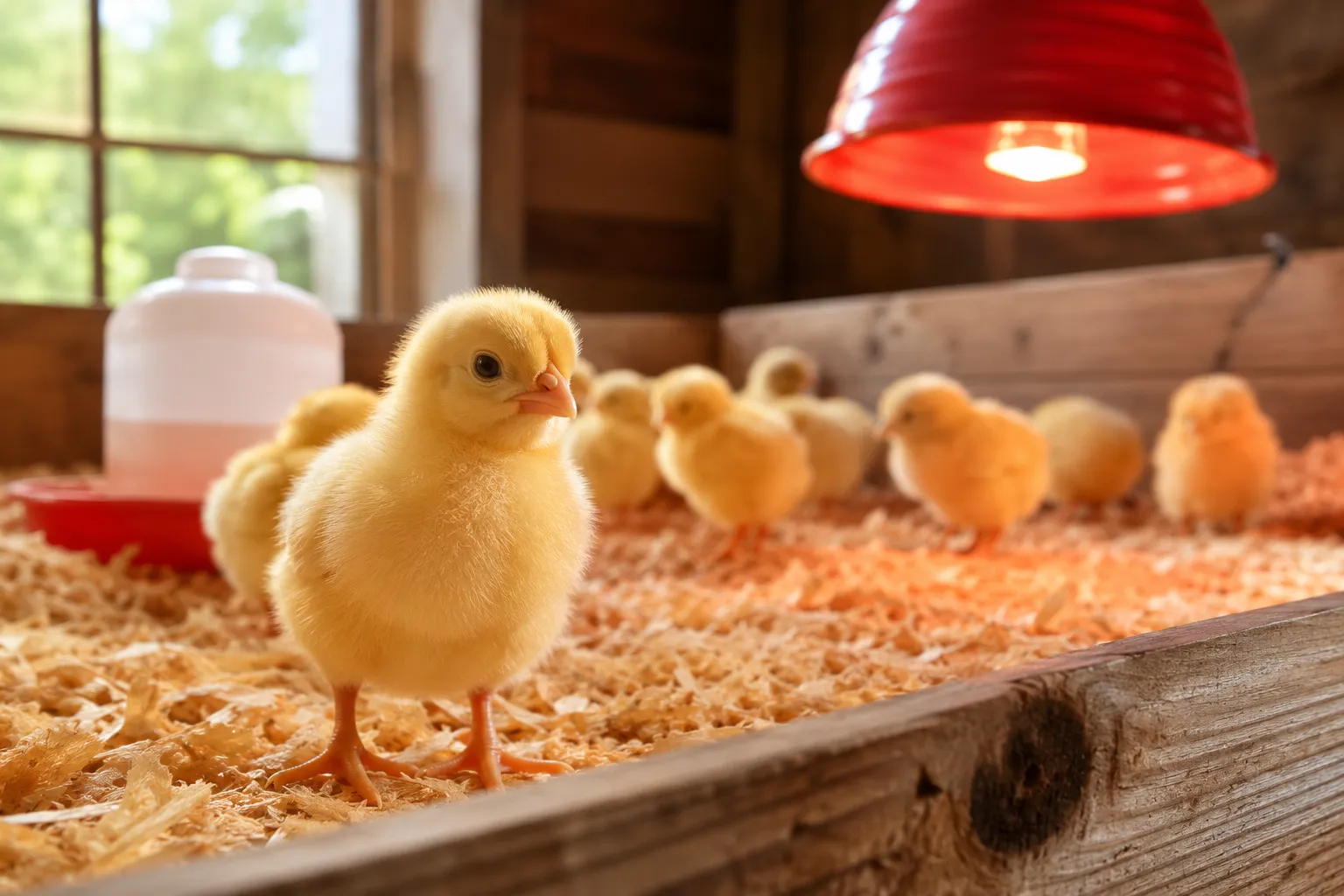
Quick Answer: Pasty butt (also called pasting up or sticky bottom) is a condition where droppings stick to a baby chick’s vent area and harden, blocking the chick from eliminating waste. If left untreated, this blockage can become fatal within 24-48 hours. The condition most commonly affects chicks during their first week of life and can be caused by stress, temperature fluctuations, or digestive upset.
Key Takeaways
- Pasty butt is a blockage where dried droppings seal a chick’s vent, preventing normal elimination and potentially causing death
- It typically occurs in the first 1-2 weeks of a chick’s life, with the highest risk during days 1-7
- Temperature stress is the leading cause, especially when brooder temperatures are too cold or fluctuate dramatically
- Treatment is simple but urgent: gently clean the vent with warm water and a soft cloth, then dry thoroughly
- Prevention focuses on stable brooder conditions: maintain 95°F for week one, provide clean water, and minimize stress
- Not all chicks get pasty butt, but shipped chicks and certain breeds are more susceptible
- Check chicks at least twice daily during the first week to catch pasty butt early
- The condition can kill within 48 hours if the blockage isn’t removed
- Normal chick poop is firm with white caps, while pasty butt droppings are sticky, wet, and cement-like
- Most chicks recover completely once cleaned and returned to proper brooder conditions
What Is Pasty Butt in Baby Chicks?
Pasty butt is a condition where fecal matter sticks to the downy feathers around a baby chick’s vent (the opening where waste exits) and hardens into a plug that blocks further elimination. The vent becomes sealed shut by dried droppings, preventing the chick from pooping normally.
This blockage creates a life-threatening situation because waste products build up inside the chick’s digestive system. Toxins accumulate, the chick becomes lethargic and stops eating, and without intervention, death typically follows within 24-48 hours.
Key characteristics of pasty butt:
- Visible crusty or paste-like material covering the vent area
- Droppings that look wet, sticky, and cement-like rather than firm
- Chick straining or making distressed peeping sounds
- Lethargy and reduced activity compared to other chicks
- Loss of appetite as the blockage worsens
The condition earned its descriptive name from the paste-like consistency of the stuck droppings. While it sounds minor, pasty butt is considered a poultry emergency that requires immediate attention.
What Causes Pasty Butt in Chicks?
Pasty butt develops when a chick’s digestive system becomes stressed or upset, producing abnormally sticky droppings that adhere to the vent area instead of falling away cleanly. The primary trigger is temperature stress, particularly when the brooder is too cold or experiences sudden fluctuations.
Common causes include:
- Incorrect brooder temperature: Chicks need 95°F during their first week, decreasing by 5°F each week. Cold chicks develop digestive problems
- Shipping stress: Mail-order chicks experience dehydration, temperature changes, and physical stress during transit
- Dehydration: Insufficient water intake leads to concentrated, sticky droppings
- Overheating: Temperatures above 100°F can also disrupt digestion
- Sudden diet changes: Switching feed types too quickly upsets the digestive balance
- Bacterial imbalances: Disrupted gut flora from stress or antibiotics
- Genetic predisposition: Some breeds and individual chicks are more susceptible
- Dirty brooder conditions: Ammonia buildup and bacteria contribute to digestive upset
Choose temperature monitoring if you’re seeing multiple chicks with pasty butt, as this usually indicates a brooder-wide problem rather than individual chick issues. A reliable thermometer placed at chick height (not near the ceiling) is essential for prevention.
How Do You Treat Pasty Butt in Chicks?
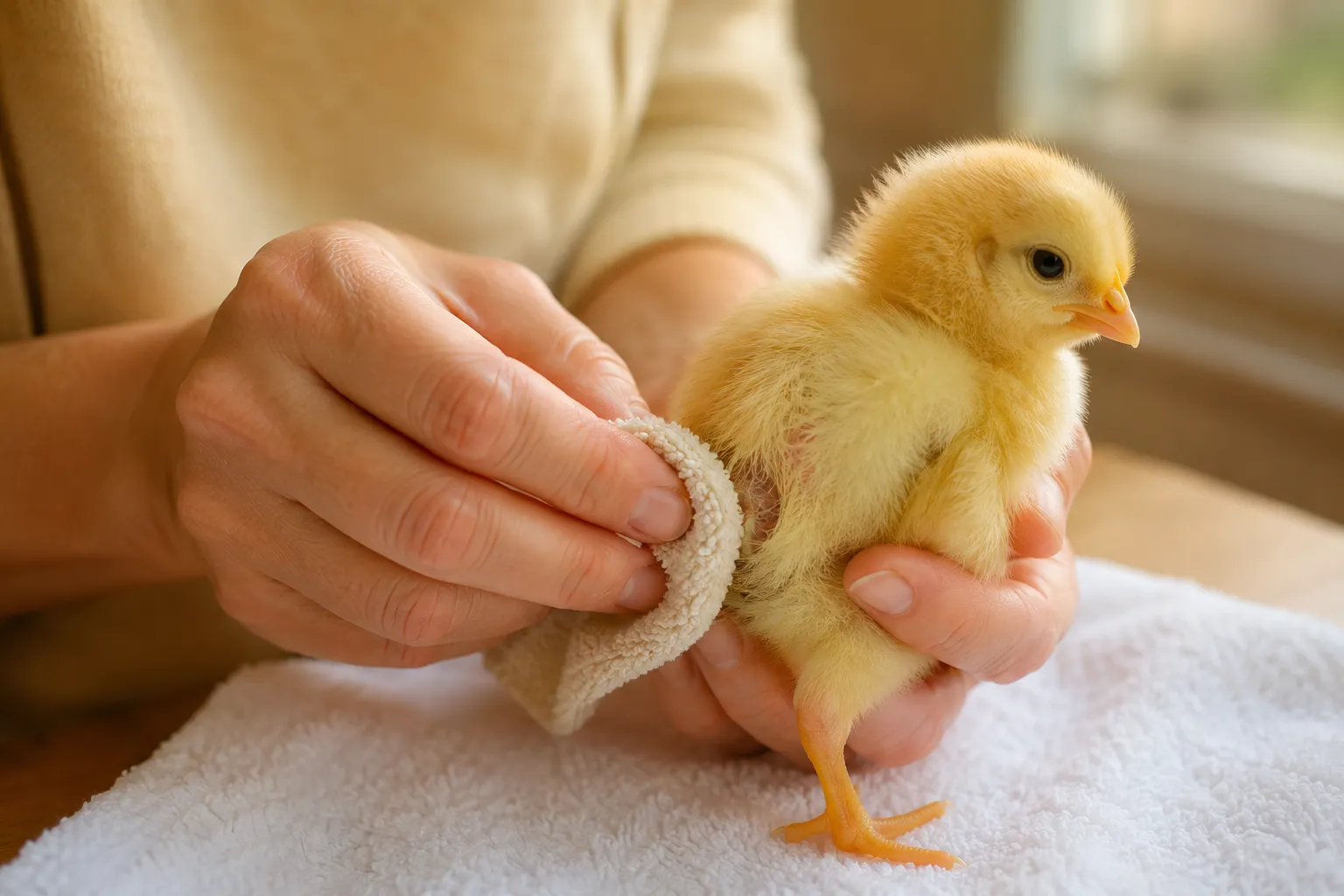
Treatment for pasty butt involves gently removing the dried droppings to unblock the vent, then addressing the underlying cause. The process takes 5-10 minutes per chick and should be done as soon as you notice the problem.
Step-by-step treatment process:
- Prepare warm water (around 90-95°F, comfortably warm to your wrist)
- Soak a soft cloth or paper towel in the warm water
- Hold the chick gently but securely, supporting its body
- Apply the warm, damp cloth to the crusty area for 30-60 seconds to soften the dried droppings
- Gently wipe away the softened material, working carefully to avoid pulling out downy feathers
- Repeat soaking and wiping until the vent is completely clear and you can see pink skin
- Dry the chick thoroughly with a clean, dry towel (damp chicks can become chilled)
- Apply a small amount of olive oil or coconut oil to the clean vent area to prevent future sticking
- Return the chick to the brooder and monitor closely for the next 24 hours
Common mistake to avoid: Never try to pull off dried droppings without softening them first. This tears delicate skin and downy feathers, causing pain and potential infection. Patience during the soaking process prevents injury.
When to seek help: If the blockage has been present for more than 24 hours, if you see blood or raw skin, or if the chick remains lethargic after cleaning, consult a veterinarian familiar with poultry.
Is Pasty Butt Dangerous for Chicks?
Yes, pasty butt is extremely dangerous and can be fatal if not treated promptly. A blocked vent prevents the chick from eliminating waste, leading to a toxic buildup of waste products in the digestive system.
Timeline of danger:
- 0-12 hours: Chick shows discomfort, reduced activity, and straining
- 12-24 hours: Lethargy increases, chick stops eating and drinking, becomes weak
- 24-48 hours: Severe toxicity, organ stress, high risk of death
- Beyond 48 hours: Death is likely without intervention
The mortality rate for untreated pasty butt approaches 100%, but with prompt treatment, most chicks recover completely within 24 hours. The key difference is early detection and immediate action.
Why it’s so dangerous:
- Waste toxins are reabsorbed into the bloodstream
- The chick becomes dehydrated from inability to process fluids
- Digestive system pressure causes pain and prevents eating
- Weakened chicks become targets for pecking by other chicks
- Secondary infections can develop around the irritated vent area
Good news: Pasty butt caught early (within the first 12 hours) typically resolves with a single cleaning and no lasting effects. This is why frequent chick checks during the first week are so important.
Pasty Butt vs Normal Chick Poop
Learning to distinguish normal chick droppings from pasty butt helps you catch problems early. Healthy chick poop has a distinctive appearance that differs significantly from the sticky mess of pasty butt.
Normal chick droppings:
- Firm, formed consistency (not runny or sticky)
- Brown or dark green color
- White or cream-colored urate cap on top (this is normal uric acid, not diarrhea)
- Falls cleanly away from the chick
- Dries quickly on bedding
- No odor beyond typical poultry smell
Pasty butt droppings:
- Wet, sticky, paste-like or cement-like consistency
- Clings to feathers and skin
- Yellow, tan, or greenish color
- Doesn’t fall away naturally
- Accumulates and hardens around the vent
- May have a stronger, sour odor
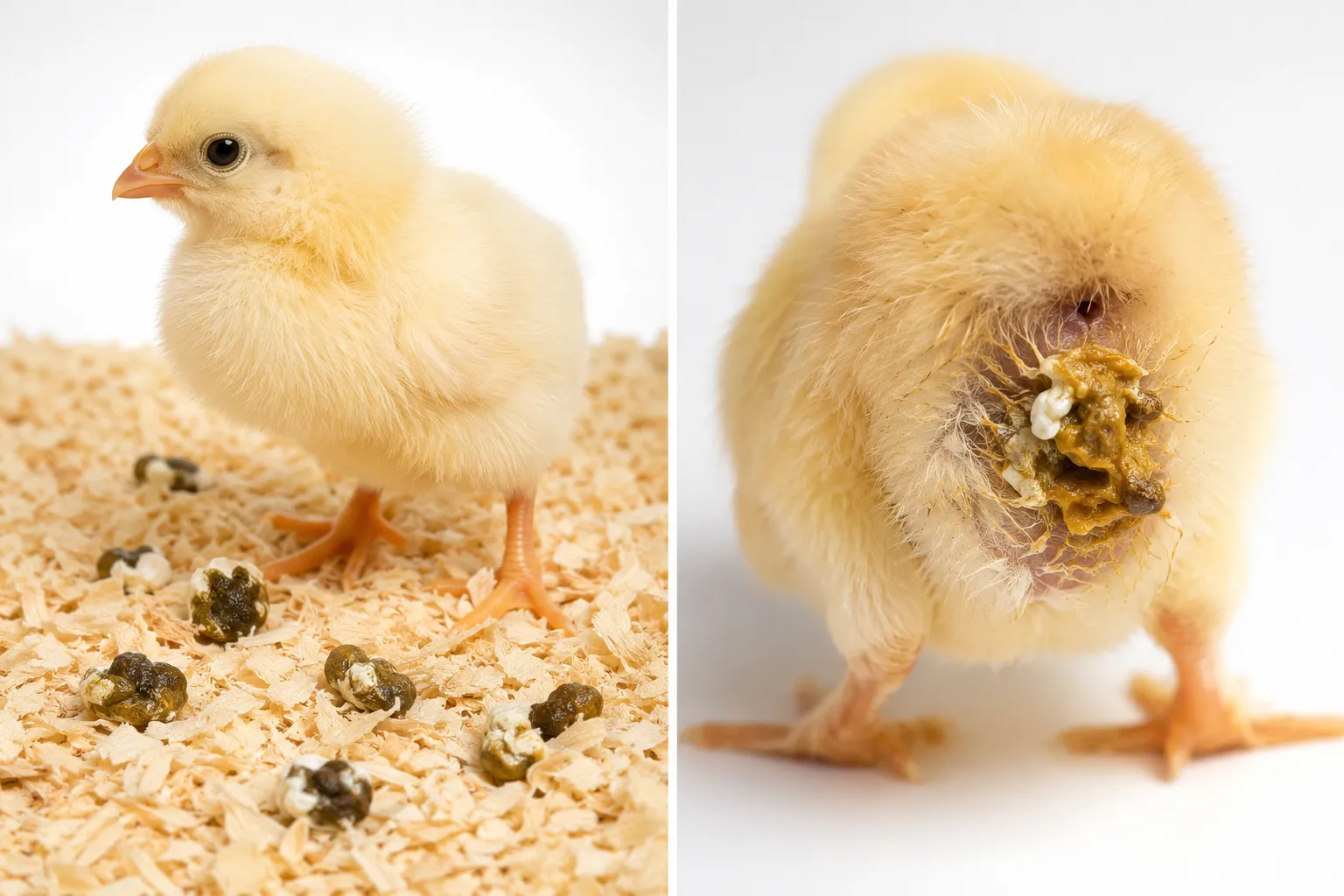
Important distinction: Occasional soft droppings with white caps are normal, especially after chicks drink water. Pasty butt specifically refers to droppings that stick and seal the vent opening. If you can see a clear vent opening and droppings are falling away (even if slightly soft), the chick doesn’t have pasty butt.
Cecal droppings confusion: Every 8-10 poops, chicks produce a cecal dropping that’s naturally mustard-colored, foamy, and smellier than regular droppings. This is normal digestive function, not pasty butt, as long as it doesn’t stick to the vent.
How to Prevent Pasty Butt in Newly Hatched Chicks
Prevention focuses on maintaining optimal brooder conditions and minimizing stress during the critical first two weeks of life. Most cases of pasty butt can be avoided with proper setup and management.
Temperature management (most important):
- Start at 95°F for the first week (measured at chick height, not ceiling)
- Reduce by 5°F each week until fully feathered
- Use a reliable thermometer, not just guesswork
- Provide a temperature gradient so chicks can self-regulate
- Avoid drafts and sudden temperature swings
Hydration and nutrition:
- Provide fresh, clean water immediately upon arrival
- Add a small amount of sugar or electrolytes to water for shipped chicks (1 tablespoon sugar per quart for first 24 hours only)
- Use chick starter feed (not adult layer feed)
- Ensure feeders and waterers are easily accessible
- Consider probiotic supplements to support gut health
Stress reduction:
- Minimize handling during the first 48 hours
- Keep brooder lighting consistent (not too bright)
- Avoid overcrowding (0.5-1 square foot per chick initially)
- Introduce shipped chicks to water by gently dipping beaks
- Keep brooder quiet and away from household traffic
Cleanliness:
- Use absorbent bedding (pine shavings, not cedar)
- Spot-clean droppings daily
- Change bedding completely every 3-5 days
- Keep waterers clean to prevent bacterial growth
For shipped chicks specifically: The first 24 hours are critical. Dip each chick’s beak in water upon arrival, check vents immediately, and monitor every 4-6 hours for the first day. Shipped chicks have a significantly higher pasty butt risk due to transit stress.
Can Pasty Butt Kill a Chick If Not Treated?
Yes, pasty butt will kill a chick if the blockage isn’t removed. Death typically occurs within 24-48 hours of complete vent blockage, though some chicks may survive slightly longer depending on the severity and their overall health.
The cause of death is toxic buildup from waste products that cannot be eliminated. When the vent is sealed, waste accumulates in the intestines and cloaca. Toxins are reabsorbed into the bloodstream, poisoning the chick’s system. Simultaneously, the chick becomes severely dehydrated and malnourished because it stops eating and drinking due to discomfort and digestive backup.
Mortality statistics:
- Untreated pasty butt: nearly 100% fatal
- Treated within 12 hours: 95%+ survival rate
- Treated within 24 hours: 80-90% survival rate
- Treated after 48 hours: 50% or lower survival rate, often with complications
Warning signs of critical condition:
- Chick is cold to the touch
- Completely unresponsive or unable to stand
- Eyes closed, not reacting to stimuli
- Gasping or labored breathing
- Vent area is severely swollen or discolored
If you find a chick in critical condition, clean the vent immediately, warm the chick gradually, and offer electrolyte water with a dropper. However, prognosis is poor once a chick reaches this stage. This is why daily vent checks during the first week are non-negotiable for responsible chick care.
What Temperature Causes Pasty Butt in Chicks?
Pasty butt most commonly develops when brooder temperatures are too cold (below 90°F during the first week) or when temperatures fluctuate dramatically (swings of 10°F or more). Cold stress is the primary temperature-related trigger, though overheating above 100°F can also cause digestive upset.
Ideal temperature schedule:
- Week 1: 95°F
- Week 2: 90°F
- Week 3: 85°F
- Week 4: 80°F
- Week 5: 75°F
- Week 6+: Room temperature (if fully feathered)
Why cold causes pasty butt: When chicks are too cold, they divert energy to staying warm rather than proper digestion. Their metabolic processes slow down, leading to incomplete digestion and sticky, poorly formed droppings. Cold chicks also huddle together, sometimes piling up and creating stress that further disrupts digestion.
Signs your brooder is too cold:
- Chicks huddled tightly under the heat source
- Loud, distressed peeping
- Multiple chicks developing pasty butt simultaneously
- Chicks piling on top of each other
- Reduced activity and eating
Signs your brooder is too hot:
- Chicks spread out far from heat source
- Panting with beaks open
- Wings held away from body
- Lethargy from heat stress
- Increased water consumption
Best practice: Create a temperature gradient by placing the heat source on one side of the brooder. This allows chicks to move toward or away from heat as needed. Observe chick behavior rather than relying solely on thermometers, comfortable chicks are active, spread out moderately, and peep contentedly.
How to Clean Pasty Butt Off a Chick Safely
Safe cleaning requires patience, warm water, and a gentle touch to avoid injuring the chick’s delicate skin and downy feathers. Rushing the process or using force causes more harm than the original problem.
Detailed safe cleaning method:
Preparation:
- Fill a small bowl with warm water (90-95°F, test on your wrist)
- Gather soft cloths or paper towels
- Have a dry towel ready
- Prepare olive oil or coconut oil for aftercare
- Work in a warm room to prevent chilling
Cleaning process:
- Hold the chick securely but gently in your non-dominant hand, supporting the body
- Dip a soft cloth in warm water and wring out excess
- Press the warm, damp cloth against the crusty area for 30-60 seconds
- The warmth softens the dried droppings, don’t skip this step
- Gently wipe in the direction of feather growth
- Re-wet the cloth and repeat until material begins to loosen
- Work slowly around the vent opening, being extra careful near the skin
- If material is stubborn, hold the chick’s bottom in shallow warm water for 1-2 minutes
- Continue gentle wiping until the vent is completely clear
- Check that the vent opening is visible and unobstructed
Drying and aftercare:
- Pat dry thoroughly with a soft, dry towel
- Ensure all moisture is removed from downy feathers
- Apply a tiny amount of oil to the clean vent area (prevents re-sticking)
- Keep the chick in your hands until completely dry and warm
- Return to brooder only when fully dry
What NOT to do:
- Never pull or pick at dried material without softening first
- Don’t use hot water (causes burns)
- Avoid harsh rubbing that removes feathers
- Don’t return a damp chick to the brooder (causes chilling)
- Never use soap, disinfectants, or chemicals near the vent
Common mistake: Stopping too soon. Make sure the vent opening is completely clear and you can see pink skin. Partial cleaning leaves enough blockage to cause problems within hours.
Do All Chicks Get Pasty Butt or Just Some Breeds?
Not all chicks get pasty butt, it affects roughly 10-30% of chicks depending on conditions, with shipped chicks and certain situations showing higher rates. While any chick can develop the condition, some breeds and circumstances increase susceptibility.
Higher-risk groups:
- Shipped chicks: 30-50% may develop pasty butt due to transit stress, dehydration, and temperature fluctuations
- Bantam breeds: Smaller breeds seem slightly more prone, possibly due to faster metabolism and greater sensitivity to temperature
- Silkies: Their fluffy feathering around the vent may trap droppings more easily
- Weak or small chicks: Runts and less vigorous chicks have higher rates
- Chicks from stressed hens: Poor parent flock nutrition or health can affect chick resilience
Lower-risk groups:
- Chicks hatched at home in stable conditions
- Vigorous, healthy chicks from quality breeding stock
- Chicks in properly managed brooders with stable temperatures
- Heritage breeds raised in optimal conditions
The breed factor is overstated: While some breeds may show slightly higher rates, brooder conditions and stress levels matter far more than genetics. A well-managed brooder with stable temperatures will have low pasty butt rates regardless of breed, while a cold, stressful brooder will cause problems across all breeds.
Individual variation: Even in identical conditions, some chicks develop pasty butt while others don’t. This reflects individual differences in stress tolerance, digestive resilience, and vigor. The important point is that pasty butt is preventable and treatable regardless of breed.
Common Mistakes When Treating Pasty Butt in Chicks
Even experienced chicken keepers can make errors when treating pasty butt, especially when rushing due to concern for the chick. Avoiding these mistakes improves outcomes and prevents additional problems.
Top treatment mistakes:
1. Pulling dried droppings without softening
This tears delicate skin and pulls out downy feathers, causing pain, bleeding, and potential infection. Always soak thoroughly first, patience prevents injury.
2. Using water that’s too hot or too cold
Hot water burns sensitive skin; cold water causes dangerous chilling. Test water temperature on your wrist, it should feel comfortably warm, not hot.
3. Returning a damp chick to the brooder
Wet feathers cause rapid heat loss and chilling, which can be fatal. Dry the chick completely before returning it to the brooder.
4. Not addressing the underlying cause
Cleaning the vent treats the symptom but doesn’t prevent recurrence. Check brooder temperature, water availability, and stress factors, or the same chick (and others) will develop pasty butt again.
5. Stopping before the vent is completely clear
Partial cleaning leaves enough blockage to cause problems within hours. Ensure you can see the vent opening clearly before considering treatment complete.
6. Over-handling or stressing the chick
Excessive handling, especially in the first 48 hours, adds stress that worsens digestive problems. Handle only as much as necessary for treatment.
7. Using oils or lubricants before cleaning
Oil applied over dried droppings doesn’t help and makes cleaning harder. Clean first, then apply a small amount of oil to prevent re-sticking.
8. Ignoring other chicks in the brooder
If one chick has pasty butt, check all others immediately. The condition often indicates a brooder-wide problem that will affect multiple chicks.
9. Waiting to see if it resolves on its own
Pasty butt never resolves without intervention. Waiting even 12 hours significantly reduces survival chances.
10. Not monitoring after treatment
Check treated chicks every 4-6 hours for the next 24 hours. Some chicks develop pasty butt repeatedly until underlying conditions are corrected.
When Does Pasty Butt Usually Happen in Chicks?
Pasty butt typically occurs during the first week of life, with the highest risk during days 1-5. The condition becomes progressively less common as chicks mature, and it’s rare after two weeks of age when chicks have developed stronger digestive systems and better temperature regulation.
Timeline of risk:
- Days 1-3: Highest risk period, especially for shipped chicks recovering from transit stress
- Days 4-7: Still high risk as chicks adjust to brooder conditions
- Days 8-14: Moderate risk, decreasing as chicks strengthen
- Days 15-21: Low risk, occasional cases in stressed or weak chicks
- Beyond 3 weeks: Very rare, usually indicates serious health problems if it occurs
Why the first week is critical:
Young chicks have immature digestive systems that are highly sensitive to stress, temperature changes, and dietary factors. Their small size means they lose body heat quickly, making temperature regulation challenging. Additionally, shipped chicks arrive already stressed and dehydrated, putting them at immediate risk.
Peak checking times:
- First 24 hours: Check every 4-6 hours, especially for shipped chicks
- Days 2-7: Check at least twice daily (morning and evening)
- Days 8-14: Daily checks are sufficient
- Beyond 2 weeks: Regular observation during feeding and cleaning
Seasonal factors: Pasty butt rates may increase during cold weather when maintaining stable brooder temperatures is more challenging, or during hot weather when overheating causes stress. Spring (peak hatching season) often sees higher case numbers simply due to volume.
Home Remedies for Pasty Butt in Baby Chickens
The primary home remedy for pasty butt is the warm water cleaning method described earlier, but several supportive treatments can aid recovery and prevent recurrence. These remedies focus on supporting digestive health and reducing stress.
Effective home remedies:
1. Warm water cleaning (primary treatment)
The gentle removal of blockage using warm water and soft cloths remains the gold standard. No other remedy works if the blockage isn’t physically removed.
2. Olive oil or coconut oil application
After cleaning, apply a small amount to the vent area. This prevents droppings from sticking and provides a protective barrier. Reapply after each cleaning if pasty butt recurs.
3. Electrolyte water
Add commercial chick electrolytes or make homemade solution (1 tablespoon sugar + 1/4 teaspoon salt per quart of water) for the first 24-48 hours. This combats dehydration and supports recovery.
4. Probiotic supplements
Add poultry probiotics to water or sprinkle on feed to support healthy gut bacteria. This is especially helpful for shipped chicks or after stress.
5. Apple cider vinegar (ACV)
Add 1 tablespoon of raw, unfiltered ACV per gallon of water (2-3 times per week, not continuously). This supports digestive health and gut pH balance.
6. Plain yogurt
Offer a small amount (1/4 teaspoon per chick) of plain, unsweetened yogurt as a probiotic treat. Limit to once daily to avoid digestive upset from too much dairy.
7. Scrambled eggs
Provide finely chopped scrambled eggs (no butter or oil) as an easily digestible protein source for stressed or weak chicks recovering from pasty butt.
8. Oatmeal paste
Mix a tiny amount of plain cooked oatmeal with water to create a paste. Some keepers report this helps firm up loose droppings, though evidence is anecdotal.
What doesn’t work:
- Antibiotics (pasty butt isn’t an infection)
- Cutting feathers around the vent (causes injury and doesn’t address the cause)
- Petroleum jelly applied over dried droppings (clean first)
- Changing feed types during acute stress (makes things worse)
Best approach: Combine warm water cleaning with temperature correction and electrolyte support. Most other remedies are supplementary and work best for prevention rather than acute treatment.
How Long Does It Take for Pasty Butt to Clear Up?
Pasty butt typically clears up within 24-48 hours after proper cleaning and correction of underlying causes. Most chicks show immediate improvement after the blockage is removed, resuming normal eating, drinking, and activity within a few hours.
Recovery timeline:
Immediate (0-2 hours after cleaning):
- Chick should poop normally within 1-2 hours
- Activity level increases
- Peeping becomes more content
- Chick begins eating and drinking
Short-term (24 hours):
- Droppings return to normal consistency
- Energy levels normalize
- Chick keeps pace with brooder mates
- Vent area remains clean (if conditions are corrected)
Full recovery (48 hours):
- Complete return to normal behavior
- No recurrence of sticking
- Weight gain resumes
- No lasting effects
Recurrence patterns:
Some chicks develop pasty butt repeatedly over 3-5 days if underlying conditions aren’t corrected. This indicates the brooder temperature, stress levels, or other factors still need adjustment. Each episode requires cleaning, but the goal is to eliminate the root cause so cleaning becomes unnecessary.
When recovery takes longer:
If a chick remains lethargic or develops pasty butt repeatedly beyond 3 days despite proper brooder conditions, consider:
- Individual weakness or genetic factors
- Underlying illness (not just pasty butt)
- Injury to the vent area from previous cleaning
- Need for veterinary evaluation
Long-term effects: Chicks that recover from pasty butt within the first 48 hours typically show no lasting effects and grow into healthy adult chickens. The key is catching and treating the condition early before severe toxicity or dehydration develops.
FAQ
Can pasty butt spread from one chick to another?
No, pasty butt is not contagious. However, if one chick has it, others in the same brooder are at risk because they share the same environmental conditions (temperature, stress, water quality) that caused the problem.
Should I isolate a chick with pasty butt?
Isolation isn’t necessary unless the chick is being pecked by others or needs intensive monitoring. Keeping the chick with its brooder mates reduces stress, but ensure it can access food and water easily during recovery.
Can adult chickens get pasty butt?
True pasty butt is extremely rare in adult chickens because they have mature digestive systems and full feathering. If an adult has droppings stuck to vent feathers, it usually indicates diarrhea, vent gleet, or another health issue requiring different treatment.
Is pasty butt the same as vent gleet?
No. Pasty butt is a temporary blockage in baby chicks caused by stuck droppings. Vent gleet is a fungal infection (usually Candida) that affects adult chickens, causing inflammation and discharge around the vent.
How often should I check chicks for pasty butt?
Check at least twice daily during the first week, ideally every 4-6 hours for shipped chicks in the first 24 hours. After the first week, daily checks during routine care are sufficient.
Can I prevent pasty butt with medicated feed?
Medicated chick starter (containing amprolium for coccidiosis prevention) doesn’t prevent pasty butt. The condition is related to stress and temperature, not the diseases medicated feed targets.
What’s the best bedding to prevent pasty butt?
Pine shavings are ideal, they’re absorbent, safe, and don’t stick to vents. Avoid newspaper (too slippery), cedar (toxic fumes), and sand (too cold) for young chicks. Some keepers use paper towels for the first 2-3 days, then switch to shavings.
Can I use a hair dryer to dry a chick after cleaning?
Yes, but use the lowest heat setting and keep it at least 12 inches away, moving constantly. The goal is gentle drying, not heating. Hand-drying with a towel is safer for beginners.
Will pasty butt affect a chick’s growth or egg-laying later?
No. Chicks that recover from pasty butt grow into normal, healthy adult chickens with no impact on size, health, or egg production. Early treatment prevents any lasting effects.
Can I use baby wipes to clean pasty butt?
Unscented, chemical-free baby wipes can work in a pinch, but warm water and a soft cloth are better. Many baby wipes contain lotions or fragrances that may irritate sensitive chick skin.
How do I know if the vent is completely clear?
You should be able to see the vent opening clearly, a small pink or reddish opening. Gently part the downy feathers to confirm the area is clean and the opening is unobstructed.
Should I add anything to the brooder bedding to prevent pasty butt?
Keep bedding clean and dry, that’s the most important factor. Some keepers add a thin layer of sand or fine grit over shavings to improve drainage, but this isn’t necessary if you maintain cleanliness and proper temperature.
Conclusion
Pasty butt is one of the most common challenges when raising baby chicks, but it’s also one of the most manageable when caught early. This condition, where dried droppings block a chick’s vent, can be fatal within 24-48 hours if ignored, yet it responds quickly to simple treatment with warm water and gentle cleaning.
The key to success is prevention through proper brooder management: maintain stable temperatures starting at 95°F for the first week, provide clean water and quality feed, minimize stress, and create a clean environment. For shipped chicks, extra vigilance during the first 24 hours makes all the difference.
Your action plan:
- Check chicks at least twice daily during their first week, examining each vent for signs of sticking
- Keep a thermometer at chick height and adjust heat sources to maintain proper temperatures
- Clean any blockages immediately using warm water and patience, never pull dried material
- Address underlying causes if pasty butt occurs, focusing on temperature and stress reduction
- Monitor treated chicks closely for 24 hours to ensure full recovery and prevent recurrence
Remember that most chicks never develop pasty butt when brooder conditions are optimal, and those that do typically recover completely with prompt treatment. The condition is serious but not mysterious, it’s your brooder’s way of signaling that something needs adjustment.
By understanding what pasty butt is, recognizing it early, and responding quickly, you’ll give your chicks the best start possible. The few minutes spent on daily vent checks during that critical first week can mean the difference between a thriving flock and preventable losses.