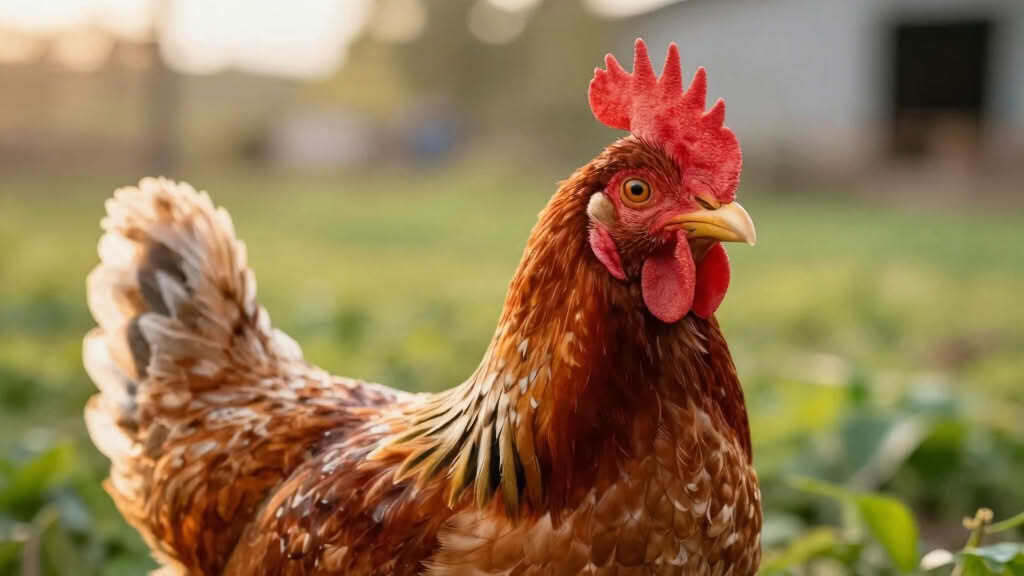
Quick Answer: The longest-living chicken breeds typically include heritage varieties like Australorps, Orpingtons, Plymouth Rocks, Sussex, and Wyandottes, which commonly live 8-12 years with proper care. These breeds outlive commercial hybrids because they were developed for overall hardiness rather than maximum egg production, and their slower metabolism reduces the physical stress that shortens lifespan in high-production birds.
Key Takeaways
- Heritage breeds live longest: Australorps, Orpingtons, Plymouth Rocks, and Sussex regularly reach 8-12 years, with some individuals living beyond 15 years
- Hybrids have shorter lifespans: Commercial egg-laying hybrids like ISA Browns typically live 3-5 years due to reproductive stress
- Egg production affects longevity: Chickens bred for maximum egg output experience more physical strain and age faster than dual-purpose or ornamental breeds
- Proper care extends lifespan: Quality nutrition, predator protection, veterinary care, and stress reduction can add 3-5 years to a chicken’s life
- Roosters and hens live equally long: Gender doesn’t significantly affect lifespan when reproductive stress is accounted for
- Silkies are long-lived: Despite their small size, Silkies commonly reach 9-10 years due to their calm temperament and moderate egg production
- Old age for chickens: A chicken is considered senior at 5-6 years, though many heritage breeds remain active well into their teens
What Chicken Breeds Live the Longest?
The longest-living chicken breeds are predominantly heritage varieties developed before industrial agriculture prioritized egg production over longevity. Australorps, Buff Orpingtons, Plymouth Rocks, Sussex, and Wyandottes consistently rank among the top breeds for lifespan, regularly reaching 8-12 years with exceptional individuals living 15-20 years.
Top Long-Living Breeds
Australorps hold the distinction of being both excellent layers and remarkably long-lived, often reaching 10-12 years. Their calm temperament and efficient metabolism contribute to their longevity.
Buff Orpingtons are gentle giants that commonly live 8-10 years, with many reaching their early teens. Their docile nature reduces stress-related health issues.
Plymouth Rocks (both Barred and other varieties) are hardy dual-purpose birds that frequently live 10-12 years. Their balanced genetics make them resilient to common health problems.
Sussex chickens are known for their friendly personalities and 8-10 year average lifespan, with proper care extending this considerably.
Wyandottes are cold-hardy birds that often reach 8-10 years, thriving in varied climates due to their robust constitution.
Brahmas are large, gentle birds that can live 8-10 years despite their size, which typically correlates with shorter lifespans in other animals.
Silkies defy expectations by living 9-10 years despite their small stature, benefiting from low egg production and calm temperament.
Rhode Island Reds are productive yet durable, commonly reaching 8-10 years when not pushed for maximum egg output.
How Long Do Chickens Normally Live as Pets?
Pet chickens typically live 5-10 years on average, significantly longer than commercial laying hens (2-3 years) but shorter than the maximum potential of heritage breeds. The difference comes down to care quality, breed selection, and whether the chicken is kept primarily as a companion rather than for production.
Backyard chickens receive better nutrition, more space, lower stress, and protection from predators compared to commercial operations. They also avoid the culling that production birds face when egg output declines. However, many backyard keepers choose hybrid breeds bred for high egg production, which naturally have shorter lifespans than heritage varieties.
Factors that determine pet chicken lifespan:
- Breed genetics: Heritage breeds outlive production hybrids by 3-7 years on average
- Diet quality: Complete nutrition with appropriate protein, calcium, and vitamins
- Predator protection: Secure coops prevent the leading cause of premature death
- Veterinary access: Chickens with access to avian vets live longer through early disease detection
- Flock size and social dynamics: Appropriate group sizes reduce stress and pecking injuries
- Climate protection: Shelter from extreme heat and cold prevents weather-related deaths
Choose heritage breeds if longevity is your priority, and expect to provide care for a decade or more. Budget for senior chicken care including potential vet visits and dietary adjustments as your birds age.
Rhode Island Red vs Orpington Lifespan Comparison
Rhode Island Reds typically live 8-10 years, while Buff Orpingtons have a similar range of 8-10 years, making them roughly equivalent in longevity. The key difference lies in how they age: Rhode Island Reds maintain higher egg production longer but may experience more reproductive health issues, while Orpingtons age more gradually with fewer complications.
Rhode Island Reds were bred as dual-purpose production birds with emphasis on egg output. They lay 250-300 eggs annually in their prime, which creates more physical stress. Common age-related issues include egg binding, reproductive tumors, and earlier decline in mobility. However, their hardy constitution helps them recover from illness better than more delicate breeds.
Buff Orpingtons were developed as gentle, dual-purpose birds with moderate egg production (180-200 eggs annually). Their lower output reduces reproductive strain, and their calm temperament means less stress-related health problems. They’re prone to obesity in later years, which can shorten lifespan if diet isn’t managed.
Choose Rhode Island Reds if: You want consistent egg production for 5-6 years plus companionship afterward, and you’re prepared for potential reproductive health issues.
Choose Buff Orpingtons if: You prioritize a calm, friendly bird with fewer health complications, and moderate egg production is sufficient for your needs.
Both breeds can exceed 10 years with excellent care, but Orpingtons generally require less intensive health management in their senior years.
Why Do Some Chicken Breeds Live Longer Than Others?
Some chicken breeds live longer because they were developed for overall hardiness, moderate egg production, and genetic diversity rather than being optimized for a single production trait. Heritage breeds maintain balanced metabolisms that don’t exhaust their bodies through excessive egg laying, while commercial hybrids sacrifice longevity for maximum short-term output.
Genetic Factors in Chicken Longevity
Metabolic rate: Breeds with slower metabolisms age more gradually. High-production hybrids burn through energy reserves faster, accelerating cellular aging.
Reproductive stress: Each egg requires significant calcium, protein, and energy. Breeds laying 300+ eggs annually deplete their bodies faster than those producing 150-200 eggs.
Genetic diversity: Heritage breeds maintain broader gene pools, reducing the concentration of harmful recessive traits. Commercial hybrids are often inbred for specific traits, increasing disease susceptibility.
Body size and structure: Moderate-sized birds (5-7 pounds) typically outlive both bantams and giant breeds. Extreme sizes create cardiovascular and skeletal stress.
Temperament: Calm, docile breeds experience less stress-related illness. Flighty, nervous breeds have higher cortisol levels that accelerate aging.
Disease resistance: Breeds developed over centuries in varied environments built natural immunity to common pathogens. Modern hybrids lack this evolutionary advantage.
The commercial poultry industry selects for traits that maximize profit in 18-24 months, not longevity. Heritage breed preservation organizations prioritize birds that thrive for a decade or more, creating fundamentally different genetic outcomes.
What Affects a Backyard Chicken’s Lifespan?
A backyard chicken’s lifespan is primarily affected by predation, diet quality, disease prevention, housing conditions, and genetic breed potential. Predators account for 60-70% of premature chicken deaths in backyard flocks, making secure coops the single most important longevity factor regardless of breed.
Critical Lifespan Factors
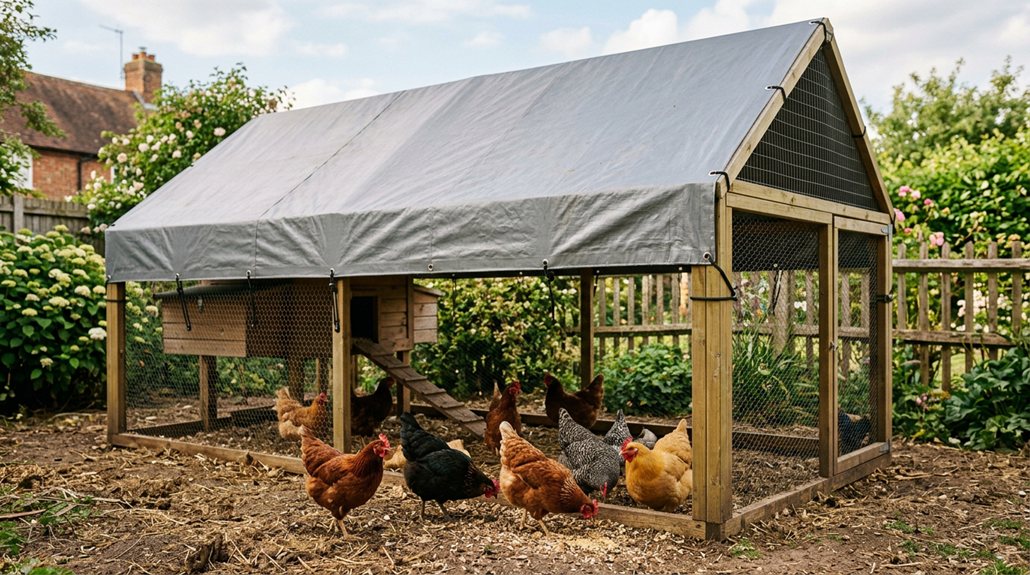
Predator protection: Secure coops with hardware cloth (not chicken wire), buried barriers, and automatic doors prevent raccoons, foxes, hawks, and other predators. A single predator breach can eliminate an entire flock overnight.
Nutrition: Layer feed with 16-18% protein, calcium supplementation (oyster shell), and clean water prevent malnutrition-related diseases. Avoid feeding only scratch grains or table scraps, which lack essential nutrients.
Parasite control: Regular checks for mites, lice, and worms prevent infestations that weaken immune systems. Untreated parasites can reduce lifespan by 2-3 years.
Biosecurity: Quarantining new birds, limiting exposure to wild birds, and disinfecting equipment prevents disease introduction. Marek’s disease, coccidiosis, and respiratory infections kill more chickens than old age.
Space and enrichment: Minimum 4 square feet per bird inside the coop and 10 square feet in the run reduces stress, pecking injuries, and disease transmission. Overcrowding is a major lifespan reducer.
Climate control: Protection from extreme heat (above 90°F) and cold (below 20°F for most breeds) prevents weather-related deaths. Heat stress kills quickly; cold stress weakens immunity gradually.
Veterinary care: Access to an avian vet for emergencies and annual check-ups catches treatable conditions early. Egg binding, impacted crops, and respiratory infections are often survivable with prompt treatment.
A chicken with excellent genetics can die at age two from predation or disease, while a hybrid with proper care might reach eight years. Genetics set the ceiling; care determines whether your birds reach it.
Are Long-Living Chicken Breeds Good for Beginners?
Long-living chicken breeds are excellent for beginners because they’re typically hardy, forgiving of minor care mistakes, and provide years of companionship while you learn chicken keeping. Heritage breeds like Orpingtons, Australorps, and Plymouth Rocks combine longevity with calm temperaments and disease resistance, making them ideal first birds.
Why Longevity Matters for New Keepers
Learning curve forgiveness: Hardy, long-lived breeds tolerate the inevitable beginner mistakes in feeding, housing, and health management better than delicate or high-production birds.
Relationship building: Chickens that live 8-10 years allow you to develop deep bonds and learn their individual personalities, making chicken keeping more rewarding.
Economic sense: Spending $25-50 on a quality heritage breed chick that lives a decade costs less per year than replacing short-lived hybrids every 3-4 years.
Lower stress: Breeds prone to health problems create anxiety for new keepers unsure how to respond. Robust breeds reduce emergency situations.
Better egg production curve: While heritage breeds lay fewer eggs annually, they maintain production longer (5-7 years vs. 2-3 for hybrids), providing steadier long-term output.
Avoid these beginner mistakes: Don’t choose breeds based solely on egg numbers or exotic appearance. Leghorns lay prolifically but are flighty and short-lived. Polish chickens are beautiful but their head feathers create vision problems and vulnerability to predators.
Best beginner breeds for longevity: Buff Orpingtons (calm, cold-hardy), Australorps (friendly, heat-tolerant), Plymouth Rocks (balanced, adaptable), and Sussex (docile, good foragers).
Do Egg-Laying Chickens Have Shorter Lifespans?
Yes, chickens bred for maximum egg production typically have shorter lifespans than dual-purpose or ornamental breeds. Commercial hybrids like ISA Browns, Golden Comets, and Red Stars live 3-5 years on average compared to 8-12 years for heritage breeds, primarily because producing 300+ eggs annually depletes their bodies faster than moderate layers producing 150-200 eggs.
The Production-Longevity Trade-off
Each egg requires approximately 2 grams of calcium, significant protein, and substantial energy. High-production hens essentially run a metabolic marathon daily for years, leading to:
Reproductive system exhaustion: Ovarian cancer, egg yolk peritonitis, and internal laying become common after 2-3 years of intensive production.
Calcium depletion: Even with supplementation, high layers often develop osteoporosis by age 4-5, leading to fractures and mobility issues.
Immune system compromise: The energy demands of constant egg production leave less resources for immune function, increasing disease susceptibility.
Accelerated aging: High metabolic rates correlate with faster cellular aging across species. Production hens age biologically faster than their calendar years.
Heritage breeds balance production and longevity by laying 150-200 eggs annually, which provides plenty of eggs for most families while allowing the hen’s body to maintain reserves for long-term health.
Exception: Some heritage breeds like Rhode Island Reds and Leghorns are naturally high producers (250+ eggs) but still outlive commercial hybrids because they weren’t selectively bred to the extreme production levels of modern hybrids.
If you want both eggs and long-lived companions, choose heritage breeds and accept moderate production, or plan to keep retired commercial hybrids as pets after their laying years end.
Common Mistakes That Shorten Chicken Lifespan
The most common lifespan-shortening mistakes include inadequate predator protection, poor nutrition, overcrowding, neglecting parasite control, and failing to quarantine new birds. These preventable errors kill more chickens than genetics or old age, often reducing a potential 10-year lifespan to just 2-3 years.
Critical Mistakes to Avoid
Using chicken wire instead of hardware cloth: Chicken wire keeps chickens in but doesn’t keep predators out. Raccoons easily tear through it. Use 1/2-inch hardware cloth on all coop openings.
Skipping quarantine for new birds: Introducing new chickens without a 30-day quarantine period spreads diseases like Marek’s, coccidiosis, and respiratory infections to your entire flock.
Feeding only scratch grains: Scratch is candy, not complete nutrition. It lacks the protein, vitamins, and minerals chickens need. Use quality layer feed as the primary diet.
Ignoring early illness signs: Chickens hide illness until it’s advanced. Lethargy, reduced appetite, or abnormal droppings require immediate attention. Waiting “to see if it gets better” often means death.
Overcrowding: Cramming too many birds in limited space increases disease transmission, stress, pecking injuries, and cannibalism. Follow minimum space guidelines strictly.
No calcium supplementation: Layer feed contains calcium, but free-choice oyster shell allows hens to self-regulate intake based on individual needs. Calcium deficiency causes egg binding and bone problems.
Leaving food and water in direct sun: Spoiled food and hot water promote bacterial growth. Place feeders and waterers in shade and clean them weekly.
Mixing ages without caution: Introducing young birds to established flocks without proper integration causes severe pecking injuries. Use see-but-not-touch barriers for 2-3 weeks first.
Neglecting coop maintenance: Ammonia buildup from dirty bedding causes respiratory disease. Clean coops monthly minimum, weekly in hot weather.
Most of these mistakes stem from underestimating chickens’ needs or overestimating their hardiness. Chickens are resilient but not indestructible. Consistent basic care prevents 80% of premature deaths.
How to Help Chickens Live Longer Naturally
Help chickens live longer by providing species-appropriate nutrition, maintaining clean housing, ensuring adequate space, managing parasites proactively, and reducing stress through stable flock dynamics. These natural approaches add 3-5 years to average lifespan without medications or interventions.
Natural Longevity Practices
Feed a complete diet: Quality layer feed (16-18% protein) as the base, supplemented with kitchen scraps (vegetables, fruits, grains), free-choice oyster shell for calcium, and grit for digestion. Avoid high-salt, high-sugar, or moldy foods.
Provide clean water daily: Chickens drink 2-3 times more than they eat by weight. Dirty water spreads disease. Use waterers that minimize contamination and clean them every 2-3 days.
Deep litter method: Maintain 4-6 inches of bedding (pine shavings, straw) and add fresh layers regularly. The composting action reduces pathogens naturally and provides warmth in winter.
Dust bathing areas: Provide dry dirt or sand for dust baths, which naturally control external parasites. Chickens denied dust baths have higher mite and lice loads.
Herbal supplements: Oregano, garlic, and thyme in small amounts support immune function naturally. Add dried herbs to feed or fresh herbs to the run.
Free-range time: Access to grass, bugs, and sunshine provides natural vitamins, minerals, and mental stimulation. Even 30 minutes daily improves health.
Stable flock composition: Avoid frequently adding or removing birds. Stable social hierarchies reduce stress. When changes are necessary, introduce multiple birds at once rather than singles.
Seasonal adjustments: Reduce egg production pressure in winter by allowing natural light cycles rather than artificial lighting. This gives reproductive systems recovery time.
Regular health checks: Weekly examinations of each bird (weight, comb color, vent condition, crop feel) catch problems early when they’re most treatable.
Predator deterrents: Motion-activated lights, radios playing talk radio, and guardian animals (dogs, geese) reduce predator pressure without chemicals.
Natural longevity practices work because they align with chickens’ evolutionary needs rather than fighting against them. Chickens evolved to live 8-12 years in appropriate conditions; we just need to provide those conditions.
Do Heritage Breeds Live Longer Than Hybrids?
Yes, heritage breeds typically live 5-7 years longer than commercial hybrids, with heritage chickens averaging 8-12 years compared to 3-5 years for production hybrids. The difference stems from breeding priorities: heritage breeds were developed for overall health, hardiness, and longevity, while modern hybrids are optimized for maximum egg production in the shortest time, sacrificing long-term health.
Heritage vs. Hybrid Comparison
Heritage breed advantages:
- Genetic diversity reduces disease susceptibility
- Moderate egg production (150-200 annually) reduces reproductive stress
- Natural brooding and maternal instincts preserved
- Slower growth rates allow proper skeletal and organ development
- Centuries of selection for survivability in varied conditions
Hybrid advantages:
- Peak egg production 50-100 eggs higher annually
- Faster maturity (laying by 16-18 weeks vs. 20-24 weeks)
- More uniform size and appearance
- Often calmer due to selective breeding for confinement
The longevity trade-off: Hybrids like ISA Browns and Golden Comets are essentially biological machines optimized for 18-24 months of intensive production. Their bodies wear out faster because they’re pushed beyond sustainable limits. Heritage breeds maintain reserves that allow them to recover from illness, survive harsh conditions, and remain active into their teens.
Cost consideration: A heritage breed chick costs $5-15 and lives 10 years (50 cents to $1.50 per year). A hybrid chick costs $3-5 and lives 4 years (75 cents to $1.25 per year). The economics favor heritage breeds for backyard keepers prioritizing longevity.
Exception: Some heritage breeds like Leghorns are naturally high producers and still outlive hybrids because they weren’t bred to the extreme production levels of modern crosses.
Choose hybrids if you need maximum eggs for 2-3 years and plan to replace your flock regularly. Choose heritage breeds if you want long-term companions that provide steady eggs for a decade.
Are Silkie Chickens Long-Lived?
Yes, Silkie chickens are notably long-lived despite their small size, commonly reaching 9-10 years with some individuals living beyond 12 years. Their longevity comes from low egg production (100-120 eggs annually), calm temperament, and lack of the reproductive stress that shortens lifespans in high-production breeds.
Why Silkies Live Long
Low production stress: Silkies lay roughly half the eggs of production breeds, giving their bodies time to recover between laying cycles. This reduces reproductive cancers and egg-related complications.
Calm temperament: Silkies are famously docile and friendly, experiencing less stress-related illness than flighty breeds. Lower stress hormones correlate with longer lifespans across species.
Broody nature: Silkies frequently go broody (wanting to hatch eggs), which naturally pauses egg production and gives their reproductive systems extended breaks.
Moderate size: At 2-3 pounds, Silkies avoid the cardiovascular stress of giant breeds while being large enough to avoid the fragility of true bantams.
Genetic stability: Silkies are an ancient breed with stable genetics, avoiding the health problems that come from extreme selective breeding.
Special care considerations: Silkies’ fluffy feathers and head crests require extra attention. Their feathers aren’t waterproof, so they need dry shelter. Their crests can obstruct vision, making them vulnerable to predators. They’re also more susceptible to external parasites due to their dense plumage.
Best practices for Silkie longevity: Provide covered runs to keep them dry, trim crest feathers if they obstruct vision, check for parasites monthly, and protect them from aggressive breeds that might bully them.
Silkies make excellent long-lived pets for keepers who want friendly, handleable chickens and don’t prioritize egg production. Their decade-plus lifespan allows for deep bonds and makes them popular with families.
What Age Is Considered Old for a Chicken?
A chicken is generally considered old or senior at 5-6 years of age, though this varies significantly by breed, with heritage varieties remaining active much longer than commercial hybrids. Most chickens experience noticeable decline in egg production and activity levels around age 5, but well-cared-for heritage breeds often stay healthy and active until 8-10 years.
Signs of Aging in Chickens
Physical changes:
- Reduced egg production (50-70% decline by age 5-6)
- Faded comb and wattle color
- Graying or whitening of feathers, especially around the face
- Slower movement and reduced foraging activity
- Thickened, scaly legs
- Cloudiness in eyes (cataracts in very old birds)
Behavioral changes:
- Spending more time resting
- Lower position in pecking order
- Less interest in treats or foraging
- Earlier roosting in the evening
- Reduced dust bathing frequency
Health considerations: Senior chickens are more susceptible to arthritis, tumors, heart disease, and egg-related complications. They may need softer foods, lower perches, and protection from younger, more aggressive flock members.
Breed differences: Commercial hybrids are “old” by age 3-4 when egg production crashes. Heritage breeds don’t show significant aging until 6-8 years. Giant breeds age faster than moderate-sized birds.
Senior care adjustments: Provide lower perches (12-18 inches vs. 3-4 feet), softer bedding, easily accessible food and water, and consider separating seniors from aggressive younger birds. Some keepers create “retirement coops” for elderly chickens.
Quality of life assessment: An old chicken can still have excellent quality of life if they’re eating, drinking, moving comfortably, and engaging with their environment. Age alone isn’t a reason for culling if the bird isn’t suffering.
Many backyard keepers keep chickens well past their productive years as beloved pets, with some birds living comfortably into their teens with appropriate senior care.
Can Chickens Live 10 Years or More?
Yes, chickens can definitely live 10 years or more, with heritage breeds regularly reaching 10-12 years and exceptional individuals living 15-20 years. The oldest verified chicken lived to 16 years, though claims of chickens reaching their early twenties exist but are difficult to verify.
Factors That Enable 10+ Year Lifespans
Breed selection: Heritage breeds like Australorps, Orpingtons, Plymouth Rocks, and Brahmas have the genetic potential for 10+ years. Commercial hybrids rarely exceed 7-8 years even with excellent care.
Exceptional care: Chickens living beyond 10 years typically receive:
- Premium nutrition with supplements
- Immediate veterinary care for any health issues
- Protection from all predators and extreme weather
- Low-stress environments with stable flock dynamics
- Regular health monitoring and preventive care
Luck and genetics: Individual variation matters. Some chickens have naturally stronger constitutions, better immune systems, or favorable genetic combinations that extend lifespan.
Reduced production: Chickens that naturally lay fewer eggs or are allowed to go broody regularly (pausing production) live longer than those pushed for maximum output.
Indoor/protected housing: Chickens kept in very protected environments (indoor coops, enclosed runs) avoid predators, parasites, and weather stress that typically shorten outdoor lifespans.
Common causes of death before 10 years: Predation, reproductive cancers, egg binding, respiratory disease, and accidents account for most deaths in the 5-8 year range. Chickens that avoid these typically reach double digits.
Realistic expectations: While 10+ years is possible, expecting every chicken to reach this age is unrealistic. Plan for an average of 6-8 years for heritage breeds with excellent care, and consider anything beyond that a bonus.
If you want chickens that live 10+ years, choose heritage breeds, provide exceptional care, and be prepared for senior chicken management including potential vet bills and special accommodations.
Do Roosters Live as Long as Hens?
Yes, roosters typically live as long as hens when reproductive stress is accounted for, with both sexes of heritage breeds commonly reaching 8-12 years. The main difference is that roosters avoid the physical toll of egg production, which theoretically should give them an advantage, but this is often offset by their more aggressive behavior and higher injury risk.
Rooster vs. Hen Longevity Factors
Rooster advantages:
- No egg-laying stress or reproductive cancers
- No calcium depletion from shell production
- No risk of egg binding or internal laying
Rooster disadvantages:
- Higher injury risk from fighting with other roosters
- More aggressive behavior can lead to predator confrontations
- Often culled by keepers who don’t want multiple roosters
- May be stressed by maintaining flock vigilance and mating duties
In practice: Well-cared-for roosters and hens of the same breed live approximately the same length of time. The absence of egg-laying stress in roosters is balanced by their higher activity levels and protective behaviors.
Multiple rooster considerations: Keeping multiple roosters significantly increases fighting injuries and stress, which can shorten lifespan. One rooster per 8-10 hens is ideal for both rooster welfare and longevity.
Breed matters more than sex: A heritage breed rooster will outlive a commercial hybrid hen by several years, demonstrating that genetics trump sex in determining lifespan.
Capon consideration: Castrated roosters (capons) sometimes live longer than intact roosters because they avoid fighting stress and testosterone-related behaviors, though this practice is uncommon in backyard flocks.
For backyard keepers, the decision to keep a rooster should be based on flock protection, fertilized eggs for hatching, and local noise ordinances rather than longevity concerns, since sex doesn’t significantly affect lifespan in well-managed flocks.
Frequently Asked Questions
What is the longest-living chicken breed?
Australorps and Plymouth Rocks are among the longest-living breeds, regularly reaching 10-12 years with exceptional individuals living 15+ years. Their longevity comes from hardy genetics, moderate egg production, and calm temperaments that reduce stress-related illness.
How long do backyard chickens live on average?
Backyard chickens live 5-10 years on average, depending on breed and care quality. Heritage breeds with excellent care commonly reach 8-12 years, while commercial hybrids typically live 3-5 years even in backyard settings.
Do chickens that lay more eggs die sooner?
Yes, chickens bred for maximum egg production (300+ eggs annually) typically live 3-5 years compared to 8-12 years for moderate layers producing 150-200 eggs. The physical stress of constant egg production depletes their bodies faster and increases reproductive health problems.
What kills most backyard chickens?
Predators account for 60-70% of premature backyard chicken deaths, followed by disease, parasites, and egg-related complications. Secure coops with hardware cloth and proper biosecurity prevent most premature deaths.
Can you extend a chicken’s lifespan?
Yes, proper nutrition, predator protection, parasite control, stress reduction, and veterinary care can add 3-5 years to a chicken’s natural lifespan. Choosing heritage breeds over commercial hybrids is the single biggest longevity decision.
At what age do chickens stop laying eggs?
Most chickens significantly reduce egg production around age 5-6, though they may continue laying occasionally for several more years. Heritage breeds maintain moderate production longer than commercial hybrids, which often stop almost entirely by age 3-4.
Are bantam chickens shorter-lived than standard breeds?
Bantam chickens typically live 6-8 years, slightly shorter than standard heritage breeds (8-12 years) but longer than commercial hybrids. Their smaller size makes them more vulnerable to predators and temperature extremes, which can reduce lifespan if not properly protected.
Do free-range chickens live longer than confined chickens?
Free-range chickens don’t necessarily live longer than confined chickens; it depends on predator pressure and care quality. Free-ranging provides mental stimulation and natural nutrition but increases predator risk. Well-managed confined chickens often live longer due to better protection.
What’s the oldest chicken ever recorded?
The oldest verified chicken lived to 16 years, though some claims suggest chickens have reached their early twenties. Most chickens living beyond 12 years are heritage breeds receiving exceptional care with minimal egg production stress.
Should I keep chickens after they stop laying?
Keeping chickens after they stop laying is a personal decision based on your goals and resources. Many backyard keepers keep retired hens as pets for their companionship, pest control, and fertilizer production. They require the same care but provide fewer eggs.
Do certain chicken colors live longer?
Feather color doesn’t directly affect lifespan, but it correlates with breed. For example, black Australorps and buff Orpingtons are long-lived heritage breeds, while white Leghorns are shorter-lived production birds. Breed genetics matter more than color.
How can I tell if my chicken is healthy as it ages?
Healthy aging chickens maintain steady weight, clear eyes, smooth breathing, normal droppings, and interest in food and social interaction. Warning signs include sudden weight loss, lethargy, labored breathing, abnormal droppings, or social withdrawal requiring veterinary evaluation.
Conclusion
The longest-living chicken breeds are predominantly heritage varieties like Australorps, Orpingtons, Plymouth Rocks, Sussex, and Wyandottes, which regularly reach 8-12 years with proper care. These breeds outlive commercial hybrids by 5-7 years because they were developed for overall hardiness and moderate egg production rather than maximum short-term output.
Your next steps for raising long-lived chickens:
- Choose heritage breeds if longevity is your priority, accepting moderate egg production in exchange for decade-long companionship
- Invest in predator protection with hardware cloth coops and secure runs, preventing the leading cause of premature death
- Provide complete nutrition with quality layer feed, free-choice calcium, and clean water to support long-term health
- Implement biosecurity practices including quarantine for new birds and regular parasite control
- Plan for senior care with lower perches, softer bedding, and potential veterinary expenses as your flock ages
Remember that genetics set the ceiling for lifespan, but your daily care determines whether your chickens reach their potential. A heritage breed with poor care may live only 4-5 years, while the same breed with excellent management can thrive for 12+ years. The investment in quality breeds and proper husbandry pays dividends in years of eggs, companionship, and the satisfaction of keeping healthy, long-lived birds.
Whether you’re starting your first flock or improving care for existing chickens, focusing on longevity-promoting breeds and practices creates a more rewarding, sustainable backyard chicken experience that spans years rather than just a few laying seasons.