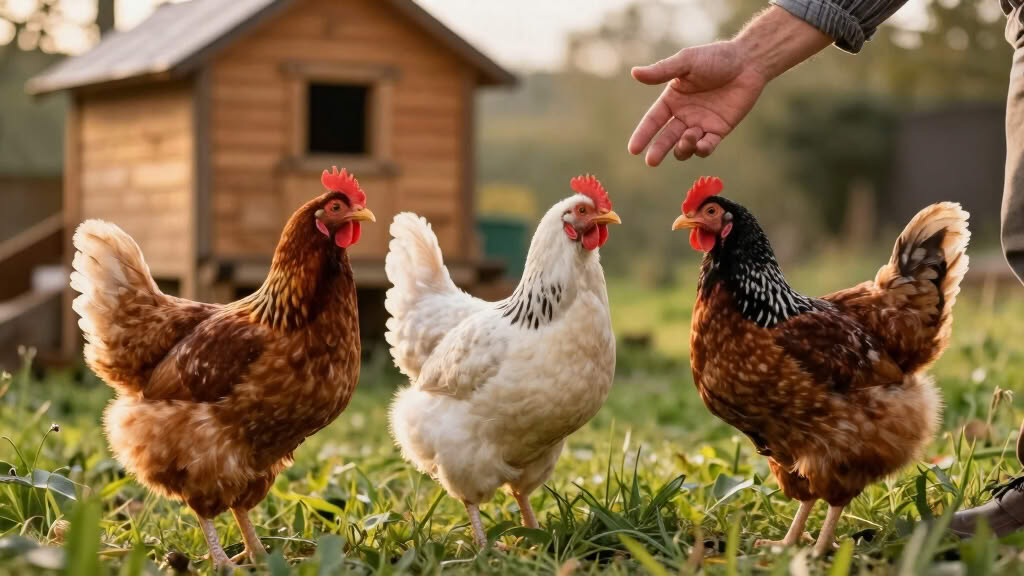
Starting with three chickens is the sweet spot for beginners: enough birds to establish a healthy flock dynamic without overwhelming new keepers. When learning how to choose your first three chickens, prioritize cold-hardy, dual-purpose breeds with calm temperaments like Rhode Island Reds, Plymouth Rocks, or Buff Orpingtons. All three should be hens (no roosters) unless local laws require otherwise, and buying pullets (young hens around 16-20 weeks old) gives you the best balance of hardiness and egg production timeline.
Key Takeaways
- Start with three hens to establish flock dynamics while keeping costs and workload manageable for beginners
- Choose beginner-friendly breeds like Rhode Island Reds, Plymouth Rocks, or Buff Orpingtons that tolerate mistakes and varying climates
- Buy pullets aged 16-20 weeks for the best combination of health, socialization, and time-to-first-egg
- Mixing breeds works well and actually provides learning opportunities about different temperaments and egg colors
- Budget $150-$400 total for three chickens plus basic coop setup, feeders, and first month of supplies
- Verify local laws first since many municipalities restrict flock size, require permits, or ban roosters entirely
- Inspect for health signs including bright eyes, clean vents, smooth feathers, and active behavior before purchasing
- Plan for loss by understanding quarantine protocols before adding replacement birds to your established flock
- Avoid high-maintenance breeds like Silkies, Polish, or game birds for your first experience
What Are the Best Chicken Breeds for Beginners?
The best chicken breeds for beginners are Rhode Island Reds, Plymouth Rocks (Barred Rocks), Buff Orpingtons, Australorps, and Sussex. These breeds tolerate beginner mistakes, adapt to various climates, lay consistently (200-280 eggs per year), and have calm, friendly temperaments that make daily handling easier.
Here’s why these breeds stand out:
Rhode Island Reds are the workhorse of backyard flocks. They lay large brown eggs reliably, handle cold winters and hot summers, and forage efficiently to reduce feed costs. They’re slightly more independent than other breeds but rarely aggressive toward keepers.
Plymouth Rocks (Barred Rocks) combine excellent egg production with docile personalities. Their distinctive black-and-white striped feathers make them easy to identify, and they’re particularly good with children. They go broody occasionally, which can be a learning opportunity or minor inconvenience depending on your goals.
Buff Orpingtons are the golden retrievers of chickens: large, fluffy, and exceptionally friendly. They lay well in their first two years and tolerate confinement better than most breeds, making them ideal for smaller urban yards. Their only drawback is a tendency toward broodiness and slightly lower egg counts than Rhode Island Reds.
Australorps hold egg-laying records and thrive in hot climates. Their glossy black feathers with green sheen are stunning, and they’re quieter than many breeds, which helps with neighbor relations.
Sussex chickens are curious, personable, and come in several color varieties. They’re excellent foragers and maintain steady egg production even in winter when many breeds slow down.
Choose one of these breeds if: You want predictable behavior, consistent eggs, and a bird that won’t require special care or climate-controlled housing.
Should I Get All Hens or a Rooster Too?
Get all hens for your first three chickens. Roosters are unnecessary for egg production, often illegal in residential areas, create noise complaints, and can become aggressive as they mature. Hens establish a peaceful pecking order without a rooster and will lay unfertilized eggs just as reliably.
The only reasons to consider a rooster:
- You want to hatch chicks (requires an incubator or broody hen)
- You have acreage far from neighbors
- Local predator pressure is extreme and you want the rooster’s protective instincts
- Your municipality requires a rooster-to-hen ratio (rare but exists in some areas)
For beginners in typical suburban or urban settings, roosters add complexity without benefits. Hens are quieter (they still cluck and make “egg songs” but nothing like a rooster’s crow), safer around children, and won’t spur or challenge you during feeding time.
Common mistake: Buying “straight run” chicks (unsexed) to save money. You’ll likely end up with at least one rooster, forcing you to rehome or cull birds you’ve already bonded with. Pay the extra $2-5 per bird for sexed pullets.
How Much Does It Cost to Buy Three Chickens and Setup?
Expect to spend $150-$400 total for three chickens and basic startup equipment. The chickens themselves cost $15-$30 each for common breeds as pullets, while a small pre-built coop runs $200-$400, or $50-$150 if you build from salvaged materials.
Here’s a realistic breakdown:
| Item | Budget Option | Mid-Range Option |
|---|---|---|
| Three pullets (16-20 weeks) | $45-$60 | $60-$90 |
| Coop (4×3 ft minimum) | $50 DIY | $200-$400 pre-built |
| Feeder & waterer | $15 | $30-$50 |
| Bedding (first month) | $10 | $15 |
| Starter feed (50 lb) | $18 | $25 organic |
| Nesting boxes | $0 (use buckets) | $40 |
| Fencing/run materials | $30 | $100-$200 |
| Total | $168-$183 | $470-$820 |
Ongoing monthly costs run $20-$35 for three chickens, covering feed ($15-$25), bedding ($5-$8), and occasional health supplies.
Money-saving tips:
- Buy pullets in spring when hatcheries have surplus inventory
- Check Craigslist or Facebook Marketplace for people downsizing flocks (inspect carefully for health)
- Build a simple coop from pallets or repurpose a large dog house
- Split a 50-pound feed bag with another chicken keeper to avoid waste
Budget more if: You live in an area with extreme weather requiring insulated coops, or if you want automatic doors, heated waterers, or premium organic feed.
What Size Coop Do I Need for 3 Chickens?
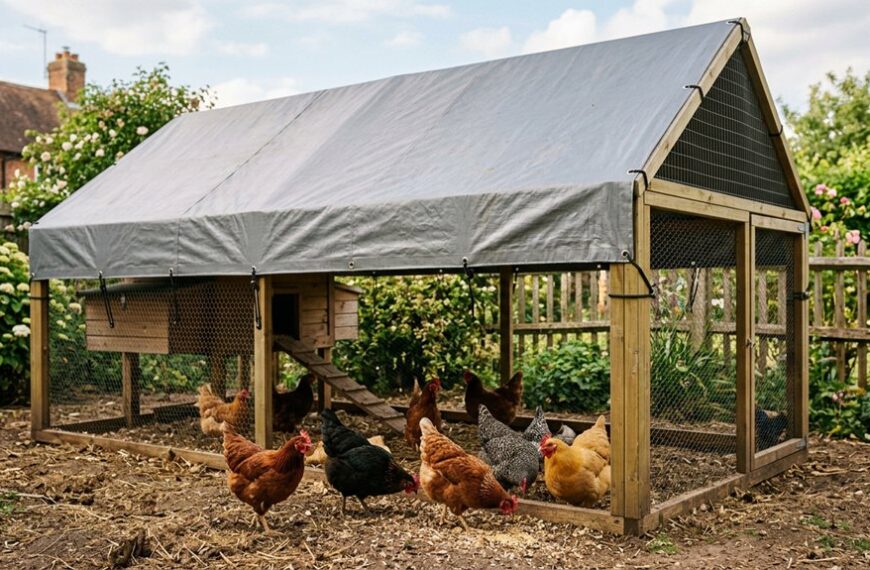
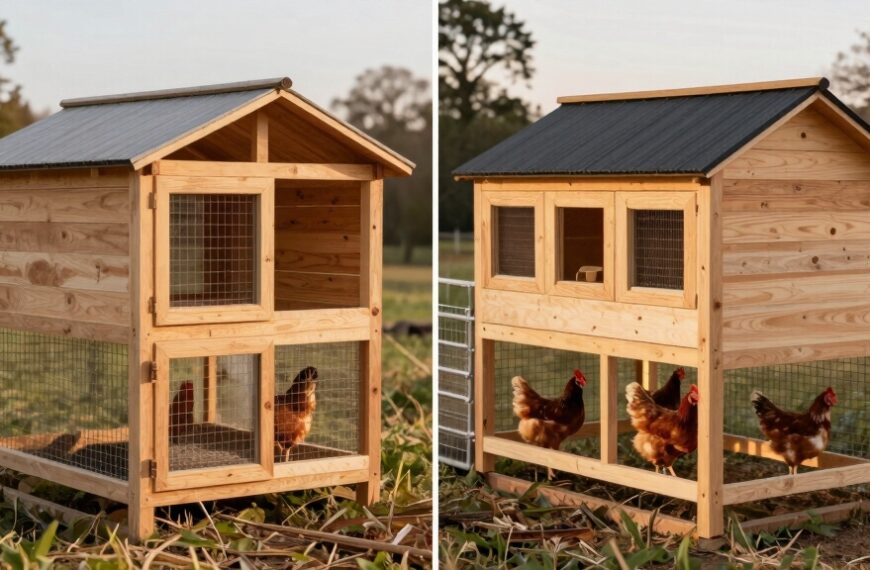
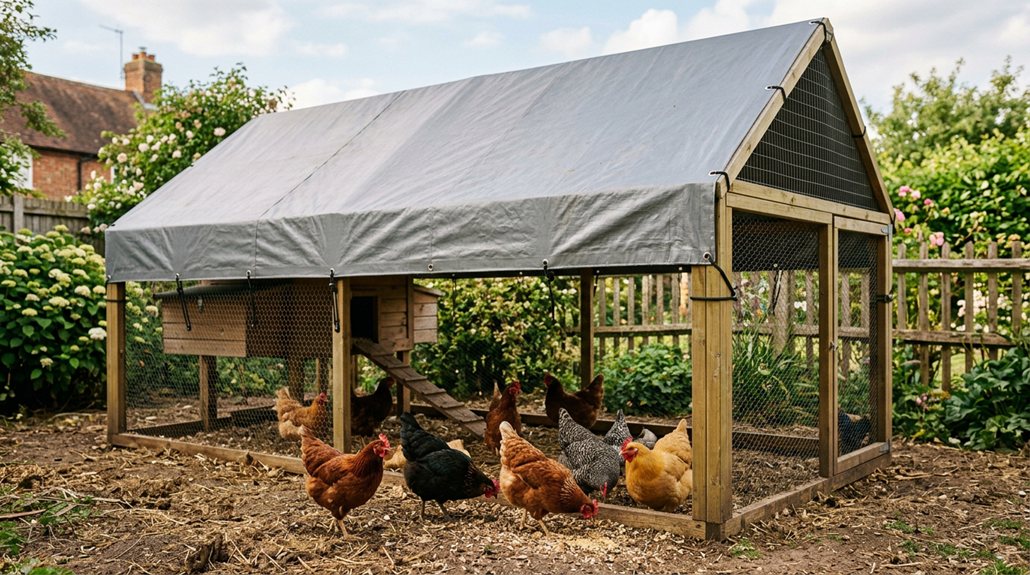
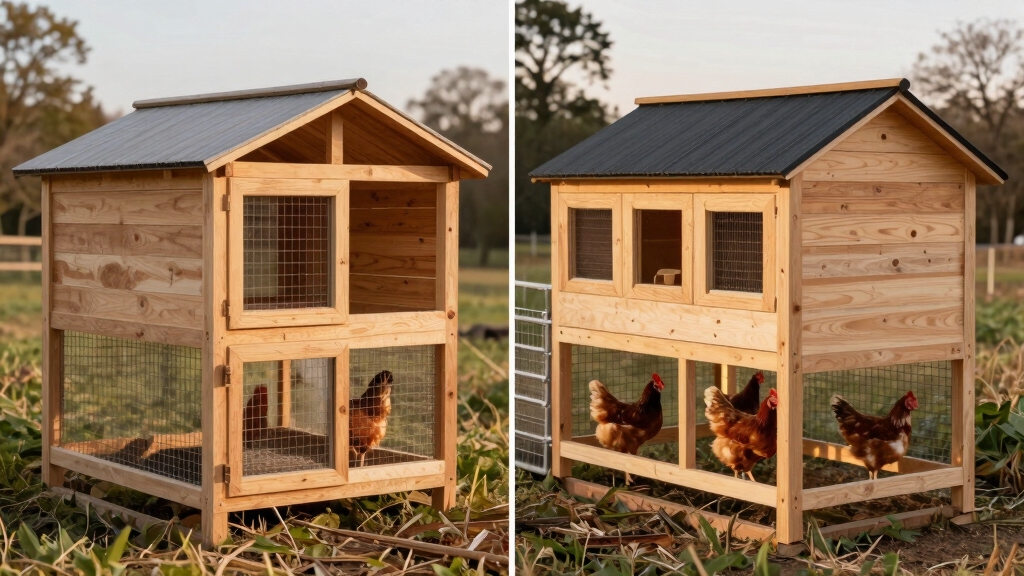
A coop for three chickens needs a minimum of 12 square feet of interior space (4 ft x 3 ft) plus 30 square feet of outdoor run space (10 sq ft per bird). This assumes your chickens will have daily access to the run; if they’re confined to the coop full-time, you need 30 square feet of interior space instead.
The formula: 4 square feet per bird inside the coop, 10 square feet per bird in the run.
Your coop also needs:
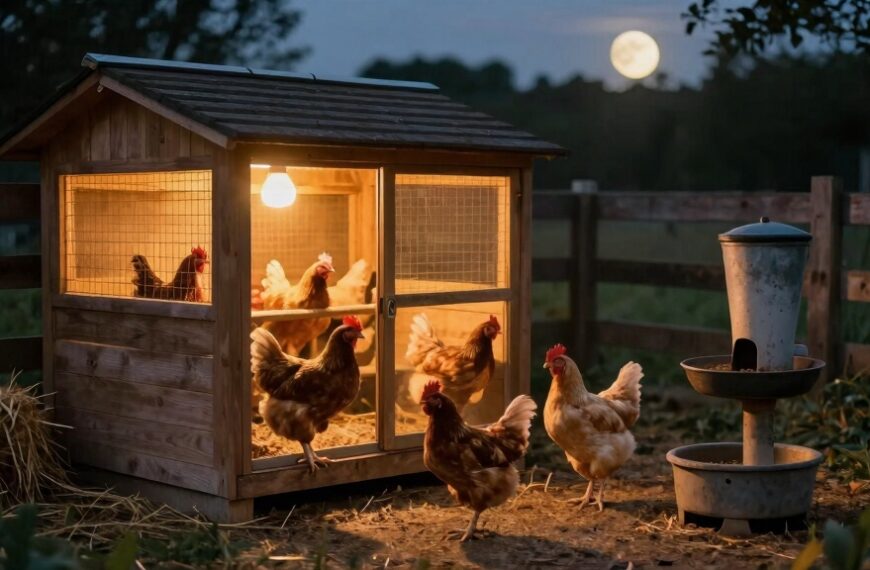
- Three nesting boxes (one per bird, though they’ll likely share favorites) at 12×12 inches each
- 6-9 inches of roost bar space per bird (18-27 inches total), placed higher than nesting boxes
- Ventilation near the roof to prevent ammonia buildup and respiratory issues
- Predator-proof latches (raccoons can open simple hooks)
Common mistake: Buying a coop advertised “for 6 chickens” and assuming it’s spacious for three. Manufacturers often calculate based on 2 square feet per bird, which leads to overcrowding, feather picking, and stress. Always verify actual interior dimensions.
Choose a larger coop if: You live in a climate with long winters where birds stay inside for days, or if you suspect you’ll expand your flock within a year (most beginners do). Building or buying for 5-6 birds from the start saves money long-term.
Can I Keep Chickens in My Backyard Legally?
Most suburban areas allow backyard chickens with restrictions, but you must check your specific city ordinances, county codes, and homeowners association (HOA) rules before buying birds. Typical restrictions include flock size limits (often 4-6 hens), rooster bans, minimum setbacks from property lines (5-25 feet), and permit requirements.
How to verify your local laws:
- Search “[your city name] chicken ordinance” or check your municipal code website under “animals” or “livestock”
- Call your city’s code enforcement or animal control office and ask specifically about backyard poultry
- Review your HOA covenants if applicable (HOAs can ban chickens even where city law allows them)
- Check county regulations if you live in an unincorporated area
Red flags that chickens might not be allowed:
- Your property is zoned “residential” with no agricultural exemptions
- Local laws classify chickens as “livestock” rather than “pets”
- Minimum lot size requirements (some areas require 1+ acre)
If chickens are currently banned: Attend city council meetings, connect with local chicken-keeping groups, and present ordinances from similar-sized cities that successfully allow hens. Many municipalities have updated outdated laws in recent years as backyard poultry gained popularity.
Neighbor relations matter: Even where legal, talk to adjacent neighbors before getting chickens. Addressing concerns about noise, smell, and predators proactively prevents complaints that could trigger enforcement even in legal situations.
Do I Need 3 of the Same Breed or Can I Mix Them?
Mixing breeds works beautifully for beginners and actually provides advantages over a single-breed flock. Different breeds lay different colored eggs (brown, white, blue, green), have varying temperaments that balance flock dynamics, and give you firsthand experience comparing breed characteristics for future expansion.
Benefits of a mixed flock:
- Egg basket variety: A Rhode Island Red, Ameraucana, and Leghorn give you brown, blue, and white eggs
- Temperament balance: Pairing a calm Orpington with a more active Australorp creates stable flock dynamics
- Learning opportunity: You’ll quickly discover which breed traits (foraging ability, cold tolerance, friendliness) matter most to you
- Visual identification: Different breeds are easier to tell apart when monitoring health and behavior
The only reason to buy three of the same breed: You’re planning to breed chickens or show them, which isn’t recommended for first-timers anyway.
Avoid mixing: Bantams (miniature chickens) with standard-sized breeds in your first flock. The size difference can lead to bullying, and bantams have different space and care requirements. Stick with three standard-sized breeds for your first experience.
Good beginner combinations:
- Rhode Island Red + Buff Orpington + Barred Rock (all calm, cold-hardy, brown eggs)
- Australorp + Ameraucana + Sussex (varied colors, excellent layers, friendly)
- Wyandotte + Orpington + Leghorn (mix of docile and active personalities)
Rhode Island Red vs Plymouth Rock for First Time Owners
Both Rhode Island Reds and Plymouth Rocks are excellent first chickens, but Plymouth Rocks (Barred Rocks) are slightly better for families with children or keepers who prioritize handling and friendliness. Rhode Island Reds edge ahead for keepers focused on maximum egg production and feed efficiency.
Side-by-side comparison:
| Trait | Rhode Island Red | Plymouth Rock |
|---|---|---|
| Eggs per year | 250-280 | 200-250 |
| Temperament | Independent, assertive | Docile, friendly |
| Cold hardiness | Excellent | Excellent |
| Heat tolerance | Very good | Good |
| Foraging ability | Excellent (lower feed costs) | Good |
| Broodiness | Rare | Occasional |
| Child-friendly | Good | Excellent |
| Noise level | Moderate | Quiet |
Choose Rhode Island Reds if: You want maximum eggs, have limited space for foraging, and prefer birds that don’t require daily interaction.
Choose Plymouth Rocks if: You have children who want to hold chickens, value a quieter flock, or want a bird that enjoys human company.
Best option for most beginners: Get one of each, plus a third breed like a Buff Orpington. This gives you the productivity of the Rhode Island Red, the friendliness of the Plymouth Rock, and a third data point for comparison.
How to Tell If a Chicken Is Healthy When Buying
A healthy chicken has bright, alert eyes, clean nostrils, smooth feathers with no bald patches, a clean vent (rear end), and active, curious behavior. Avoid birds that are lethargic, have discharge from eyes or nostrils, show labored breathing, or have dirty, matted feathers around the vent.
Detailed health checklist:
Eyes and head:
- Eyes should be clear, round, and alert (not cloudy, sunken, or crusty)
- Comb and wattles should be vibrant red (pale combs indicate anemia or illness)
- Nostrils should be dry with no bubbles or discharge
- Beak should be smooth and properly aligned
Body and feathers:
- Feathers should lie smooth and glossy (ruffled feathers indicate illness)
- No bald patches except during normal molting season (late summer/fall)
- Breast bone should have good muscle coverage (not protruding sharply)
- Legs should be smooth with evenly colored scales (raised scales suggest mites)
Behavior:
- Bird should be active and curious about its surroundings
- Should move away when approached (not lethargic or unresponsive)
- Breathing should be quiet (wheezing or gasping indicates respiratory disease)
- Droppings should be firm with white urates (watery or bloody droppings are red flags)
Vent area (under the tail):
- Should be clean and dry
- Fluffy feathers, not matted or stained
- No swelling or redness
Questions to ask the seller:
- What are they currently eating? (Helps you transition feed gradually)
- Have they been vaccinated for Marek’s disease? (Common and deadly)
- How old are they exactly? (Affects when they’ll start laying)
- Have there been any illnesses in the flock? (Honesty here is crucial)
Red flag sellers: Anyone who won’t let you inspect birds closely, has visibly sick birds in the same space, or can’t answer basic questions about age and care.
Where to Buy Chickens: Local vs Online Hatcheries
For your first three chickens, buy locally from a reputable breeder, feed store, or established backyard keeper rather than ordering from online hatcheries. Local purchases let you inspect birds for health, avoid shipping stress and mortality, and get immediate advice from experienced keepers in your climate.
Local sources:
Feed stores (spring only): Tractor Supply, local co-ops, and farm stores sell chicks March-June. Pros: convenient, inexpensive ($3-$5 per chick), vaccinated. Cons: limited breed selection, must raise from day-old chicks (8-week commitment before they go outside), often straight-run (unsexed).
Local breeders: Find them through Craigslist, Facebook Marketplace, or county fair poultry shows. Pros: can buy started pullets (16-20 weeks), inspect parent flock health, get breed-specific advice. Cons: more expensive ($20-$30 per bird), must verify breeder reputation.
Backyard keepers downsizing: Often the best deal for beginners. Pros: mature hens already laying, sometimes includes equipment, very affordable ($10-$20). Cons: older birds (check age), must quarantine before adding to your flock, limited breed choice.
Online hatcheries:
When to use them: You want rare breeds, need specific hatch dates, or live in areas with no local sources.
Reputable hatcheries: Murray McMurray, Meyer Hatchery, Cackle Hatchery, My Pet Chicken (specializes in small orders).
Drawbacks: Minimum orders (often 4-6 chicks), shipping stress causes 5-10% mortality, can’t inspect before purchase, must be home on delivery day, chicks arrive needing immediate setup.
Best approach for beginners: Buy your first three locally as started pullets (16-20 weeks old). Once you have experience, order from hatcheries to add specific breeds.
Which Chicken Breeds Are Not Good for First Timers?
Avoid Silkies, Polish, Sebrights, Old English Game birds, and most bantam breeds for your first flock. These breeds require extra care, have health vulnerabilities, can be aggressive, or have traits that complicate basic chicken keeping for beginners.
Breeds to skip and why:
Silkies: Their fluffy feathers aren’t waterproof, so they can’t free-range in rain or snow. They’re also frequently broody (stop laying to sit on eggs), have poor vision due to head feathers, and are vulnerable to predators. Great as a third or fourth breed once you have experience, terrible as your only chickens.
Polish: The dramatic head crest blocks their vision, making them flighty and easily stressed. They’re also prone to head injuries from flock mates and require special waterers to keep crests clean.
Sebrights and most bantams: Too small to integrate safely with standard breeds, produce tiny eggs, and are often flighty and nervous. Their small size also makes them more vulnerable to predators and cold stress.
Old English Game and other game birds: Bred for aggression, they often fight with flock mates and can be dangerous to handlers. Not suitable for family flocks.
Leghorns (with caveats): Excellent layers but extremely flighty and nervous. They don’t tolerate confinement well and rarely become friendly. Fine as part of a mixed flock for experienced keepers, overwhelming as a first bird.
Breeds requiring special care:
- Frizzles: Feathers curl outward, reducing insulation (need climate control)
- Naked Necks: Unusual appearance can trigger bullying in mixed flocks
- Cochins: Heavily feathered feet collect mud and feces (require extra cleaning)
Stick with: Rhode Island Reds, Plymouth Rocks, Orpingtons, Australorps, Sussex, Wyandottes, and Ameraucanas for your first year. Once you understand basic chicken behavior and health, you can experiment with specialty breeds.
Are Bantam Chickens Good for Beginners with Small Yards?
Bantam chickens are not ideal for first-time keepers, even in small yards. While they require less space (2-3 square feet per bird instead of 4), they’re often flighty, produce very small eggs, and can’t be mixed with standard breeds, limiting your future flock flexibility.
Bantam drawbacks for beginners:
- Tiny eggs: Bantam eggs are 1/3 to 1/2 the size of standard eggs, so you need more birds to get equivalent production
- Nervous temperament: Most bantams are more skittish than standard breeds, making them harder to handle and catch
- Cold sensitivity: Smaller body mass means less cold tolerance despite their size advantage in heat
- Limited breed selection: Fewer bantam varieties have the calm, beginner-friendly temperaments you want
- Integration problems: If you later want to add standard-sized birds, size differences cause bullying and competition issues
When bantams make sense: You have a truly tiny yard (under 100 square feet total), local laws restrict flock size, and you’re committed to keeping only bantams long-term. In this case, choose bantam Cochins or bantam Orpingtons, which have calmer temperaments than most miniature breeds.
Better solution for small yards: Keep three standard-sized hens in a compact coop with a small run. Breeds like Buff Orpingtons and Australorps tolerate confinement well, produce full-sized eggs, and give you more flexibility as you gain experience.
How Old Should Chickens Be When I Buy Them?
Buy pullets aged 16-20 weeks (point-of-lay) for your first three chickens. At this age, they’re fully feathered and hardy enough to go directly into an outdoor coop, socialized enough to handle easily, and will start laying eggs within 2-6 weeks of purchase.
Age comparison:
Day-old chicks (0-2 days):
- Pros: Least expensive ($3-$5), bond closely with handlers, widest breed selection
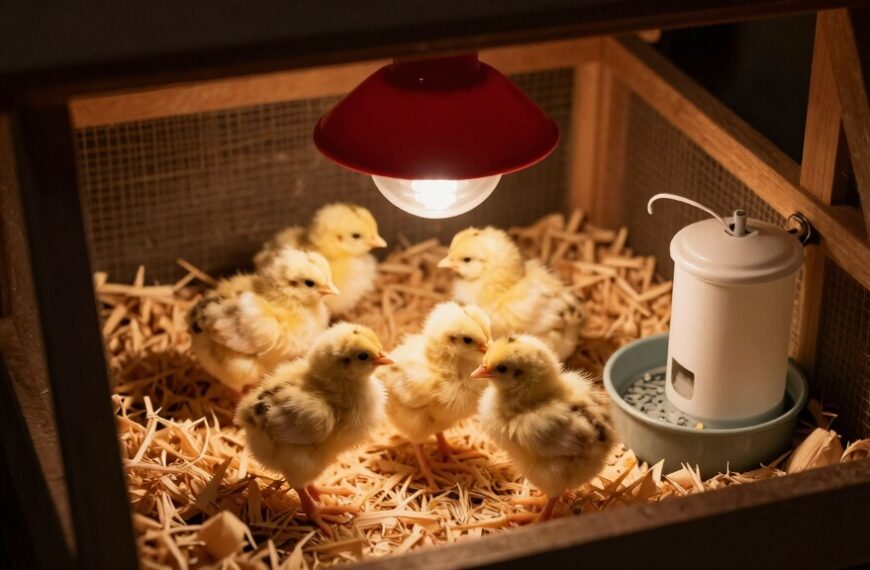
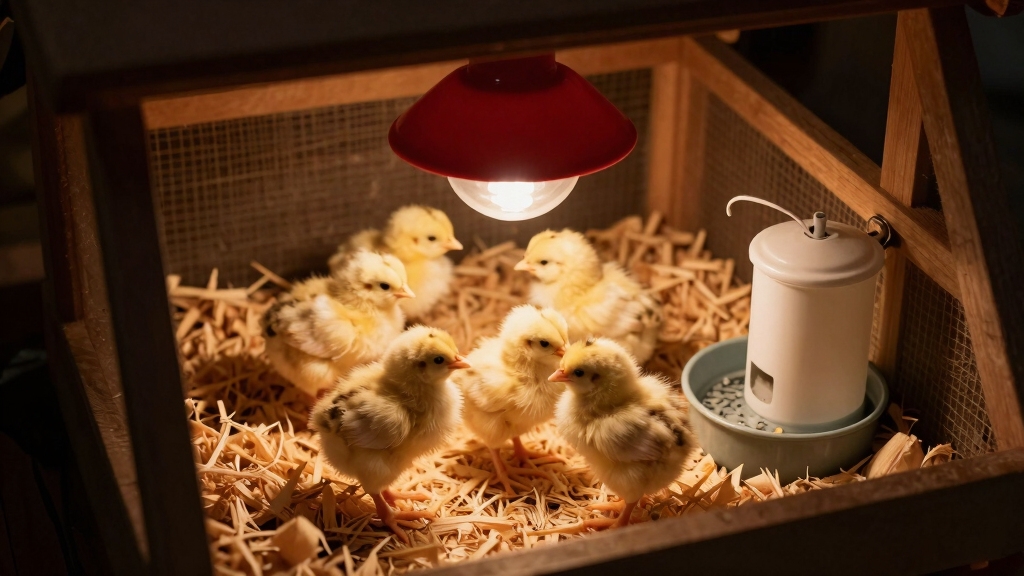
- Cons: Require 6-8 weeks of indoor brooding with heat lamp, 5-10% mortality rate, won’t lay for 5-6 months, sexing errors mean possible roosters
- Best for: Experienced keepers or those who want the full raising experience
Started pullets (8-15 weeks):
- Pros: Past fragile chick stage, no indoor brooding needed, lower cost than point-of-lay
- Cons: Still 2-3 months from laying, less available than chicks or point-of-lay birds
- Best for: Keepers who want to save money and don’t mind waiting for eggs
Point-of-lay pullets (16-20 weeks):
- Pros: Start laying within weeks, fully hardy, sex guaranteed, skip brooding entirely
- Cons: More expensive ($20-$30), less bonding time than chicks
- Best for: First-time keepers who want eggs quickly with minimal risk
Mature hens (1-3 years):
- Pros: Already laying, very inexpensive from backyard keepers downsizing, immediate eggs
- Cons: Fewer laying years remaining (hens are most productive years 1-2), may have established bad habits, health history unknown
- Best for: Experienced keepers who can assess health and integrate into existing flocks
For your first three chickens, 16-20 week pullets offer the best balance. You’ll skip the risky brooding phase, get eggs before your first winter, and still have 2-3 years of peak production ahead.
What Mistakes Do New Chicken Owners Make When Choosing Birds?
The most common mistake is buying too many chickens too fast, followed by choosing breeds based on appearance rather than temperament and climate suitability. New keepers also frequently skip health inspections, buy straight-run chicks to save money (ending up with unwanted roosters), and fail to verify local laws before purchasing.
Top 10 beginner mistakes:
Starting with 6+ chickens: Overwhelming for first-timers and expensive if you discover chicken keeping isn’t for you. Three is the ideal learning number.
Choosing breeds for looks alone: That stunning Polish chicken with the crazy hairdo can’t see predators and requires special care. Prioritize temperament and hardiness first.
Buying straight-run chicks: Saving $2 per bird isn’t worth the 50% chance of roosters you can’t keep. Always buy sexed pullets.
Skipping health inspection: Buying sight-unseen from online photos leads to sick birds and vet bills that dwarf the purchase price.
Ignoring climate needs: Mediterranean breeds (Leghorns, Minorcas) suffer in cold climates; heavy breeds (Brahmas, Cochins) struggle in heat.
Mixing bantams and standards: Size differences cause feeding competition and bullying. Stick with one size category.
Buying from feed stores without asking questions: Those cute chicks might be straight-run, unvaccinated, or breeds unsuitable for your goals.
Adding new birds without quarantine: Introducing disease to your flock because you skipped the 30-day quarantine period for new arrivals.
Impulse buying at farm auctions: Sick birds are often dumped at auctions. Only buy from auctions if you can assess health and have quarantine space.
Not planning for roosters: Even sexed chicks have 5-10% error rates. Know your plan (rehome, process, or keep) before buying.
Avoid these mistakes by: Starting with three sexed pullets of beginner-friendly breeds from a local source you can inspect, verifying they’re healthy, and confirming your local laws allow chickens before bringing them home.
What If One of My Three Chickens Dies: How Do I Add More Later?
If you lose a chicken, wait until you have at least two birds remaining before adding replacements, and always introduce new birds using a 30-day quarantine followed by a gradual integration process. Never add a single new chicken directly to your existing flock, as the established pecking order will result in severe bullying.
Step-by-step replacement process:
1. Quarantine new birds (30 days):
- House new chickens in a separate coop at least 40 feet from your existing flock
- Watch for signs of illness (respiratory symptoms, lethargy, abnormal droppings)
- This prevents introducing diseases like Marek’s, coccidiosis, or respiratory infections
2. Visual introduction (1 week):
- Move the quarantine pen within sight of your main flock
- Birds can see and hear each other but not make physical contact
- This reduces stress during actual integration
3. Supervised integration:
- Add new birds to the main coop at night when everyone is calm
- Place them on the roost next to existing birds
- Monitor closely for the first 3-5 days, especially at feeding time
4. Manage the pecking order:
- Provide multiple feeding and watering stations to reduce competition
- Add hiding spots (branches, boxes) so new birds can escape bullying
- Some chasing and pecking is normal; intervene only if you see blood or a bird being prevented from eating
Important rules:
- Always add at least two new birds (never just one, which becomes a target)
- Match ages roughly (don’t add chicks to a flock of mature hens)
- Add birds in spring or fall when temperatures are mild and stress is lower
- Expect 1-2 weeks of adjustment before the flock settles
If you’re down to one chicken: You have two options. Either add two new birds (following the process above) to rebuild to three, or rehome your single bird to an existing flock and start over. Single chickens are stressed and unhealthy long-term, as they’re flock animals.
Prevention: Most chicken losses in the first year come from predators (secure your coop with hardware cloth, not chicken wire) or untreated illness (find an avian vet before you need one).
FAQ
How many chickens should a beginner start with?
Three chickens is the ideal starting number for beginners. It’s enough to establish healthy flock dynamics (chickens are social and stressed alone), provides a steady supply of eggs (2-3 per day once laying), and keeps costs and daily workload manageable while you learn.
Can I keep just two chickens instead of three?
Yes, two chickens can work, but three is better. If one dies or becomes ill, you’re not left with a single stressed bird. Three also provides more stable flock dynamics and better egg production consistency. The cost difference between two and three birds is minimal ($20-30).
Do I need a rooster for my hens to lay eggs?
No, hens lay eggs without a rooster. Roosters are only necessary if you want fertilized eggs to hatch chicks. Most backyard keepers never need a rooster, and many municipalities ban them due to noise.
What’s the easiest chicken breed for absolute beginners?
Buff Orpingtons are the easiest breed for absolute beginners due to their exceptionally calm temperament, tolerance of handling, and forgiveness of beginner mistakes. They’re also cold-hardy and lay well for the first 2-3 years.
How long do backyard chickens live and lay eggs?
Backyard chickens live 5-10 years on average, but egg production peaks in years 1-3 and declines significantly after year 4. Most hens lay consistently for 2-3 years, then gradually reduce output while remaining healthy pets.
Should I buy chicks or adult chickens?
First-time keepers should buy point-of-lay pullets (16-20 weeks old) rather than day-old chicks or adult hens. Pullets are hardy, skip the risky brooding phase, and start laying within weeks, giving you the best learning experience without overwhelming complexity.
Can I mix different chicken breeds in one coop?
Yes, mixing breeds works well and is actually recommended for beginners. Different breeds provide egg variety, balanced flock temperament, and help you learn which characteristics matter most for future flock expansion. Avoid mixing bantams with standard-sized breeds.
What happens if I accidentally get a rooster?
If you discover you have a rooster (crowing starts around 4-6 months), you’ll need to rehome him, return him to the seller, or process him for meat if legal and you’re comfortable doing so. Many hatcheries and feed stores will accept returns or exchanges.
How much space do three chickens need in a backyard?
Three chickens need a minimum of 12 square feet of coop space (4 sq ft per bird) plus 30 square feet of outdoor run space (10 sq ft per bird). A typical setup is a 4×3 ft coop with an attached 6×5 ft run, totaling about 42 square feet.
What’s the monthly cost to keep three chickens?
Expect $20-35 per month for three chickens, covering feed ($15-25), bedding ($5-8), and occasional health supplies. Costs are higher in winter (heated waterers, more feed) and lower in summer when birds forage more.
Do chickens need vaccinations?
Marek’s disease vaccination is highly recommended and typically done at hatcheries before chicks are sold. Other vaccinations (Newcastle, infectious bronchitis) are optional for small backyard flocks. Ask your seller about vaccination status before purchasing.
Can I let my three chickens free-range in my yard?
Free-ranging is possible if your yard is securely fenced and you’re home to supervise, but most backyard keepers use a covered run for safety. Free-ranging increases predator risk, allows chickens to damage gardens, and may violate local ordinances about chickens leaving your property.
Conclusion
Learning how to choose your first three chickens sets the foundation for years of successful backyard poultry keeping. Start with three sexed pullets aged 16-20 weeks from beginner-friendly breeds like Rhode Island Reds, Plymouth Rocks, or Buff Orpingtons. Verify your local laws before purchasing, inspect birds carefully for health, and prepare a properly sized coop (12 square feet minimum) before bringing them home.
Mixing breeds provides valuable learning opportunities and egg variety, while avoiding high-maintenance breeds like Silkies or bantams prevents frustration during your first year. Budget $150-$400 for initial setup and $20-35 monthly for ongoing care.
Your next steps:
- Check your municipal code and HOA rules to confirm chickens are allowed
- Decide on three beginner-friendly breeds that suit your climate and goals
- Prepare or purchase a coop meeting minimum space requirements
- Source local sellers (breeders, feed stores, or backyard keepers) and inspect birds before buying
- Bring your three pullets home and enjoy fresh eggs within 2-6 weeks
The journey from choosing your first three chickens to collecting your first eggs takes just weeks, but the skills and enjoyment last for years. Start small, choose wisely, and you’ll quickly discover why millions of households have embraced backyard chicken keeping.