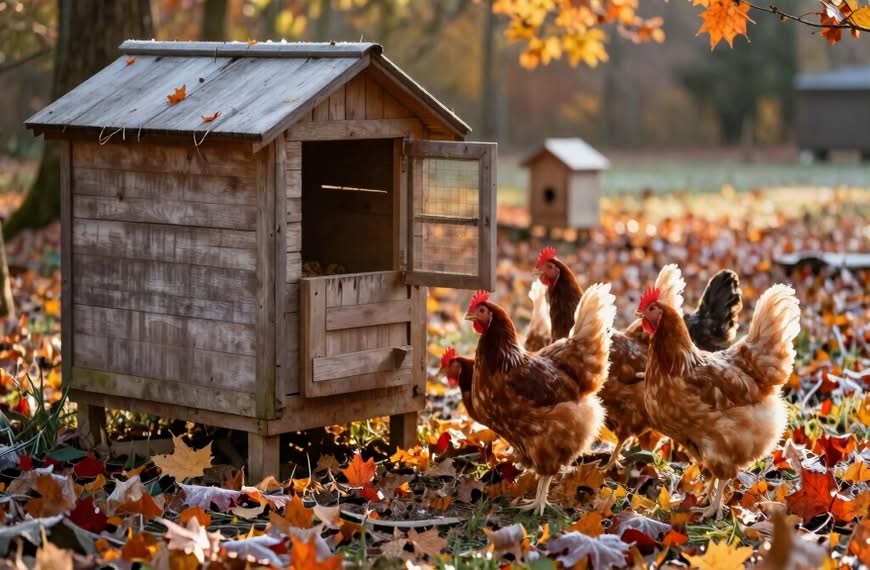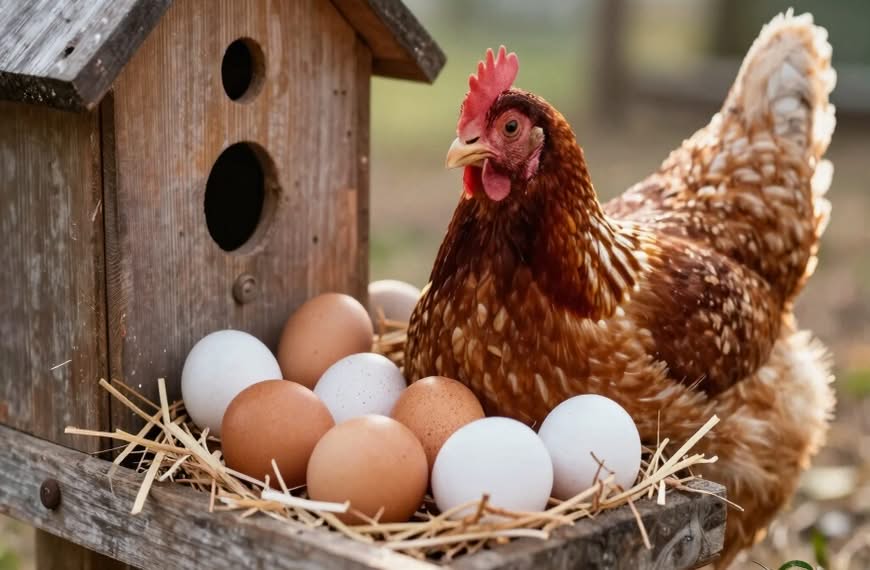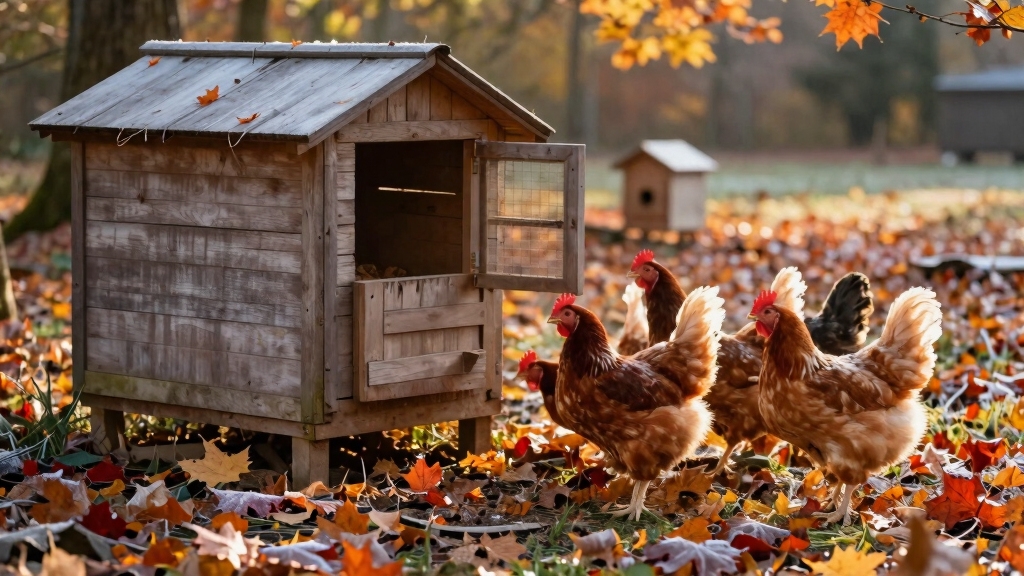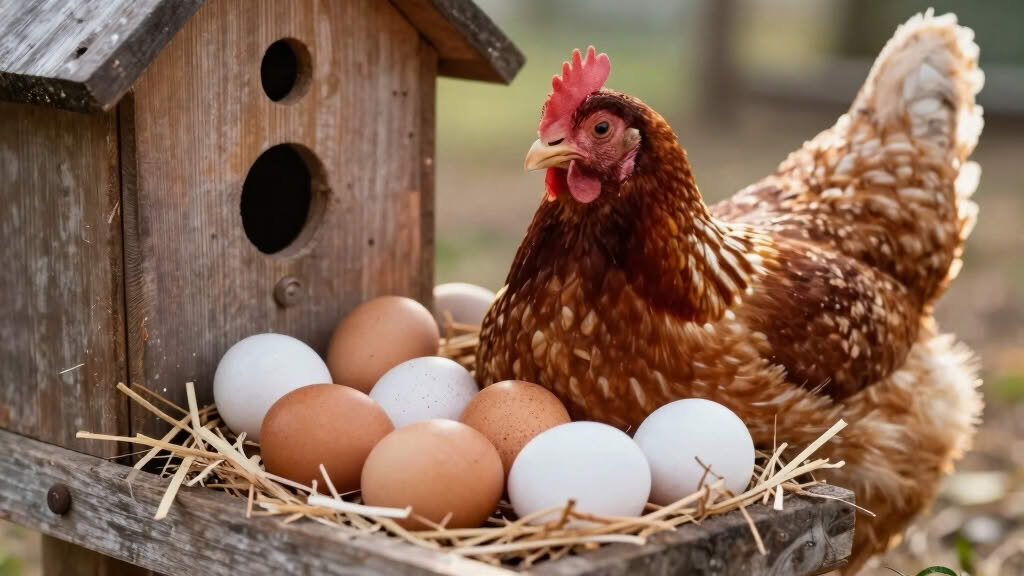
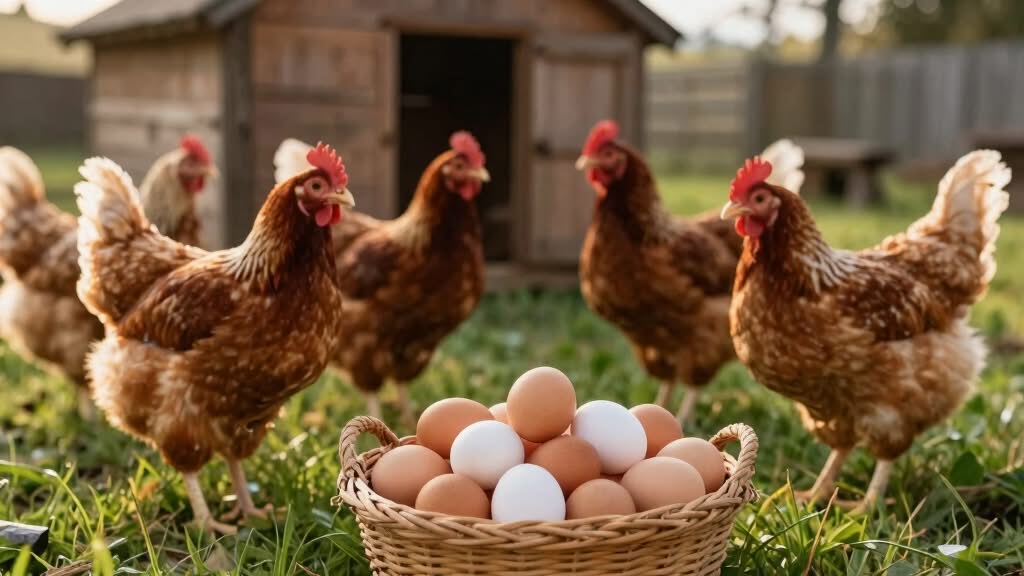
Most backyard chicken keepers need 3 to 4 laying hens to reliably produce a dozen eggs per week. This number accounts for natural variations in laying frequency, seasonal slowdowns, and the occasional off day that even the best layers experience. The exact number depends on your chicken breed, their age, diet quality, and environmental conditions.
Key Takeaways
- Three to four hens typically produce 12-14 eggs per week under good conditions
- Healthy laying hens produce 4-6 eggs per week on average, with peak production at 6-18 months of age
- Breed selection matters: Rhode Island Reds, Leghorns, and Australorps are among the most consistent layers
- Seasonal variation reduces winter egg production by 20-50% without supplemental lighting
- No rooster required: Hens lay unfertilized eggs without male chickens present
- Production drops naturally after 2-3 years, though hens can lay for 5-7 years total
- Plan for 5-6 chickens if you want two dozen eggs weekly for a larger household
- Feed quality, daylight hours, stress levels, and health directly impact how many eggs your flock produces
- Cost comparison: Home egg production typically costs $3-5 per dozen when factoring in feed and care
- Common mistakes like poor nutrition, inadequate water, or overcrowding can cut production in half
How Many Eggs Does One Chicken Lay Per Week on Average?
A healthy laying hen produces 4 to 6 eggs per week during her peak production years, which translates to roughly 200-280 eggs annually. Most backyard breeds average about 5 eggs per week under optimal conditions, though this varies significantly by breed, age, and season.
Peak production occurs between 6 and 18 months of age, when pullets (young hens) begin their laying cycle and maintain consistent output. During this golden period, many hens lay nearly every day, taking only occasional rest days.
Factors affecting weekly egg count:
- Breed genetics: High-production breeds like Leghorns can lay 6-7 eggs weekly, while heritage breeds like Silkies may only lay 2-3
- Age of the hen: First and second-year layers produce most consistently
- Season and daylight: Hens need 14-16 hours of light daily for optimal production
- Nutrition quality: Layer feed with 16-18% protein supports consistent laying
- Stress and health: Illness, predator threats, or flock disruption interrupt laying cycles
Common mistake: New chicken keepers often expect daily eggs from every hen year-round. In reality, even excellent layers take rest days, molt annually (stopping production for 2-3 months), and slow down significantly in winter without artificial lighting.
Choose 4 hens if you want a reliable dozen eggs weekly without cutting it too close. This buffer accounts for the natural variability every backyard flock experiences.
What Chicken Breeds Are Best for Consistent Egg Production?
Rhode Island Reds, Leghorns, Australorps, and Golden Comets rank among the top breeds for reliable egg production in backyard settings. These breeds consistently lay 250-300 eggs per year and adapt well to various climates and management styles.
Top laying breeds for home flocks:
| Breed | Eggs/Year | Egg Color | Temperament | Best For |
|---|---|---|---|---|
| Rhode Island Red | 250-300 | Brown | Hardy, friendly | Beginners, cold climates |
| Leghorn | 280-320 | White | Active, independent | Maximum production |
| Australorp | 250-280 | Brown | Calm, docile | Family flocks |
| Golden Comet | 250-300 | Brown | Friendly, heat-tolerant | Warm climates |
| Barred Plymouth Rock | 200-280 | Brown | Gentle, cold-hardy | Dual-purpose flocks |
| Sussex | 250-280 | Light brown | Curious, friendly | Backyard foraging |
Production hybrids like Golden Comets, Red Stars, and Black Stars are specifically bred for egg output and typically outperform heritage breeds in their first two years. However, they often decline faster after age three compared to heritage breeds that maintain moderate production longer.
Heritage breeds like Orpingtons, Wyandottes, and Plymouth Rocks lay fewer eggs (180-220 annually) but offer other benefits: better longevity, broodiness for hatching chicks, and dual-purpose meat potential. Choose heritage breeds if sustainability and flock replacement matter more than maximum egg count.
Decision rule: Pick high-production hybrids if you want the most eggs from the fewest birds in years 1-3. Choose heritage breeds if you value flock longevity, natural reproduction, and a more self-sufficient system over peak output.
Do Chickens Lay Eggs Year Round or Does It Vary by Season?
Chickens naturally reduce or stop laying during winter months when daylight drops below 14 hours per day. Most backyard hens experience a 20-50% production decline from November through February in temperate climates, with some breeds stopping entirely without supplemental lighting.
Seasonal laying patterns:
- Spring and summer (peak season): Hens lay 5-6 eggs weekly with abundant natural daylight
- Fall (transition): Production gradually decreases as days shorten; many hens molt and stop laying for 2-3 months
- Winter (low season): Egg output drops to 2-3 per week or stops completely without artificial light
- Late winter/early spring: Production naturally rebounds as daylight increases
Daylight triggers egg production through the hen’s pituitary gland, which responds to light exposure by releasing hormones that stimulate ovulation. When days shorten below 14 hours, this biological signal weakens and laying slows or stops.
Supplemental lighting options:
Many chicken keepers add artificial light in the coop to maintain winter production. A timer-controlled light that extends “daylight” to 14-16 hours can keep hens laying through winter. However, this practice has trade-offs: it prevents the natural rest period that helps hens maintain long-term health and productivity.
Common mistake: Adding light suddenly or inconsistently stresses hens and disrupts laying more than natural seasonal patterns. If using supplemental light, introduce it gradually in early fall and maintain a consistent schedule.
Choose natural cycles if you value hen longevity and don’t mind seasonal egg shortages. Use supplemental lighting if you need consistent year-round production and plan to replace your flock every 2-3 years anyway.
How Many Chickens Do You Need for a Dozen Eggs a Week?
Three to four hens will reliably produce a dozen eggs per week for most backyard chicken keepers. This number provides a comfortable buffer for natural variation in laying frequency, seasonal slowdowns, and the occasional hen taking a break.
Calculating your flock size:
- For 1 dozen eggs/week: Keep 3-4 hens (assuming 4-5 eggs per hen weekly)
- For 2 dozen eggs/week: Keep 5-6 hens
- For 3 dozen eggs/week: Keep 8-10 hens
Why the buffer matters: Even during peak production, not every hen lays every day. A flock of three hens might produce 12-15 eggs one week and only 9-11 the next, depending on weather, stress, diet changes, or individual laying cycles. Four hens smooth out these fluctuations and ensure you consistently hit your dozen-egg target.
Age distribution strategy: Smart chicken keepers stagger their flock ages by adding 2-3 new pullets every 1-2 years. This approach maintains consistent production as older hens slow down, preventing the boom-and-bust cycle that occurs when an entire flock ages together.
Example flock for steady production:
- 2 hens in their first year (peak layers): 10-12 eggs weekly
- 2 hens in their second year (still strong): 8-10 eggs weekly
- 1-2 older hens (3+ years, slower production): 4-6 eggs weekly
- Total: 22-28 eggs weekly from a mixed-age flock of 5-6 birds
This mixed-age approach provides surplus eggs during peak months (for sharing or preserving) while maintaining your minimum dozen even when some hens molt or slow down.
How Many Chickens Do I Need for 2 Dozen Eggs Per Week?
Five to six laying hens will produce approximately two dozen eggs per week under good management conditions. This flock size accounts for natural variation and ensures consistent output for families who consume more eggs or want surplus for baking, sharing, or selling.
Production math for larger flocks:
- 6 hens × 4.5 eggs per week average = 27 eggs weekly
- 5 hens × 5 eggs per week (peak production) = 25 eggs weekly
- Buffer for seasonal dips, molting, or individual variation
Space and resource requirements scale up:
- Coop space: Minimum 3-4 square feet per hen indoors (18-24 sq ft total for 6 hens)
- Run space: 8-10 square feet per hen outdoors (48-60 sq ft for 6 hens)
- Nesting boxes: 1 box per 3-4 hens (2 boxes sufficient for 6 hens)
- Feed consumption: 6 hens eat approximately 1.5-2 pounds of layer feed daily
- Water: 6 hens drink 1.5-2 gallons daily, more in hot weather
Cost considerations for larger flocks: Feed costs for six hens typically run $25-40 monthly depending on feed quality and local prices. This brings your cost per dozen to approximately $2.50-3.50 when eggs are plentiful, not counting initial setup costs for coop and equipment.
Decision rule: Keep 5-6 hens if your household uses 2+ dozen eggs weekly, you want extras for preservation (freezing, water glassing), or you plan to share or sell surplus eggs to offset feed costs.
What Affects How Often Chickens Lay Eggs?
Daylight exposure, nutrition quality, age, stress levels, and health status are the five primary factors that determine how frequently chickens lay eggs. Understanding and optimizing these variables can mean the difference between sporadic production and a reliable daily harvest.
Key factors in detail:
1. Daylight and lighting
Hens need 14-16 hours of light daily for optimal laying. Shorter days trigger reduced production as a natural energy-conservation response. Consistent light schedules matter more than total hours, sudden changes disrupt laying cycles.
2. Nutrition and feed quality
Layer feed with 16-18% protein, adequate calcium (3-4%), and balanced vitamins supports consistent egg production. Poor nutrition shows up quickly: thin shells, smaller eggs, or skipped laying days. Free-choice oyster shell supplements help hens regulate their calcium intake.
3. Age and production cycle
Pullets begin laying at 18-24 weeks old, reach peak production by 8-12 months, and maintain strong output through year two. Production drops 10-20% annually after age two, with significant decline after year four.
4. Stress and environment
Predator threats, overcrowding, extreme temperatures, flock bullying, frequent moves, or loud noises all trigger stress responses that interrupt laying. Hens need stable, safe conditions to maintain production.
5. Health and parasites
Internal parasites (worms), external parasites (mites, lice), respiratory infections, or reproductive issues stop or reduce laying. Regular health checks and preventive care maintain production.
6. Molting cycles
Hens naturally molt (shed and regrow feathers) annually, typically in fall. During the 2-3 month molt period, egg production stops completely as the hen redirects protein to feather growth.
7. Broodiness
Some breeds become broody (wanting to hatch eggs) and stop laying while sitting on a nest for 3-4 weeks. Breaking broodiness quickly restores laying, but some heritage breeds go broody repeatedly.
Common mistake: Chicken keepers often blame breed or age when production drops, overlooking environmental stressors like inadequate water access, poor ventilation causing ammonia buildup, or subtle predator pressure that keeps hens on edge.
Are 3 Chickens Enough for a Family of 4?
Three chickens can provide enough eggs for a family of four if the household consumes approximately one dozen eggs per week or fewer. This works out to about 3 eggs per person weekly, which covers breakfast eggs a few times per week plus occasional baking or cooking needs.
Consumption patterns to consider:
- Light egg users (1-2 eggs per person weekly): 2-3 hens sufficient
- Moderate users (3-4 eggs per person weekly): 3-4 hens recommended
- Heavy users (5+ eggs per person weekly, frequent baking): 5-6 hens needed
Real-world example: A family of four eating eggs for breakfast three mornings per week (12 eggs) plus using 4-6 eggs for weekend baking or meal prep needs 16-18 eggs weekly. Three hens in peak production (15-18 eggs weekly) barely cover this, while four hens (20-24 eggs) provide comfortable surplus.
Seasonal considerations matter: Those same three hens that produce 15 eggs weekly in summer might only yield 8-10 eggs in winter without supplemental lighting. Families relying on exactly three hens often face shortages during low-production months.
Buffer benefits: Adding a fourth hen costs only slightly more in feed and space but eliminates the stress of egg shortages when one hen molts, goes broody, or takes a break. The extra eggs during peak season can be preserved (frozen, water-glassed, or pickled) for winter use.
Decision rule: Keep 3 hens if your family uses fewer than 12 eggs weekly and you’re comfortable buying store eggs occasionally. Keep 4-5 hens if you want year-round self-sufficiency and surplus for preservation or sharing.
Why Did My Chickens Stop Laying Eggs Suddenly?
Sudden egg production drops typically result from stress, environmental changes, molting, illness, or nutritional deficiencies. Identifying the specific cause requires observing your flock’s behavior, checking their living conditions, and ruling out health issues systematically.
Most common causes of sudden laying stops:
Environmental and stress triggers:
- Predator pressure: Even unsuccessful predator attempts (raccoons, hawks, dogs) stress hens enough to stop laying for days or weeks
- Coop changes: Moving coops, adding new birds, or rearranging nesting boxes disrupts routines
- Extreme weather: Heat waves above 90°F or cold snaps below 20°F trigger production pauses
- Shortened daylight: Fall’s decreasing light hours cause gradual then sudden stops
Health and nutrition issues:
- Parasites: Heavy worm loads or mite infestations drain energy and stop laying
- Illness: Respiratory infections, reproductive disorders, or systemic disease halt production
- Poor nutrition: Running out of layer feed, switching feed brands abruptly, or calcium deficiency
- Dehydration: Frozen or empty waterers stop laying within 24-48 hours
Natural biological causes:
- Molting: Annual feather replacement stops laying for 8-12 weeks, typically starting in fall
- Broodiness: Hens wanting to hatch eggs stop laying and sit on nests constantly
- Age: Hens over 3-4 years may stop for extended periods or permanently
Troubleshooting steps:
- Check water first: Ensure clean, unfrozen water is available 24/7
- Examine feed: Verify you’re using layer feed (not grower or scratch) with proper protein and calcium
- Inspect birds: Look for mites, lice, injuries, or signs of illness (lethargy, discharge, labored breathing)
- Assess environment: Check for predator signs, overcrowding, poor ventilation, or extreme temperatures
- Review recent changes: New birds, coop moves, construction noise, or schedule disruptions
- Consider timing: Is it fall (molting season) or winter (short days)?
Recovery timeline: Most stress-related stops resolve within 1-2 weeks once the trigger is removed. Molt-related stops last 2-3 months. Illness-related stops require treatment and may take weeks to months for full recovery.
Common mistake: Assuming older hens have “stopped forever” when they’re actually molting or responding to seasonal changes. Even 4-5 year old hens typically resume some laying after winter or molt, though at reduced frequency.
How Long Do Chickens Lay Eggs Before Production Drops?
Chickens maintain peak egg production for approximately 18-24 months, typically from when they start laying at 5-6 months old through their second year of life. After this peak period, production gradually declines by 10-20% annually, though most hens continue laying at reduced rates for 5-7 years total.
Production timeline by age:
- 0-5 months (pullet stage): No eggs; bird is growing and maturing
- 5-6 months: First eggs begin, often small and irregular
- 6-18 months (peak production): Maximum output, 5-6 eggs weekly for high-production breeds
- 18-30 months (year two): Strong production continues, 4-5 eggs weekly
- 30-42 months (year three): Noticeable decline, 3-4 eggs weekly
- 42+ months (year four and beyond): Significant drop, 1-3 eggs weekly, increasingly irregular
Breed differences in longevity:
Production hybrids (Golden Comets, Red Stars, commercial strains) are bred for intense early output but decline sharply after 2-3 years. Many keepers replace these birds at 2-3 years when production drops below 50% of peak.
Heritage breeds (Orpingtons, Wyandottes, Plymouth Rocks) lay fewer eggs at peak but maintain moderate production longer, often laying sporadically into years 6-8. These breeds offer better longevity for keepers who value flock stability over maximum output.
Flock management strategies:
Option 1: Rolling replacement
Add 2-3 new pullets annually, cull or rehome oldest hens when they drop below desired production. Maintains consistent egg supply with a mixed-age flock of 5-7 birds.
Option 2: Batch replacement
Keep entire flock for 2-3 years of peak production, then replace all birds at once. Requires managing boom-and-bust egg cycles but simplifies flock management.
Option 3: Retirement flock
Keep hens as pets after production drops, accepting reduced egg output. Works for small flocks where birds are valued as individuals, not just production units.
Economic consideration: A hen eating $5-7 of feed monthly while laying only 4-8 eggs monthly (year 4+) costs $7-10 per dozen in feed alone. Compare this to peak layers producing eggs for $2-3 per dozen to decide when replacement makes sense.
Do You Need a Rooster for Hens to Lay Eggs?
No, hens lay eggs without a rooster present. Egg production is a natural biological function that occurs regardless of fertilization. Roosters are only necessary if you want fertilized eggs for hatching chicks, not for regular egg consumption.
How egg laying works:
Female chickens develop and release eggs (ovulate) on a roughly 24-26 hour cycle controlled by hormones and daylight exposure. This process happens whether or not sperm is present to fertilize the egg. The eggs backyard keepers collect and eat are unfertilized, identical in nutrition and taste to fertilized eggs.
Rooster pros and cons:
Benefits of keeping a rooster:
- Fertilized eggs allow natural flock replacement through hatching
- Roosters protect hens from predators and alert to threats
- They maintain flock order and reduce hen-to-hen aggression
- Some keepers enjoy the traditional farm aesthetic and crowing
Drawbacks of roosters:
- Noise complaints from neighbors (crowing starts before dawn)
- Many urban and suburban areas prohibit roosters by ordinance
- Roosters can be aggressive toward people, especially during breeding season
- They may over-mate hens, causing feather loss and stress
- No benefit to egg production for eating
Common misconception: New chicken keepers sometimes believe hens need a rooster to “start” laying or that eggs without a rooster are nutritionally inferior. Neither is true, unfertilized eggs are identical to fertilized eggs in every way except the presence of a tiny germinal disc.
Decision rule: Skip the rooster if you only want eggs for eating, have close neighbors, or live in an area with rooster restrictions. Keep a rooster only if you want to hatch chicks, have adequate space and tolerant neighbors, and are prepared to manage potential aggression.
What Are Common Mistakes That Reduce Egg Production in Backyard Chickens?
Poor nutrition, inadequate water access, overcrowding, and inconsistent care routines are the most frequent mistakes that cut backyard egg production by 30-50%. Many of these issues are easily corrected once identified, making them valuable troubleshooting targets for disappointed chicken keepers.
Top production-killing mistakes:
1. Wrong feed type or poor nutrition
Feeding scratch grains, cracked corn, or all-purpose feed instead of layer feed (16-18% protein) reduces laying significantly. Scratch is a treat, not a complete diet. Layer feed must be the primary food source, available free-choice all day.
2. Insufficient or inconsistent water
Hens need constant access to clean water, they’ll stop laying within 24-48 hours without it. Frozen waterers in winter, dirty water, or waterers that run dry during the day are common culprits.
3. Overcrowding and inadequate space
Cramming too many birds into too little space increases stress, aggression, and disease. Minimum standards: 3-4 square feet per bird in the coop, 8-10 square feet per bird in the run. More space is always better.
4. Dirty, dark, or stressful nesting boxes
Hens avoid laying in dirty, crowded, or exposed nesting boxes. Provide 1 box per 3-4 hens, keep them clean with fresh bedding, and place them in quiet, darker areas of the coop.
5. Inconsistent feeding schedules
Running out of feed, switching brands abruptly, or feeding at wildly different times daily stresses hens and disrupts laying. Maintain consistent feed availability and brand.
6. Ignoring parasite control
Mites, lice, and internal worms drain energy and stop production. Regular coop cleaning, dust baths, and periodic deworming prevent infestations.
7. Collecting eggs irregularly
Letting eggs pile up in nesting boxes can trigger broodiness in some hens. Collect eggs at least once daily, twice in hot weather to prevent spoilage.
8. Adding new birds without quarantine
Introducing new chickens without a 30-day quarantine period risks spreading disease to your existing flock, potentially stopping production for weeks or months.
9. Inadequate ventilation
Poor airflow causes ammonia buildup from droppings, leading to respiratory issues that reduce laying. Coops need ventilation near the roof line, not drafts at bird level.
10. Expecting year-round peak production
Pushing hens with artificial lighting year-round without allowing natural rest periods (molting, winter slowdown) can burn out their reproductive systems and shorten productive lifespan.
Quick fix checklist:
- Switch to quality layer feed with 16-18% protein
- Ensure 24/7 access to clean, unfrozen water
- Verify minimum space requirements are met
- Add calcium supplement (oyster shell) free-choice
- Collect eggs daily
- Check for and treat parasites
- Maintain consistent care routines
Most backyard flocks respond to these corrections within 1-2 weeks, resuming normal production once stressors are removed.
How Much Does It Cost to Keep Chickens for Eggs vs Buying Eggs?
Home egg production typically costs $3-5 per dozen when accounting for feed, bedding, and routine care, compared to $3-7 per dozen for store-bought eggs in 2026. The economics favor home production mainly for those who value egg quality, freshness, and the chicken-keeping experience beyond pure cost savings.
Initial setup costs:
- Basic coop and run: $300-800 (DIY) or $800-3,000 (pre-built)
- Feeders and waterers: $40-80
- Starter flock (4 pullets): $60-120
- Bedding, feed, and supplies: $50-100
- Total initial investment: $450-4,000 depending on setup quality
Ongoing monthly costs (4-hen flock):
- Layer feed (50 lbs/month): $15-25
- Bedding (pine shavings, straw): $10-15
- Grit and oyster shell: $3-5
- Occasional health supplies: $5-10
- Total monthly: $33-55
- Per dozen cost (at 4-5 dozen monthly): $2.75-4.50
Break-even timeline:
With a modest DIY setup ($500-800), break-even occurs after 12-18 months if comparing to premium organic eggs ($6-7/dozen). Comparing to conventional store eggs ($3-4/dozen), you may never truly break even on cost alone.
Hidden costs often overlooked:
- Coop repairs and maintenance
- Predator-proofing upgrades
- Veterinary care for sick or injured birds
- Replacement birds every 2-3 years
- Time investment (30-60 minutes daily for care)
Value beyond dollars:
Most backyard chicken keepers cite non-financial benefits as their primary motivation:
- Egg quality: Fresher eggs with richer yolks from varied diet
- Animal welfare: Control over how birds are raised and treated
- Food security: Independence from supply chain disruptions
- Education: Teaching children about food sources and animal care
- Entertainment: Chickens provide daily enjoyment and stress relief
- Sustainability: Composting manure, reducing food waste through scraps
Decision rule: Keep chickens if you value fresh, high-quality eggs and enjoy animal husbandry, not purely for cost savings. The economics work best when comparing to premium organic or pasture-raised eggs, not conventional store brands.
Can Chickens Lay More Than One Egg Per Day?
No, chickens cannot lay more than one egg per day under normal biological conditions. The egg formation process takes approximately 24-26 hours from ovulation to laying, making it physically impossible for a hen to produce multiple eggs in a single day.
The egg formation timeline:
- Hour 0-1: Ovulation occurs; yolk is released from ovary
- Hour 1-3: Yolk enters oviduct; fertilization would occur here if rooster present
- Hour 3-7: Albumen (egg white) layers form around yolk
- Hour 7-20: Shell membranes and hard shell form in shell gland
- Hour 20-26: Bloom (protective coating) applied; egg is laid
This 24-26 hour cycle means most hens lay at roughly the same time each day, gradually shifting slightly later until they skip a day and reset the cycle.
Why the myth persists:
Chicken keepers sometimes find two eggs in a nesting box and assume one hen laid both. In reality, multiple hens often share favorite nesting boxes, and two different hens laid those eggs hours apart.
Rare abnormalities:
Very occasionally, a hen may lay a tiny, yolk-less “fairy egg” or “fart egg” within hours of a normal egg. This occurs when a piece of tissue or small object triggers the egg-formation process without an actual yolk present. These are abnormalities, not normal double-laying.
Maximum production reality:
The best a hen can achieve is 7 eggs in 7 days during peak production, though 5-6 eggs per week is more typical even for excellent layers. Hens naturally take rest days as part of their laying cycle.
What to Feed Chickens to Increase Egg Laying?
Layer feed with 16-18% protein, supplemented with free-choice calcium and occasional protein-rich treats, forms the optimal diet for maximum egg production. The foundation must be quality commercial layer feed, which provides balanced nutrition specifically formulated for laying hens.
Core diet components:
1. Layer feed (primary food source)
Complete layer pellets or crumbles should make up 80-90% of daily intake. Look for:
- 16-18% protein content
- 3-4% calcium for strong shells
- Balanced vitamins and minerals
- Avoid “all flock” or “grower” feeds for laying hens
2. Calcium supplementation
Provide oyster shell or crushed eggshells free-choice in a separate container. Hens self-regulate calcium intake based on their needs. Inadequate calcium causes thin shells or internal laying problems.
3. Grit
Chickens need insoluble grit (small stones) to grind food in their gizzards. Free-range birds find natural grit; confined birds need it provided.
Production-boosting supplements and treats (10-20% of diet):
High-protein treats:
- Mealworms (fresh or dried)
- Black soldier fly larvae
- Scrambled eggs (yes, chickens can eat eggs)
- Cooked fish or meat scraps
- Sunflower seeds (in moderation)
Nutrient-rich vegetables:
- Dark leafy greens (kale, spinach, lettuce)
- Squash and pumpkin (including seeds)
- Broccoli and cabbage
- Cooked sweet potato
Foods to avoid or limit:
Never feed:
- Avocado (toxic to chickens)
- Chocolate or caffeine
- Raw or dried beans
- Moldy or spoiled food
- Excessive salt
Limit these:
- Scratch grains and corn (low protein, high carb, treats only)
- Bread and pasta (filler with little nutrition)
- Sugary fruits (occasional treats only)
Feeding strategy for maximum production:
- Keep layer feed available free-choice 24/7
- Provide fresh water constantly (hens drink 2-3x what they eat)
- Offer calcium supplement separately
- Give protein-rich treats 2-3 times weekly
- Provide vegetable scraps daily if available
- Limit scratch grains to 1-2 tablespoons per bird daily maximum
Common feeding mistake: Overfeeding treats and scratch grains fills hens up on low-protein, nutritionally incomplete food, reducing their layer feed intake and cutting egg production. Treats should never exceed 10-20% of total diet.
Seasonal adjustments: Increase protein slightly during molt (18-20%) to support feather regrowth. Consider adding extra calories (cracked corn, sunflower seeds) in winter for cold-weather energy, but maintain protein levels.
Frequently Asked Questions
How many chickens should a beginner start with?
Beginners should start with 3-4 hens, which provides enough eggs for a small household while keeping the flock manageable for learning basic care. Starting with fewer than three is risky because chickens are social and losing one bird to illness or predation leaves a single hen isolated.
At what age do chickens start laying eggs?
Most chickens begin laying between 18-24 weeks (4-6 months) of age, depending on breed and season. Larger heritage breeds may take up to 28 weeks, while production hybrids often start at 16-18 weeks. Spring-hatched chicks typically start laying earlier than fall-hatched birds.
How long do fresh eggs last?
Unwashed eggs with intact bloom can be stored at room temperature for 2-3 weeks or refrigerated for 2-3 months. Washed eggs must be refrigerated and last 4-6 weeks. The float test (eggs that float are old) helps determine freshness of unlabeled eggs.
Do chickens need special care in winter?
Chickens are cold-hardy but need protection from wind and moisture, not necessarily heat. Provide draft-free (but ventilated) coops, unfrozen water, extra feed for energy, and dry bedding. Most breeds tolerate temperatures well below freezing without supplemental heat if kept dry.
Can you mix different chicken breeds in one flock?
Yes, different breeds coexist well in mixed flocks. Avoid extreme size differences (bantams with large fowl) that might lead to bullying. Mixing breeds provides variety in egg colors and production patterns while maintaining flock harmony.
What’s the minimum coop size for 4 chickens?
A coop for 4 chickens needs minimum 12-16 square feet of indoor space (3-4 sq ft per bird) plus 32-40 square feet of outdoor run space (8-10 sq ft per bird). More space reduces stress, aggression, and disease while improving overall production and bird welfare.
How do you know if a chicken is about to lay an egg?
Hens about to lay often spend time in nesting boxes, squat when approached, have bright red combs and wattles, and may vocalize with distinctive “egg songs” before or after laying. First-time layers may act restless or confused before finding the nesting boxes.
Is it normal for chickens to stop laying in fall?
Yes, reduced laying or complete stops in fall are normal as daylight decreases and many hens molt. This natural rest period helps hens conserve energy for feather regrowth and prepares them for winter. Production typically resumes in late winter or early spring as days lengthen.
Can you eat eggs from chickens in your backyard?
Yes, backyard chicken eggs are safe and nutritious to eat. Collect eggs daily, refrigerate promptly, and cook thoroughly like any eggs. Eggs from healthy, well-fed backyard hens often have richer yolks and better flavor than commercial eggs.
What happens to chickens when they stop laying?
When production drops significantly (typically after 3-4 years), keepers choose between keeping hens as pets, rehoming to sanctuary or pet situations, or culling for meat. Many backyard keepers maintain small retirement flocks, valuing birds beyond their production capacity.
Do chickens attract rats and mice?
Chicken feed and spilled grain attract rodents, not the chickens themselves. Prevent rodent problems by storing feed in metal containers, using treadle feeders, cleaning up spills daily, and securing coops with hardware cloth rather than chicken wire.
How much space does a chicken need to be happy?
Chickens thrive with 3-4 square feet per bird in the coop and 8-10 square feet per bird in the run as minimums. Free-range or larger spaces significantly improve bird welfare, reduce aggression, and support natural behaviors like foraging, dust bathing, and roosting.
Conclusion
Determining how many chickens you need for a dozen eggs a week comes down to a simple formula: 3-4 healthy laying hens will reliably produce 12-15 eggs weekly during most of the year. This number accounts for natural variation in laying frequency, seasonal slowdowns, and the occasional rest day that even the best layers take.
Key factors that influence your exact flock size include:
- Breed selection (high-production hybrids vs. heritage breeds)
- Age distribution of your flock
- Seasonal egg production patterns in your climate
- Whether you use supplemental lighting in winter
- Your household’s actual egg consumption needs
- Desired buffer for preservation, sharing, or selling
Take these next steps to start your egg-laying flock:
- Calculate your needs: Track your household’s weekly egg consumption for 2-3 weeks to establish a baseline
- Choose your breeds: Select 3-4 hens from reliable laying breeds like Rhode Island Reds, Australorps, or Golden Comets
- Prepare housing: Build or buy a coop with minimum 12-16 square feet for 4 hens, plus secure outdoor run space
- Source quality birds: Purchase point-of-lay pullets (16-20 weeks old) from reputable hatcheries or local breeders
- Stock supplies: Get layer feed, feeders, waterers, bedding, oyster shell, and basic first-aid supplies before birds arrive
- Plan for seasons: Decide whether you’ll use supplemental lighting or accept natural winter production drops
- Consider succession: Add 2-3 new pullets every 1-2 years to maintain consistent production as older hens slow down
The beauty of backyard chicken keeping lies not just in the fresh eggs but in the daily connection to your food source, the entertainment value of watching chicken antics, and the satisfaction of sustainable living. While three hens might technically produce your dozen eggs, starting with four provides the buffer that transforms chicken keeping from stressful egg-counting to enjoyable hobby with reliable breakfast benefits.