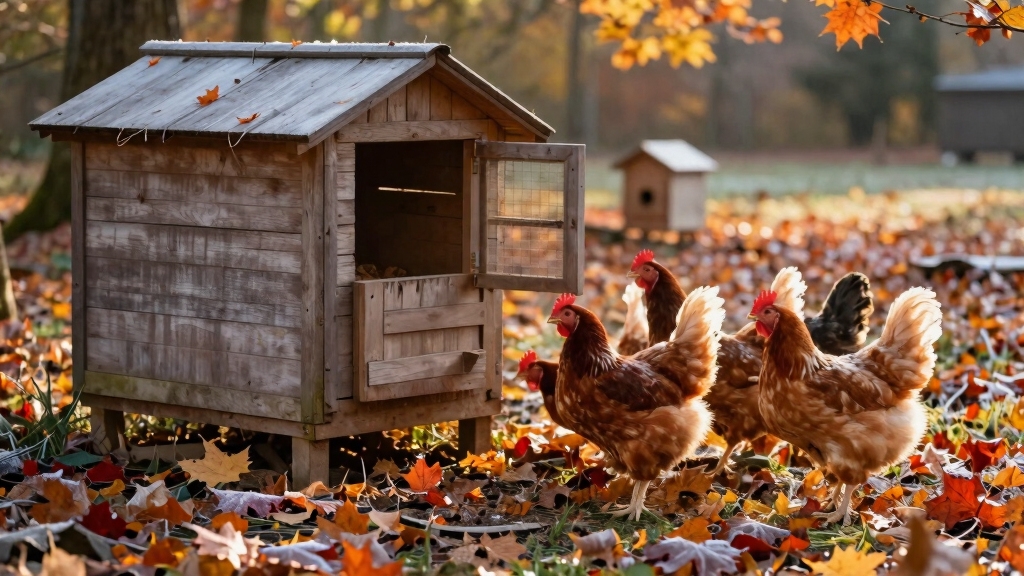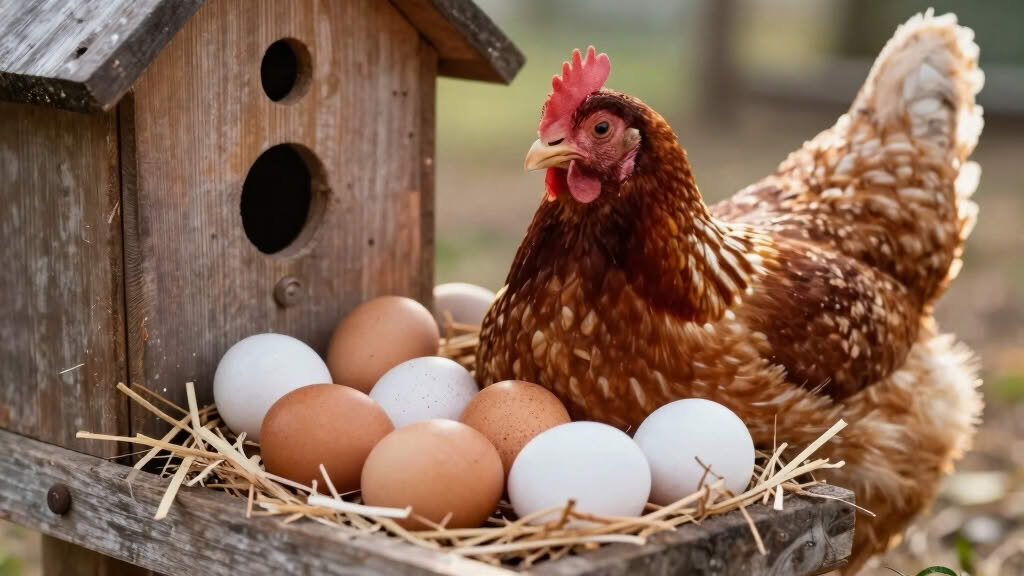
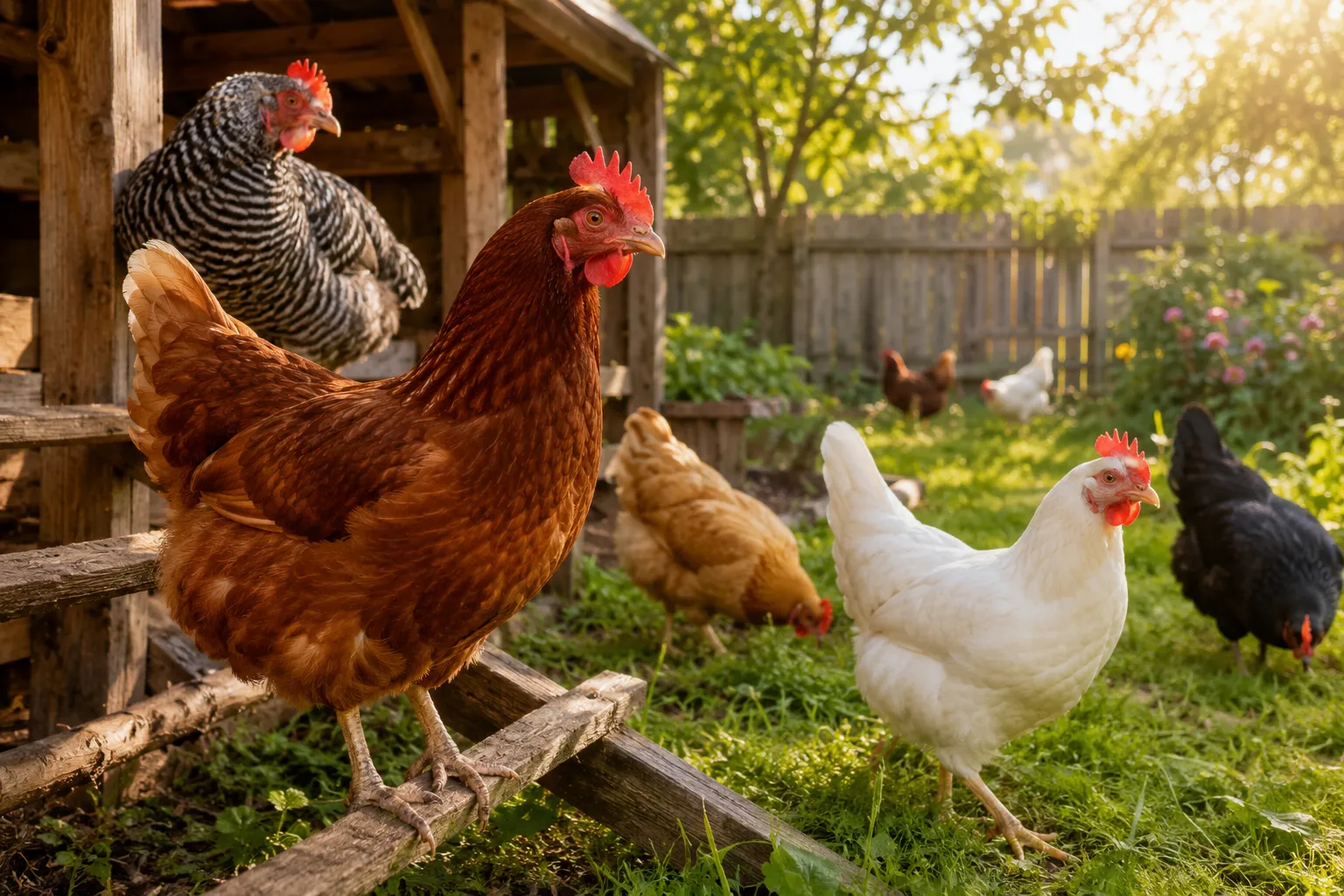
A single hen from a high-production breed can lay 250-300 eggs per year, while some heritage breeds produce fewer than 150. When choosing the best chicken breeds for eggs, production rate, climate tolerance, temperament, and cost all play critical roles in determining which birds will thrive in your backyard and keep your egg basket full.
Key Takeaways
- Leghorns lay the most eggs annually (280-320), but Rhode Island Reds offer better cold tolerance and dual-purpose value
- Production hybrids outperform heritage breeds by 50-100 eggs per year but have shorter productive lifespans
- Starter pullets cost $15-30 each, while day-old chicks run $3-7, making initial investment $60-150 for a small flock
- Chickens typically lay for 2-3 years at peak production, then decline gradually until age 5-7
- You never need a rooster for hens to lay eggs, only for fertilization
- Winter-hardy breeds like Wyandottes and Orpingtons maintain laying through cold months better than Mediterranean breeds
- Common mistakes include choosing ornamental breeds for production, overcrowding coops, and expecting year-round peak output
What Chicken Breed Lays the Most Eggs Per Year?
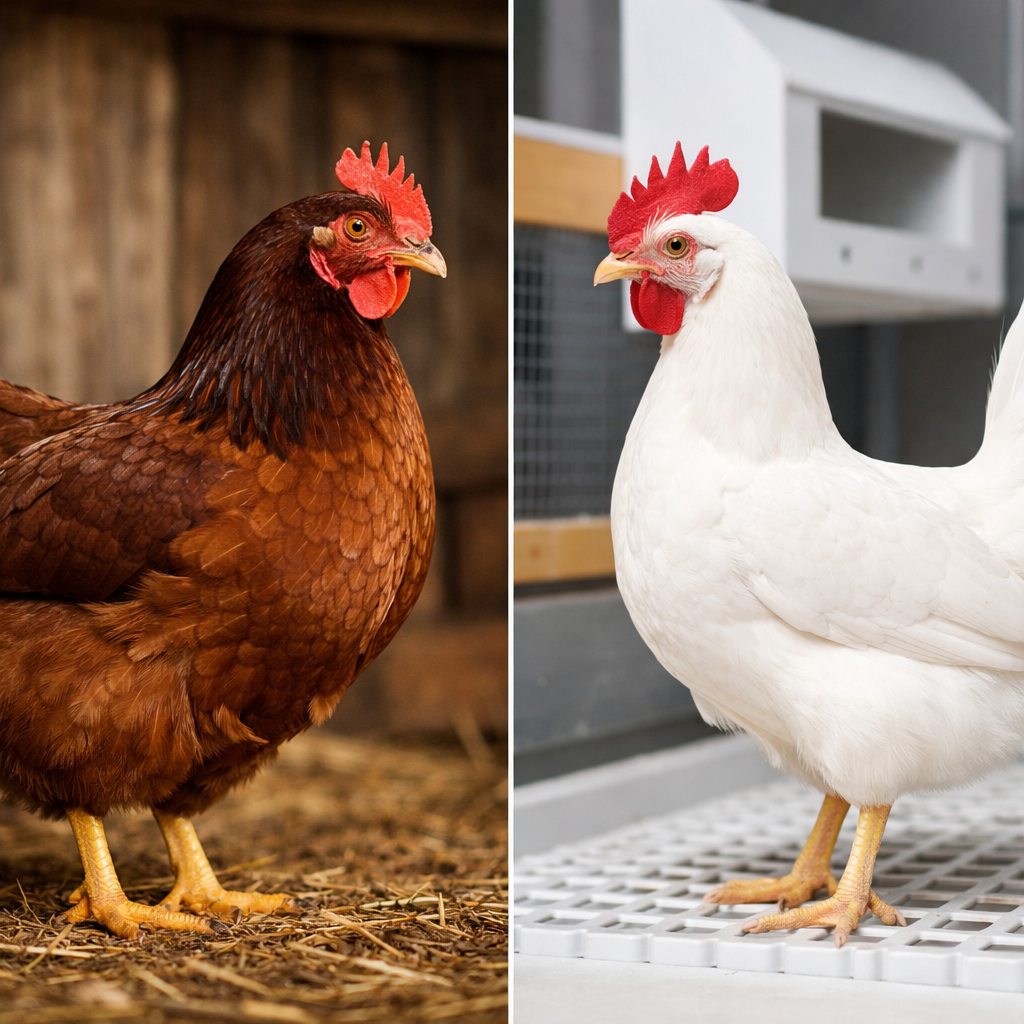
White Leghorns hold the record for egg production, laying 280-320 large white eggs annually under optimal conditions. These Mediterranean birds were bred specifically for commercial egg operations and convert feed to eggs more efficiently than any other purebred chicken.
Production hybrids like ISA Browns, Golden Comets, and Red Stars can match or slightly exceed Leghorn output in their first two years, sometimes reaching 300-330 eggs. However, these hybrids burn out faster, with production dropping sharply after age three.
Other top layers include:
- Rhode Island Reds: 250-280 brown eggs per year
- Australorps: 250-270 light brown eggs per year
- Sussex: 240-260 cream or light brown eggs per year
- Plymouth Rocks: 220-280 brown eggs per year
Choose Leghorns if you want maximum output and don’t mind flighty, independent birds. Choose production hybrids if you want peak performance for 2-3 years then plan to replace your flock. Choose Rhode Island Reds or Australorps if you want reliable layers that also handle cold weather and remain productive for 4-5 years.
Rhode Island Red vs Leghorn Egg Production
Rhode Island Reds produce 250-280 brown eggs annually, while Leghorns produce 280-320 white eggs, a difference of about 30-50 eggs per year per bird. That gap narrows significantly after year two, when Leghorns’ production drops more steeply than the hardier Rhode Island Reds.
Key differences:
| Factor | Rhode Island Red | White Leghorn |
|---|---|---|
| Annual eggs (year 1-2) | 250-280 brown | 280-320 white |
| Cold tolerance | Excellent | Poor to fair |
| Temperament | Calm, friendly | Flighty, nervous |
| Dual-purpose meat | Yes (6-8 lbs) | No (4-5 lbs) |
| Productive lifespan | 4-5 years | 2-3 years |
| Feed efficiency | Moderate | Excellent |
Rhode Island Reds thrive in cold climates, tolerate confinement better, and make better pets for families. Leghorns need more space, stress easily, and prefer warm weather but cost less to feed per dozen eggs produced.
Choose Rhode Island Reds if you live in a cold climate, want friendly birds, or plan to keep hens for more than three years. Choose Leghorns if you live in a warm area, prioritize maximum output, and don’t mind replacing your flock every 2-3 years.
How Much Does It Cost to Buy Laying Hens?
Pullets (young hens just starting to lay, 16-20 weeks old) cost $15-30 each from hatcheries and $20-40 from local breeders. Day-old chicks cost $3-7 each, but you’ll invest 4-5 months of feed and care before they start laying. Started hens (already laying, 6-12 months old) command $30-50 each because they deliver immediate egg production.
For a backyard flock of four hens:
- Chicks: $12-28 upfront, plus $40-60 in feed over 20 weeks = $52-88 total
- Pullets: $60-120 upfront, start laying within 2-4 weeks
- Started hens: $120-200 upfront, laying immediately
Rare or show-quality breeds cost significantly more,$50-150 per pullet for breeds like Ayam Cemani or Cream Legbars. Production hybrids and common heritage breeds stay at the lower end of the price range.
Common mistake: Buying the cheapest chicks without factoring in feed costs and mortality risk. Expect 5-10% losses when raising chicks, so order extras. Pullets cost more upfront but eliminate the brooding period and deliver faster return on investment.
Best Chicken Breeds for Beginners Who Want Eggs
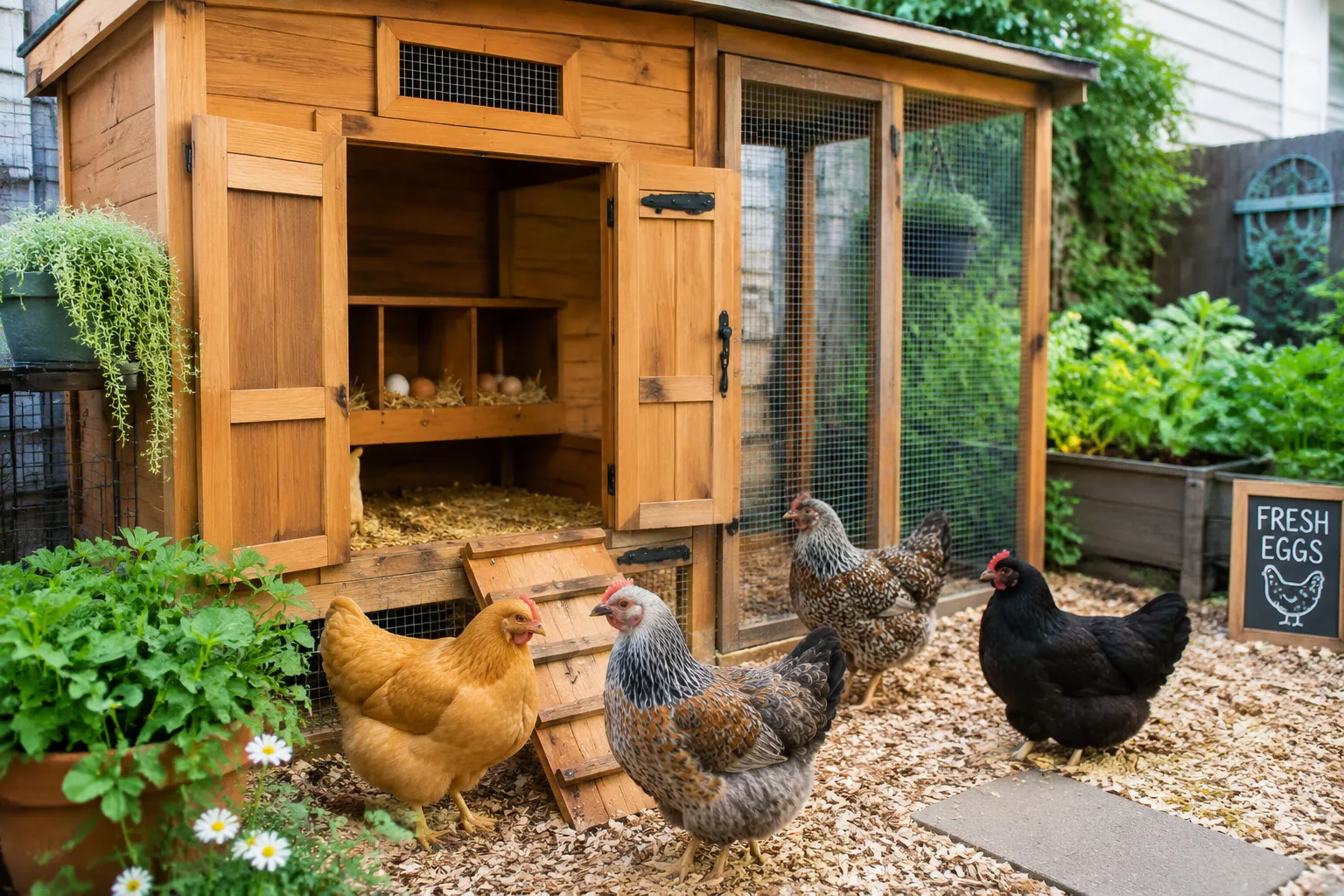
Buff Orpingtons, Australorps, and Rhode Island Reds rank as the best egg layers for beginners because they combine reliable production (220-280 eggs per year) with calm temperaments, cold hardiness, and forgiving care requirements.
Top beginner breeds:
- Buff Orpington: 200-220 brown eggs, extremely docile, excellent with children, cold-hardy, goes broody occasionally
- Australorp: 250-270 light brown eggs, calm but active, heat and cold tolerant, rarely broody
- Rhode Island Red: 250-280 brown eggs, friendly but assertive, very cold-hardy, good foragers
- Plymouth Rock (Barred Rock): 220-280 brown eggs, gentle, cold-hardy, dual-purpose
- Easter Egger: 200-250 blue/green eggs, friendly, cold-hardy, fun colored eggs for kids
Avoid as a beginner: Leghorns (too flighty), Hamburgs (nervous), Polish (high-maintenance crests), bantams (harder to handle), and any rare breed where you can’t easily find health information.
Choose Buff Orpingtons if you have young children or want the calmest possible birds. Choose Australorps if you want maximum eggs with minimal fuss. Choose Easter Eggers if you want colorful eggs and quirky personalities.
Why Did My Chickens Stop Laying Eggs Suddenly?
Sudden drops in egg production typically stem from molting (annual feather replacement, usually in fall), reduced daylight (less than 14 hours triggers slowdown), stress (predators, new flock members, coop moves), poor nutrition (low protein or calcium), or hidden health issues (parasites, disease, age).
Most common causes by season:
- Fall/Winter: Molting and shorter days account for 70% of production drops
- Summer: Heat stress above 85°F reduces laying by 20-40%
- Spring: Broodiness in heritage breeds stops laying for 3-4 weeks
- Year-round: Parasites (mites, lice, worms) gradually reduce output
Troubleshooting steps:
- Check for molting, look for pin feathers and loose feathers in the coop
- Verify 14-16 hours of light daily (add a timer-controlled coop light in winter)
- Ensure 16-18% protein layer feed and free-choice calcium (oyster shell)
- Inspect for external parasites and treat if found
- Rule out hidden nest sites if free-ranging
- Consider age, production drops 15-20% each year after age two
Edge case: If only one hen stopped laying, check her vent for egg binding (a stuck egg), which requires immediate attention. If the entire flock stopped abruptly, investigate for predator stress or toxin exposure (moldy feed, toxic plants).
Are There Chicken Breeds That Lay Eggs in Winter?
Wyandottes, Orpingtons, Rhode Island Reds, and Australorps maintain better winter production than Mediterranean breeds because their cold-hardy genetics and heavier body mass help them tolerate short days and low temperatures. However, no breed lays as prolifically in winter as in spring and summer without supplemental lighting.
Winter production by breed type:
- Cold-hardy heritage breeds (Wyandotte, Orpington, Brahma): Drop to 40-60% of summer output naturally, maintain 60-80% with coop lighting
- Production hybrids (ISA Brown, Red Star): Drop to 50-70% naturally, maintain 70-90% with lighting
- Mediterranean breeds (Leghorn, Ancona, Minorca): Drop to 20-40% naturally, very sensitive to cold stress
To maintain winter laying:
- Provide 14-16 hours of light using a timer (turn on at 5 AM, not at night, to avoid sudden darkness)
- Insulate the coop but maintain ventilation to prevent moisture buildup
- Offer warm morning treats (oatmeal, scrambled eggs) to boost metabolism
- Ensure unfrozen water access all day
- Increase protein to 18-20% during molting and cold snaps
Common mistake: Adding too much light too quickly. Gradually increase to 14 hours over two weeks, or hens may molt out of season. Also, forcing year-round production with lighting shortens productive lifespan, many backyard keepers allow a natural winter break.
What Breeds Are Good for Both Eggs and Meat?
Plymouth Rocks, Rhode Island Reds, Orpingtons, and Wyandottes excel as dual-purpose breeds, providing 220-280 eggs per year while reaching 6-9 pounds at maturity, enough meat for a family meal. These heritage breeds grow slower than meat-specific Cornish Cross but offer years of egg production before processing.
Top dual-purpose breeds:
- Plymouth Rock (Barred Rock): 220-280 eggs, 7-9 lbs, excellent meat quality, cold-hardy
- Rhode Island Red: 250-280 eggs, 6-8 lbs, good meat, very hardy
- Buff Orpington: 200-220 eggs, 7-10 lbs, tender meat, calm temperament
- Wyandotte: 200-240 eggs, 6-8 lbs, good meat, beautiful plumage
- Sussex: 240-260 eggs, 7-9 lbs, excellent meat, friendly
Production timeline: Dual-purpose roosters reach processing weight (5-7 lbs) at 16-20 weeks, compared to 8 weeks for Cornish Cross. Hens lay productively for 3-5 years, then can be processed for stewing meat.
Choose dual-purpose breeds if you want to hatch chicks and raise excess roosters for meat, plan to cull older hens, or want maximum self-sufficiency. Avoid if you want maximum egg production (production hybrids lay 50-100 more eggs annually) or fast meat growth (Cornish Cross reach weight in half the time).
Common Mistakes When Choosing Backyard Chickens for Eggs
The biggest mistake is choosing breeds for appearance rather than production, leading to disappointment when ornamental breeds like Silkies or Polish lay only 100-120 eggs per year. Other critical errors include mismatching breeds to climate, overcrowding, and expecting consistent year-round output without supplemental lighting.
Top mistakes and fixes:
Buying bantams for egg production: Bantam eggs are 50-60% the size of standard eggs. Choose standard-sized breeds unless space is severely limited.
Mixing aggressive and docile breeds: Aggressive breeds (some Rhode Island Reds, production hybrids) can bully gentle breeds (Silkies, Polish). Keep temperament compatibility in mind.
Overcrowding the coop: Less than 3-4 square feet per bird indoors and 8-10 square feet per bird in the run increases stress and reduces laying. More space always improves production.
Expecting peak production year-round: Even the best layers drop 30-50% in winter without supplemental light. Plan for seasonal variation or add lighting.
Ignoring climate compatibility: Mediterranean breeds (Leghorns, Minorcas) suffer in cold; Asiatic breeds (Brahmas, Cochins) struggle in heat. Match breeds to your climate.
Buying all the same age: When your entire flock hits age three simultaneously, egg production crashes. Stagger ages by adding pullets every 1-2 years.
Edge case: Some hatcheries sell “assorted bargain chicks” at steep discounts. These often include roosters and low-production breeds, making them a poor value despite the low price.
Do Heritage Breeds Lay as Many Eggs as Hybrids?
Heritage breeds typically lay 50-100 fewer eggs per year than production hybrids, a heritage Rhode Island Red produces 250-280 eggs annually, while an ISA Brown hybrid produces 300-330. However, heritage breeds remain productive for 4-6 years compared to 2-3 years for hybrids, often equalizing lifetime egg output.
Production comparison:
- Production hybrids (ISA Brown, Red Star, Black Star): 300-330 eggs in year one, 280-300 in year two, 200-250 in year three, then sharp decline
- Heritage breeds (Rhode Island Red, Australorp, Plymouth Rock): 250-280 eggs in year one, 230-260 in year two, 200-230 in year three, 180-200 in years four-five
Lifetime egg production (5 years):
- Production hybrid: ~1,200-1,400 eggs
- Heritage breed: ~1,100-1,300 eggs
Other heritage advantages:
- Can reproduce naturally (hybrids don’t breed true)
- Better foragers, reducing feed costs
- Hardier, with fewer health issues
- Dual-purpose meat value
- Genetic diversity preservation
Choose hybrids if you want maximum eggs in years 1-2, plan to replace your flock every 2-3 years, or operate on a tight budget (higher output per feed dollar). Choose heritage breeds if you want longer-lived birds, plan to hatch chicks, value sustainability, or want dual-purpose utility.
Best Egg Laying Chickens for Small Backyards
Australorps, Plymouth Rocks, and Easter Eggers thrive in small backyards because they combine high production (220-270 eggs per year) with calm temperaments, good confinement tolerance, and quiet vocalizations that won’t disturb neighbors. Avoid flighty Mediterranean breeds and loud, aggressive production hybrids in tight quarters.
Top breeds for limited space:
- Australorp: 250-270 eggs, calm, quiet, handles confinement well, black plumage hides dirt
- Plymouth Rock: 220-280 eggs, friendly, quiet, good in runs, attractive appearance
- Easter Egger: 200-250 eggs, personable, quiet, colorful eggs, compact size
- Wyandotte: 200-240 eggs, docile, cold-hardy, beautiful laced patterns
- Orpington: 200-220 eggs, extremely calm, good with children, larger body needs more space
Space requirements for small flocks:
- Minimum coop: 3-4 square feet per bird (12-16 sq ft for four hens)
- Minimum run: 8-10 square feet per bird (32-40 sq ft for four hens)
- Ideal setup: 4 square feet coop + 10 square feet run per bird
Small-space tips:
- Choose quiet breeds to maintain good neighbor relations
- Avoid roosters (unnecessary for eggs, often banned in urban areas)
- Use vertical space with roosts at different heights
- Provide dust bathing areas to reduce boredom behaviors
- Consider bantam versions of standard breeds if space is extremely limited (but expect smaller eggs)
Avoid in small spaces: Leghorns (too flighty), Hamburgs (need room to roam), large Asiatic breeds like Brahmas (need more space), and aggressive production hybrids that stress in confinement.
How Long Do Chickens Lay Eggs Before They Stop?
Chickens lay productively for 2-3 years at peak output, then production declines 15-20% annually until age 5-7, when most hens lay only occasionally or stop entirely. Commercial operations replace hens at 18-24 months, but backyard hens often remain in flocks as pets long after peak production ends.
Typical production timeline:
- Months 5-6: First eggs (pullet eggs, smaller than standard)
- Months 6-18: Peak production (90-95% of breed maximum)
- Year 2: 85-90% of year-one output
- Year 3: 70-80% of year-one output
- Year 4: 60-70% of year-one output
- Year 5+: 40-50% of year-one output, sporadic laying
Factors affecting productive lifespan:
- Breed: Production hybrids burn out at 2-3 years; heritage breeds produce 4-6 years
- Lighting: Forcing year-round production shortens lifespan
- Nutrition: Poor diet accelerates decline
- Health: Parasites and disease reduce productive years
- Genetics: Individual variation is significant, some hens lay well into year six
Molting impact: Hens molt (replace feathers) annually, stopping egg production for 2-4 months. This natural break helps extend productive lifespan. First molt occurs around 18 months, then annually thereafter.
Decision point: Many backyard keepers retire hens as pets after age three, accepting reduced production in exchange for companionship. Others cull at age 2-3 and replace with pullets to maintain consistent egg supply.
Are Expensive Chicken Breeds Worth It for Egg Production?
Expensive breeds like Cream Legbars ($30-50 per chick), Marans ($25-40), and Olive Eggers ($20-35) rarely justify their cost on production alone, they lay 180-220 eggs per year, 30-50% fewer than $3-7 production hybrids. However, they offer unique egg colors, better genetics, and novelty value that some keepers prize.
Cost-benefit analysis (per hen, 3-year lifespan):
Production hybrid ($5 chick):
- 900 eggs over three years = $0.006 per egg (chick cost only)
- White or brown eggs, commodity appearance
Cream Legbar ($40 chick):
- 650 eggs over three years = $0.06 per egg (chick cost only)
- Blue eggs, auto-sexing genetics, rare breed
The Cream Legbar costs 10x more per egg from chick investment alone. Add feed costs (~$0.25 per egg for any breed), and the premium breed adds $0.06 to your per-egg cost.
When expensive breeds make sense:
- You sell eggs at premium prices ($8-12/dozen for blue/green/chocolate eggs vs $4-6 for brown)
- You value genetic diversity and heritage preservation
- You want to breed and sell chicks (Cream Legbar chicks sell for $30-50)
- Egg color variety matters more than quantity
- You keep chickens as a hobby, not for economic return
When they don’t: If your goal is maximum eggs per dollar invested, production hybrids and common heritage breeds (Rhode Island Reds, Australorps) deliver 30-50% more eggs at 1/5 to 1/10 the initial cost.
What Chicken Breeds Are Not Good for Laying Eggs?
Silkies, Polish, Sebrights, and other ornamental bantams lay only 80-120 small eggs per year, making them poor choices if egg production is your primary goal. These breeds were developed for exhibition, broodiness, or ornamental features rather than laying ability.
Lowest-producing breeds:
- Silkie: 80-120 small eggs, goes broody frequently, bred for fluffy appearance
- Polish: 100-150 eggs, high-maintenance crests, nervous temperament
- Sebright: 60-80 tiny bantam eggs, ornamental lacing pattern
- Cochin: 120-160 eggs, bred for size and feathering, goes broody often
- Old English Game: 80-120 eggs, bred for temperament and appearance
Other poor layers:
- Most true bantam breeds (not miniature versions of standard breeds)
- Show-line birds of any breed (bred for appearance over production)
- Broody breeds like Cochins and Silkies (stop laying for weeks when broody)
Edge case: Some ornamental breeds make excellent broody hens for hatching other breeds’ eggs. If you want to hatch chicks naturally, keeping one Silkie or Cochin alongside your production breeds provides a reliable incubator.
Choose ornamental breeds if you want pets, show birds, or natural incubators, not if you want eggs. For maximum production, stick with breeds specifically developed for laying: Leghorns, Rhode Island Reds, Australorps, and production hybrids.
Do I Need a Rooster for Hens to Lay Eggs?
No,hens lay eggs without a rooster present. Roosters are only necessary to fertilize eggs for hatching chicks. Unfertilized eggs are identical to fertilized eggs in appearance, nutrition, and taste, and they’re what you buy at grocery stores.
Rooster pros and cons:
Pros:
- Fertilizes eggs for hatching
- Protects flock from predators (alerts to danger)
- Manages flock dynamics and reduces hen-on-hen aggression
- Completes the natural flock structure
Cons:
- Loud crowing (often banned in urban/suburban areas)
- Can be aggressive toward people, especially during breeding season
- Rough on hens during mating (can cause feather loss and injuries)
- No contribution to egg production
- Extra feed cost with no egg return
When to keep a rooster:
- You want to hatch chicks and maintain a breeding flock
- You have predator pressure and free-range your birds
- You live in a rural area where noise isn’t an issue
- You have 8-10+ hens (roosters can over-mate smaller flocks)
When to skip the rooster:
- You live in an urban or suburban area with noise restrictions
- You only want eggs, not chicks
- You have a small flock (under six hens)
- You have young children (roosters can be aggressive)
Common myth: “Eggs won’t be as good without a rooster.” False, egg quality, size, nutrition, and taste are identical whether fertilized or not. The only difference is that fertilized eggs can develop into chicks if incubated.
Frequently Asked Questions
How many chickens do I need for a family of four? Three to four hens provide enough eggs for a family of four year-round. At peak production, four hens lay 20-24 eggs per week, dropping to 10-15 per week in winter without supplemental lighting.
Can you mix different chicken breeds in one coop? Yes, most breeds coexist peacefully if introduced properly and given adequate space. Avoid mixing very aggressive breeds with very docile breeds, and introduce new birds gradually to minimize fighting.
What is the easiest chicken breed to raise? Buff Orpingtons and Australorps are the easiest for beginners due to their calm temperaments, cold hardiness, reliable laying (200-270 eggs per year), and forgiving care requirements.
Do chickens lay eggs every day? Peak-production breeds lay 5-6 eggs per week (not quite daily) during their first two years. Production slows in winter, during molting, and as hens age. No breed lays 365 eggs per year consistently.
At what age do chickens stop laying eggs? Most chickens continue laying sporadically until age 5-7, but production drops significantly after age three. Commercial operations replace hens at 18-24 months when production declines.
How can I tell if a chicken is a good layer? Look for bright red combs and wattles, wide-set pelvic bones (three fingers’ width), soft and moist vent, bright eyes, and active behavior. Hens in lay have larger, redder combs than non-layers.
What do I feed chickens for better egg production? Feed 16-18% protein layer feed as the base diet, provide free-choice oyster shell for calcium, offer occasional protein treats (mealworms, scrambled eggs), and ensure constant access to fresh water.
Can chickens lay two eggs in one day? Rarely, and only as an anomaly. Egg formation takes 24-26 hours, making daily laying the biological maximum. “Double” eggs are usually a normal egg plus a tiny, shell-less egg.
Why are my chicken eggs getting smaller? Eggs shrink due to age (older hens lay smaller eggs), heat stress, poor nutrition (especially protein deficiency), dehydration, or disease. Pullet eggs start small and grow to full size over 4-6 weeks.
Do brown eggs taste better than white eggs? No, egg taste depends on diet, not shell color. Shell color is determined by breed genetics. Brown, white, blue, and green eggs all taste identical when hens eat the same feed.
How much space does each chicken need? Provide 3-4 square feet per bird inside the coop and 8-10 square feet per bird in the outdoor run. More space reduces stress, aggression, and disease while improving laying consistency.
What is the most cold-hardy egg-laying breed? Wyandottes, Chanteclers, and Buckeyes are the most cold-hardy layers, maintaining production in sub-zero temperatures. Rhode Island Reds and Australorps also handle cold very well while laying 250+ eggs annually.
Conclusion
Choosing the best chicken breeds for eggs means balancing production rate, climate tolerance, temperament, and your specific goals. Leghorns and production hybrids deliver maximum output for 2-3 years, while heritage breeds like Rhode Island Reds and Australorps provide reliable production for 4-6 years with better cold hardiness and dual-purpose value.
For most backyard keepers, a mixed flock works best: start with 3-4 hens from proven laying breeds matched to your climate. Australorps and Plymouth Rocks suit nearly any situation, offering 220-280 eggs per year with minimal fuss. Add an Easter Egger for colorful eggs or a Buff Orpington if you have children.
Next steps:
- Assess your climate, space, and local regulations before selecting breeds
- Start with pullets (not chicks) for faster egg production and easier care
- Provide 3-4 square feet per bird in the coop, 8-10 in the run
- Feed 16-18% protein layer feed with free-choice calcium
- Plan to add new pullets every 2-3 years to maintain consistent production
- Join a local chicken-keeping group for breed-specific advice and support
The right breeds will reward you with fresh eggs daily, minimal health issues, and years of backyard enjoyment. Start small, learn as you go, and expand your flock once you’ve mastered the basics.