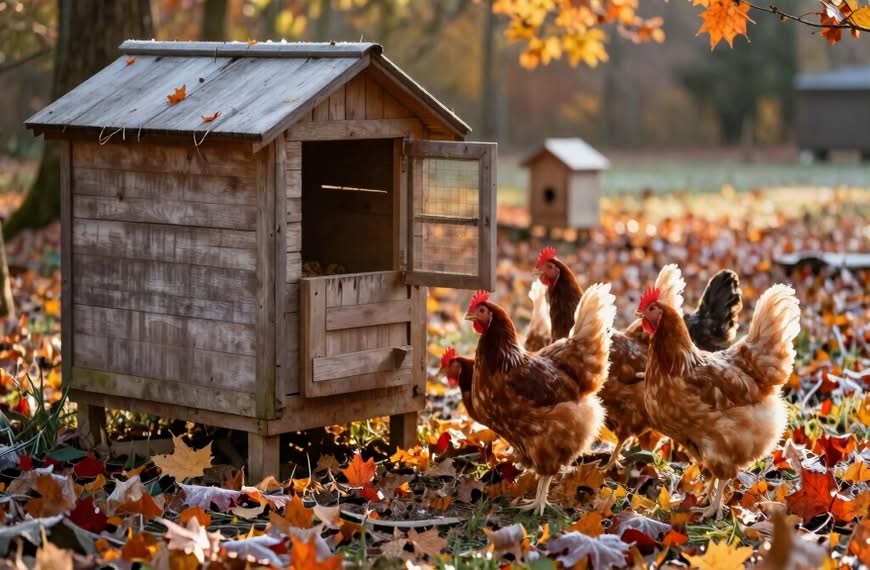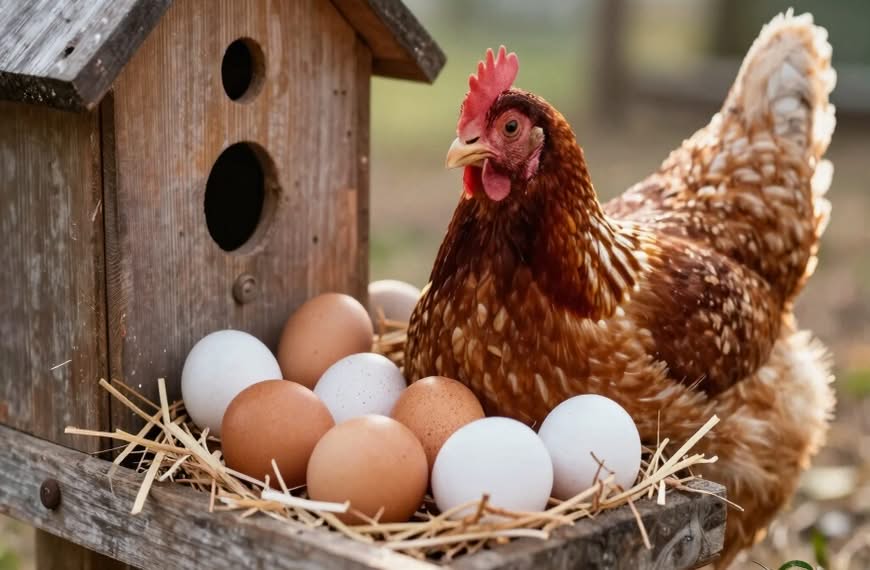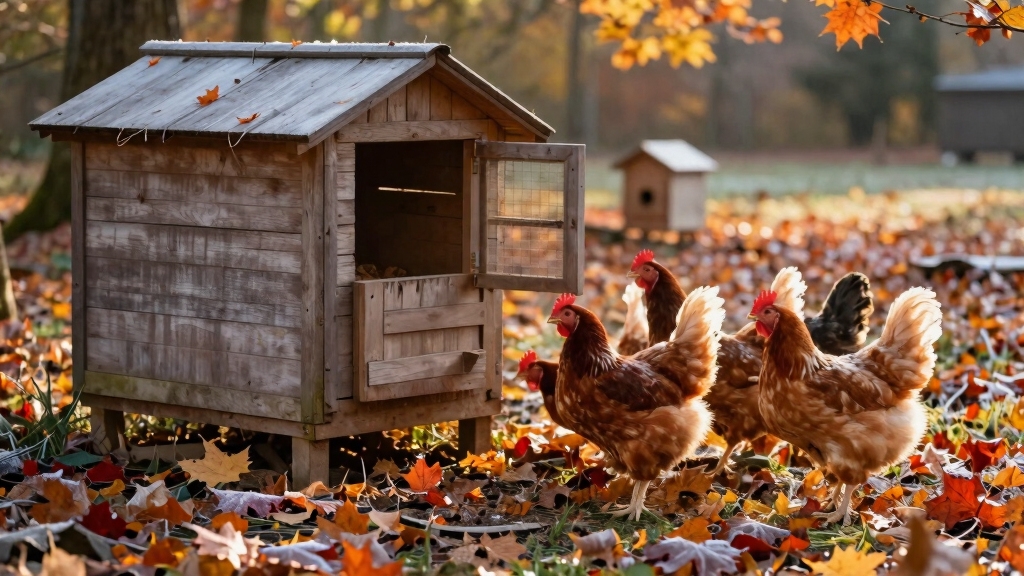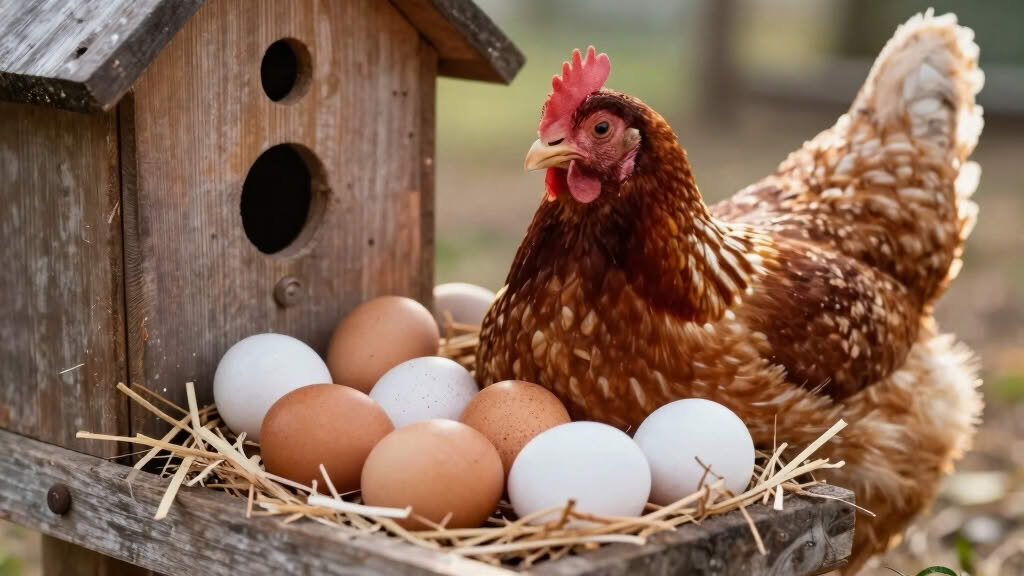
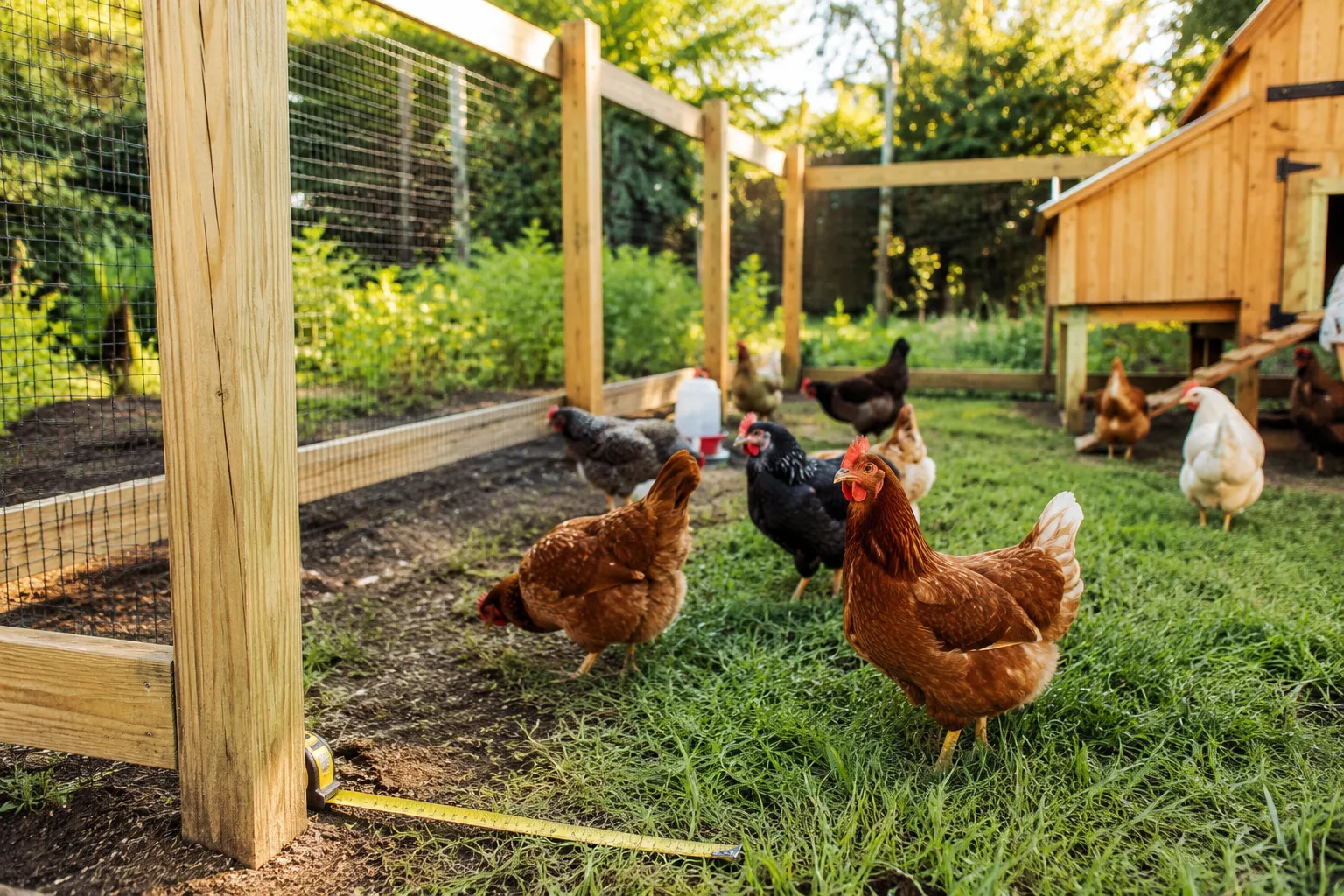
Quick Answer: Most backyard chickens need a minimum of 8-10 square feet of outdoor run space per bird for healthy living, though 10-15 square feet per chicken is ideal for reducing stress, preventing disease, and maintaining good ground cover. Bantam breeds can thrive with slightly less (6-8 square feet), while larger heritage breeds benefit from more space.
Key Takeaways
- Standard chickens require 8-10 square feet minimum of run space per bird, with 10-15 square feet being optimal
- Bantam chickens need 6-8 square feet per bird due to their smaller size
- Run space is separate from coop space, chickens need 2-4 square feet inside the coop plus outdoor run area
- Overcrowding causes feather pecking, disease spread, and bare dirt patches that create muddy, unsanitary conditions
- Free-range chickens still benefit from a secure run for protection during supervised outdoor time
- Urban chicken keepers can maximize smaller spaces with vertical enrichment and rotational grazing systems
- Covered runs may need slightly more space since chickens can’t access natural foraging behaviors as easily
- Meat chickens (broilers) need less space than layers since they’re raised for shorter periods
- Calculate total run size by multiplying birds × square feet, six chickens need 60-90 square feet ideally
What Are the Minimum Run Space Requirements Per Chicken?
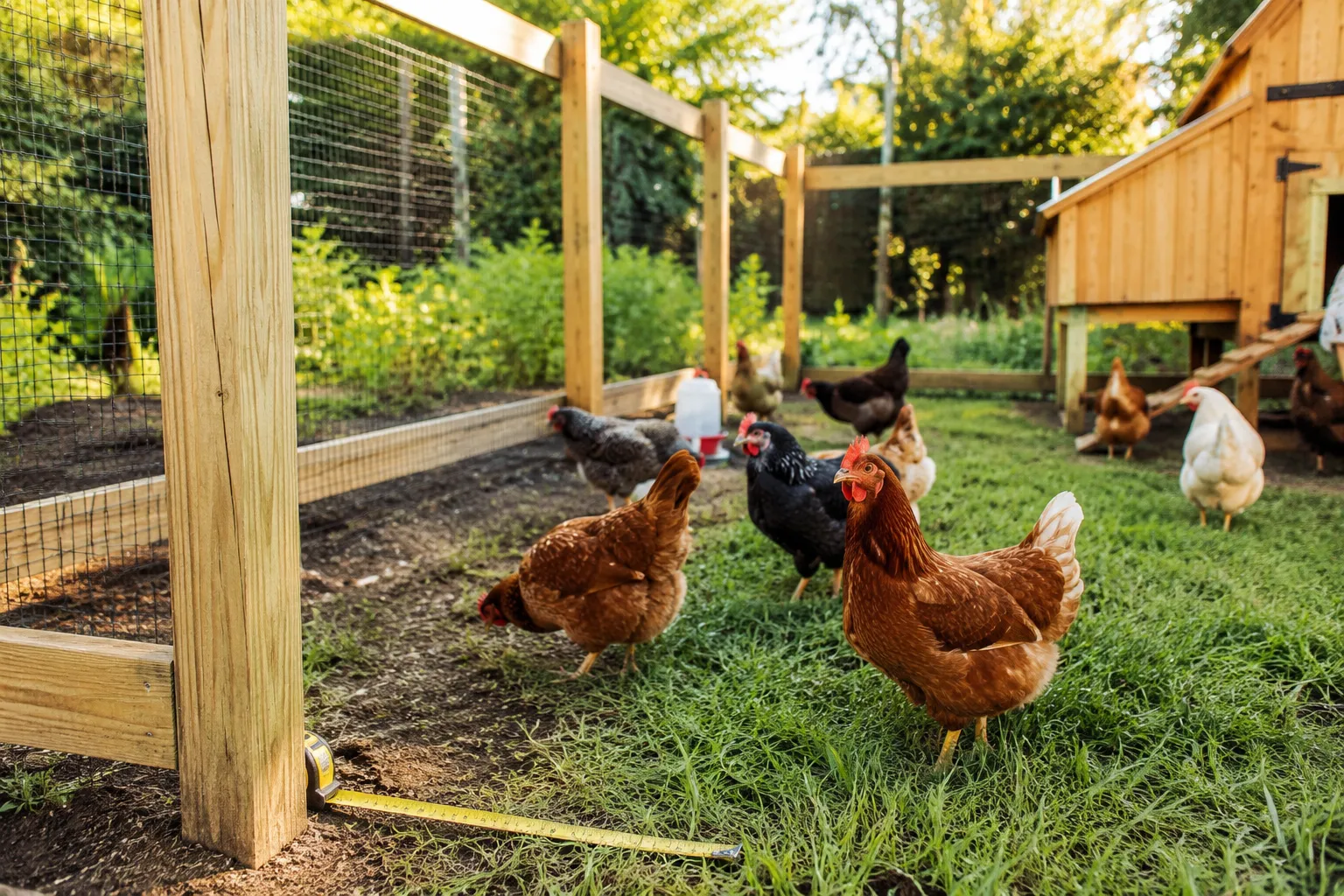
The absolute minimum run space per chicken is 8 square feet for standard-sized breeds, though this represents the bare minimum for survival rather than optimal health. Most poultry experts and extension services recommend 10 square feet per bird as a practical minimum, with 15 square feet per chicken being ideal for long-term flock health.
These minimums apply to chickens that spend most of their daylight hours in the run. If your birds only use the run for a few hours daily and free-range the rest of the time, you can work toward the lower end of this range.
Factors that increase space needs:
- Aggressive or dominant breeds (Rhode Island Reds, Leghorns)
- Roosters in the flock (add 20% more space)
- Wet or cold climates where birds spend more time in covered areas
- Flocks with mixed ages or breeds
- Limited vertical space or enrichment features
Choose 15+ square feet per bird if: you live in a rainy climate, keep breeds prone to boredom (like active Mediterranean breeds), or want to maintain grass cover in your run year-round.
What’s the Difference Between Coop Space and Run Space for Chickens?
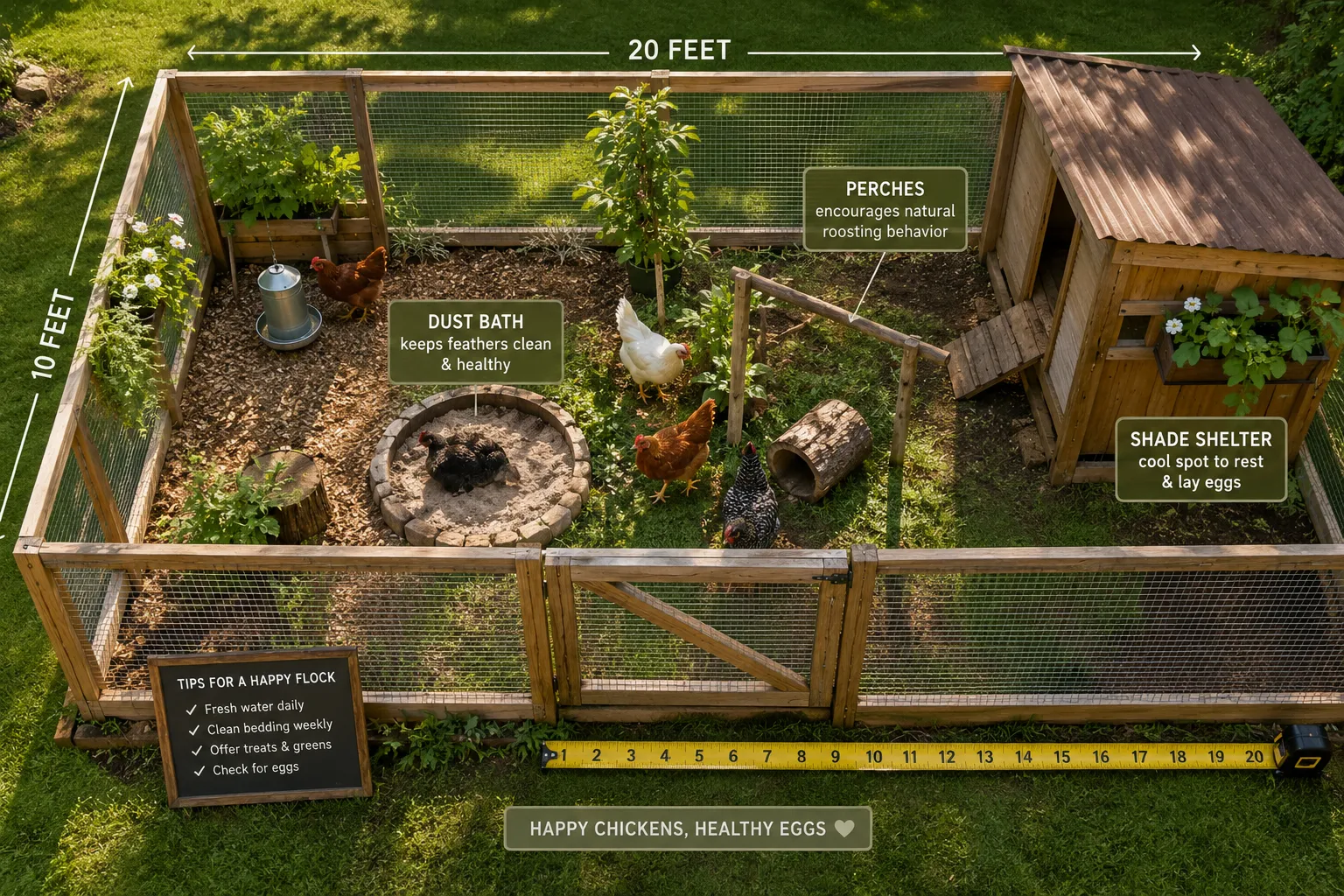
Coop space and run space serve completely different functions and must both be calculated separately when planning your chicken housing. The coop is the enclosed, predator-proof shelter where chickens sleep, lay eggs, and seek protection at night, requiring 2-4 square feet per bird. The run is the outdoor, fenced area where chickens spend their active daytime hours foraging, dust bathing, and exercising.
Coop space requirements:
- 2-4 square feet per standard chicken inside the coop
- Used primarily for roosting at night (8-12 hours)
- Must include nesting boxes (not counted in floor space)
- Needs adequate ventilation but full weather protection
Run space requirements:
- 8-15 square feet per standard chicken in the outdoor run
- Used during all daylight hours (12-16 hours daily)
- Allows natural behaviors like scratching, foraging, dust bathing
- Can be covered or uncovered depending on predator pressure
Common mistake: Many new chicken keepers calculate only total space without separating coop and run needs. A flock of six chickens needs both a 24-square-foot coop (6 birds × 4 sq ft) AND a 60-90 square foot run (6 birds × 10-15 sq ft), not one or the other.
How Much Outdoor Run Space Do Bantam Chickens Need?
Bantam chickens need 6-8 square feet of run space per bird, which is about 25-30% less than standard-sized chickens due to their smaller body size and reduced impact on ground cover. True bantams (breeds with no large counterpart, like Sebrights or Belgian d’Uccles) can thrive at the lower end of this range, while bantam versions of standard breeds may need closer to 8 square feet.
Bantam space advantages:
- Smaller body size means less wear on grass and ground cover
- Lower feed consumption produces less waste concentration
- Can utilize vertical space more effectively with their lighter weight
- Better suited to urban yards with limited square footage
Calculate bantam run size: For a flock of six bantam chickens, plan for 36-48 square feet of run space minimum (6 birds × 6-8 sq ft). A 6×8 foot run (48 square feet) works well for six bantams.
Important consideration: Even though bantams need less space, they still require the same enrichment features as standard chickens, dust bathing areas, perches, shade, and foraging opportunities. Don’t skimp on run quality just because the square footage is smaller.
Can Chickens Have Too Much Run Space?
Chickens cannot have too much run space from a behavioral or health perspective, more space is always better for flock dynamics, ground cover maintenance, and natural foraging behaviors. However, very large runs can create practical challenges including higher fencing costs, difficulty catching birds for health checks, and increased predator access points if the perimeter isn’t properly secured.
Benefits of generous run space:
- Grass and vegetation can recover between grazing
- Reduced disease transmission from lower waste concentration
- Less aggressive pecking order disputes
- More natural foraging and exercise opportunities
- Easier to add new birds without overcrowding stress
Practical considerations for large runs:
- More fencing material and labor costs
- Harder to provide complete overhead predator protection
- May need multiple water and shade stations
- Catching individual birds for health checks becomes challenging
- Ground predators have more area to patrol
Best practice: If you have the space, aim for 20-25 square feet per bird or consider rotational grazing systems where chickens access different paddock areas on a schedule. This maximizes the benefits of space while maintaining manageability.
How to Calculate Run Size for 6 Chickens
To calculate run size for six chickens, multiply six birds by your target square footage per bird, for standard breeds, this means 60 square feet minimum (6 × 10 sq ft) or 90 square feet ideally (6 × 15 sq ft). A 6×10 foot run provides 60 square feet, while an 8×12 foot run provides 96 square feet, both suitable for six chickens.
Step-by-step calculation:
- Count your chickens: 6 birds
- Choose your space standard: 10-15 sq ft per bird
- Multiply: 6 birds × 10 sq ft = 60 sq ft minimum
- Or: 6 birds × 15 sq ft = 90 sq ft ideal
- Find dimensions that equal your target: 6×10, 8×8, 8×12, etc.
Common run dimensions for 6 chickens:
- 6×10 feet = 60 sq ft (minimum, 10 sq ft per bird)
- 8×10 feet = 80 sq ft (comfortable, 13.3 sq ft per bird)
- 8×12 feet = 96 sq ft (ideal, 16 sq ft per bird)
- 10×10 feet = 100 sq ft (generous, 16.7 sq ft per bird)
Don’t forget: These calculations are for the run only. Your six chickens also need a separate coop with 24 square feet of interior space (6 birds × 4 sq ft) for nighttime roosting.
What Happens If a Chicken Run Is Too Small?
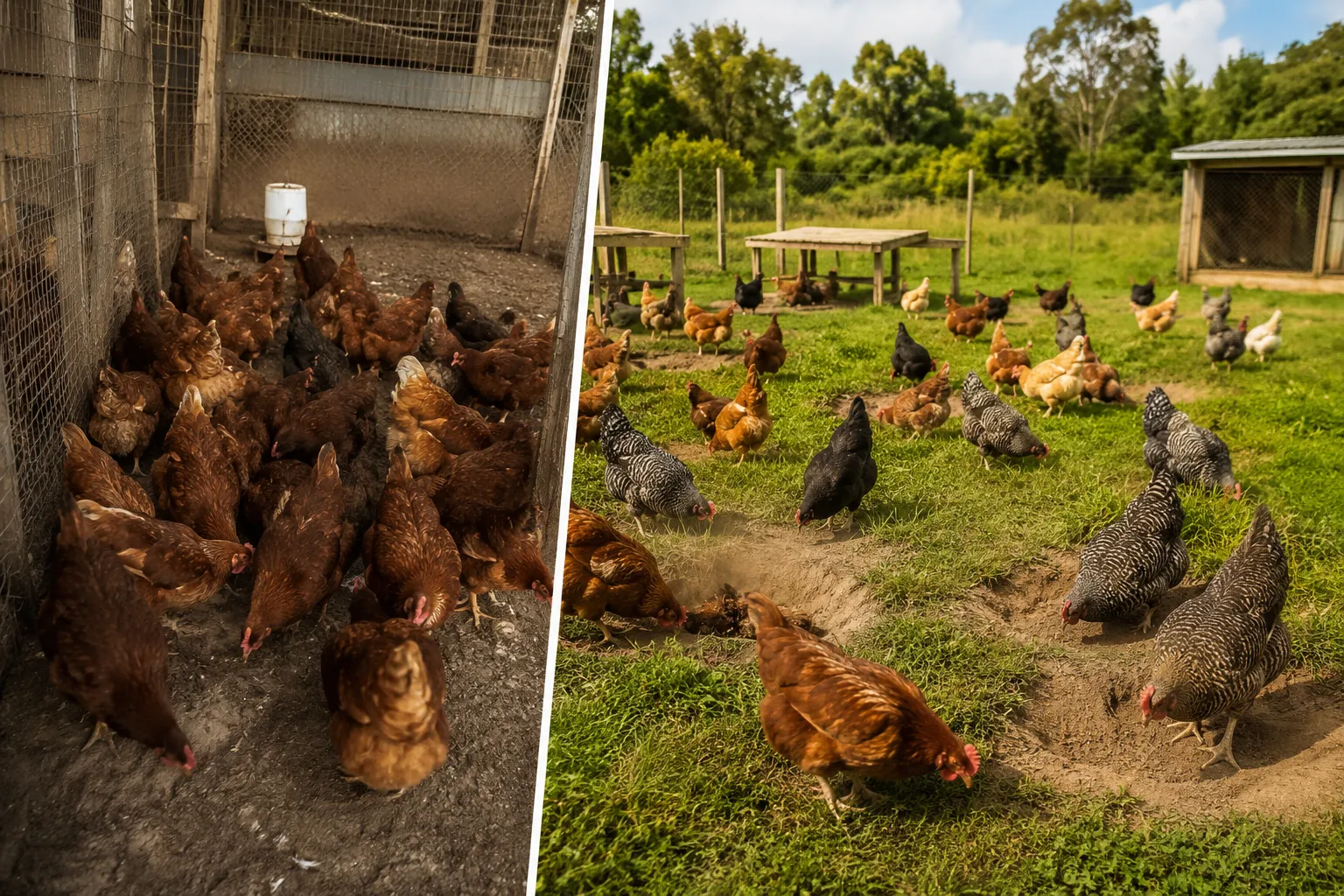
A chicken run that’s too small leads to aggressive pecking behavior, feather loss, increased disease transmission, and complete destruction of ground cover, creating muddy, unsanitary conditions. Overcrowded chickens experience chronic stress that reduces egg production, weakens immune systems, and can result in serious injuries or death from pecking order violence.
Immediate effects of overcrowding:
- Feather pecking and cannibalism, stressed birds pick at each other’s feathers, sometimes drawing blood
- Bare dirt patches, vegetation can’t recover, leading to mud in wet weather and dust in dry conditions
- Aggressive behavior, increased fighting over resources like food, water, and dust bathing spots
- Reduced egg production, stress hormones interfere with laying cycles
Long-term health consequences:
- Disease spread, concentrated waste creates ideal conditions for coccidiosis, worms, and respiratory infections
- Vitamin D deficiency, birds spend more time in sheltered areas avoiding aggressive flock mates
- Bumblefoot infections, constant standing on hard, bare ground causes foot pad injuries
- Shortened lifespan, chronic stress and disease exposure reduce overall longevity
Warning signs your run is too small: Completely bare ground with no vegetation, chickens with missing feathers (especially on backs and tails), birds that seem reluctant to leave the coop, and frequent aggressive chasing or pecking.
How Much Run Space for Chickens That Free Range Part Time?
Chickens that free range for 4-6 hours daily can manage with 6-8 square feet of run space per bird, since they’re only confined during early morning, evening, or when predator risk is high. However, the run must still provide adequate space for all birds to access food, water, and shelter simultaneously during confined periods.
Part-time free range scenarios:
- Morning/evening confinement: 6-8 sq ft per bird if they free range 6+ hours midday
- Weather-dependent ranging: 8-10 sq ft per bird if free ranging is inconsistent
- Supervised ranging only: 8-10 sq ft per bird since confinement is frequent
- Seasonal ranging: Plan for full 10-15 sq ft since winter months mean extended confinement
Important consideration: Even part-time free rangers need a secure run for days when you can’t supervise, during bad weather, or when predator activity increases. Don’t build a minimal run assuming chickens will always have free-range access.
Best practice: Build your run for full-time confinement standards (10-15 sq ft per bird) even if you plan to free range. This provides flexibility for schedule changes, illness quarantine, or integrating new birds.
Do Meat Chickens Need Less Run Space Than Layers?
Meat chickens (broilers) can manage with slightly less run space than layers, around 6-8 square feet per bird, because they’re raised for only 8-12 weeks and are bred for rapid growth rather than active foraging behavior. However, providing adequate space still improves leg health and reduces the risk of sudden death syndrome common in fast-growing meat breeds.
Meat chicken space considerations:
- Raised for 8-12 weeks versus 2-4 years for layers
- Less active and less interested in foraging behaviors
- Heavier body weight puts more strain on legs
- Don’t establish complex pecking orders like long-term flocks
Recommended space by age:
- Weeks 1-3: Can be in brooder, no outdoor run needed
- Weeks 4-6: 4-6 sq ft per bird as they transition outdoors
- Weeks 7-12: 6-8 sq ft per bird until processing
Heritage meat breeds (like Brahmas or Jersey Giants raised for meat) need the same space as layers, 10-15 square feet per bird, because they grow more slowly and remain active foragers throughout their longer growing period of 16-20 weeks.
Is 10 Square Feet Per Chicken Enough for the Run?
Ten square feet per chicken is enough for the run as a practical minimum for standard breeds in most backyard situations, providing adequate space for basic health and welfare without excessive aggression or ground destruction. However, 10 square feet represents the lower threshold, flocks will be healthier, happier, and easier to manage with 12-15 square feet per bird.
When 10 sq ft per bird works well:
- Docile breeds like Orpingtons, Cochins, or Australorps
- Flocks with no roosters
- Climates with year-round vegetation growth
- Runs with excellent enrichment (perches, dust baths, hanging treats)
- Chickens that free range several hours weekly
When you need more than 10 sq ft:
- Active or aggressive breeds (Leghorns, Rhode Island Reds, Easter Eggers)
- Mixed-age flocks or frequent new bird introductions
- Wet climates where ground cover struggles to survive
- Runs without overhead cover where birds cluster in sheltered areas
- Urban settings where chickens never leave the run
Real-world example: A 10×10 foot run (100 sq ft) provides exactly 10 square feet for 10 chickens. This flock will likely experience some bare ground patches and occasional pecking disputes, but with good management (regular enrichment, health monitoring, and possibly rotational access to different areas), they can remain healthy.
Common Mistakes When Building a Chicken Run
The most common mistake when building a chicken run is calculating space based on chick size rather than adult bird size, resulting in severe overcrowding within months. Other frequent errors include inadequate predator protection, poor drainage planning, and forgetting to include space for enrichment features beyond basic square footage.
Top chicken run mistakes:
Calculating space for chicks, not adults, six adorable chicks become six full-sized hens that need 60-90 sq ft, not the 24 sq ft that seemed adequate when they were small
Forgetting vertical space, runs should be at least 6 feet tall to allow chickens to perch and humans to enter comfortably for cleaning
No predator protection, using chicken wire instead of hardware cloth, or failing to bury fencing 12-18 inches underground to prevent digging predators
Poor drainage, building in low spots where water pools, creating muddy, disease-prone conditions
Ignoring shade requirements, runs in full sun all day cause heat stress; plan for 50% shade coverage minimum
No enrichment space, calculating exact minimum square footage without room for dust bathing areas, perches, or foraging enrichment
Single access point, only one door makes catching birds difficult and limits management flexibility
Prevention tip: Always round up when calculating space, add 20% extra for future flock expansion, and build taller than you think necessary. It’s far easier to build correctly the first time than to expand or rebuild later.
How Much Run Space for Chickens in Urban Backyards?
Urban backyard chickens need the same 10-15 square feet per bird as rural flocks, but urban keepers can maximize limited space through vertical enrichment, covered runs that allow multi-level use, and rotational grazing systems that give small areas time to recover. A typical urban flock of 3-4 chickens needs a minimum 30-40 square foot run, which fits in a 5×8 or 6×7 foot footprint.
Urban space-maximizing strategies:
- Vertical enrichment: Install multiple roost levels, hanging feeders, and elevated dust bathing boxes to use airspace
- Covered runs: Full roof coverage allows perches at multiple heights without weather concerns
- Rotational access: Divide run into two sections; chickens use one while the other recovers
- Intensive management: More frequent cleaning and ground cover replenishment compensates for tighter quarters
Urban flock size recommendations:
- 3 chickens: 30-45 sq ft run (5×6 to 6×8 feet)
- 4 chickens: 40-60 sq ft run (6×7 to 8×8 feet)
- 6 chickens: 60-90 sq ft run (8×8 to 10×9 feet)
Check local regulations: Many urban chicken ordinances specify maximum flock sizes (often 4-6 birds) and minimum setback distances from property lines. Build your run to meet both space requirements and legal setbacks.
Urban advantage: Smaller flocks are easier to monitor closely, allowing you to catch health or behavioral issues earlier than in large rural flocks.
Chicken Run Size vs Number of Eggs Laid
Chicken run size directly affects egg production, with hens in adequately spaced runs (10-15 sq ft per bird) laying 15-25% more eggs annually than overcrowded hens due to reduced stress, better nutrition from foraging, and improved overall health. However, run size is just one factor, breed, age, nutrition, daylight hours, and health status all significantly impact laying rates.
How space affects egg production:
- Stress reduction: Adequate space lowers cortisol levels that interfere with reproductive hormones
- Better nutrition: More foraging space means access to insects, greens, and grit that support egg production
- Reduced disease: Lower pathogen concentration means fewer sick days interrupting laying cycles
- Exercise benefits: Active hens maintain better body condition for sustained laying
Expected production by space:
- Overcrowded (4-6 sq ft per bird): 150-180 eggs per hen annually, frequent laying breaks
- Minimum space (8-10 sq ft per bird): 200-250 eggs per hen annually for good layers
- Optimal space (12-15 sq ft per bird): 250-300 eggs per hen annually for productive breeds
- Generous space (20+ sq ft per bird): 250-300 eggs per hen annually (no additional benefit beyond optimal)
Important note: More space improves consistency and flock average, but won’t turn poor layers into high producers. A Silkie in a spacious run will still lay only 100-120 eggs yearly, while a Leghorn in the same space may produce 300+ eggs.
Covered Run Space Requirements vs Open Run
Covered runs should provide 2-3 square feet more per bird than open runs, aim for 12-15 square feet per chicken in covered runs versus 10-12 square feet in open runs, because the roof limits natural behaviors like flying up to elevated perches and reduces the psychological sense of space. However, covered runs offer significant predator protection and weather benefits that often outweigh the need for extra square footage.
Covered run advantages:
- Complete protection from aerial predators (hawks, owls)
- Shade and rain protection without separate structures
- Allows elevated roosts and perches at multiple levels
- Keeps bedding or ground cover drier longer
Covered run challenges:
- Can feel more confined, increasing stress in some flocks
- Reduced natural light may affect laying cycles slightly
- More expensive to build due to roofing materials
- Requires stronger support structure for snow/wind loads
Hybrid approach: Many chicken keepers build partially covered runs, 50-75% roof coverage over feeding, watering, and dust bathing areas, with open space for sunbathing and maximum light exposure. This provides weather and predator protection while maintaining an open feel.
Material recommendations: Use clear or translucent roofing panels (polycarbonate or corrugated fiberglass) rather than solid metal to maximize natural light penetration in covered runs.
How Much Space Do Silkie Chickens Need in a Run?
Silkie chickens need 8-10 square feet of run space per bird, which is slightly more than other bantam breeds despite their small size, because their unique feathering makes them vulnerable to wet and muddy conditions that develop in overcrowded runs. Silkies also benefit from covered run space since their fluffy plumage offers no water resistance and they can’t fly to escape ground-level threats.
Silkie-specific space considerations:
- Feather type: Fluffy plumage gets waterlogged and muddy easily, requiring better ground cover maintenance
- Poor flyers: Can’t escape aggression or predators by flying, need more ground-level space
- Docile temperament: Often bullied by more aggressive breeds, need space to retreat
- Cold sensitivity: Wet feathers lose insulating properties, need dry conditions
Ideal Silkie run setup:
- 8-10 sq ft per bird minimum (a flock of 4 Silkies needs 32-40 sq ft)
- Covered run or at least 75% roof coverage
- Excellent drainage with sand or gravel base
- Lower roosts (12-18 inches) since they can’t reach high perches
- Separate from aggressive breeds if in a mixed flock
Calculate for a Silkie flock: Six Silkie chickens need a 48-60 square foot run minimum, which could be a 6×8 or 7×9 foot covered structure with excellent drainage and low-level enrichment features.
Frequently Asked Questions
How much run space do I need for 4 chickens?
Four standard chickens need 40-60 square feet of run space, with 40 square feet (10 sq ft per bird) being the minimum and 60 square feet (15 sq ft per bird) being ideal. A 6×7 foot or 8×8 foot run works well for four chickens.
Can I use the same space calculation for all chicken breeds?
No, bantam breeds need only 6-8 square feet per bird, while large heritage breeds like Jersey Giants or Brahmas benefit from 12-15 square feet per bird. Adjust calculations based on adult bird size and activity level.
Do I need more run space if I have a rooster?
Yes, add 15-20% more run space when keeping a rooster, as roosters are more active, territorial, and can increase flock stress levels. A rooster with six hens needs 70-100 square feet versus 60-90 square feet for hens only.
How do I calculate run space for a mixed flock of standard and bantam chickens?
Calculate space for each group separately, then add together. For example, four standard hens (40-60 sq ft) plus three bantams (18-24 sq ft) need a total of 58-84 square feet of run space.
What’s the minimum run size for 2 chickens?
Two chickens need a minimum 20 square foot run (2 birds × 10 sq ft), though 30 square feet (2 birds × 15 sq ft) is better. A 4×5 or 5×6 foot run works for a pair of chickens.
Does run space affect how long chickens live?
Yes, adequate run space contributes to longer lifespans by reducing stress, disease transmission, and injuries from overcrowding. Chickens in properly sized runs typically live 6-8 years versus 3-5 years for overcrowded birds.
How much run space for chickens in winter?
Chickens need the same run space year-round, but may use it less in winter. Covered or partially covered runs encourage winter outdoor time, preventing cabin fever and maintaining flock health during long confinement periods.
Can I reduce run space if I provide lots of enrichment?
Enrichment improves quality of life but doesn’t replace adequate square footage. You can work toward the lower end of recommended ranges (10 sq ft vs 15 sq ft per bird) with excellent enrichment, but never go below minimum standards.
How do I know if my current run is too small?
Warning signs include completely bare ground, frequent aggressive pecking, birds reluctant to leave the coop, feather loss on multiple birds, and muddy conditions that don’t dry out. These indicate overcrowding.
What’s better: a long narrow run or a square run?
Square or slightly rectangular runs (like 10×12) are better than long narrow runs (like 6×20) because they provide more usable space and allow chickens to establish territories without creating bottlenecks at feeders or doorways.
Do chickens need less space as they get older?
No, older chickens need the same space as younger birds. Senior hens may be less active but still require adequate room for comfort, and reduced mobility makes them more vulnerable to bullying in tight quarters.
How much run space for chickens that lay fewer eggs?
All chickens need the same run space regardless of laying frequency. Space requirements are based on bird size and behavior, not productivity. Even non-laying hens (retired layers, roosters, or ornamental breeds) need 10-15 square feet per bird.
Conclusion
Providing adequate run space is one of the most important decisions you’ll make for your flock’s long-term health and happiness. While the minimum standard of 8-10 square feet per chicken keeps birds alive, aiming for 12-15 square feet per bird creates a thriving environment where chickens can express natural behaviors, maintain healthy social structures, and produce consistently.
Take action now:
- Measure your current run and calculate square footage per bird, be honest about whether you’re meeting minimum standards
- Observe your flock for warning signs of overcrowding: bare ground, feather loss, or aggressive behavior
- Plan expansions before adding new birds, build for your target flock size, not your current population
- Maximize existing space with vertical enrichment, rotational grazing, or partial free-ranging if expansion isn’t possible
- Prioritize quality over quantity, a smaller flock in adequate space is healthier and more productive than a large overcrowded flock
Remember that run space is an investment in your flock’s welfare and your own enjoyment of chicken keeping. Chickens with room to roam are calmer, healthier, more productive, and far more pleasant to observe and interact with daily. Whether you’re planning your first coop or evaluating an existing setup, giving your birds the space they need pays dividends in eggs, entertainment, and peace of mind for years to come.