
Quick Answer: Egg binding is a life-threatening condition where a hen cannot expel a fully formed egg from her reproductive tract. It requires immediate intervention, including warmth, humidity, gentle abdominal massage, and sometimes veterinary care. Without treatment, an egg-bound hen can die within 24-48 hours from infection, internal damage, or exhaustion.
Key Takeaways
- Egg binding occurs when a hen cannot pass an egg, often due to calcium deficiency, oversized eggs, or reproductive tract problems
- Symptoms include lethargy, straining, tail pumping, sitting in a hunched position, and visible distress
- Immediate home treatment involves a warm bath (15-20 minutes), humidity, and gentle massage to help the hen pass the egg
- Veterinary intervention is necessary if home treatment fails within 2-4 hours or if the hen shows severe distress
- Calcium deficiency is the leading preventable cause, making proper nutrition critical for laying hens
- Young pullets and older hens face higher risk due to immature or aging reproductive systems
- Prevention includes proper calcium supplementation, appropriate lighting schedules, and avoiding early egg production
- Egg binding differs from other laying problems like internal laying or prolapse and requires specific treatment
- The condition can kill a chicken within 24-48 hours if left untreated
- Common mistakes include rough handling, attempting to break the egg internally, or delaying veterinary care
What Is Egg Binding in Chickens?
Egg binding is a serious reproductive emergency where a hen has a fully formed egg stuck in her oviduct and cannot expel it naturally. The egg becomes lodged in the reproductive tract, typically in the lower portion near the vent, creating a physical blockage that prevents normal egg-laying.
This condition differs from other laying problems because the egg is complete and ready to be laid but physically cannot pass through the reproductive system. The hen’s muscles cannot generate enough force to push the egg out, or the egg is too large or positioned incorrectly to move through the tract.
Why egg binding is dangerous:
- Blocks the digestive tract, preventing normal waste elimination
- Causes internal pressure that can rupture organs
- Leads to infection (peritonitis) if the egg breaks internally
- Exhausts the hen through repeated straining attempts
- Can cause permanent reproductive damage
Choose immediate intervention if you suspect egg binding, because waiting even a few hours can mean the difference between recovery and death.
How to Tell If My Hen Is Egg Bound
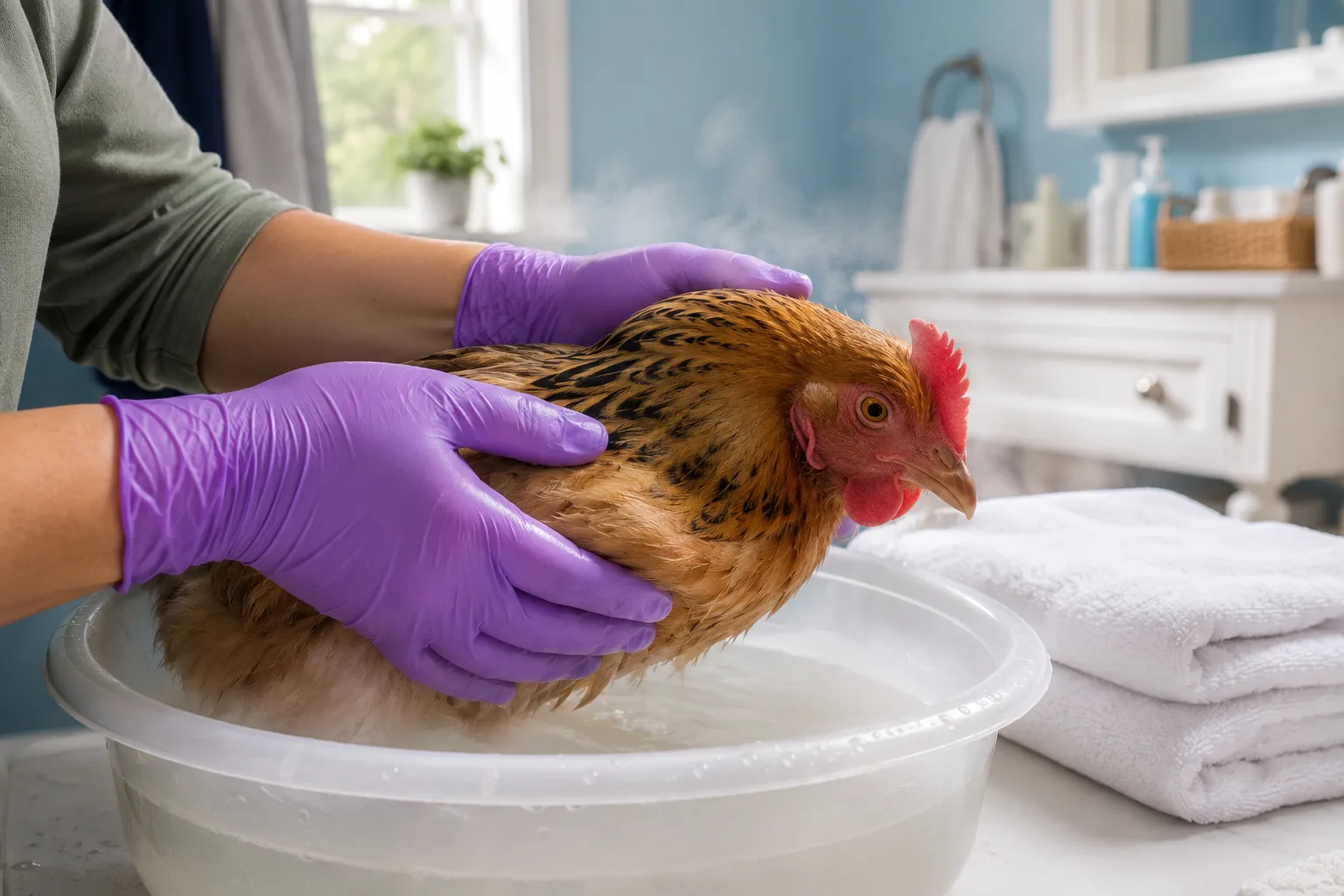
An egg-bound hen displays distinct physical and behavioral symptoms that worsen rapidly. Look for a hen sitting in a hunched, penguin-like posture with her tail down and feathers fluffed, often in a corner or nesting box for extended periods.
Primary symptoms to watch for:
- Tail pumping: Rhythmic up-and-down tail movements as she strains
- Abdominal straining: Visible effort to push without producing an egg
- Lethargy and weakness: Reluctance to move, eat, or drink
- Wide stance: Standing with legs spread apart due to discomfort
- Swollen abdomen: Visible bulge in the lower belly area
- Labored breathing: Panting or open-mouth breathing from stress
- Loss of appetite: Refusing food and treats she normally loves
- Isolation: Separating herself from the flock
Physical examination signs:
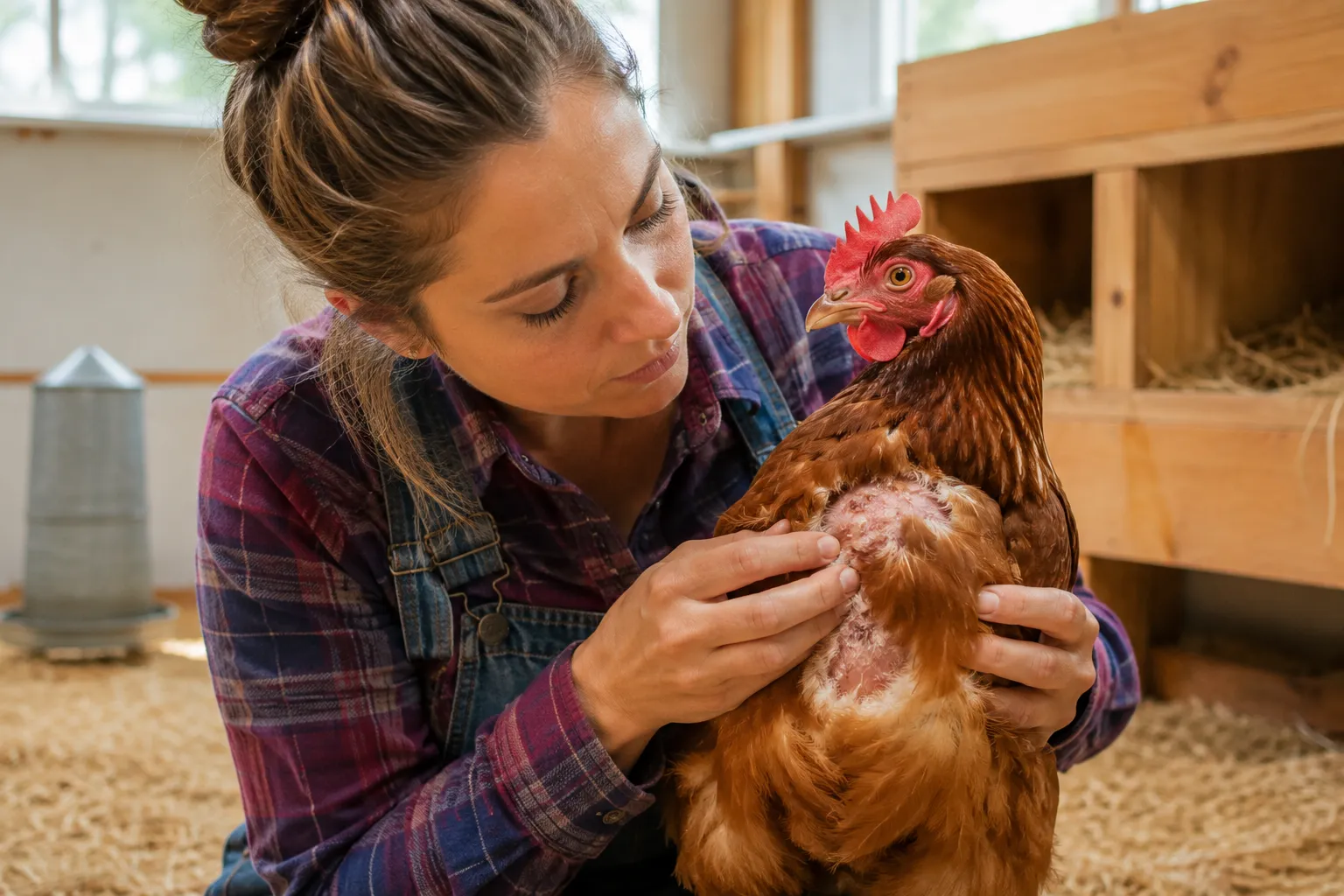
You can gently feel the hen’s abdomen (between her legs, near the vent) for a hard, round mass. If you feel an egg-shaped lump, she’s likely egg-bound. The area may feel warm or hot to the touch if infection is developing.
A common mistake is confusing egg binding with normal nesting behavior. A hen preparing to lay will sit in the nesting box for 20-60 minutes, then leave after laying. An egg-bound hen will remain in distress for hours without producing an egg and show progressive weakness.
What Causes Egg Binding in Backyard Hens?
Egg binding results from multiple factors that prevent normal egg passage through the reproductive tract. Calcium deficiency stands as the most common preventable cause, because calcium powers the muscle contractions needed to expel eggs.
Primary causes:
- Calcium deficiency: Weak muscle contractions cannot push the egg through
- Oversized eggs: Double-yolk or abnormally large eggs get stuck
- Obesity: Excess fat deposits narrow the reproductive tract
- Immature reproductive system: Young pullets laying before fully developed
- Dehydration: Reduces lubrication in the oviduct
- Genetics: Some breeds are predisposed to reproductive issues
- Infections: Oviduct inflammation or salpingitis creates blockages
- Stress: Disrupts normal laying patterns and muscle function
Contributing factors:
Early egg production (before 18-20 weeks) forces immature systems to work before they’re ready. Hens pushed into laying through artificial lighting or high-protein diets face higher risk. Older hens (3+ years) experience declining muscle tone and reproductive efficiency.
Temperature extremes also play a role. Cold weather increases calcium demands for both egg production and body heat, while heat stress causes dehydration that reduces oviduct lubrication.
Calcium Deficiency and Egg Binding Connection
Calcium powers the smooth muscle contractions that move eggs through the oviduct and expel them from the vent. Without adequate calcium, these muscles cannot generate sufficient force, leaving eggs stuck partway through the laying process.
A laying hen needs approximately 4-5 grams of calcium daily, with about 2 grams going directly into each eggshell. When dietary calcium falls short, her body pulls calcium from bones, weakening both skeletal structure and muscle function simultaneously.
How calcium deficiency leads to egg binding:
- Weak oviduct contractions cannot push eggs through
- Thin, soft-shelled eggs are more likely to break internally
- Muscle fatigue occurs faster during the laying process
- Recovery between eggs takes longer, increasing complications
Proper calcium supplementation:
Provide free-choice oyster shell in a separate container (not mixed with feed). Hens will self-regulate intake based on their needs. Layer feed contains calcium, but free-choice supplementation ensures high-producing hens get enough.
Avoid relying solely on crushed eggshells, because they provide less bioavailable calcium than oyster shell. If using eggshells, bake them at 250°F for 10 minutes and crush them finely.
A common mistake is assuming layer feed alone provides sufficient calcium. High-producing hens, especially during peak laying season, need supplemental calcium beyond what’s in their feed.
How to Treat Egg Binding at Home
Immediate home treatment can save an egg-bound hen’s life if started within the first few hours of symptoms. The goal is to relax the oviduct muscles, provide lubrication, and help the hen pass the egg naturally.
Step-by-step home treatment:
- Isolate the hen in a warm, quiet, dimly lit space to reduce stress
- Prepare a warm bath (95-102°F) in a container deep enough to submerge her lower body
- Soak for 15-20 minutes, supporting her body and keeping her head above water
- Add Epsom salt (1/4 cup per gallon) to help relax muscles
- Dry thoroughly with towels and place in a warm recovery area (85-90°F)
- Apply lubricant (water-based only) around the vent opening
- Gentle massage of the lower abdomen in circular motions toward the vent
- Provide calcium via liquid calcium supplement or crushed Tums (500mg calcium carbonate)
During the warm bath:
Keep the water temperature consistent by adding warm water as needed. The heat and humidity help relax the oviduct muscles and soften any dried membranes. Many hens will pass the egg during or immediately after the bath.
After the bath:
Place the hen in a recovery area with a heat lamp, fresh water with electrolytes, and high-calcium treats. Keep her separated from the flock to prevent pecking and allow rest. Check every 30-60 minutes for egg passage.
Critical mistakes to avoid:
- Never attempt to break the egg internally
- Don’t insert fingers or objects into the vent
- Avoid rough handling or excessive pressure on the abdomen
- Don’t give up after one bath if the hen is stable
If the hen hasn’t passed the egg within 2-4 hours of home treatment, veterinary intervention is necessary.
Warm Bath for Egg Bound Chicken: How Long?
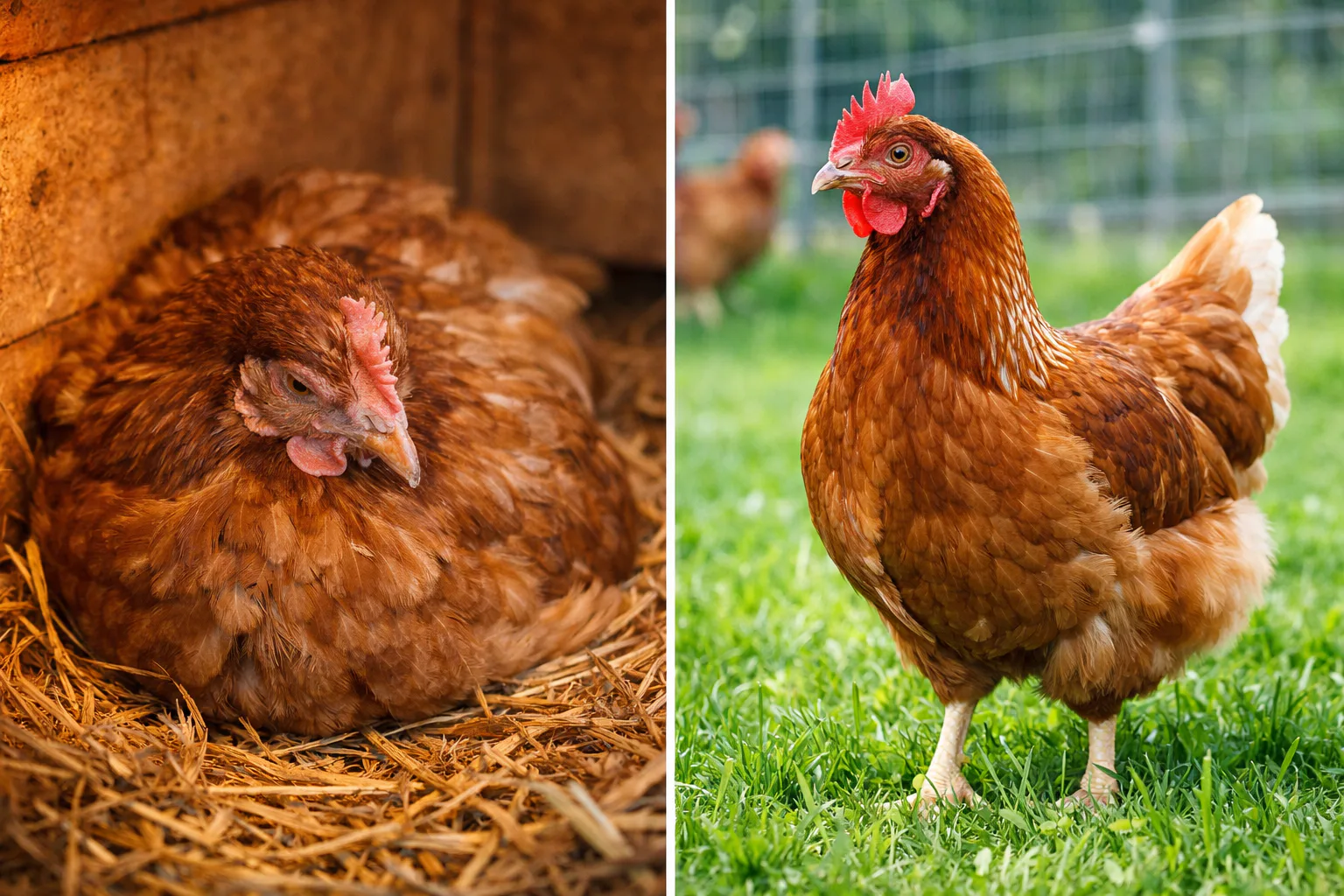
A warm bath for an egg-bound hen should last 15-20 minutes per session, with water temperature maintained between 95-102°F. This duration provides enough time for the heat and humidity to relax the oviduct muscles without causing stress or exhaustion.
Optimal bathing protocol:
- First session: 15-20 minutes in warm water with Epsom salt
- Rest period: 30-60 minutes in a warm, humid recovery area
- Second session: Another 15-20 minutes if the egg hasn’t passed
- Maximum sessions: 2-3 baths within a 4-hour window
The water should cover her lower body up to her chest, keeping her vent and abdomen fully submerged while her head and upper body stay dry. Support her body throughout the bath to prevent drowning or panic.
Signs the bath is working:
- The hen relaxes and stops straining
- You see the egg moving lower or appearing at the vent
- She begins preening or showing normal behavior
- The egg passes during or within 30 minutes after the bath
If three bath sessions produce no progress, or if the hen becomes weaker or more distressed, stop home treatment and seek veterinary care immediately. Prolonged bathing without results can exhaust the hen and delay necessary medical intervention.
When to Take an Egg Bound Bird to the Vet
Veterinary intervention becomes necessary when home treatment fails within 2-4 hours or when the hen shows signs of severe distress or deterioration. A veterinarian can manually extract the egg, provide injectable calcium, or perform emergency surgery if needed.
Immediate veterinary care required if:
- The hen shows no improvement after 2-3 warm baths
- She becomes progressively weaker or unresponsive
- You see blood around the vent or in droppings
- The egg is visible at the vent but won’t pass
- She stops breathing normally or goes into shock
- More than 6-8 hours have passed since symptoms began
- You suspect the egg has broken internally
What the vet can do:
A veterinarian can administer injectable calcium gluconate to strengthen muscle contractions, provide pain relief and anti-inflammatory medication, manually manipulate the egg into position, or carefully collapse the egg for removal if it cannot pass intact. In severe cases, surgical removal (salpingohysterectomy) may be necessary.
Cost considerations:
Emergency avian vet visits typically range from $75-$200 for examination and treatment, with surgery costing $300-$800 if needed. Many chicken keepers delay veterinary care due to cost, but waiting often results in death or the need for more expensive emergency surgery.
Choose veterinary care early rather than late. A hen treated within the first 4-6 hours has a much higher survival rate than one treated after 12-24 hours of struggling.
Can Egg Binding Kill a Chicken?
Yes, egg binding can kill a chicken within 24-48 hours if left untreated. The condition causes death through multiple mechanisms: internal infection, organ rupture, toxicity from a broken egg, or simple exhaustion from prolonged straining.
How egg binding causes death:
- Septic peritonitis: Bacteria from the digestive tract enter the body cavity, causing systemic infection
- Organ compression: The stuck egg presses on kidneys, liver, and intestines, causing organ failure
- Egg rupture: A broken egg releases contents into the body cavity, causing toxic shock
- Exhaustion: Continuous straining depletes energy reserves and causes cardiac stress
- Dehydration: The hen stops drinking, leading to circulatory collapse
Survival timeline:
Most egg-bound hens will die within 24-48 hours without intervention. Some may survive longer but suffer permanent reproductive damage, chronic infection, or internal scarring that prevents future laying.
Survival rates with treatment:
Hens treated within the first 4-6 hours have a 70-90% survival rate with proper home care or veterinary intervention. After 12 hours, survival rates drop to 40-60%. After 24 hours, even with aggressive veterinary care, survival rates fall below 30%.
The key factor is early recognition and immediate action. Every hour of delay reduces the hen’s chances of survival and increases the risk of permanent damage.
Egg Binding vs Other Laying Problems in Poultry
Egg binding differs from other reproductive issues in chickens, and distinguishing between them is critical for proper treatment. Each condition has distinct symptoms and requires different interventions.
Comparison of laying problems:
| Condition | Key Difference | Primary Symptom | Treatment |
|---|---|---|---|
| Egg Binding | Complete egg stuck in oviduct | Visible straining, egg palpable | Warm bath, calcium, vet care |
| Internal Laying | Eggs released into body cavity | Swollen abdomen, no straining | Veterinary surgery usually needed |
| Prolapse | Oviduct protrudes from vent | Tissue visible outside body | Immediate isolation, vet care |
| Peritonitis | Infection from broken internal egg | Penguin stance, fluid-filled abdomen | Antibiotics, often fatal |
| Soft-Shelled Eggs | Eggs laid without hard shell | Rubbery or membrane-only eggs | Calcium supplementation |
Internal laying occurs when eggs are released into the abdominal cavity instead of through the oviduct. The hen won’t strain because there’s no blockage, but her abdomen swells with accumulated egg material and fluid.
Prolapse shows tissue (pink or red) protruding from the vent, which is visually obvious and different from egg binding where nothing protrudes. Prolapse requires immediate isolation to prevent cannibalism from flock mates.
Peritonitis develops when egg material (from internal laying or a broken egg) causes infection. The hen adopts a penguin stance with a fluid-filled abdomen but doesn’t show the active straining seen in egg binding.
Choose treatment based on accurate diagnosis. Treating egg binding when the hen actually has internal laying, or vice versa, wastes critical time and reduces survival chances.
Can Young Pullets Get Egg Bound?
Yes, young pullets face higher risk of egg binding than mature hens because their reproductive systems are not fully developed when they begin laying. Pullets that start laying before 18-20 weeks old are especially vulnerable.
Why pullets are at risk:
- Immature oviduct: Smaller diameter and less elastic tissue
- Irregular laying patterns: Inconsistent muscle coordination
- Oversized first eggs: Often larger relative to body size
- Insufficient calcium reserves: Bones still developing
- Stress from early production: Body not ready for laying demands
Common scenarios:
Pullets fed high-protein grower feed (20%+) or exposed to extended artificial lighting often begin laying at 14-16 weeks, before their bodies are ready. These early eggs frequently cause binding because the oviduct hasn’t reached full size.
First eggs from pullets are often oversized or double-yolked, increasing binding risk. The pullet’s body is still growing, competing with egg production for calcium and nutrients.
Prevention for pullets:
- Keep pullets on grower feed (16-18% protein) until 18 weeks
- Avoid artificial lighting until 18-20 weeks of age
- Provide free-choice oyster shell starting at 16 weeks
- Monitor first-time layers closely for signs of distress
- Don’t rush pullets into production for early eggs
If a pullet becomes egg-bound, treat her the same as an adult hen but handle her more gently due to her smaller size. Consider whether to keep her in your breeding program, as early egg binding can indicate genetic predisposition to reproductive problems.
Common Mistakes When Treating Egg Binding
Many well-intentioned chicken keepers make critical errors when treating egg binding that reduce survival chances or cause additional harm. Understanding these mistakes helps you avoid them during an emergency.
Most dangerous mistakes:
1. Attempting to break the egg internally Never try to puncture or break the egg while it’s inside the hen. Broken egg contents cause severe infection and toxic shock. If the egg must be collapsed, only a veterinarian should do this using sterile technique.
2. Inserting objects into the vent Don’t insert fingers, cotton swabs, or instruments into the vent to “help” the egg. This causes tearing, bleeding, and infection. External lubrication and gentle abdominal massage are safe; internal manipulation is not.
3. Excessive abdominal pressure Squeezing or pressing hard on the abdomen can rupture the egg internally or damage organs. Use only gentle, circular massage motions with minimal pressure.
4. Delaying veterinary care Waiting “just one more hour” to see if home treatment works often means the difference between life and death. If 2-3 warm baths produce no improvement, go to the vet immediately.
5. Using the wrong lubricant Oil-based lubricants (petroleum jelly, mineral oil) can damage reproductive tissue. Use only water-based lubricants like KY Jelly or sterile water-based veterinary lubricant.
6. Keeping the hen with the flock An egg-bound hen needs isolation, warmth, and quiet. Keeping her with the flock causes stress, prevents rest, and risks injury from pecking.
7. Giving up too soon Some hens need multiple treatment sessions over several hours. If the hen is stable and showing slight improvement, continue treatment while monitoring closely.
8. Ignoring underlying causes After recovery, failing to address calcium deficiency, obesity, or other risk factors means the hen will likely become egg-bound again.
How to Prevent Egg Binding in Laying Hens
Prevention is far more effective than treatment for egg binding. A comprehensive prevention strategy addresses nutrition, environment, genetics, and management practices.
Essential prevention measures:
Nutrition:
- Provide layer feed (16-18% protein) as the primary diet
- Offer free-choice oyster shell in a separate container
- Ensure constant access to fresh, clean water
- Avoid excessive treats (limit to 10% of diet)
- Supplement with calcium-rich greens like kale or collards
Lighting and laying schedule:
- Maintain 14-16 hours of light during laying season
- Avoid artificial lighting for pullets under 18 weeks
- Provide gradual seasonal transitions, not sudden changes
- Allow hens natural rest periods in winter
Body condition:
- Monitor weight and prevent obesity
- Provide adequate space for exercise (10 sq ft per hen outdoors)
- Encourage foraging and natural activity
- Avoid high-calorie treats like corn and scratch grains
Breeding and genetics:
- Select breeds with good laying track records
- Avoid breeding hens with history of egg binding
- Choose moderate layers over extreme production breeds
- Consider heritage breeds for backyard flocks
Health monitoring:
- Perform weekly flock checks for abnormal behavior
- Watch for soft-shelled or abnormal eggs
- Address respiratory infections promptly (they increase binding risk)
- Maintain clean, dry coop conditions to prevent infections
Age-appropriate management:
- Don’t rush pullets into laying
- Consider retiring hens after 3-4 years of heavy production
- Provide extra calcium support for older hens
- Monitor first-time layers closely
Environmental factors:
- Maintain coop temperature between 45-75°F when possible
- Provide shade and cooling in extreme heat
- Ensure adequate ventilation to prevent respiratory stress
- Reduce stressors like predators, overcrowding, or frequent moves
Choose prevention over treatment. A well-managed flock with proper nutrition rarely experiences egg binding, while flocks with nutritional deficiencies or poor management face repeated cases.
Egg Binding in Parakeets vs Chickens: Differences
While egg binding affects both parakeets and chickens, the condition presents differently due to size, physiology, and treatment approaches. Understanding these differences helps bird keepers apply species-appropriate care.
Key differences:
Size and detection: Parakeets weigh 30-40 grams, making egg binding harder to detect visually. Chickens weigh 2,000-3,000 grams, allowing easier palpation of stuck eggs. A bound egg in a parakeet represents a much larger proportion of body weight, creating more severe distress faster.
Treatment approach: Parakeets require higher humidity (70-80%) and warmer temperatures (85-90°F) than chickens. They’re treated in small hospital cages with heat lamps and humidifiers rather than warm baths, because bathing a parakeet risks drowning and hypothermia.
Timeline: Egg-bound parakeets deteriorate within 12-24 hours, faster than chickens. Their higher metabolism and smaller size mean less reserve capacity. Veterinary intervention is almost always necessary for parakeets, while chickens often respond to home treatment.
Calcium supplementation: Parakeets need cuttlebone or mineral blocks as their primary calcium source, plus calcium-rich vegetables. Chickens use oyster shell and layer feed. The calcium requirements relative to body size are similar, but delivery methods differ.
Veterinary care: Avian vets treating parakeets often use injectable calcium and oxytocin to stimulate contractions, plus manual manipulation under anesthesia. Chicken vets may use similar drugs but can often work without anesthesia due to the bird’s larger size and calmer temperament.
Prevention: Parakeets require controlled breeding (limiting clutches to 2-3 per year) and proper mate selection. Chickens need nutritional management and lighting control. Parakeets kept without mates rarely lay eggs, while chickens lay regardless of rooster presence.
If you keep both species, don’t assume chicken egg-binding treatment translates directly to parakeets. Each species needs species-specific care protocols.
FAQ
How long can a chicken survive being egg bound? Most egg-bound chickens will die within 24-48 hours without treatment. Some may survive up to 72 hours, but the longer the egg remains stuck, the higher the risk of infection, organ damage, and death. Immediate treatment within the first 4-6 hours offers the best survival chances.
Can I feel an egg inside my chicken? Yes, you can gently palpate a hen’s abdomen between her legs near the vent to feel for a hard, round mass. An egg-bound hen will have a firm, egg-shaped lump that’s easy to distinguish from normal soft tissue. Always use gentle pressure to avoid breaking the egg internally.
What is the fastest way to help an egg-bound hen? The fastest effective treatment is a 15-20 minute warm bath (95-102°F) with Epsom salt, followed by gentle abdominal massage and application of water-based lubricant around the vent. Provide liquid calcium supplement and keep the hen in a warm, humid recovery area. Many hens pass the egg within 1-2 hours of this treatment.
Should I take my egg-bound chicken to the vet? Yes, if home treatment doesn’t produce results within 2-4 hours, or if the hen shows severe distress, weakness, or bleeding. Veterinary care is essential for cases where the egg won’t pass naturally, as vets can provide injectable calcium, manual extraction, or emergency surgery.
Can a hen lay eggs after being egg bound? Yes, many hens recover fully and resume normal laying after successful treatment for egg binding. However, hens that required surgical intervention or suffered internal damage may have reduced fertility or chronic laying problems. Address underlying causes (calcium deficiency, obesity) to prevent recurrence.
What does an egg-bound chicken look like? An egg-bound hen sits in a hunched, penguin-like posture with her tail down and feathers fluffed. She strains visibly with rhythmic tail pumping, stands with legs spread wide, and shows lethargy. Her abdomen appears swollen, and she isolates herself from the flock, often sitting in a corner or nesting box for hours.
Is egg binding more common in certain chicken breeds? Yes, high-production breeds like Leghorns and commercial hybrids face higher risk due to intensive laying schedules. Bantam breeds with small body size relative to egg size also show increased incidence. Heritage breeds with moderate laying rates (150-200 eggs/year) generally have lower egg-binding rates than production breeds laying 280-320 eggs/year.
Can egg binding happen in winter? Yes, egg binding can occur year-round but may increase in winter due to higher calcium demands for both egg production and body heat maintenance. Cold stress, reduced water intake (from frozen waterers), and decreased activity levels all contribute to winter egg-binding risk.
What’s the difference between egg binding and being egg heavy? Being “egg heavy” means a hen has an egg ready to lay and appears full or uncomfortable but will lay normally within a few hours. Egg binding means the egg is physically stuck and cannot be expelled despite the hen’s efforts. An egg-heavy hen shows mild discomfort; an egg-bound hen shows severe distress and progressive weakness.
Can roosters prevent egg binding? No, roosters have no effect on egg binding. Hens lay eggs whether or not a rooster is present, and fertilization doesn’t change egg size, shell quality, or binding risk. Egg binding is a physiological problem related to calcium, oviduct function, and egg size, not fertilization.
How much calcium does a laying hen need daily? A laying hen needs approximately 4-5 grams of calcium per day, with about 2 grams going into each eggshell. Layer feed provides baseline calcium, but free-choice oyster shell allows hens to self-regulate intake based on individual needs. High-producing hens may consume 5-7 grams daily during peak laying.
Can stress cause egg binding? Stress doesn’t directly cause egg binding but increases risk by disrupting normal laying patterns, reducing appetite (and calcium intake), and causing muscle tension that interferes with egg passage. Predator pressure, overcrowding, frequent moves, and flock bullying all contribute to stress-related laying problems including egg binding.
Conclusion
Egg binding is a serious, life-threatening emergency that requires immediate recognition and intervention. Understanding what egg binding is and how to help your hen can mean the difference between life and death. The condition occurs when a fully formed egg becomes stuck in the reproductive tract, most commonly due to calcium deficiency, oversized eggs, or immature reproductive systems.
Take action immediately if you notice symptoms: hunched posture, tail pumping, visible straining, lethargy, or a palpable egg in the abdomen. Start with warm baths (15-20 minutes at 95-102°F), gentle massage, water-based lubrication, and calcium supplementation. If home treatment doesn’t produce results within 2-4 hours, seek veterinary care without delay.
Prevention is your best strategy. Provide free-choice oyster shell, maintain proper lighting schedules, avoid rushing pullets into early production, and monitor flock health regularly. Address obesity, ensure constant water access, and choose breeds with moderate laying rates for backyard flocks.
Next steps for chicken keepers:
- Evaluate your flock’s calcium supplementation today
- Create an emergency kit with Epsom salt, water-based lubricant, and liquid calcium
- Identify an avian veterinarian before an emergency occurs
- Monitor laying patterns and body condition weekly
- Adjust management practices for high-risk birds (young pullets, older hens, high producers)
Remember that egg binding can affect any laying hen, but proper nutrition and management dramatically reduce risk. Stay vigilant, act quickly when symptoms appear, and don’t hesitate to seek professional help when home treatment isn’t working. Your prompt action can save your hen’s life and prevent future occurrences in your flock.


