
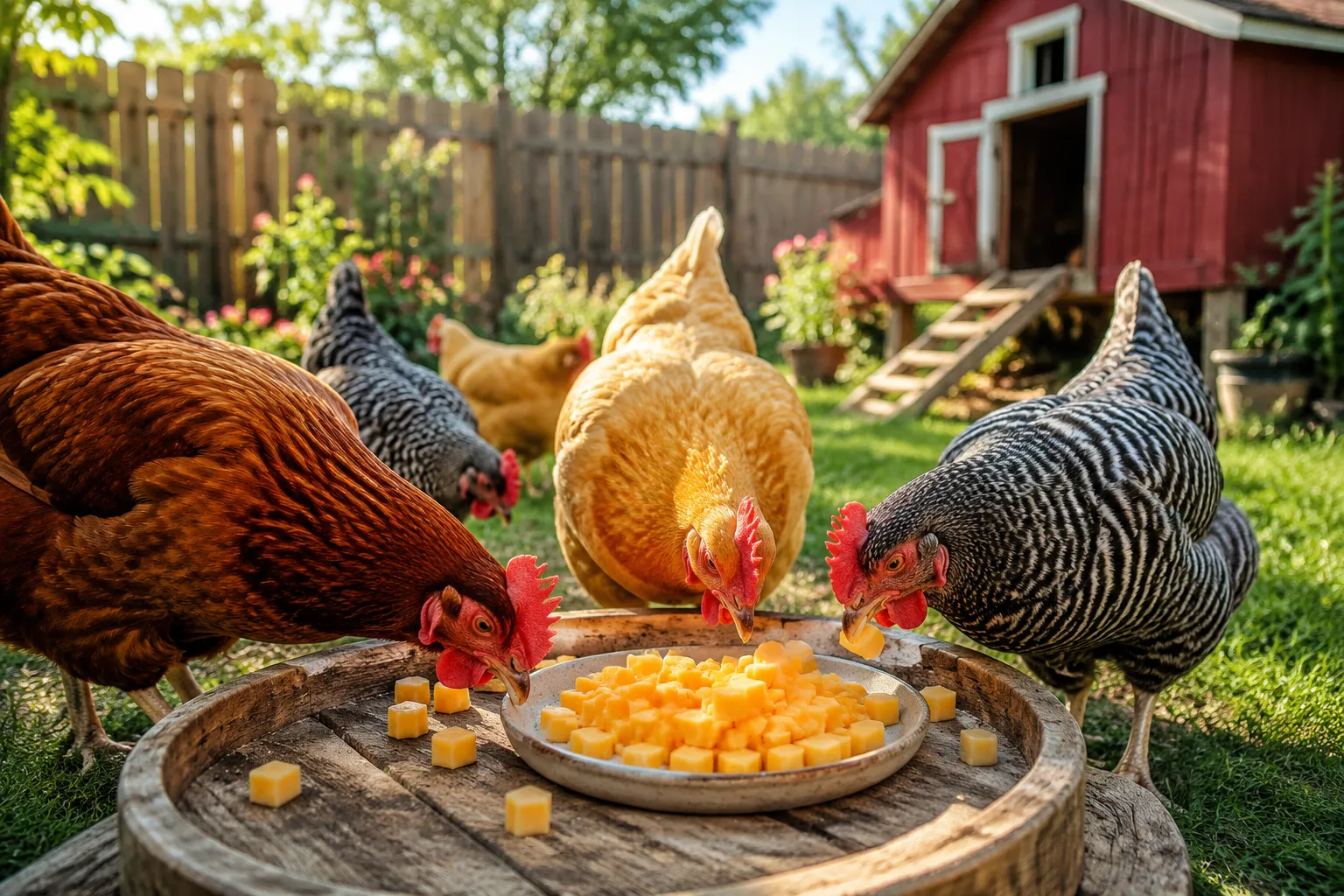
Quick Answer: Yes, chickens can eat cheese in small amounts as an occasional treat. Cheese provides protein and calcium, but it should never make up more than 10% of their diet because chickens lack the enzymes to digest lactose efficiently. Stick to mild, low-lactose varieties like cheddar or mozzarella, and avoid moldy or heavily processed cheese.
Key Takeaways
- Chickens can safely eat cheese in moderation, but they are lactose intolerant to varying degrees
- Limit cheese treats to 1-2 tablespoons per chicken per week maximum
- Hard, aged cheeses like cheddar and parmesan are better choices than soft, high-lactose varieties
- Never feed chickens moldy cheese, as certain molds produce toxins harmful to poultry
- Baby chicks should not eat cheese until they’re at least 8-10 weeks old
- Excessive cheese consumption can cause digestive upset, obesity, and reduced egg production
- Cottage cheese and plain yogurt are better dairy options due to lower lactose content
- Mealworms typically provide better nutritional value than cheese for backyard chickens
- Always provide cheese as a supplement to a balanced layer feed, not a replacement
Is Cheese Safe for Chickens to Eat?
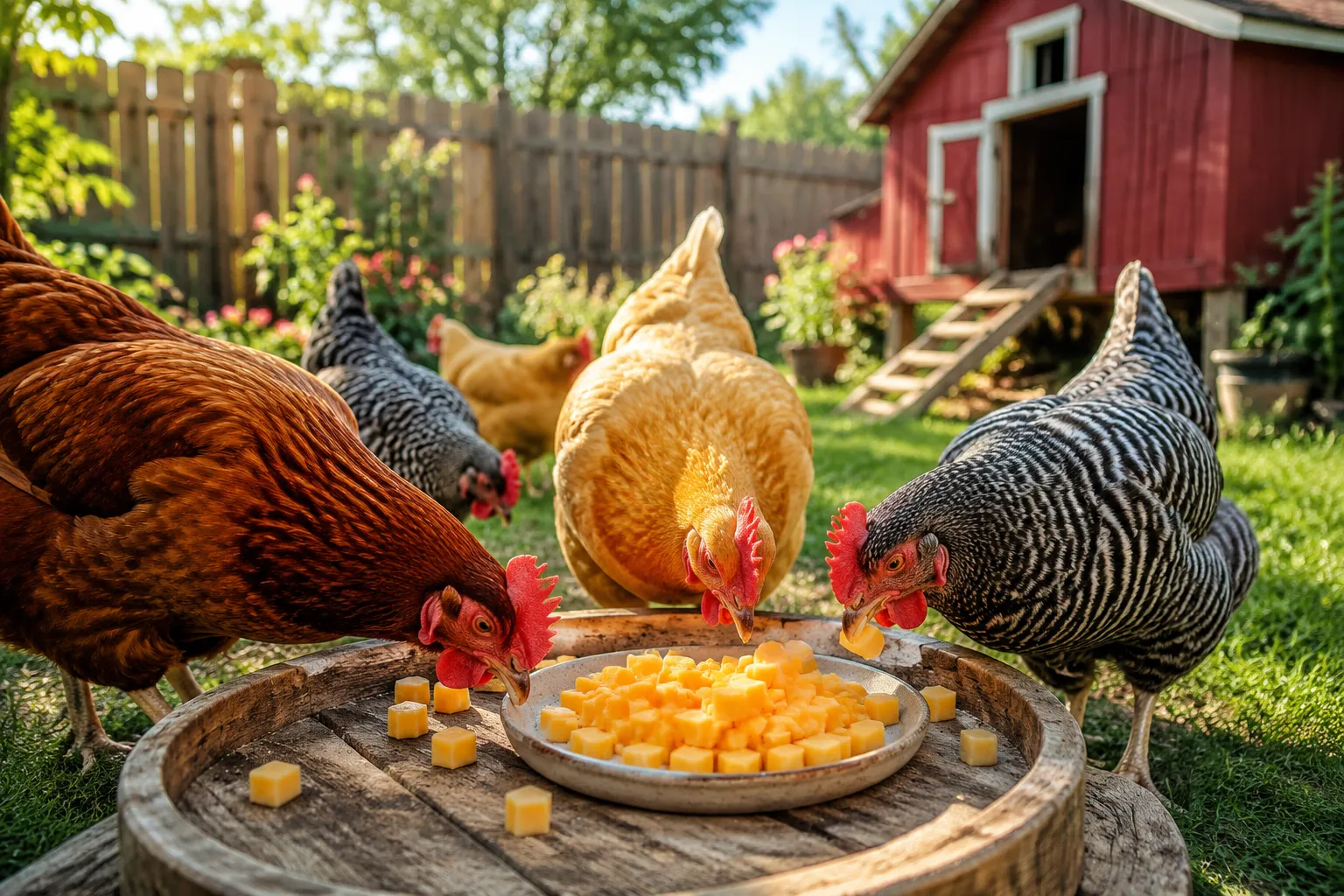
Cheese is generally safe for chickens when offered in small quantities as an occasional treat. Chickens can digest cheese and benefit from its protein and calcium content, but they lack sufficient lactase enzymes to break down lactose efficiently, which means dairy products should be limited.
The safety of cheese for chickens depends on several factors:
- Quantity: Small amounts (1-2 tablespoons per bird per week) are safe; larger portions can cause digestive problems
- Type: Hard, aged cheeses contain less lactose and are easier to digest than soft, fresh varieties
- Freshness: Only offer fresh cheese; moldy or spoiled cheese can contain harmful mycotoxins
- Individual tolerance: Some chickens tolerate dairy better than others
Common mistake: Many backyard chicken keepers assume that because chickens eagerly eat cheese, it must be good for them. Chickens will eat almost anything offered, so enthusiasm doesn’t equal nutritional appropriateness.
Choose cheese if your flock needs a quick protein boost during molting season or winter, but skip it if any birds show signs of digestive upset like watery droppings.
What Types of Cheese Can Chickens Have?

Chickens can safely eat hard, aged cheeses like cheddar, parmesan, Swiss, and mozzarella because these varieties contain significantly less lactose than soft cheeses. The aging process breaks down much of the lactose, making them easier for chickens to digest.
Best cheese options for chickens:
- Cheddar (sharp or mild): Low lactose, high protein, easy to crumble
- Mozzarella: Relatively low lactose, mild flavor most chickens enjoy
- Parmesan: Very low lactose due to long aging, nutrient-dense
- Swiss: Low lactose, good calcium source
- Gouda: Aged varieties have minimal lactose
Cheeses to avoid or limit:
- Cream cheese (very high lactose and fat)
- Brie and Camembert (high moisture, spoils quickly)
- Blue cheese (mold strains may be harmful)
- Processed cheese products (high sodium and additives)
- Any cheese with added herbs, garlic, or onion (toxic to chickens)
Shred or cut cheese into small pieces about the size of a pea to prevent choking and encourage sharing among the flock.
How Much Cheese Can I Give My Chickens?
Chickens should receive no more than 1-2 tablespoons of cheese per bird per week, which translates to roughly 10-15 grams. This amount provides a protein boost without overwhelming their digestive system or displacing their nutritionally complete layer feed.
Portion guidelines by flock size:
- Single chicken: 1 tablespoon once or twice weekly
- Small flock (3-5 birds): 3-5 tablespoons total, divided among birds
- Medium flock (6-12 birds): Half cup total, offered 1-2 times weekly
- Large flock (12+ birds): Three-quarters cup maximum per week
The 90/10 rule applies to all chicken treats: 90% of their diet should come from quality layer feed, and only 10% from treats like cheese, fruits, vegetables, and other supplements.
Decision rule: If you’re already offering other treats (mealworms, kitchen scraps, fruits), reduce cheese portions accordingly to stay within the 10% treat threshold. Too many treats can lead to nutritional imbalances and decreased egg production.
Monitor your flock’s droppings after introducing cheese. Normal droppings are firm with a white urate cap. If you notice watery or unusually loose droppings, reduce or eliminate cheese from their diet.
Can Chickens Eat Moldy Cheese?
No, chickens should never eat moldy cheese unless it’s an intentionally cultured variety like blue cheese, and even then, it’s best avoided. While some molds are harmless, others produce mycotoxins that can cause serious health problems in poultry, including liver damage, reduced immunity, and even death.
The risks of feeding moldy cheese include:
- Aflatoxin exposure: Certain molds produce aflatoxins that are highly toxic to chickens
- Respiratory issues: Mold spores can irritate chickens’ sensitive respiratory systems
- Digestive upset: Spoiled cheese can cause vomiting, diarrhea, and crop impaction
- Reduced egg production: Mycotoxins interfere with reproductive function
Exception: Blue cheese and Roquefort contain Penicillium roqueforti, a specific mold strain used in production. While not immediately toxic, these cheeses are high in fat and sodium, making them poor choices for chickens anyway.
If you discover mold on cheese you planned to share with your flock, discard it entirely. The visible mold is just the surface growth; invisible mycotoxins may have spread throughout the cheese.

Are Chickens Lactose Intolerant?
Yes, chickens are functionally lactose intolerant because they produce very little lactase, the enzyme needed to break down lactose (milk sugar). Unlike mammals that nurse their young, birds have no evolutionary need to digest milk, so they lack the biological machinery to process dairy efficiently.
What this means in practice:
- Chickens can handle small amounts of low-lactose dairy without severe symptoms
- Large quantities of high-lactose dairy (milk, cream, soft cheese) cause digestive distress
- Individual tolerance varies; some chickens show sensitivity at lower doses than others
- Fermented dairy products (yogurt, kefir) are better tolerated because beneficial bacteria pre-digest much of the lactose
Symptoms of lactose overload in chickens:
- Watery or foamy droppings
- Decreased appetite
- Lethargy or hunched posture
- Pasty vent (droppings stuck to feathers around the cloaca)
- Reduced egg production
Choose cottage cheese or plain yogurt over regular cheese when possible. These fermented products contain active cultures that aid digestion and provide probiotics that support gut health.
Can Baby Chicks Eat Cheese?
Baby chicks should not eat cheese until they reach at least 8-10 weeks of age. Young chicks have extremely sensitive digestive systems that require specialized starter feed formulated for their rapid growth and development. Introducing cheese too early can cause digestive upset, nutritional imbalances, and failure to thrive.
Why chicks need to wait:
- Their digestive systems are still developing and even less equipped to handle lactose than adult birds
- Chicks require precise protein ratios (18-20%) that cheese disrupts
- Early treat introduction can cause chicks to reject their nutritionally complete starter feed
- Young birds are more susceptible to digestive problems and bacterial imbalances
Timeline for introducing treats:
- 0-8 weeks: Chick starter feed only, plus clean water
- 8-10 weeks: Tiny amounts of soft treats like scrambled egg (no cheese yet)
- 10-16 weeks: Gradually introduce small portions of appropriate treats, including minimal cheese
- 16+ weeks: Adult treat guidelines apply (10% of diet maximum)
If you want to offer a protein boost to growing chicks, choose scrambled eggs, finely chopped hard-boiled eggs, or chick-appropriate mealworms instead of cheese.
What Happens If Chickens Eat Too Much Cheese?
When chickens consume excessive cheese, they typically experience digestive upset, nutritional imbalances, and potential long-term health problems. The immediate effects usually appear within 6-24 hours and can range from mild discomfort to serious complications requiring veterinary intervention.
Short-term effects of cheese overconsumption:
- Diarrhea: Watery, foul-smelling droppings due to undigested lactose
- Crop issues: Cheese can form a sticky mass in the crop, leading to impaction or sour crop
- Dehydration: Diarrhea causes fluid loss that must be replenished
- Lethargy: Digestive discomfort makes chickens less active
- Reduced feed intake: Feeling unwell causes chickens to eat less of their nutritious layer feed
Long-term effects of regular overfeeding:
- Obesity: Cheese is calorie-dense and high in fat
- Fatty liver disease: Excess dietary fat accumulates in the liver
- Decreased egg production: Nutritional imbalances disrupt laying cycles
- Poor egg quality: Thin shells, watery whites, or irregular shapes
- Weakened immune system: Imbalanced nutrition compromises disease resistance
Treatment for cheese overconsumption: Remove all treats, provide plenty of fresh water, offer plain layer feed, and monitor droppings. Most chickens recover within 24-48 hours. If symptoms persist beyond two days or worsen, consult an avian veterinarian.
Can Cheese Cause Health Problems in Chickens?
Yes, cheese can cause several health problems in chickens when fed improperly or in excessive amounts. While occasional small portions are generally safe, regular or large servings of cheese contribute to obesity, digestive disorders, reproductive issues, and metabolic problems.
Specific health concerns:
Obesity and fatty liver disease: Cheese contains 20-35% fat depending on variety. Overweight chickens have difficulty moving, are prone to heat stress, and often develop fatty liver hemorrhagic syndrome, a potentially fatal condition where fat accumulates in the liver.
Egg binding: Obese hens are at higher risk for egg binding, a life-threatening condition where an egg becomes stuck in the reproductive tract. The excess body fat physically restricts the passage of eggs.
Bumblefoot: Heavier chickens put more pressure on their feet, increasing the risk of bumblefoot (plantar pododermatitis), a painful bacterial infection of the foot pad.
Sodium toxicity: Many cheeses are high in sodium. Chickens require only about 0.15% sodium in their diet. Excessive sodium causes increased thirst, watery droppings, and in severe cases, neurological symptoms or death.
Calcium-phosphorus imbalance: While cheese provides calcium, it also contains phosphorus. An improper calcium-to-phosphorus ratio interferes with calcium absorption and can lead to weak bones and poor eggshell quality.
Prevention strategy: Treat cheese as an occasional reward, not a regular supplement. If your chickens need extra protein or calcium, choose options specifically formulated for poultry nutrition.
Cheese vs Mealworms for Chickens: Which Is Better?
Mealworms are nutritionally superior to cheese for backyard chickens in almost every scenario. Mealworms provide a protein profile closer to chickens’ natural diet, contain no lactose, and deliver essential nutrients without the health risks associated with dairy products.
Nutritional comparison:
| Nutrient | Mealworms (per 100g) | Cheddar Cheese (per 100g) | Winner |
|---|---|---|---|
| Protein | 20-24g | 25g | Tie |
| Fat | 12-18g | 33g | Mealworms |
| Calcium | 50-150mg | 720mg | Cheese* |
| Lactose | 0g | 0.1-2g | Mealworms |
| Sodium | Low | 620mg | Mealworms |
*While cheese wins on calcium content, chickens absorb calcium better from sources like oyster shell or layer feed.
When to choose mealworms:
- During molting season (high protein supports feather regrowth)
- In cold weather (protein and fat provide energy)
- For training or bonding with chickens
- As a daily or frequent treat (within the 10% limit)
- For chickens with lactose sensitivity
When cheese might be acceptable:
- As an occasional variety treat (once or twice monthly)
- When mealworms aren’t available
- For chickens that refuse other protein sources
- In very small amounts during extreme cold snaps
Cost consideration: Dried mealworms typically cost $15-30 per pound, while cheese costs $4-8 per pound. However, because mealworms are more nutritionally appropriate, they represent better value despite the higher price.
Can Chickens Eat Cottage Cheese or Yogurt?
Yes, chickens can eat cottage cheese and plain yogurt, and these fermented dairy products are actually better choices than regular cheese. The fermentation process reduces lactose content and introduces beneficial probiotics that support digestive health, making them easier for chickens to tolerate.
Cottage cheese for chickens:
Cottage cheese contains about 3-4% lactose compared to 4-5% in milk, and its soft texture makes it easy for chickens to eat. Offer 1-2 tablespoons per chicken weekly, mixed with their regular feed or served separately.
Benefits: High protein (11g per 100g), good calcium source, soft texture suitable for sick or elderly chickens.
Best practices: Choose low-sodium, full-fat varieties without added flavors or ingredients. Avoid cottage cheese with chives, onion, or garlic, which are toxic to chickens.
Plain yogurt for chickens:
Plain, unsweetened yogurt is the best dairy option for chickens. Active cultures (Lactobacillus and Bifidobacterium) pre-digest lactose and provide probiotics that improve gut health and boost immunity.
Benefits: Probiotic support, easier digestion than cheese, can help prevent or treat diarrhea, supports chickens recovering from illness or antibiotic treatment.
Serving suggestions: Offer 1-2 tablespoons per chicken 2-3 times weekly. Mix with layer feed, use as a base for other treats, or freeze in summer for a cooling snack.
Important: Always choose plain, unsweetened yogurt. Flavored varieties contain added sugars that are unhealthy for chickens. Greek yogurt is fine but offers no advantage over regular yogurt for poultry.
Do Chickens Like the Taste of Cheese?
Yes, most chickens enthusiastically enjoy the taste of cheese and will eagerly consume it when offered. Chickens are attracted to cheese’s rich, savory flavor, high fat content, and soft or crumbly texture, which makes it easy to eat and digest compared to harder treats.
Why chickens love cheese:
- Umami flavor: Cheese contains glutamates that create a savory taste chickens find appealing
- High fat content: Chickens instinctively seek calorie-dense foods, especially in cold weather
- Novelty: Chickens are curious and enjoy variety in their diet
- Texture: Soft or shredded cheese is easy to peck and swallow
Flock dynamics and cheese:
When you offer cheese to a flock, expect competition. Dominant birds will typically claim the treat first, sometimes preventing lower-ranking chickens from getting any. To ensure fair distribution:
- Shred or crumble cheese into many small pieces
- Scatter pieces in multiple locations
- Supervise treat time to prevent bullying
- Offer treats in a large, shallow dish rather than a pile
Individual preferences: While most chickens love cheese, some birds show little interest or actively avoid it. This is normal and may indicate those individuals have lower lactose tolerance or simply prefer other treats.
Training potential: Because chickens find cheese so appealing, small cheese pieces work excellently for training chickens to come when called, enter the coop at dusk, or become comfortable with handling.
Best Protein Treats for Backyard Chickens
The best protein treats for backyard chickens include mealworms, black soldier fly larvae, scrambled eggs, cooked fish, and plain yogurt. These options provide high-quality protein that supports egg production, feather growth, and overall health without the drawbacks associated with cheese.
Top protein treat options ranked:
Mealworms and black soldier fly larvae: 20-24% protein, natural food source, chickens love them, excellent for molting season. Serve dried or live, 1-2 tablespoons per bird 2-3 times weekly.
Scrambled or hard-boiled eggs: 13% protein, complete amino acid profile, highly digestible. Offer unseasoned, chopped into small pieces, once or twice weekly.
Plain yogurt: 10% protein plus probiotics, supports gut health, good for chickens recovering from illness. Serve 1-2 tablespoons per bird 2-3 times weekly.
Cooked fish (salmon, sardines, tuna): 20-25% protein, omega-3 fatty acids support egg quality. Offer boneless, unseasoned, once weekly in small amounts.
Sunflower seeds: 20% protein, healthy fats, chickens enjoy cracking them. Limit to 1 teaspoon per bird daily due to high fat content.
Cooked legumes (lentils, chickpeas): 8-9% protein, fiber, budget-friendly. Serve fully cooked (never raw), mashed or whole, 1-2 tablespoons per bird weekly.
Protein needs by life stage:
- Chicks (0-8 weeks): 18-20% protein from starter feed
- Growers (8-16 weeks): 16-18% protein from grower feed
- Layers (16+ weeks): 16-18% protein from layer feed
- Molting chickens: 20-22% protein to support feather regrowth
Common mistake: Overfeeding protein treats thinking more is better. Excessive protein can stress kidneys and cause health problems. Stick to the 90/10 rule: 90% complete feed, 10% treats.
Feeding Chickens Dairy Products: Mistakes to Avoid
Many well-intentioned chicken keepers make critical mistakes when feeding dairy products that can harm their flock’s health. Understanding these common errors helps you provide treats safely and responsibly.
Top mistakes and how to avoid them:
Mistake 1: Feeding dairy daily or in large amounts
Dairy should be an occasional treat, not a dietary staple. Limit all dairy (cheese, yogurt, cottage cheese) to 2-3 times weekly maximum, with total dairy not exceeding 10% of overall diet.
Mistake 2: Offering milk or cream
Liquid milk and cream contain much higher lactose levels than cheese or yogurt. Chickens cannot digest these well and will develop severe diarrhea. Stick to fermented or aged dairy products only.
Mistake 3: Feeding flavored or sweetened dairy
Yogurt with fruit, sweetened cottage cheese, or cheese with added herbs (especially garlic or onion) can be harmful. Always choose plain, unsweetened varieties.
Mistake 4: Leaving dairy out in warm weather
Dairy spoils quickly in heat, promoting bacterial growth that can cause food poisoning. Offer dairy treats in morning or evening when temperatures are cooler, and remove uneaten portions within 20-30 minutes.
Mistake 5: Assuming all chickens tolerate dairy equally
Individual tolerance varies significantly. Watch for signs of digestive upset (watery droppings, lethargy, decreased appetite) and adjust or eliminate dairy for sensitive birds.
Mistake 6: Using dairy to replace proper nutrition
Dairy treats cannot replace a nutritionally complete layer feed. Chickens need balanced nutrition with proper ratios of protein, vitamins, minerals, and amino acids that only formulated feed provides.
Mistake 7: Feeding dairy to sick chickens without guidance
While probiotics in yogurt can help some digestive issues, dairy is inappropriate for chickens with certain illnesses. Consult an avian veterinarian before using dairy as a treatment.
Safe dairy feeding checklist:
✅ Choose aged cheese, plain yogurt, or cottage cheese
✅ Limit to 1-2 tablespoons per bird per serving
✅ Offer 2-3 times weekly maximum
✅ Serve in cool weather or cooler parts of the day
✅ Remove uneaten portions promptly
✅ Monitor droppings for signs of digestive upset
✅ Ensure 90% of diet comes from quality layer feed
Frequently Asked Questions
Can chickens eat cheese rinds?
Yes, chickens can eat natural cheese rinds from varieties like parmesan or cheddar. Avoid wax-coated rinds (like those on Gouda or Edam) as the wax is indigestible. Cut natural rinds into small pieces to prevent choking.
Is shredded cheese better than block cheese for chickens?
Shredded cheese is better because it’s easier for chickens to eat, distributes more evenly among the flock, and reduces choking risk. Avoid pre-shredded cheese with added cellulose or anti-caking agents; shred block cheese yourself.
Can chickens eat cheese every day?
No, chickens should not eat cheese daily. Limit cheese to 1-2 times per week maximum to prevent digestive issues, obesity, and nutritional imbalances. Daily treats should come from more appropriate sources like vegetables or grains.
What should I do if my chicken ate too much cheese?
Remove all treats, provide plenty of fresh water, and offer only their regular layer feed. Monitor for watery droppings, lethargy, or decreased appetite. Most chickens recover within 24-48 hours. Contact a vet if symptoms persist or worsen.
Can roosters eat cheese?
Yes, roosters can eat cheese following the same guidelines as hens: small amounts (1-2 tablespoons) of low-lactose varieties 1-2 times weekly. Roosters have the same lactose intolerance as hens.
Is cheese good for molting chickens?
Cheese provides protein that can support feather regrowth during molting, but mealworms, black soldier fly larvae, or high-protein game bird feed are better choices. If offering cheese during molt, limit to twice weekly and prioritize other protein sources.
Can chickens eat pizza cheese?
Chickens can eat plain mozzarella from pizza in small amounts, but avoid pizza cheese that’s been cooked with garlic, onion, or excessive oil. Remove any seasoning or toppings before offering. Fresh mozzarella is a better choice than leftover pizza cheese.
Do I need to refrigerate cheese before giving it to chickens?
Serve cheese at cool or room temperature, not hot or frozen. Refrigerated cheese is fine but let it sit for 5-10 minutes before serving so it’s not ice-cold, which can be uncomfortable for chickens to eat.
Can chickens eat cheese with herbs?
Avoid cheese with garlic, onion, chives, or leeks, as these are toxic to chickens. Cheese with safe herbs like basil, oregano, or thyme in small amounts is acceptable, but plain cheese is always the safest choice.
Will cheese help chickens gain weight?
Yes, cheese’s high fat and calorie content can help underweight chickens gain weight, but it should be part of a broader strategy including increased feed access and addressing underlying health issues. For healthy chickens, cheese can cause unwanted weight gain.
Can cheese improve egg production?
Cheese does not improve egg production and may actually decrease it if fed in excess. Proper egg production requires balanced nutrition from quality layer feed, adequate calcium (from oyster shell or feed), and appropriate protein levels.
Is organic cheese better for chickens?
Organic cheese offers no significant advantage for chickens over conventional cheese. Focus on cheese type (aged, low-lactose varieties) and portion size rather than organic certification when choosing cheese for your flock.
Conclusion
Chickens can safely enjoy cheese as an occasional treat when offered responsibly. Stick to aged, low-lactose varieties like cheddar, mozzarella, or parmesan in small portions of 1-2 tablespoons per bird, no more than twice weekly. Remember that chickens are lactose intolerant and lack the enzymes to digest dairy efficiently, so moderation is essential.
Never feed moldy cheese, avoid offering cheese to chicks under 8-10 weeks old, and always prioritize nutritionally complete layer feed as 90% of your flock’s diet. When choosing between cheese and other protein treats, mealworms, scrambled eggs, and plain yogurt typically offer better nutritional value with fewer risks.
Your next steps:
- Assess your current treat-feeding practices and ensure all treats (including cheese) stay within the 10% guideline
- If you’ve been overfeeding cheese, gradually reduce portions while monitoring your flock’s droppings and behavior
- Stock up on more appropriate protein treats like dried mealworms or black soldier fly larvae
- Keep plain yogurt on hand as a better dairy alternative that provides probiotics
- Watch individual chickens for signs of lactose intolerance and adjust accordingly
By treating cheese as an occasional indulgence rather than a dietary staple, you’ll keep your flock healthy, happy, and producing quality eggs for years to come.


