
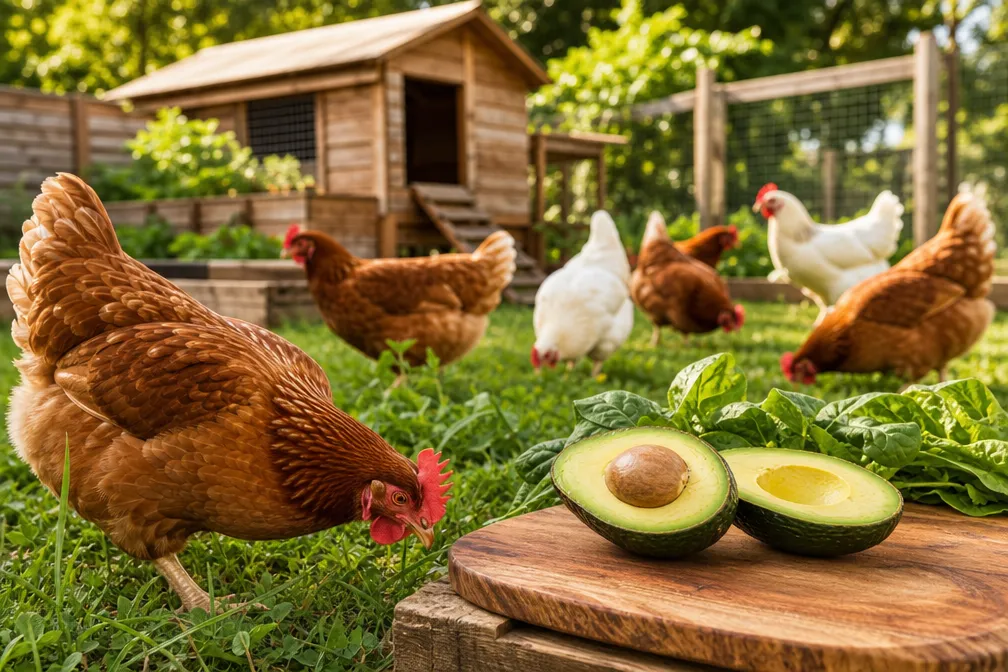
Quick Answer: No, chickens should not eat avocado. Avocados contain persin, a fungicidal toxin that is highly dangerous to chickens and can cause heart damage, respiratory distress, and death even in small amounts. While the flesh contains lower persin levels than the skin and pit, no part of the avocado is considered safe for chickens.
Key Takeaways
- Avocados are toxic to chickens due to persin, a compound that damages the heart and respiratory system
- All parts contain persin, but the skin, pit, and leaves have the highest concentrations
- Even small amounts can be fatal, there is no established safe quantity for chickens
- Symptoms appear within 12-48 hours and include difficulty breathing, weakness, and sudden death
- Immediate veterinary care is critical if a chicken consumes any avocado
- All avocado varieties are toxic to chickens, including Hass, Fuerte, and others
- Safe fruit alternatives include watermelon, berries, apples (without seeds), and grapes
- Baby chicks are even more vulnerable to persin toxicity than adult birds
- Guacamole and avocado-based foods are also dangerous due to avocado content
Is Avocado Toxic to Chickens?
Yes, avocado is highly toxic to chickens. The avocado plant (Persea americana) contains a fungicidal compound called persin that is harmless to humans but extremely dangerous to many bird species, including chickens. Persin causes cardiovascular damage and respiratory failure in poultry, and even small exposures can be fatal.
Persin is present throughout the entire avocado plant, in the fruit, leaves, bark, and seeds. When chickens ingest persin, it accumulates in their heart tissue and causes myocardial necrosis (death of heart muscle cells). This damage can occur rapidly, sometimes within 24 hours of exposure.
Why chickens are particularly vulnerable:
- Birds lack the enzymes needed to break down and eliminate persin effectively
- Their small body size means even tiny amounts represent a significant dose
- Chickens are curious foragers and may eat avocado if it’s accessible
- The compound affects both the cardiovascular and respiratory systems simultaneously
The toxicity is well-documented in veterinary literature, and avocado consistently appears on every reputable list of foods to avoid feeding chickens.
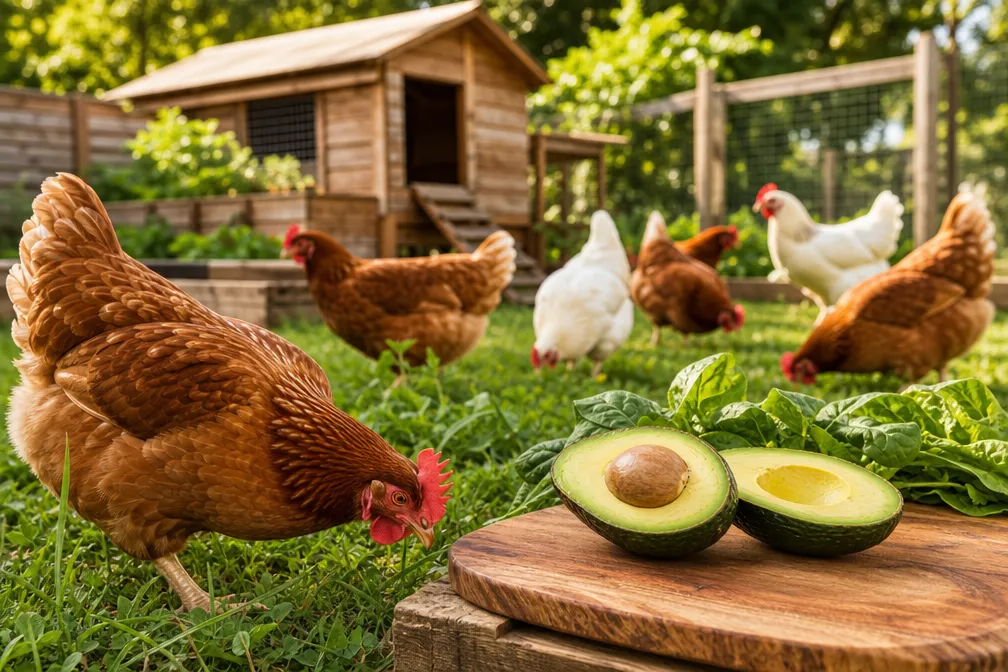
What Part of Avocado Is Poisonous to Chickens?
All parts of the avocado contain persin, but the concentration varies significantly by plant part. The skin (peel), pit (seed), and leaves contain the highest levels of persin, making them the most dangerous. The bark and young leaves of avocado trees are also highly toxic.
The flesh of the avocado contains lower persin concentrations than other parts, but it is still toxic to chickens and should never be fed to them. The common misconception that “only the pit and skin are dangerous” has led to accidental poisonings when chicken keepers offered flesh thinking it was safe.
Persin concentration by part (highest to lowest):
- Leaves and bark, extremely high persin levels
- Pit (seed), very high concentration
- Skin (peel), high concentration
- Flesh, lower but still dangerous levels
Even if you carefully remove all skin and avoid the pit, the flesh alone contains enough persin to harm or kill a chicken. There is no safe way to prepare avocado for chicken consumption.
Can Chickens Eat Avocado Flesh Safely?
No, chickens cannot safely eat avocado flesh. While the flesh contains lower persin levels than the skin and pit, it still poses a serious toxicity risk. Multiple documented cases of chicken deaths have occurred from consuming only the flesh portion of avocados.
The variation in persin content between individual avocados makes it impossible to determine a “safe” amount. Factors like avocado variety, ripeness, growing conditions, and storage can all affect persin levels. What might cause mild symptoms in one chicken could be fatal to another.
Why even small amounts of flesh are dangerous:
- Persin accumulates in heart tissue over time
- Individual chickens have varying sensitivity levels
- Smaller or younger birds are more vulnerable
- Combined with other stressors, even low doses can be fatal
Some chicken keepers report their birds accidentally ate small amounts without immediate visible effects, but this doesn’t mean it’s safe. Subclinical damage to the heart may occur without obvious symptoms, potentially shortening the bird’s lifespan or making them more vulnerable to other health challenges.
The safest approach: Keep all avocado parts completely away from your flock.
Symptoms of Avocado Poisoning in Chickens
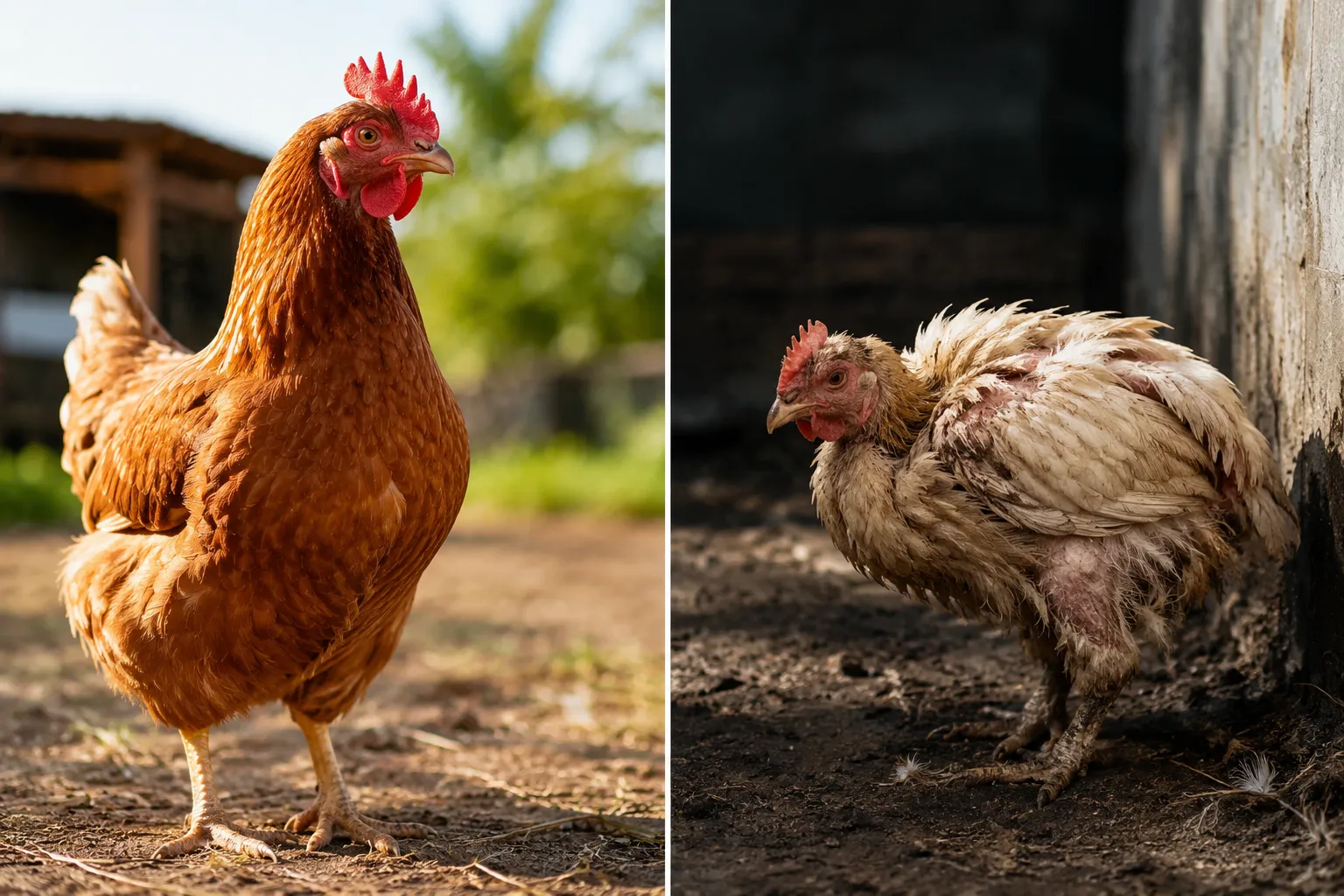
Symptoms of avocado poisoning typically appear within 12 to 48 hours after ingestion, though acute cases may show signs sooner. The primary effects target the cardiovascular and respiratory systems, and symptoms can progress rapidly from mild distress to death.
Common symptoms include:
- Respiratory distress, labored breathing, open-mouth breathing, gasping
- Weakness and lethargy, reluctance to move, sitting hunched with ruffled feathers
- Loss of appetite, refusing food and water
- Decreased egg production, in laying hens
- Fluid accumulation, swelling around the chest and abdomen (subcutaneous edema)
- Sudden death, often without prior visible symptoms
In severe cases, chickens may die suddenly with no warning signs. Post-mortem examinations typically reveal fluid accumulation around the heart (pericardial effusion), enlarged heart, and congested lungs.
Progression timeline:
- 0-12 hours: May appear normal or show subtle lethargy
- 12-24 hours: Respiratory symptoms become apparent, weakness increases
- 24-48 hours: Severe distress or death occurs in most cases
- Beyond 48 hours: Birds that survive may have permanent heart damage

Important note: If you observe any of these symptoms and suspect avocado exposure, seek veterinary care immediately. Time is critical.
How Much Avocado Will Kill a Chicken?
There is no established safe threshold for avocado consumption in chickens because even small amounts can be fatal. The lethal dose varies based on the chicken’s size, age, overall health, and the persin concentration in the specific avocado consumed.
Documented cases show that chickens have died from consuming as little as one or two small pieces of avocado flesh. Larger amounts of high-persin parts (skin, pit) can cause death even more rapidly. Because persin content varies between avocados, it’s impossible to predict exactly how much will cause toxicity in any individual bird.
Factors affecting toxicity:
- Chicken size and age, bantams and chicks are more vulnerable than large breeds
- Part consumed, pit and skin are more dangerous than flesh
- Avocado variety, some varieties contain higher persin levels
- Individual sensitivity, varies between birds
- Repeated exposure, persin may accumulate over time
Risk assessment by amount:
- Any amount of pit or skin: High risk of severe poisoning or death
- Small piece of flesh (1-2 bites): Moderate to high risk depending on bird size
- Larger amounts of flesh: Very high risk of rapid death
Because the risk is unpredictable and potentially fatal, the only safe amount of avocado for chickens is zero.
Can Chickens Eat Avocado Skin and Pit?
Absolutely not. The avocado skin (peel) and pit (seed) contain the highest concentrations of persin and are extremely dangerous to chickens. These parts should never be accessible to your flock under any circumstances.
The pit is particularly hazardous for two reasons: it contains very high persin levels, and it also poses a choking hazard due to its size and hardness. Chickens may peck at a discarded pit out of curiosity, ingesting small pieces that can cause rapid toxicity.
Why skin and pit are especially dangerous:
- Persin concentration is 2-3 times higher than in the flesh
- Faster symptom onset, often within hours
- Higher mortality rate, most exposures are fatal
- Choking risk from pit fragments
If you eat avocados at home, dispose of the skin and pit in a secure compost bin or trash container that chickens cannot access. Never toss avocado scraps into the chicken run or compost pile where birds forage.
Safe disposal practices:
- Use a covered compost bin that chickens cannot enter
- Place avocado waste in sealed trash bags
- Keep kitchen scraps separate from chicken-safe treats
- Educate family members and visitors about the danger
What to Do If Your Chicken Ate Avocado
If you discover that your chicken has consumed any amount of avocado, treat it as a medical emergency and act quickly. Time is critical because persin toxicity can progress rapidly.
Immediate steps:
- Remove the chicken from the flock, isolate in a quiet, warm, well-ventilated space
- Contact an avian veterinarian immediately, explain the situation and amount consumed
- Provide fresh water, ensure the bird stays hydrated
- Monitor closely, watch for respiratory distress, weakness, or other symptoms
- Do not attempt home remedies, activated charcoal or induced vomiting may not be effective and could cause additional stress
Information to provide your veterinarian:
- How much avocado was consumed (estimate if unknown)
- Which part (flesh, skin, pit, or unknown)
- Time since consumption
- Current symptoms or behavior changes
- Chicken’s age, breed, and size
Veterinary treatment options may include:
- Supportive care (fluids, oxygen therapy)
- Medications to support heart and respiratory function
- Monitoring for complications
- Hospitalization in severe cases
Unfortunately, there is no specific antidote for persin poisoning. Treatment focuses on supporting the bird’s vital functions while the toxin is metabolized. The prognosis depends on the amount consumed and how quickly treatment begins.
Prevention is key: The best treatment is preventing exposure in the first place.
Safe Fruits for Chickens Instead of Avocado
Chickens can safely enjoy many fruits as healthy treats, providing vitamins, hydration, and enrichment. These alternatives are nutritious and pose no toxicity risk when fed in moderation.
Excellent safe fruit options:
- Watermelon, hydrating, loved by chickens, especially in summer
- Berries, strawberries, blueberries, raspberries, blackberries
- Apples, remove seeds (contain small amounts of cyanide), chop into pieces
- Grapes, cut in half for smaller birds to prevent choking
- Melons, cantaloupe, honeydew (including the rinds)
- Bananas, high in potassium, feed ripe or slightly overripe
- Peaches and plums, remove pits, which contain cyanide compounds
- Pears, remove seeds, chop into manageable pieces
- Pumpkin, flesh and seeds (seeds may help with parasite control)
- Tomatoes, ripe only (avoid green tomatoes and leaves, which are toxic)
Feeding guidelines:
- Treats should be 10% or less of total diet, layer feed should remain the primary food
- Chop into appropriate sizes, prevents choking and makes eating easier
- Remove uneaten fruit, prevents mold growth and pest attraction
- Introduce new foods gradually, watch for digestive upset
- Provide variety, different fruits offer different nutrients
Fruits to avoid or limit:
- Citrus, may reduce calcium absorption; feed sparingly
- Dried fruits, high sugar content; offer occasionally in small amounts
- Avocado, never safe in any amount
Chickens also enjoy vegetables like leafy greens, squash, cucumbers, and peppers, which can round out a healthy treat rotation.
Why Is Persin Dangerous for Chickens?
Persin is a fungicidal toxin that avocado plants produce as a natural defense against pathogens. While harmless to humans and some animals, persin is highly toxic to birds, horses, rabbits, and some other species due to differences in metabolism and physiology.
In chickens, persin primarily damages the cardiovascular system. It causes necrosis (cell death) in the heart muscle, leading to weakened heart function and potential heart failure. The toxin also affects the respiratory system, causing fluid accumulation in the lungs and air sacs.
How persin affects chickens:
- Myocardial damage, destroys heart muscle cells, weakening the heart’s pumping ability
- Pericardial effusion, fluid accumulates around the heart, restricting its movement
- Pulmonary edema, fluid builds up in the lungs, making breathing difficult
- Systemic inflammation, affects multiple organ systems
Why chickens can’t process persin:
Birds lack certain liver enzymes that mammals use to break down and eliminate persin. Without these enzymes, the toxin accumulates in tissues, particularly in the heart, where it causes progressive damage. The compound’s fat-soluble nature allows it to integrate into cell membranes, disrupting normal cellular function.
The severity of persin toxicity in birds has been confirmed through both accidental poisonings and controlled research studies. The mechanism is well-understood in veterinary toxicology, making avocado one of the most consistently dangerous foods for poultry.
Can Baby Chicks Eat Avocado?
No, baby chicks should never eat avocado, and they are even more vulnerable to persin toxicity than adult chickens. Their smaller body size means that even tiny amounts represent a proportionally larger dose, and their developing organs are less able to handle toxins.
Chicks have immature immune systems and less developed detoxification pathways in their livers. This makes them more susceptible to poisoning from various substances, including persin. A piece of avocado that might cause mild symptoms in an adult hen could be rapidly fatal to a chick.
Why chicks are at higher risk:
- Smaller body mass, toxins reach dangerous concentrations more quickly
- Developing organs, heart and liver are more vulnerable to damage
- Immature metabolism, less able to process and eliminate toxins
- Higher metabolic rate, toxins circulate and act faster
Additional considerations for chicks:
Young birds should be fed a complete starter feed formulated for their nutritional needs. Treats of any kind should be minimal or avoided entirely until chicks are at least 3-4 weeks old. When you do introduce treats, stick to proven safe options like finely chopped greens or tiny pieces of scrambled egg.
Safe feeding practices for chicks:
- Focus on quality starter feed (18-20% protein)
- Provide clean water at all times
- Avoid all treats until at least 3-4 weeks old
- Introduce safe treats gradually and in tiny amounts
- Never offer avocado, chocolate, raw beans, or other toxic foods
Keep avocado and other dangerous foods completely away from brooder areas where chicks are housed.
Do Backyard Chickens Like Avocado?
Chickens are naturally curious foragers and will often peck at and taste new foods, including avocado if it’s accessible. However, whether they “like” it is irrelevant because it’s highly toxic to them. Many chickens will eat avocado if offered, which is why prevention is so important.
Some chicken keepers report that their birds showed little interest in avocado, while others say their chickens eagerly consumed it before becoming ill. Individual preferences vary, but chickens cannot instinctively identify persin as dangerous, they lack the evolutionary exposure to avocados that would create such an aversion.
Why chickens may eat avocado:
- Novelty, chickens investigate new items in their environment
- Soft texture, easy to peck and consume
- Fat content, chickens are attracted to energy-dense foods
- No bitter taste warning, persin doesn’t taste unpleasant to chickens
Important point: Never rely on chickens to “know” what’s safe. Birds will eat many toxic substances, including avocado, chocolate, and poisonous plants. It’s the keeper’s responsibility to control what’s accessible.
Prevention strategies:
- Keep avocado waste in secure containers
- Educate family members about chicken toxins
- Supervise free-ranging near avocado trees
- Never test whether your chickens “like” dangerous foods
The fact that a chicken will eat something doesn’t mean it’s safe, always research before offering new foods.
Are All Avocado Varieties Toxic to Chickens?
Yes, all avocado varieties contain persin and are toxic to chickens. This includes the common Hass avocado, as well as Fuerte, Reed, Bacon, Pinkerton, and all other cultivated varieties. The Guatemalan varieties (including Hass) tend to have higher persin levels than Mexican or West Indian types, but all should be considered dangerous.
Persin is a natural compound produced by all Persea americana plants as a defense mechanism. While concentration varies somewhat between varieties and even between individual fruits, no variety is safe for chickens.
Persin levels by variety type (general patterns):
- Guatemalan varieties (Hass, Reed, Pinkerton), typically highest persin
- Mexican varieties (Bacon, Zutano), moderate to high persin
- West Indian varieties (tropical types), lower but still dangerous persin levels
- Hybrid varieties, variable persin depending on parentage
Why variety doesn’t matter for safety:
Even the “lower persin” varieties contain enough of the toxin to harm chickens. The difference in concentration between varieties is not sufficient to make any type safe. Additionally, persin levels within a single variety can vary based on growing conditions, fruit maturity, and storage.
If you have avocado trees:
Chickens should not have access to fallen fruit, dropped leaves, or any part of avocado trees. Fence off avocado trees or keep chickens in a separate area. Fallen leaves and fruit can remain toxic even as they decompose.
Can Chickens Eat Guacamole or Avocado Dip?
No, chickens should never eat guacamole, avocado dip, or any food product containing avocado. These prepared foods contain avocado as a primary ingredient, making them just as dangerous as fresh avocado. Additionally, guacamole often contains other ingredients that may be harmful to chickens.
Why guacamole is dangerous:
- Contains avocado, the primary toxic ingredient
- High salt content, excessive sodium is harmful to chickens
- Onions and garlic, toxic to chickens in significant amounts
- Spices, may cause digestive upset
- Lime/lemon juice, high acidity can be problematic
Even if guacamole is mostly other ingredients with minimal avocado, it’s still unsafe. The persin content combined with potentially harmful additives makes any avocado-based food off-limits for chickens.
Other avocado products to avoid:
- Avocado oil (may contain trace persin, though less studied)
- Avocado toast or sandwiches
- Salads with avocado pieces
- Smoothies containing avocado
- Avocado-based sauces and dressings
Safe kitchen scrap alternatives:
Instead of avocado-containing foods, offer chickens safe kitchen scraps like vegetable peelings (except onion, potato skins), cooked rice or pasta, scrambled eggs, or fruit scraps from the safe list above.
When preparing meals with avocado, keep all scraps and waste away from areas where chickens forage or where you collect chicken-safe scraps.
FAQ
Can chickens die from eating a small piece of avocado?
Yes, chickens can die from eating even a small piece of avocado. The lethal dose varies by bird size and the persin concentration in that particular avocado, but documented cases show fatalities from just one or two small bites. There is no established safe amount.
How long after eating avocado will a chicken show symptoms?
Symptoms typically appear within 12 to 48 hours after ingestion, though some chickens may show signs sooner. In acute cases, respiratory distress and weakness can develop within just a few hours. Sudden death may occur with no prior visible symptoms.
Is avocado oil safe for chickens?
Avocado oil is not recommended for chickens. While the refining process may reduce persin content, it’s not completely eliminated, and the safety threshold is unknown. Given the serious risks of persin toxicity, it’s best to avoid all avocado products entirely.
What should I do with avocado pits and skins if I have chickens?
Dispose of avocado pits and skins in a secure, covered trash container or compost bin that chickens cannot access. Never toss them into the chicken run or open compost pile. Educate family members about proper disposal to prevent accidental exposure.
Can chickens recover from avocado poisoning?
Recovery is possible if the amount consumed was small and veterinary treatment begins quickly. However, many cases are fatal, and birds that survive may have permanent heart damage. The prognosis depends on dose, time to treatment, and individual bird factors.
Are avocado leaves toxic to chickens?
Yes, avocado leaves are highly toxic to chickens and contain very high persin concentrations. If you have avocado trees, prevent chickens from accessing fallen leaves. Leaves remain toxic even after drying or decomposing.
Can I feed my chickens foods that touched avocado?
It’s safest to avoid feeding chickens any food that has been in contact with avocado. While brief contact may transfer minimal persin, it’s impossible to know if the amount is dangerous. When in doubt, throw it out.
Do all birds react the same way to avocado?
No, toxicity varies by species. Chickens, parrots, canaries, and many other birds are highly susceptible to persin poisoning. Some bird species may be less sensitive, but all avocado should be considered dangerous to poultry.
What’s the difference between persin in avocado flesh versus the pit?
The pit contains 2-3 times more persin than the flesh, making it more immediately dangerous. However, both contain enough persin to harm or kill chickens. The flesh is not safe simply because it has lower concentrations.
Can chickens eat other foods from the same family as avocado?
Avocado belongs to the Lauraceae family, which includes bay laurel, cinnamon, and sassafras. Most of these are not common chicken foods. Bay leaves in small amounts are generally considered safe, but avocado is uniquely dangerous due to its high persin content.
Will cooking or freezing avocado make it safe for chickens?
No, persin is stable at both high and low temperatures. Cooking, freezing, or drying avocado does not eliminate the toxin or make it safe for chickens. All forms of avocado remain dangerous regardless of preparation method.
How can I tell if my chicken has been poisoned by avocado?
Look for labored breathing, open-mouth breathing, weakness, lethargy, ruffled feathers, and reluctance to move. Fluid accumulation may cause swelling around the chest. If you suspect avocado poisoning, contact an avian veterinarian immediately, time is critical.
Conclusion
Avocado is one of the most dangerous foods you can offer to chickens. The persin toxin found throughout the avocado plant, in the flesh, skin, pit, and leaves, causes severe cardiovascular and respiratory damage that is often fatal. No part of the avocado is safe, and no amount should be considered risk-free.
The best approach is complete prevention: keep all avocado products away from your flock, dispose of avocado waste securely, and educate everyone who interacts with your chickens about this serious danger. If accidental exposure occurs, treat it as a medical emergency and seek veterinary care immediately.
Fortunately, chickens can enjoy a wide variety of safe, nutritious treats including berries, melons, apples, grapes, and many vegetables. These alternatives provide enrichment and nutrition without the life-threatening risks of avocado.
Action steps for chicken keepers:
- Remove avocado from your list of potential chicken treats permanently
- Secure all avocado waste in covered containers
- If you have avocado trees, fence them off from chicken access
- Share this information with family members and visitors
- Keep a list of safe treat alternatives readily available
- Know your avian veterinarian’s contact information for emergencies
By staying informed and vigilant, you can keep your flock healthy and safe while still providing them with a varied, enjoyable diet. When it comes to avocado and chickens, the message is clear and simple: never, under any circumstances.


