
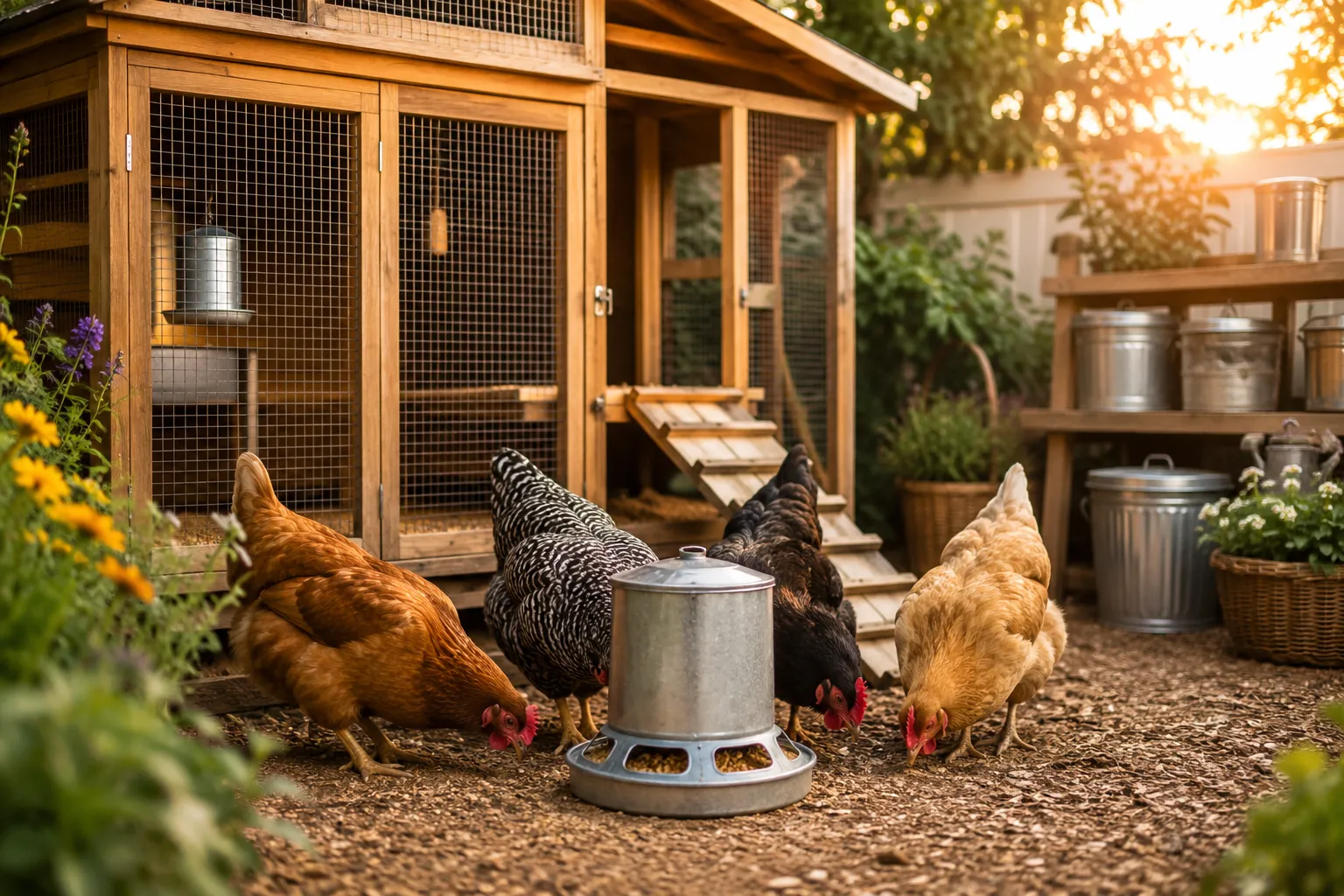
Quick Answer: Chickens themselves don’t attract rats, but their feed, water, eggs, and shelter create ideal conditions that draw rodents to your backyard. With proper feed storage, coop design, and daily management practices, you can keep chickens without inviting a rat problem. The key is eliminating easy food sources and entry points rather than avoiding chickens altogether.
Key Takeaways
- Feed is the main culprit, spilled chicken feed and open storage attract rats far more than the chickens themselves
- Proper storage prevents 80% of problems, metal bins with tight lids keep feed inaccessible to rodents
- Coop design matters, hardware cloth (not chicken wire), elevated coops, and sealed gaps block rat entry
- Daily cleanup is essential, removing uneaten feed each evening eliminates the primary food source
- Not all chicken owners face rats, urban and rural keepers can avoid rodent issues with consistent prevention
- Rats pose real risks, they can kill chicks, spread disease, and damage coops if left unchecked
- Natural deterrents work, peppermint oil, proper lighting, and removing hiding spots discourage rats
- Early detection saves trouble, droppings, burrows, and chewed feed bags signal a problem before it escalates
Why Do Rats Come Around Chicken Coops?
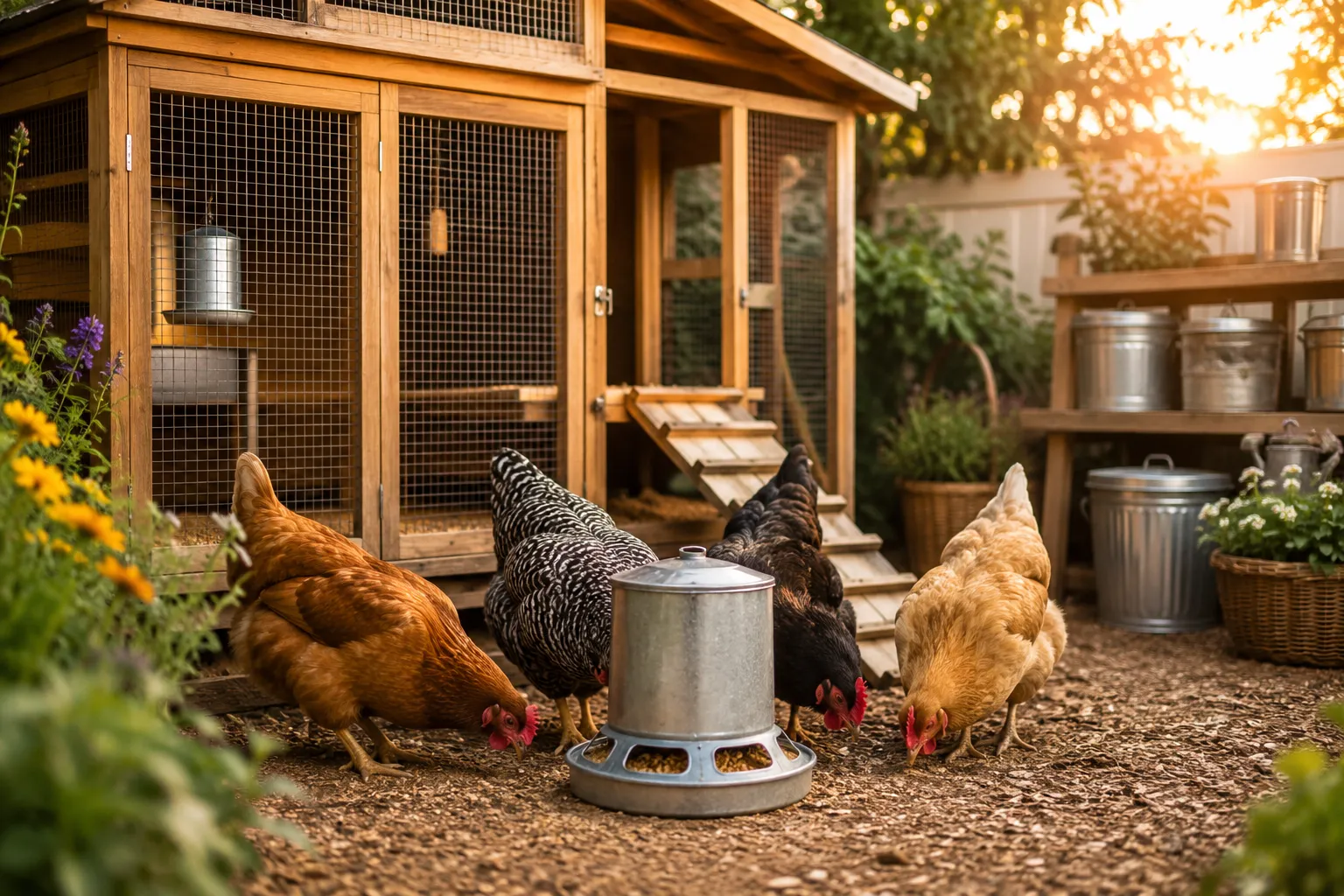
Rats are attracted to chicken coops because they offer three essentials: abundant food, reliable water, and safe shelter. The chicken feed itself is high in calories and easily accessible, making it far more appealing than the chickens. Rats also eat eggs, drink from waterers, and nest in the warm, protected spaces around coops.
What specifically draws rats:
- Spilled feed on the ground or in open containers
- Grain storage in bags or bins that rats can chew through
- Eggs left in nesting boxes overnight
- Water sources that remain accessible 24/7
- Warm shelter in coop walls, under floors, or in bedding piles
- Compost piles near the coop containing food scraps
Rats are opportunistic feeders that follow their noses to easy meals. A single chicken can waste up to 20% of its daily feed through scratching and spilling, creating a buffet for rodents. The combination of food abundance and safe nesting sites makes chicken areas prime real estate for rat colonies.
Common mistake: Many chicken keepers focus on the coop structure but ignore the 10-foot radius around it where feed gets scattered during daily activities. Rats establish burrows in this zone and commute to the food source.
Do Chickens Attract Rats to Your Backyard?
Chickens don’t inherently attract rats to your yard, but poor chicken-keeping practices absolutely do. A well-managed chicken setup with proper feed storage and daily cleanup poses no more rat risk than a bird feeder or vegetable garden. The difference lies entirely in how you handle feed, waste, and coop maintenance.
Choose chickens if:
- You can commit to daily feed removal and cleanup
- You have secure metal storage containers
- You’re willing to invest in rat-proof coop design
- You can inspect for signs of rodents weekly
Reconsider or delay if:
- You travel frequently and can’t maintain daily routines
- Your budget doesn’t allow for proper feeders and storage
- You already have a rat problem that needs addressing first
- Local regulations prohibit effective rodent control methods
The reality is that many suburban and urban yards already have rats passing through, drawn by garbage, pet food, fruit trees, and compost. Chickens become a problem only when they add a new, easily accessible food source to an area where rats are already present or nearby.
What Attracts Rats More: Chickens or Their Feed?
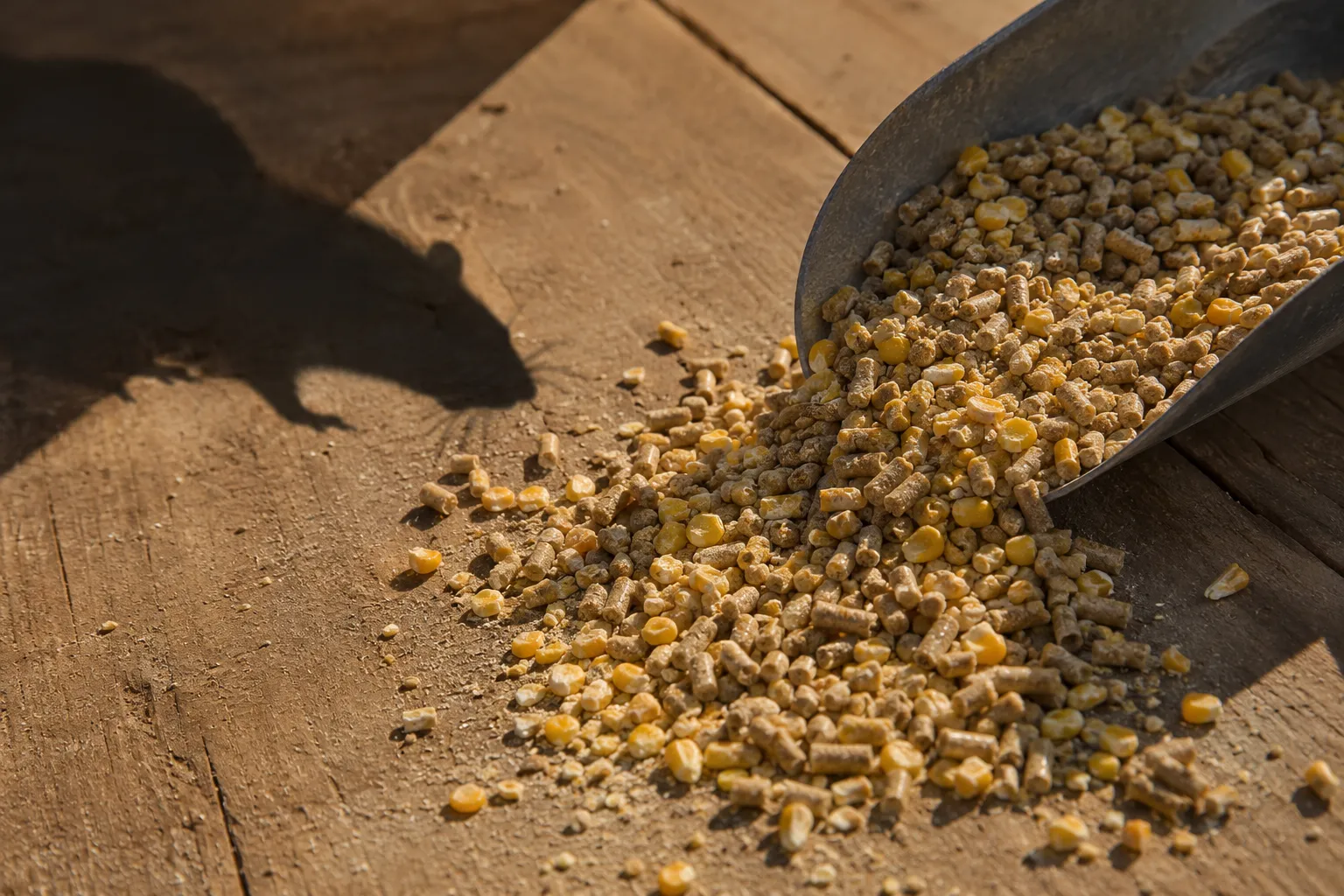
Chicken feed attracts rats overwhelmingly more than the chickens themselves. Rats view chickens as potential threats and typically avoid direct contact with adult birds. The feed, however, is a concentrated source of grains, seeds, and protein that rats can smell from hundreds of feet away and access without risk.
Attraction hierarchy (most to least):
- Spilled feed on the ground, immediate, easy access
- Open feed bags or bins, rats chew through paper and thin plastic in minutes
- Automatic feeders that dispense 24/7, constant food availability
- Eggs in nesting boxes, high protein, easy to steal
- Chicken waterers, reliable hydration source
- Chicken droppings, minimal attraction, occasionally eaten
- Live chickens, not a food source for rats
A single cup of spilled chicken feed contains enough calories to feed several rats for a day. Multiply that by daily feeding routines, and you create a sustainable food source that supports a growing rat population. In contrast, rats rarely attack healthy adult chickens and view them more as competitors for space.
Edge case: Baby chicks under 3 weeks old are vulnerable to rat attacks, especially at night. Rats will kill and eat chicks if they can access brooders or nesting areas, making secure housing critical during the first month.
Do All Chicken Owners Have Rat Problems?
No, most responsible chicken owners never develop rat problems. Success depends on three factors: starting with good prevention habits, maintaining consistent daily routines, and addressing early warning signs before they escalate. Chicken keepers who treat rodent prevention as part of their standard care rarely see rats.
Statistics from the chicken-keeping community suggest:
- Approximately 30-40% of backyard chicken owners report seeing rats at some point
- Of those, about half resolve the issue with improved feed management alone
- Only 10-15% face persistent rat problems requiring professional intervention
- Urban chicken keepers report slightly higher rates than rural keepers, likely due to existing rat populations
The difference between chicken owners with and without rat problems usually comes down to feed discipline. Those who remove uneaten feed each evening, store grain in metal containers, and clean up spills immediately rarely attract rats. Those who leave feeders full overnight or store feed in bags create conditions that guarantee rodent visitors.
Decision rule: If you can honestly commit to 10 minutes of evening cleanup daily, your rat risk drops by approximately 70-80% compared to leaving feed available all night.
Will Getting Chickens Bring Mice and Rats to My Yard?
Getting chickens will bring rats and mice to your yard only if you provide them with accessible food and shelter. If your feed storage is secure, your coop is properly sealed, and you practice daily cleanup, chickens won’t create a new rodent problem. However, if rats are already in your neighborhood, poor chicken management will definitely attract them to your specific property.
Before getting chickens, assess your current situation:
- Walk your yard at dusk and look for rat burrows (2-3 inch holes near foundations or fences)
- Check for rat droppings near garbage cans, compost, or pet food areas
- Ask neighbors if they’ve seen rats recently
- Look for chewed wires, holes in siding, or tunnels under sheds
If you already have rats, adding chickens without addressing the existing problem will make it worse. If your yard is currently rat-free, proper chicken management will keep it that way.
For urban chicken keepers: Cities with dense housing often have resident rat populations that move between properties. Your chickens won’t create rats, but they’ll redirect existing rats to your yard if you’re not careful. The solution is prevention from day one, not hoping rats won’t notice.
How to Keep Rats Away from Chickens
Keeping rats away from chickens requires a three-layer approach: eliminating food sources, blocking access to shelter, and maintaining daily vigilance. No single tactic works alone, but combining proper storage, coop design, and cleanup routines creates an environment where rats can’t thrive.
Daily prevention habits:
- Remove all feed at dusk, bring feeders inside or use treadle feeders that close when chickens aren’t using them
- Clean up spills immediately, sweep around feeders and waterers each evening
- Collect eggs twice daily, don’t leave them overnight as rat bait
- Inspect for droppings, check corners, under feeders, and along fence lines weekly
- Remove water at night (optional), rats need water; removing it makes your coop less attractive
Feed storage rules:
- Use metal trash cans with locking lids, rats can’t chew through steel
- Store feed in a garage, shed, or sealed container, never in bags
- Keep storage areas clean and check for chewed corners monthly
- Buy feed in quantities you’ll use within 2-3 weeks to minimize storage time
Coop and run modifications:
- Replace chicken wire with 1/4-inch hardware cloth on all openings, rats squeeze through 1/2-inch gaps
- Elevate coops 12-18 inches off the ground to eliminate nesting space underneath
- Seal all gaps larger than 1/4 inch with metal flashing or hardware cloth
- Install metal flashing around the base of wooden coops to prevent chewing
- Bury hardware cloth 12 inches deep around the run perimeter to stop burrowing
Common mistake: Using chicken wire for rodent protection. Chicken wire keeps chickens in but does nothing to keep rats out. Hardware cloth with 1/4-inch or 1/2-inch mesh is essential for rodent barriers.
Chicken Coop Design to Prevent Rats
Rat-proof chicken coop design focuses on eliminating entry points, removing nesting opportunities, and making the structure difficult for rodents to breach. The best coops incorporate prevention features during construction rather than trying to retrofit later.
Essential design features:
Foundation and floor:
- Elevate the coop 12-24 inches on posts or blocks
- Use a solid wood or concrete floor rather than dirt
- If using a dirt floor, bury 1/4-inch hardware cloth 12 inches deep around the perimeter
- Seal the gap between floor and walls with metal flashing
Walls and structure:
- Use 1/4-inch hardware cloth for all ventilation openings
- Install metal flashing on the bottom 18 inches of wooden walls
- Seal all gaps, cracks, and holes with steel wool and caulk
- Avoid double-wall construction that creates hidden nesting spaces
Doors and access points:
- Ensure doors close tightly with no gaps at the bottom
- Use metal thresholds or weather stripping to seal door bottoms
- Install automatic door closers that seal the coop at dusk
- Check that pop doors close completely and latch securely
Run and outdoor areas:
- Bury hardware cloth 12 inches deep around the entire run perimeter
- Use hardware cloth for the run roof if you have climbing rat species
- Remove brush piles, lumber stacks, and debris within 10 feet of the coop
- Keep grass and weeds trimmed short to eliminate hiding spots
Edge case: In areas with Norway rats (the large brown rats that burrow extensively), you may need to install an underground barrier of hardware cloth extending 24 inches out from the coop at a 90-degree angle to stop determined diggers.

Best Rat-Proof Chicken Feeders
Rat-proof chicken feeders work by restricting access to feed when chickens aren’t actively eating, either through weight-activated mechanisms or time-based removal. The best feeders eliminate nighttime feeding opportunities when rats are most active.
Top feeder types for rat prevention:
Treadle feeders:
- Chickens step on a platform that opens the feed compartment
- Rats are too light to trigger the mechanism
- Feed stays sealed and dry when not in use
- Initial cost: $80-200 depending on size
- Best for: Keepers who can’t remove feed daily
Hanging feeders (with discipline):
- Suspend feeders 6-8 inches off the ground
- Remove and store them indoors each evening
- Prevents ground feeding and spills
- Cost: $15-40
- Best for: Small flocks and disciplined keepers
Automatic feeders with timers:
- Dispense feed only during daylight hours
- Some models seal completely when closed
- Require electricity or batteries
- Cost: $100-300
- Best for: Tech-savvy keepers with power access
DIY treadle feeders:
- Build using PVC pipe, wood, and hinges
- Plans available free online
- Cost: $20-50 in materials
- Best for: Handy keepers on a budget
What doesn’t work:
- Standard open feeders left out 24/7
- Feeders placed directly on the ground
- Automatic feeders that dispense continuously
- Feeders with large spill trays that accumulate waste
Choose a treadle feeder if you work long hours or travel frequently and can’t maintain a strict feeding schedule. Choose hanging feeders if you’re home daily and can commit to evening removal.
Signs of Rats in Chicken Coop
Early detection of rats in your chicken coop allows you to address the problem before it becomes an infestation. Rats leave distinctive signs that are easy to spot if you know what to look for during daily coop checks.
Visual evidence:
- Droppings, dark, pellet-shaped, about 1/2 inch long, often in corners or along walls
- Burrow holes, 2-4 inch diameter openings near foundations, under feeders, or along fence lines
- Runways, smooth paths through grass or dirt where rats travel repeatedly
- Gnaw marks, fresh wood shavings near holes, chewed corners on feed bins
- Grease marks, dark smudges along walls where rats brush against surfaces repeatedly
- Nesting material, shredded paper, fabric, or bedding in hidden corners
Behavioral signs:
- Chickens acting nervous or refusing to enter the coop at dusk
- Eggs disappearing or showing small holes
- Feed disappearing faster than normal
- Chickens with unexplained injuries, especially on feet or combs
- Strange noises (scratching, squeaking) at night
Time-based detection:
Visit your coop 30 minutes after sunset with a flashlight. Rats are most active during the first hour of darkness. If you see movement or hear scratching, you have active rats.
Tracking test: Sprinkle a light layer of flour or baby powder near suspected entry points or along walls. Check the next morning for rat footprints (four toes on front feet, five on back, with a tail drag mark).
Common mistake: Assuming you don’t have rats because you don’t see them during the day. Rats are nocturnal and avoid human activity. Evidence is more reliable than sightings.
Are Rats Dangerous to Chickens?
Rats are dangerous to chickens, especially young chicks, and pose health risks to both birds and humans. While adult chickens can usually defend themselves against individual rats, persistent rat populations cause stress, injury, disease transmission, and economic loss.
Direct threats to chickens:
- Chick predation, rats kill and eat chicks under 4 weeks old, particularly at night
- Egg theft, rats chew holes in eggs and consume the contents
- Foot injuries, rats bite sleeping chickens’ feet and combs, causing infections
- Stress, constant rat presence causes anxiety, reduced laying, and weakened immunity
- Feed competition, rats consume significant amounts of expensive feed
Disease risks:
Rats carry and transmit several diseases that affect chickens and humans:
- Salmonella, spread through rat droppings contaminating feed and water
- Leptospirosis, bacterial disease transmitted through rat urine
- Rat-bite fever, bacterial infection from bites or scratches
- Parasites, rats host mites, lice, and fleas that transfer to chickens
Economic impact:
A small rat population (5-10 rats) can consume 20-30 pounds of chicken feed per month, costing $10-20. They also damage coop structures, wiring, and insulation, leading to repair costs of $100-500 if left unchecked.
When rats become an emergency:
- Finding dead or injured chicks
- Seeing rats during daylight hours (indicates large population)
- Discovering extensive burrow systems under the coop
- Chickens refusing to enter the coop at night
Do Urban Chickens Cause More Rat Infestations?
Urban chickens don’t inherently cause more rat infestations, but they can exacerbate existing urban rat problems if managed poorly. Cities already have established rat populations drawn to garbage, restaurants, and dense housing. Chickens become problematic only when they add a new, easily accessible food source to neighborhoods where rats are already present.
Urban-specific challenges:
- Higher baseline rat populations, cities have more rats per square mile than rural areas
- Closer neighbors, rats from your coop can quickly affect adjacent properties
- Limited space, smaller yards make it harder to maintain buffer zones around coops
- More regulations, cities often restrict rodent control methods available to homeowners
- Shared infrastructure, rats travel through connected sewers, alleys, and utility corridors
Urban advantages:
- Better access to professional pest control services
- More resources and community knowledge about rat prevention
- Stricter building codes that often result in better coop construction
- Smaller flocks that are easier to manage with disciplined feeding
Data perspective: Cities with legal backyard chickens (like Seattle, Portland, and Austin) haven’t seen measurable increases in rat complaints that correlate with chicken permit numbers. The key factor is enforcement of proper management practices, not chicken presence alone.
For urban keepers: Your responsibility is higher because your mistakes affect neighbors. Commit to gold-standard practices: metal storage, treadle feeders, daily cleanup, and monthly inspections. One poorly managed urban coop can create problems for an entire block.
Chicken Feed Storage to Avoid Attracting Rodents
Proper chicken feed storage is the single most effective way to prevent rats, more important than coop design or traps. Rats can smell grain from hundreds of feet away and will chew through paper, cardboard, thin plastic, and even some wooden containers to reach it.
Gold-standard storage method:
- Metal trash cans with locking lids, 20-30 gallon galvanized steel cans with clamp-down lids
- Indoor storage, keep feed in a garage, shed, or basement, not outdoors
- Elevated placement, store cans on pallets or shelves, not directly on the ground
- Clean surroundings, sweep up any spilled grain weekly
- Rotation system, buy only 2-3 weeks of feed at a time to minimize storage duration
What rats can defeat:
- Paper feed bags (chewed through in minutes)
- Plastic storage bins with snap lids (rats chew corners)
- Wooden bins without metal lining (rats gnaw through)
- Outdoor storage sheds with gaps (rats enter and nest inside)
- 5-gallon buckets with standard lids (rats can pry off or chew)
Budget-friendly options:
- Used metal trash cans from hardware stores ($20-40)
- Food-grade metal drums from restaurant suppliers ($30-60)
- Repurposed metal filing cabinets with sealed drawers ($0-20 used)
For large flocks:
If you store 100+ pounds of feed, use multiple smaller metal containers rather than one large bin. This limits exposure if one container is compromised and makes handling easier.
Treat storage location: Store scratch grains, mealworms, and treats with the same security as main feed. Rats are attracted to any grain-based food, and treats are often even more appealing due to higher fat content.
Common mistake: Storing feed properly but leaving empty bags in the coop or nearby. Even empty bags retain enough grain dust and smell to attract rats. Dispose of empty bags immediately in sealed trash.
Will Rats Attack Baby Chicks?
Yes, rats will attack and kill baby chicks, especially during the first 3-4 weeks of life when chicks are most vulnerable. Rats view chicks as easy prey rather than threats, and a single rat can kill multiple chicks in one night. Protecting chicks requires extra security measures beyond standard coop rat-proofing.
Why chicks are vulnerable:
- Small size (under 4 ounces) makes them easy targets
- Limited mobility and inability to fly to safety
- Weak defensive capabilities compared to adult chickens
- Heat lamps create warm, attractive environments for rats
- Brooder setups often have gaps rats can exploit
Brooder security checklist:
- Use a brooder with a secure lid made of hardware cloth, not just cardboard
- Elevate the brooder 24+ inches off the ground on a table or stand
- Inspect for gaps larger than 1/4 inch around the base and corners
- Keep the brooder indoors (garage, basement, spare room) rather than in a coop or shed
- Remove chick feed at night once chicks are 2+ weeks old and can go several hours without eating
- Check for rat signs (droppings, gnaw marks) around the brooder daily
Age-based risk:
- 0-2 weeks: Highest risk, chicks are tiny and completely defenseless
- 3-4 weeks: Moderate risk, chicks are larger but still vulnerable
- 5-6 weeks: Lower risk, chicks can flutter away and are approaching adult size
- 7+ weeks: Minimal risk, young chickens can defend themselves like adults
Warning signs of rat attacks on chicks:
- Chicks disappearing overnight with no trace
- Injured chicks with bite marks on legs or backs
- Chicks huddled in one corner, refusing to spread out
- Blood or feathers scattered in the brooder
- Chicks making distress calls at night
If you discover a rat attack: Move remaining chicks to a more secure location immediately, even if it’s a large plastic bin with a weighted hardware cloth lid. Address the rat problem before returning chicks to the original brooder.
Natural Ways to Deter Rats from Chicken Areas
Natural rat deterrents work best as part of a comprehensive prevention strategy, not as standalone solutions. While no natural method is 100% effective, combining several approaches can make your chicken area less attractive to rats without using poisons or traps.
Scent-based deterrents:
- Peppermint oil, soak cotton balls and place near suspected entry points; refresh weekly
- Predator urine, commercial fox or coyote urine around the coop perimeter
- Ammonia-soaked rags, place in areas where rats travel (not near chickens)
- Used cat litter, scatter around the outside of the coop to signal predator presence
Environmental modifications:
- Remove hiding spots, clear brush, lumber piles, and tall grass within 10 feet of the coop
- Install motion-activated lights, rats prefer darkness and avoid well-lit areas
- Maintain a gravel barrier, 2-3 foot wide gravel strip around the coop makes burrowing difficult
- Plant mint or lavender, strong-smelling herbs around the coop perimeter (limited effectiveness)
Predator encouragement:
- Barn cats, outdoor cats that hunt rodents (not all cats are effective ratters)
- Terrier dogs, breeds like Jack Russells are natural rat hunters
- Owl boxes, attract barn owls that hunt rats at night
- Hawk perches, tall posts that give raptors hunting vantage points
Effectiveness reality check:
Natural deterrents work best for prevention (keeping rats away from a clean area) rather than elimination (removing an established population). If you already have rats, you’ll need traps or professional help alongside natural methods.
What doesn’t work despite popular claims:
- Ultrasonic repellers (rats habituate quickly)
- Mothballs (ineffective and toxic to chickens)
- Human hair scattered around the coop
- Aluminum foil or reflective tape
Best natural approach: Combine environmental cleanup (removing food and shelter) with motion-activated lighting and a barn cat. This trinity addresses the three factors rats need: food, shelter, and safety from predators.
Conclusion
Chickens don’t attract rats, but the feed, water, and shelter that come with chicken keeping absolutely can. The good news is that with proper feed storage in metal containers, daily cleanup routines, and rat-proof coop design using hardware cloth and sealed entry points, you can successfully keep chickens without inviting rodent problems. The key is treating rat prevention as a core part of chicken care from day one, not as an afterthought when you spot the first droppings.
Your action plan:
- Before getting chickens: Assess your yard for existing rat signs and commit to daily feed management
- During coop setup: Invest in hardware cloth, metal feeders, and proper storage containers
- Daily routine: Remove feed at dusk, clean up spills, and collect eggs twice daily
- Weekly checks: Inspect for rat signs, maintain barriers, and address issues immediately
- If rats appear: Act fast with traps, environmental cleanup, and professional help if needed
The difference between chicken keepers with rat problems and those without comes down to discipline and prevention. Rats are opportunists that exploit easy food sources. When you eliminate those opportunities through secure storage, proper coop design, and consistent cleanup, you remove the incentive for rats to visit your property. Thousands of urban and suburban chicken keepers prove daily that responsible chicken keeping and rat-free yards are completely compatible.
Start with the fundamentals: metal storage containers, treadle or removed feeders, and hardware cloth barriers. These three investments prevent 80% of rat problems before they start. Add daily vigilance and quick response to early warning signs, and you’ll enjoy fresh eggs without unwanted visitors.
FAQ
Can I keep chickens without attracting rats?
Yes, you can keep chickens without attracting rats by storing feed in metal containers, removing uneaten feed each evening, and using hardware cloth to seal all coop openings larger than 1/4 inch. Proper management prevents rat problems in most cases.
What is the best way to store chicken feed?
Store chicken feed in galvanized metal trash cans with locking lids, kept indoors in a garage or shed. Rats cannot chew through metal, and indoor storage reduces odor that attracts rodents from a distance.
Will a treadle feeder stop rats completely?
Treadle feeders prevent rats from accessing feed when chickens aren’t eating, eliminating the primary food source. However, you still need proper feed storage and coop sealing for complete rat prevention, as rats may be attracted by other factors.
How do I know if rats are in my chicken coop?
Look for rat droppings (1/2 inch dark pellets), burrow holes 2-4 inches wide near the coop foundation, gnaw marks on wood or feed containers, and grease marks along walls. Visit the coop 30 minutes after sunset with a flashlight to spot active rats.
Are rats more attracted to chickens in the city?
Rats aren’t more attracted to chickens in cities, but urban areas already have higher rat populations. Poorly managed urban chickens can redirect existing rats to your property, making proper feed management even more critical in cities.
Can rats kill adult chickens?
Rats rarely kill healthy adult chickens but will attack baby chicks under 4 weeks old. Rats may bite the feet and combs of sleeping adult chickens, causing injuries and stress, but adult birds can usually defend themselves against individual rats.
What type of wire keeps rats out of chicken coops?
Use 1/4-inch or 1/2-inch hardware cloth to keep rats out of chicken coops. Standard chicken wire has openings too large to stop rats, which can squeeze through gaps as small as 1/2 inch.
Do I need to remove chicken feed every night?
Removing chicken feed every night eliminates the primary food source that attracts rats during their most active hours. This single practice reduces rat attraction by approximately 70-80% compared to leaving feed available 24/7.
Will getting rid of rats harm my chickens?
Snap traps and enclosed bait stations can eliminate rats without harming chickens if placed in areas chickens cannot access. Avoid poison baits in areas where chickens roam, as secondary poisoning can occur if chickens eat poisoned rats.
How long does it take for rats to find chicken feed?
Rats can detect the smell of chicken feed from hundreds of feet away and may investigate a new food source within 24-48 hours. Established rat populations in your neighborhood will find poorly stored feed even faster.
Can I use chicken wire to keep rats out?
No, chicken wire will not keep rats out because the openings are too large. Rats can squeeze through the standard 1-inch hexagonal openings in chicken wire. You must use hardware cloth with 1/4-inch or 1/2-inch mesh for rat exclusion.
What attracts rats more: chicken feed or eggs?
Chicken feed attracts rats more than eggs because it’s more abundant, easier to access, and available daily. However, rats will steal eggs if given the opportunity, so collect eggs twice daily and don’t leave them in nesting boxes overnight.


