
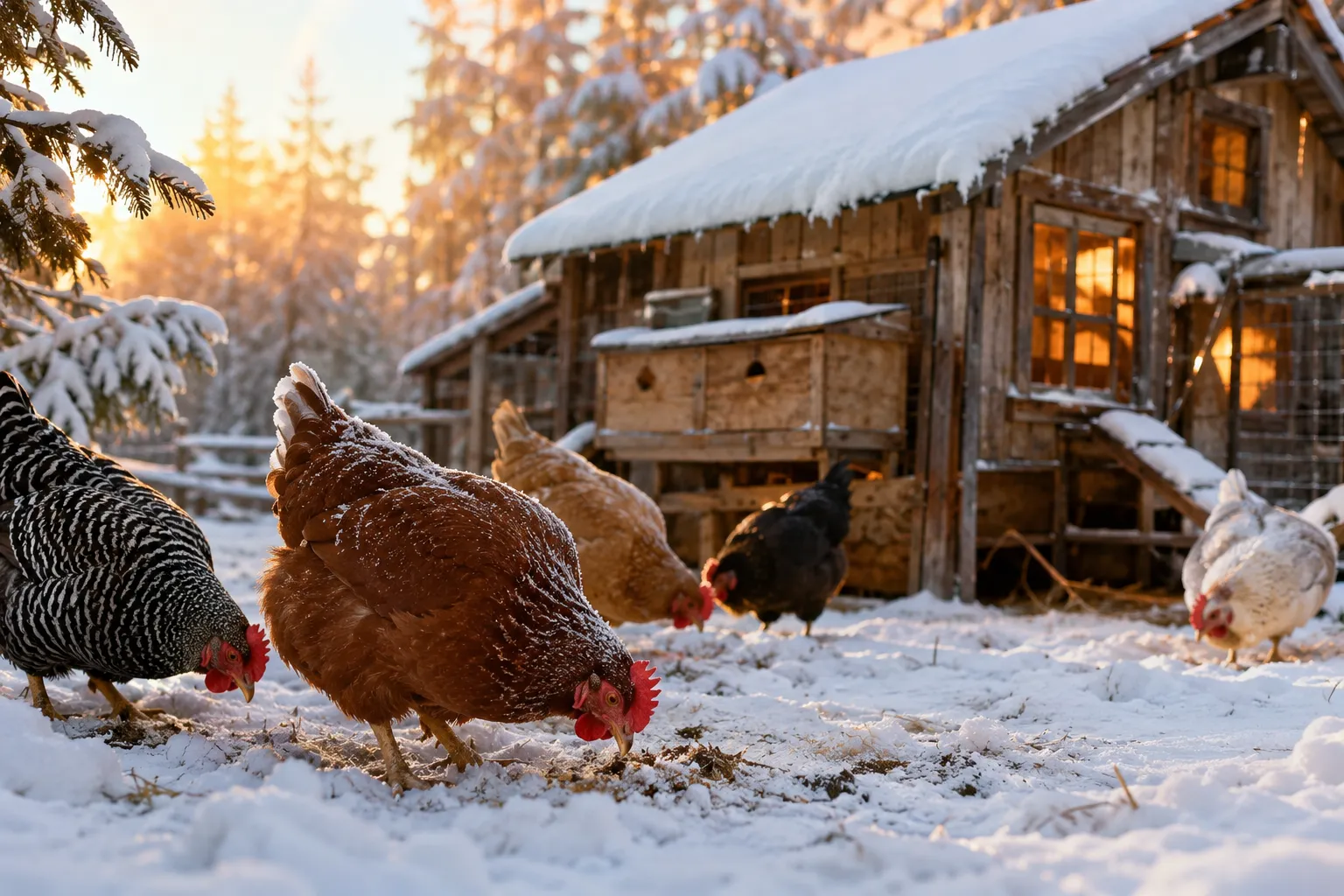
Quick Answer: Most adult chickens can tolerate temperatures down to 0°F (-18°C) and even lower when they’re healthy, dry, and protected from wind. The real danger isn’t cold alone, it’s moisture, drafts, and frostbite on exposed combs and wattles. Chickens generate significant body heat and have insulating feathers, but they need a draft-free coop, dry bedding, and access to unfrozen water to stay safe in winter.
Key Takeaways
- Adult chickens tolerate cold well: Healthy birds handle 0°F and below when dry and draft-free
- Moisture is the enemy: Wet feathers destroy insulation; ventilation prevents dangerous condensation
- Frostbite targets extremities: Large combs, wattles, and toes are vulnerable below 20°F
- Heat lamps are risky: Fire hazard outweighs benefits; chickens adapt naturally to gradual cold
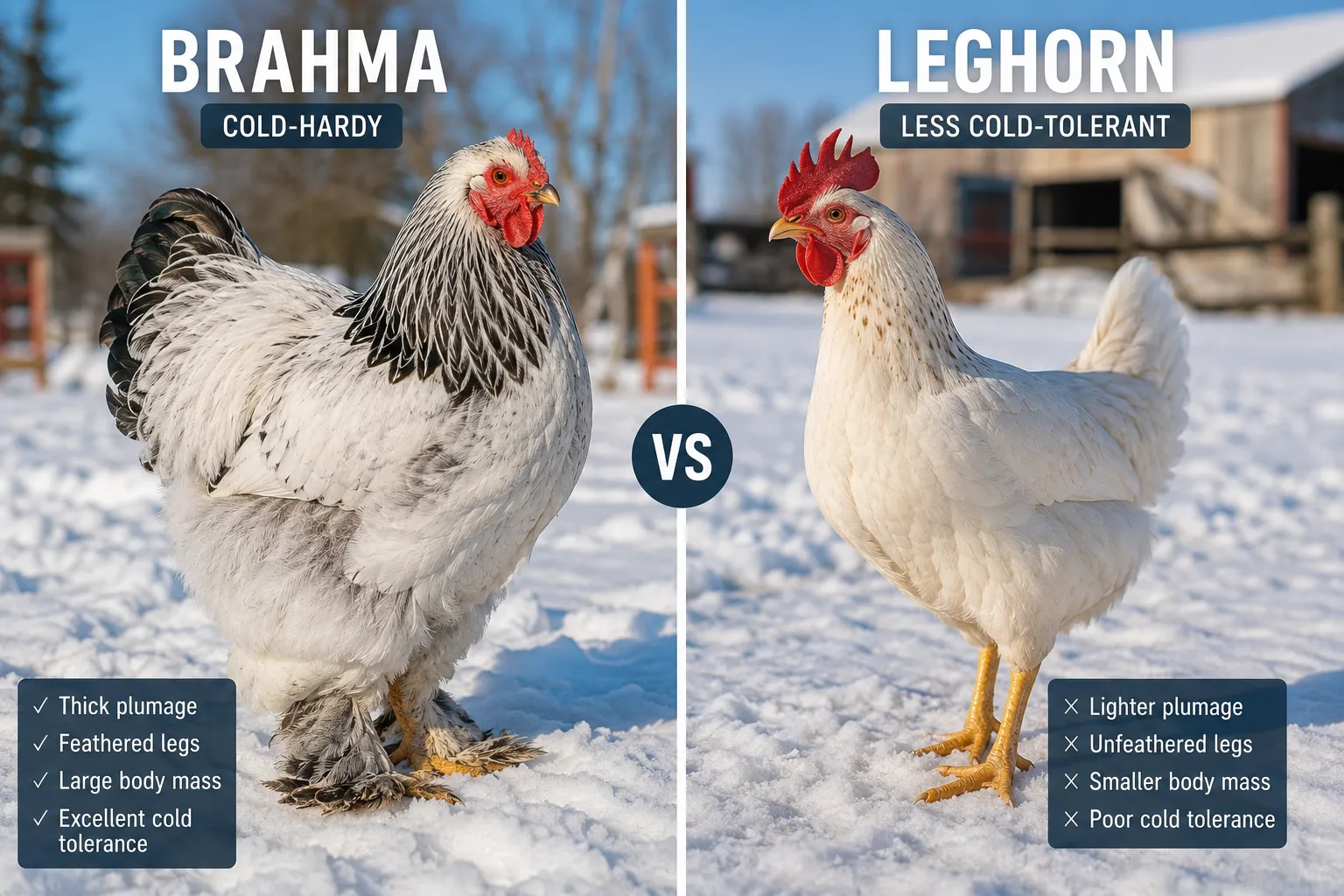
- Cold-hardy breeds excel: Breeds like Brahmas and Orpingtons handle winter better than Leghorns
- Chicks need warmth: Baby birds require 90-95°F initially, decreasing 5°F weekly until fully feathered
- Water matters most: Chickens need liquid water daily even in freezing weather
- Ventilation isn’t optional: Upper coop vents prevent ammonia buildup and moisture without creating drafts
- Watch for huddling: Extreme lethargy, refusal to leave roost, and puffed-up posture signal distress
- Winterizing works: Insulation, deep litter method, and windbreaks protect without electricity
What Temperature Is Dangerous for Chickens in Winter?
Temperatures become dangerous for chickens when they drop below 0°F (-18°C) combined with high winds, wet conditions, or inadequate shelter. However, the threshold varies significantly based on breed, age, health, and coop conditions rather than temperature alone.
Factors that determine cold tolerance:
- Breed type: Cold-hardy breeds with small combs tolerate -20°F; Mediterranean breeds struggle below 20°F
- Feather condition: Molting chickens have reduced insulation and need warmer conditions
- Wind chill: A 10°F day with 20 mph winds feels like -9°F to exposed chickens
- Moisture levels: Damp coops make 30°F feel colder than dry conditions at 0°F
- Acclimation: Chickens gradually exposed to falling temperatures adapt better than those facing sudden cold snaps
Temperature risk zones:
- Above 32°F: Safe for all healthy adult chickens with basic shelter
- 20-32°F: Monitor breeds with large combs for frostbite signs
- 0-20°F: Ensure excellent coop conditions; check water frequently
- Below 0°F: High-risk for frostbite; vulnerable birds may need intervention
The critical point: chickens die from frostbite complications, wet feathers, or inability to access food and water, not from cold air temperature alone when properly housed.
Can Chickens Survive Below Zero Temperatures?
Yes, chickens routinely survive temperatures well below zero when they have proper shelter, dry conditions, and protection from wind. Backyard flocks in Alaska, Canada, and northern U.S. states thrive through winters reaching -30°F to -40°F.
Chickens maintain a body temperature of approximately 106°F (41°C), significantly higher than humans. Their feathers trap air in multiple layers, creating exceptional insulation. A healthy chicken can fluff its feathers to increase this insulating layer by up to 30%, and they tuck their heads under wings while roosting to conserve heat.
What makes sub-zero survival possible:
- Metabolic heat generation: Digesting food produces warmth; chickens eat more in winter
- Communal roosting: Birds huddle together, sharing body heat
- Reduced blood flow: Chickens restrict circulation to extremities to protect core temperature
- Behavioral adaptation: Birds stay inside during extreme cold, venture out briefly to eat
When below-zero becomes deadly:
- Wet feathers from leaky roofs or poor ventilation
- Drafts that blow directly on roosting birds
- Frozen water sources preventing hydration
- Inadequate food access limiting heat generation
- Sudden temperature drops without acclimation time
Choose cold-hardy breeds if you live where temperatures regularly drop below zero, and prioritize coop quality over supplemental heating.
How Cold Is Too Cold for Chickens at Night?
Nighttime temperatures are less dangerous than daytime cold because chickens roost together in an enclosed coop, sharing body heat and protected from wind. Most adult chickens handle nighttime lows down to -10°F (-23°C) without intervention when roosting in a properly designed coop.
The overnight period actually offers advantages: chickens are inactive, conserving energy, and they naturally cluster together on roosts. A group of six chickens on a roost can raise the immediate air temperature around them by 10-15°F through combined body heat.
Nighttime cold protection checklist:
- Roosts, not nesting boxes: Chickens should sleep on roosts (off the cold floor) where they can fluff feathers around their feet
- Adequate roost space: Provide 10-12 inches per bird so they can huddle without overcrowding
- Draft-free walls: Seal gaps below roost level while maintaining upper ventilation
- Dry bedding: Deep litter method provides insulation from cold floors
- Closed pop door: Shut the coop entrance at dusk to retain heat
Red flags for too-cold nights:
- Birds refusing to roost (staying on floor indicates drafts on roosts)
- Chickens piling on top of each other (sign of inadequate roost space or extreme cold)
- Frost inside the coop walls (indicates poor ventilation and dangerous moisture)
- Chickens with fluffed feathers still shivering visibly
If nighttime temperatures will drop below -20°F, check your flock before bed and again at first light. Most cold-related deaths occur in the pre-dawn hours when temperatures hit their lowest point.
Do Chickens Need a Heat Lamp in Winter?
No, most chickens do not need a heat lamp in winter, and using one creates serious fire risks that outweigh the benefits. Healthy, fully-feathered adult chickens are built for cold weather and adapt naturally when temperatures drop gradually.
Heat lamps cause approximately 24,000 residential fires annually in the United States according to the National Fire Protection Association, with agricultural and backyard coops representing a significant portion. The combination of heat, dust, flammable bedding, and pecking birds creates a dangerous situation.
Why heat lamps are problematic:
- Fire hazard: Lamps fall, bulbs break, or bedding ignites from radiant heat
- Power outage risk: Birds dependent on heat suffer when electricity fails during winter storms
- Prevents acclimation: Artificial heat stops chickens from developing cold tolerance
- Creates moisture: Heat increases humidity, leading to wet bedding and frostbite
- Uneven heating: Birds near the lamp overheat while others remain cold
When heat might be justified:
- Sick or injured birds: Compromised chickens recovering in isolation
- Extreme cold snaps: Sudden drops to -30°F or below without acclimation time
- Actively molting birds: Chickens regrowing feathers lack full insulation
- Very small coops: Fewer than 3-4 birds can’t generate adequate communal heat
Safer alternatives to heat lamps:
- Heated roost bars (low-wattage, designed for coops)
- Insulated coop walls and ceiling
- Deep litter method for floor insulation
- Increased flock size for more body heat
- Windbreaks around the coop exterior
If you must use supplemental heat, choose a flat-panel radiant heater designed for coops, mounted securely away from bedding, and set to activate only below 0°F. Never use heat lamps with exposed bulbs.
Signs My Chickens Are Too Cold
Chickens show clear behavioral and physical signs when they’re dangerously cold, though normal cold-weather behavior can look concerning to new chicken keepers. Learn to distinguish between healthy cold adaptation and genuine distress.
Normal cold-weather behavior (not concerning):
- Standing on one leg, alternating to warm feet
- Fluffed feathers creating a round, puffy appearance
- Reduced activity and shorter foraging time
- Tucking head under wing while resting
- Huddling together in groups of 2-3 birds
Warning signs of dangerous cold:
- Lethargy and weakness: Bird won’t leave roost even for food
- Pale or blue comb and wattles: Indicates restricted blood flow or frostbite
- Hunched posture with wings drooped: Sign of hypothermia
- Refusal to eat or drink: Dangerous metabolic slowdown
- Shivering visible through feathers: Body can’t generate adequate heat
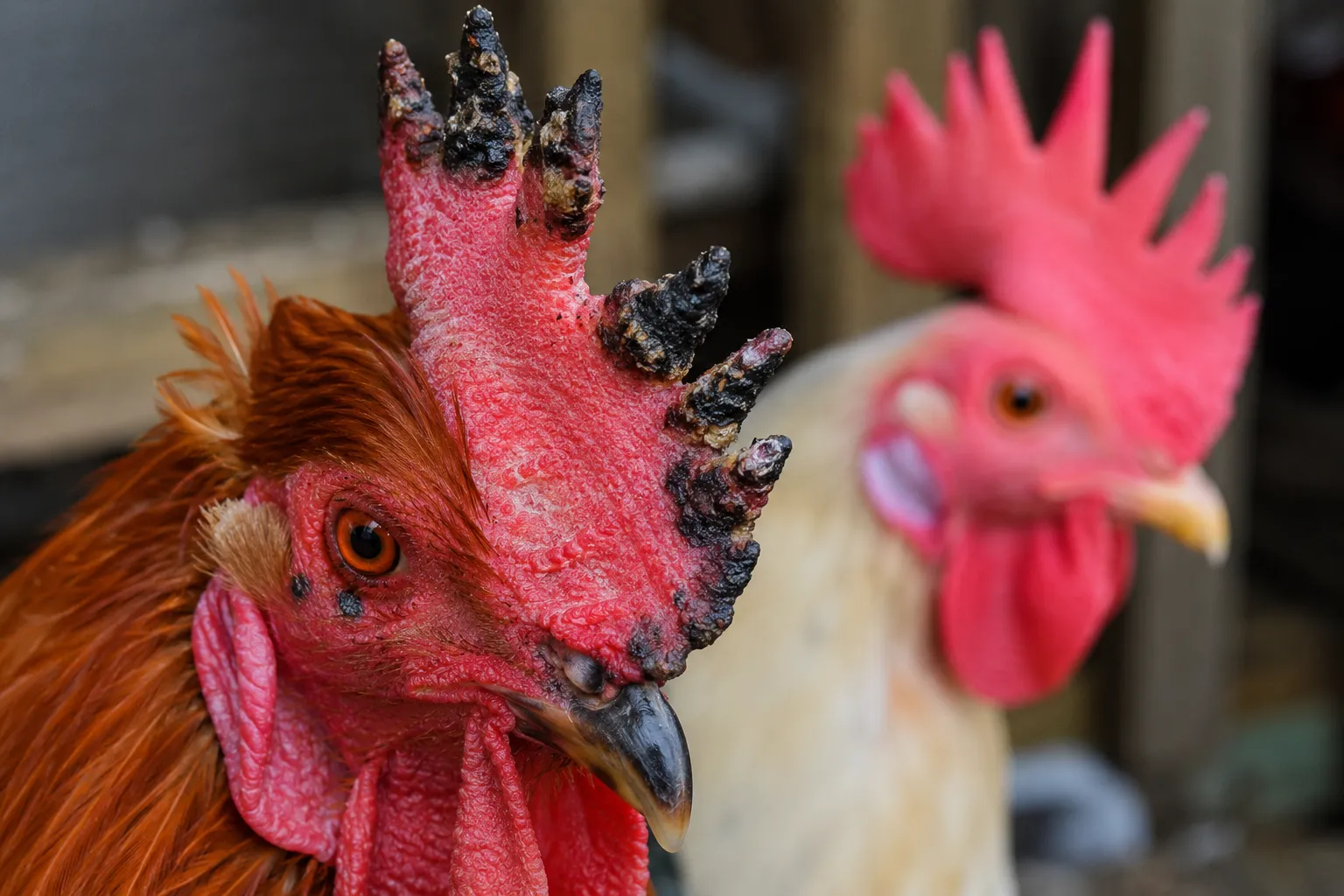
- Black or gray tissue on comb tips: Frostbite has occurred
- Entire flock crowded in one corner: Indicates drafts or inadequate shelter
Immediate actions for cold-stressed chickens:
- Move affected birds to a warmer space (garage, basement, or insulated area)
- Provide warm (not hot) water to drink
- Offer high-energy foods like cracked corn or scratch grains
- Check for wet feathers and dry if necessary
- Identify and fix coop problems (drafts, moisture, inadequate roosts)
One chicken acting cold while others seem fine often indicates individual health issues rather than temperature problems. Separate that bird for observation and potential veterinary care.
Cold-Hardy Chicken Breeds vs Regular Chickens
Cold-hardy breeds have physical characteristics that provide superior winter protection compared to Mediterranean or tropical breeds. The differences go beyond simple tolerance, some breeds thrive in conditions that would endanger others.
Physical traits of cold-hardy breeds:
- Small, tight combs: Pea, rose, or cushion combs have less surface area to freeze
- Dense feathering: Double-layered plumage with thick undercoat
- Feathered legs: Extra insulation on feet and shanks
- Compact body: Rounded shape retains heat better than sleek builds
- Smaller wattles: Less exposed tissue vulnerable to frostbite
Top cold-hardy breeds:
| Breed | Comb Type | Cold Tolerance | Egg Production in Winter |
|---|---|---|---|
| Brahma | Pea | Excellent (-30°F) | Moderate |
| Orpington | Single (small) | Excellent (-20°F) | Good |
| Wyandotte | Rose | Excellent (-25°F) | Good |
| Australorp | Single (medium) | Very Good (-10°F) | Excellent |
| Plymouth Rock | Single (medium) | Very Good (-10°F) | Good |
| Chantecler | Cushion | Excellent (-30°F) | Moderate |
Cold-sensitive breeds to avoid in harsh climates:
- Leghorns: Large single combs, lean bodies, bred for hot climates
- Minorcas: Enormous combs and wattles extremely prone to frostbite
- Andalusians: Mediterranean breed with poor cold tolerance
- Penedesencas: Large combs, minimal feathering
- Sumatras: Tropical origin, struggle below 20°F
Mixed flocks: If you have both cold-hardy and sensitive breeds, the sensitive birds will need extra protection. Apply petroleum jelly to large combs on cold nights, ensure adequate roost space so vulnerable birds can access the warmest spots, and consider separating breeds during extreme cold snaps.
The breed choice matters most in regions with sustained winter temperatures below 10°F. In milder climates (winter lows 20-32°F), most standard breeds adapt successfully with good coop management.
What Happens If Chickens Get Frostbite?
Frostbite occurs when tissue freezes due to prolonged exposure to temperatures below 32°F, typically affecting combs, wattles, and toes, the extremities with the least insulation and blood flow. The damage is permanent, though chickens often survive and adapt.
Frostbite progression stages:
- Initial exposure: Tissue turns pale or white as blood vessels constrict
- Freezing: Ice crystals form in cells, causing damage
- Thawing: Tissue becomes red, swollen, and painful
- Necrosis: Dead tissue turns black or gray over 7-10 days
- Sloughing: Dead tissue falls off, leaving scarred but healed skin
Immediate frostbite treatment:
- Do not rub or massage affected areas (causes more damage)
- Bring bird to room temperature environment (not hot)
- Allow tissue to warm naturally, never use direct heat
- Apply antibiotic ointment once tissue has thawed
- Provide pain relief if bird shows distress (consult vet for options)
- Separate from flock if other birds peck at damaged tissue
Long-term effects:
- Comb/wattle loss: Cosmetic only; doesn’t affect health or egg production
- Toe loss: Birds adapt to missing toes, though balance may be affected initially
- Reduced cold tolerance: Scarred tissue is more vulnerable to future frostbite
- Breeding implications: Roosters with damaged combs may have reduced fertility
Prevention strategies:
- Apply petroleum jelly or bag balm to large combs before cold nights (below 15°F)
- Ensure roosts are wide enough (2×4 lumber, wide side up) so birds can cover feet with breast feathers
- Eliminate moisture sources that wet combs and wattles
- Provide windbreaks so birds aren’t exposed during outdoor time
- Select breeds with small combs if you live in very cold regions
Frostbite is preventable with proper management. If multiple birds develop frostbite, it signals a coop problem, usually drafts, moisture, or inadequate roosting conditions, that needs immediate correction.
How to Winterize a Chicken Coop Without Electricity
Winterizing a coop without electricity is not only possible but often safer than relying on heat lamps or electric heaters. Focus on passive strategies that work during power outages and eliminate fire risks.
Essential winterization steps:
1. Seal drafts, maintain ventilation
- Plug gaps and cracks below roost level with foam, caulk, or wood
- Keep upper vents open (near roof) to release moisture and ammonia
- Install adjustable vent covers to control airflow without blocking completely
- Never seal the coop completely, moisture buildup is more dangerous than cold
2. Implement deep litter method
- Start with 4-6 inches of pine shavings or straw on coop floor
- Add fresh bedding weekly without removing old layers
- Composting action generates heat (up to 10°F warmer than outside)
- Provides insulation from cold ground
- Turn bedding occasionally to prevent compaction
3. Insulate strategically
- Add insulation to ceiling (heat rises) using foam board or fiberglass
- Insulate north and west walls (prevailing winter winds)
- Leave south and east walls uninsulated for passive solar gain
- Cover insulation with plywood so chickens can’t peck it
4. Upgrade roosts
- Use 2×4 lumber positioned wide-side up
- Place roosts away from walls and windows (avoid drafts)
- Position highest roost 2-4 feet off ground
- Ensure 10-12 inches of space per bird
5. Create windbreaks
- Stack straw bales around coop exterior (leave ventilation openings)
- Plant evergreen shrubs on north side
- Install temporary plywood or tarp barriers against prevailing winds
- Extend roof overhang to protect pop door area
6. Manage water without electricity
- Use rubber bowls (easy to break ice out)
- Refresh water 2-3 times daily in freezing weather
- Add ping pong balls to slow freezing
- Bring waterers inside overnight, return at dawn
- Consider solar-powered heated waterers (no electrical outlet needed)
7. Optimize the run
- Cover part of run with clear corrugated panels for weather protection
- Spread straw or wood chips for insulation from frozen ground
- Create dust bathing areas under cover
- Hang cabbage or treat blocks for entertainment during indoor days
Cost-effective materials: Straw bales ($5-8 each), foam board insulation ($15-30 per sheet), pine shavings ($6-8 per bag), and basic caulk ($4-6) can winterize a small coop for under $100.
The deep litter method alone can keep a well-built coop 10-15°F warmer than outside temperature through composting action and insulation, with no electricity required.
Are Baby Chicks More Sensitive to Cold Than Adult Chickens?
Yes, baby chicks are extremely sensitive to cold and require supplemental heat until they develop full feathering at 6-8 weeks of age. Unlike adult chickens, chicks cannot regulate their body temperature effectively and will die from hypothermia within hours if exposed to cold.
Chick temperature requirements by age:
- Week 1: 90-95°F
- Week 2: 85-90°F
- Week 3: 80-85°F
- Week 4: 75-80°F
- Week 5: 70-75°F
- Week 6: 65-70°F
- Week 7+: Gradually acclimate to outdoor temperatures
Reduce temperature by 5°F each week until chicks are fully feathered. Monitor behavior rather than relying solely on thermometers, chicks huddled directly under the heat source are too cold, while chicks avoiding the heated area and panting are too hot.
Safe brooder heating options:
- Brooder plates (preferred): Radiant heat panels chicks can go under, mimics mother hen
- Heat lamps (use cautiously): Secure with chain and backup support, use ceramic bulb
- Infrared bulbs: Less bright than white bulbs, allows normal sleep cycles
- Avoid: Space heaters, heating pads not designed for brooders
Transitioning chicks outdoors:
Start outdoor acclimation at 4-5 weeks during mild weather (above 50°F). Place chicks in a secure outdoor pen for 1-2 hours daily, gradually increasing time. By 6-7 weeks, fully feathered chicks can handle nighttime temperatures down to 40°F. Wait until 8-10 weeks before exposing young birds to temperatures below freezing.
Cold weather hatching considerations:
Avoid hatching chicks in winter if possible, heating costs are higher and integration with adult flocks is more difficult. If you must hatch in winter, keep chicks indoors in a heated space until at least 8 weeks old and wait for milder weather before introducing them to the coop.
Chicks raised by broody hens develop cold tolerance faster than incubator-hatched chicks because the hen gradually reduces time spent warming them, forcing natural acclimation.
Common Mistakes Keeping Chickens Warm in Winter
Well-meaning chicken keepers often make errors that increase cold-weather risks rather than reducing them. Avoid these frequent mistakes to keep your flock safer.
Mistake 1: Over-insulating and eliminating ventilation
Sealing a coop completely traps moisture from respiration and droppings. The resulting humidity wets feathers and causes frostbite. Always maintain upper ventilation even in extreme cold, moisture is more dangerous than cold air.
Mistake 2: Using heat lamps as primary winter strategy
Creates fire risk, prevents natural acclimation, and leaves birds vulnerable during power outages. Chickens that depend on artificial heat can’t survive if the lamp fails during a winter storm.
Mistake 3: Keeping chickens confined to the coop
Healthy chickens benefit from outdoor time even in winter. Fresh air, exercise, and natural light support immune function. Let birds choose, provide outdoor access and they’ll self-regulate, going out briefly and returning to shelter.
Mistake 4: Providing only cold water once daily
Chickens need liquid water multiple times per day to maintain body temperature and digest food. Frozen water is useless. Check and refresh water at least twice daily in freezing weather, three times if temperatures are below 10°F.
Mistake 5: Reducing protein in winter
Some keepers cut back on layer feed to save money, not realizing chickens need more calories in winter to generate body heat. Maintain regular feed rations and supplement with high-energy treats like cracked corn in the evening.
Mistake 6: Ignoring wet bedding
Damp bedding destroys insulation and creates ammonia buildup. Remove wet spots immediately and add fresh, dry bedding. If bedding stays consistently wet, you have a ventilation or leak problem that needs fixing.
Mistake 7: Positioning roosts near windows or walls
Drafts concentrate near walls and windows. Place roosts in the center of the coop, away from exterior walls, to minimize cold air exposure while birds sleep.
Mistake 8: Mixing ages without transition
Adding young birds (under 6 months) to an established flock in winter is stressful. Young chickens have less cold tolerance and will be bullied away from food, water, and warm roosting spots. Wait for spring or provide separate heated quarters for young birds.
Mistake 9: Forgetting about predators
Hungry predators are more aggressive in winter. Secure the coop thoroughly, cold-stressed chickens are easier targets and may not roost properly if they feel unsafe.
Mistake 10: Panicking over normal behavior
Standing on one leg, fluffed feathers, and reduced activity are normal cold-weather adaptations, not emergencies. Learn to distinguish between healthy cold tolerance and genuine distress.
The best winter strategy combines proper coop design, good ventilation, dry conditions, and allowing chickens to use their natural cold tolerance rather than fighting against it with artificial heat.
Do Chickens Need Heated Water in Freezing Weather?
Yes, chickens need access to liquid water throughout the day in freezing weather, which typically requires some form of water heating when temperatures stay below 32°F. Chickens can survive a few hours without water but need to drink multiple times daily to maintain health and body temperature.
Water serves critical functions in winter: it aids digestion (especially of dry grains), supports metabolic heat production, and prevents dehydration. Dehydrated chickens are more vulnerable to cold stress and frostbite.
Water heating options by budget:
No electricity:
- Refresh water 2-3 times daily with warm (not hot) water
- Use black rubber bowls in sunny spots (absorbs solar heat)
- Bring waterers inside overnight, return at dawn
- Add ping pong balls to slow ice formation
- Use insulated containers or wrap waterers in foam
With electricity:
- Heated dog bowls ($20-40): Simple, effective for small flocks
- Base heaters for metal waterers ($25-50): Keeps traditional waterers thawed
- Heated poultry fountains ($40-80): All-in-one solution
- Heated hoses for automatic systems ($50-100): For larger operations
- Heated buckets with thermostats ($30-60): Efficient, safe
Safety considerations:
- Use outdoor-rated extension cords (12-gauge minimum)
- Install GFCI outlets to prevent electrocution
- Elevate cords off ground and secure away from pecking
- Check heated waterers daily for malfunction
- Never use aquarium heaters in chicken waterers (not designed for this use)
How much water chickens need:
An average laying hen drinks 1-2 cups of water daily, more in cold weather when eating dry feed. A flock of six chickens needs approximately 1 gallon of water per day. Check water levels morning and evening to ensure adequate supply.
Alternative strategies:
Some keepers in extremely cold climates (below -20°F regularly) provide water only during morning and evening feeding times, removing it between to prevent freezing. This works if chickens have reliable access twice daily for at least 30 minutes each time.
Solar-powered heated waterers are emerging as a middle option, no electrical outlet required, but they work only in areas with winter sun exposure and may need backup during cloudy periods.
Can Chickens Freeze to Death Overnight?
Chickens can freeze to death overnight, but it’s rare when birds are healthy, fully feathered, and housed in a basic shelter. Deaths typically occur when multiple risk factors combine: extreme cold (below -20°F), wet conditions, drafts, inadequate food, or compromised health.
Scenarios where overnight freezing is most likely:
- Wet feathers: Bird got soaked and couldn’t dry before nightfall
- Locked out of coop: Chicken missed roost time and spent night exposed
- Sick or injured: Compromised birds can’t generate adequate body heat
- Molting: Birds regrowing feathers lack full insulation
- Inadequate shelter: Coop with major drafts or no protection from wind
- Sudden temperature drop: No acclimation time (50°F to -10°F overnight)
- Solitary bird: Single chicken can’t benefit from communal warmth
Protective factors that prevent freezing:
- Communal roosting (shared body heat)
- Dry, fluffed feathers (insulation)
- Full crop before roosting (metabolic heat from digestion)
- Draft-free coop with adequate ventilation
- Roosts positioned away from walls and windows
- Gradual acclimation to falling temperatures
Pre-dawn vulnerability:
The coldest part of night is typically 4-6 AM, just before sunrise. This is when chickens are most vulnerable, especially if they’ve depleted energy reserves overnight. Chickens that seem fine at bedtime may show distress at dawn if conditions are extreme.
Emergency overnight protection:
If temperatures will drop to dangerous levels (-30°F or below) and you’re concerned about your flock:
- Do a late-night coop check (10-11 PM) to ensure all birds are roosting properly
- Provide extra high-energy food before bed (cracked corn, scratch grains)
- Add extra bedding for floor insulation
- Temporarily block lower vents if winds are extreme (reopen in morning)
- Check flock at first light and provide warm water immediately
Most chicken deaths attributed to “freezing” are actually caused by frostbite complications, respiratory issues from poor ventilation, or predation rather than hypothermia alone. A healthy chicken in a decent coop can survive remarkably cold nights.
Best Insulation Options for Chicken Coops in Cold Climates
Insulating a chicken coop reduces temperature extremes and makes winter management easier, though it’s not essential in all climates. Focus insulation efforts on the ceiling and north/west walls for maximum benefit with minimal cost.
Top insulation materials for coops:
Foam board insulation (best overall):
- R-value: 3.6-6.5 per inch depending on type
- Cost: $15-30 per 4×8 sheet
- Pros: Excellent insulation, moisture-resistant, easy to install
- Cons: Must be covered (chickens will peck it), flammable
- Installation: Cut to fit between studs, cover with plywood or hardware cloth
Fiberglass batts:
- R-value: 3.2 per inch
- Cost: $0.40-0.70 per square foot
- Pros: Inexpensive, widely available, good insulation
- Cons: Absorbs moisture, must be completely sealed from chickens
- Installation: Fit between studs, cover with vapor barrier and plywood
Reflective bubble insulation:
- R-value: 1-2 per layer
- Cost: $0.30-0.50 per square foot
- Pros: Moisture-proof, reflects radiant heat, easy to install
- Cons: Lower R-value, requires air gap to work effectively
- Installation: Staple to walls/ceiling with 1-inch air gap
Natural options (straw bales, wood shavings in walls):
- R-value: 1.5-2.5 per inch
- Cost: $5-8 per bale
- Pros: Inexpensive, natural, good for temporary insulation
- Cons: Attracts rodents, can mold if wet, lower R-value
- Installation: Stack around exterior or pack into wall cavities
Where to insulate first (priority order):
- Ceiling: Heat rises; insulating the ceiling has the biggest impact (aim for R-19 to R-30)
- North wall: Receives least sun, faces coldest winds in Northern Hemisphere
- West wall: Afternoon winds typically come from west
- East wall: Morning sun provides passive heating; lower priority
- South wall: Maximum sun exposure; insulation less critical
- Floor: Only necessary in extreme climates (below -30°F regularly)
Installation tips:
- Always cover insulation completely, chickens will peck and eat exposed foam or fiberglass
- Maintain air gap between insulation and interior wall for moisture management
- Don’t insulate at the expense of ventilation, upper vents must remain open
- Seal all seams with caulk or expanding foam to eliminate drafts
- Install insulation in fall before cold weather arrives
Do you need insulation?
- Essential: Climates with winter lows below -10°F regularly
- Beneficial: Winter lows between 0-10°F
- Optional: Winter lows above 10°F (focus on draft elimination instead)
A well-insulated coop in a -20°F climate can maintain interior temperatures 15-25°F warmer than outside through passive heat from the chickens themselves, without any supplemental heating.
When to Bring Chickens Indoors During Winter
Bringing chickens indoors should be a last resort reserved for genuine emergencies, sick birds, or extreme weather events. Healthy chickens are better off in a proper coop than inside a house, where temperature fluctuations, stress, and reintegration challenges create new problems.
Situations that justify bringing chickens inside:
Medical emergencies:
- Severe frostbite requiring treatment
- Illness or injury needing isolation and warmth
- Recovery from predator attack
- Egg binding or other acute conditions
Extreme weather events:
- Temperatures below -30°F combined with high winds
- Ice storms that compromise coop structure
- Power outages lasting multiple days in extreme cold (if birds were heat-dependent)
- Blizzards preventing access to food and water
Vulnerable individuals:
- Actively molting birds during cold snaps
- Elderly chickens with compromised health
- Newly rescued birds not acclimated to cold
- Chicks under 8 weeks during unexpected cold
Where to house chickens temporarily indoors:
- Garage or shed: Best option; maintains cooler temperature, easier cleanup
- Basement: Good temperature control, but messy
- Mudroom or utility room: Acceptable for short-term
- Bathroom: Small space works for 1-2 birds
- Avoid living spaces: Dust, dander, and odor are problematic
Indoor housing setup:
- Large dog crate, rabbit hutch, or cardboard box with ventilation
- Thick layer of bedding (pine shavings, straw)
- Food and water dishes (elevated to reduce mess)
- Roost bar if space allows
- Tarp or plastic sheeting under housing for floor protection
Reintegration challenges:
Chickens brought inside and kept warm lose their cold acclimation. Returning them to a cold coop requires gradual transition:
- Wait for milder weather (above 20°F)
- Reduce indoor temperature gradually over 3-5 days
- Return bird to coop during daytime initially
- Monitor closely for first 48 hours back in coop
- Ensure adequate food and roost access (flock may bully returning bird)
Better alternative to bringing birds inside:
Create a “sick bay” or isolation area in the coop or an attached shed where vulnerable birds can be separated but remain in a coop-appropriate environment. Use a brooder plate or small radiant heater for supplemental warmth if needed, maintaining temperature around 40-50°F rather than house temperature.
Most chickens that seem “too cold” are actually suffering from coop problems (drafts, moisture, inadequate roosts) rather than temperature alone. Fix the coop rather than bringing birds inside whenever possible.
Exception for urban/suburban keepers:
If you keep 2-3 chickens as pets in a mild climate and face an unusual cold snap (temperatures dropping to 0°F when normal winter lows are 30°F), bringing birds inside for 1-2 nights is reasonable. Just understand this prevents natural acclimation and may need to become your winter routine.
The goal is always to provide appropriate outdoor housing rather than relying on indoor accommodations. Chickens are livestock, not houseplants, and thrive best in environments designed for their needs.
Frequently Asked Questions
What is the coldest temperature chickens can tolerate?
Healthy adult chickens can tolerate temperatures down to -20°F (-29°C) and sometimes lower when they’re dry, well-fed, and protected from wind in a proper coop. Cold-hardy breeds like Brahmas and Wyandottes handle extreme cold better than Mediterranean breeds.
How do I know if my chickens are too cold at night?
Check for lethargy, refusal to leave the roost, visible shivering, pale or discolored combs, hunched posture with drooped wings, or the entire flock crowded in one corner. Normal cold behavior includes fluffed feathers, standing on one leg, and reduced activity.
Should I close my chicken coop at night in winter?
Yes, close the pop door at night to retain heat and protect from predators, but never seal upper ventilation vents. Chickens need continuous airflow to prevent dangerous moisture buildup even in extreme cold.
Can chickens stay outside in the snow?
Yes, chickens can go outside in snow and many enjoy it. Provide a cleared path or covered area for birds that don’t like walking in snow. Ensure they can return to the coop whenever they choose, let them self-regulate outdoor time.
Do chickens need a heated coop in winter?
No, chickens do not need a heated coop. Artificial heat prevents natural acclimation, creates fire risks, and leaves birds vulnerable during power outages. Focus on draft elimination, dry bedding, and proper ventilation instead of supplemental heat.
How often should I change coop bedding in winter?
Use the deep litter method: add fresh bedding weekly without removing old layers, creating a composting floor that generates heat and insulation. Do a complete cleanout in spring. Remove wet spots immediately whenever they appear.
What should I feed chickens in cold weather?
Maintain regular layer feed and increase quantity if birds are eating more. Offer high-energy treats like cracked corn, scratch grains, or black oil sunflower seeds in the evening to fuel overnight heat production. Ensure constant access to unfrozen water.
Will chickens lay eggs in winter?
Egg production decreases in winter due to reduced daylight, not cold. Most breeds lay fewer eggs or stop completely from November through February. Cold-hardy breeds like Australorps maintain better winter production than others.
How do I prevent frostbite on chicken combs?
Apply petroleum jelly or bag balm to large combs on nights below 15°F, ensure excellent coop ventilation to prevent moisture, provide wide roosts so birds can cover feet with feathers, and choose breeds with small combs if you live in very cold regions.
Can I use a space heater in my chicken coop?
Space heaters are extremely dangerous in coops due to fire risk from dust, bedding, and flammable materials. If you must use supplemental heat, choose a flat-panel radiant heater designed specifically for coops, mounted securely away from all combustible materials.
What temperature do baby chicks need?
Chicks need 90-95°F for the first week, decreasing by 5°F each week until they’re fully feathered at 6-8 weeks. Use a brooder plate or heat lamp with backup support, and monitor chick behavior to adjust temperature appropriately.
How cold is too cold for chickens to free range?
Chickens can free range in any temperature they choose to venture out in. Provide outdoor access and let birds self-regulate, they’ll go out briefly even in sub-zero weather, then return to shelter. Never force chickens outside in extreme cold.
Conclusion
Understanding how cold is too cold for chickens comes down to recognizing that temperature alone rarely kills healthy birds, it’s the combination of moisture, drafts, and inadequate shelter that creates danger. Most adult chickens thrive in temperatures well below freezing when they have a dry, draft-free coop with proper ventilation, adequate roost space, and access to food and water.
The key takeaway: focus on coop quality, not supplemental heat. Seal drafts while maintaining upper ventilation, implement the deep litter method for insulation, provide wide roosts positioned away from walls, and ensure water stays liquid throughout the day. Choose cold-hardy breeds if you live in harsh climates, and learn to distinguish between normal cold-weather behavior and genuine distress signals.
Your next steps:
- Audit your coop now (before extreme cold arrives): Check for drafts, moisture problems, and inadequate roost space
- Winterize strategically: Insulate the ceiling, add windbreaks, and stock up on bedding
- Establish a winter routine: Check water 2-3 times daily, monitor flock behavior, and address problems immediately
- Trust your chickens: They’re remarkably cold-hardy when given proper housing and allowed to use their natural adaptations
Remember that chickens have survived winters for thousands of years without heat lamps or insulated coops. Your job is simply to provide the basics, shelter from wind and precipitation, dry conditions, adequate food and water, and let their biology do the rest. With proper preparation, your flock will not just survive winter but thrive through it, emerging healthy and ready for spring.


