
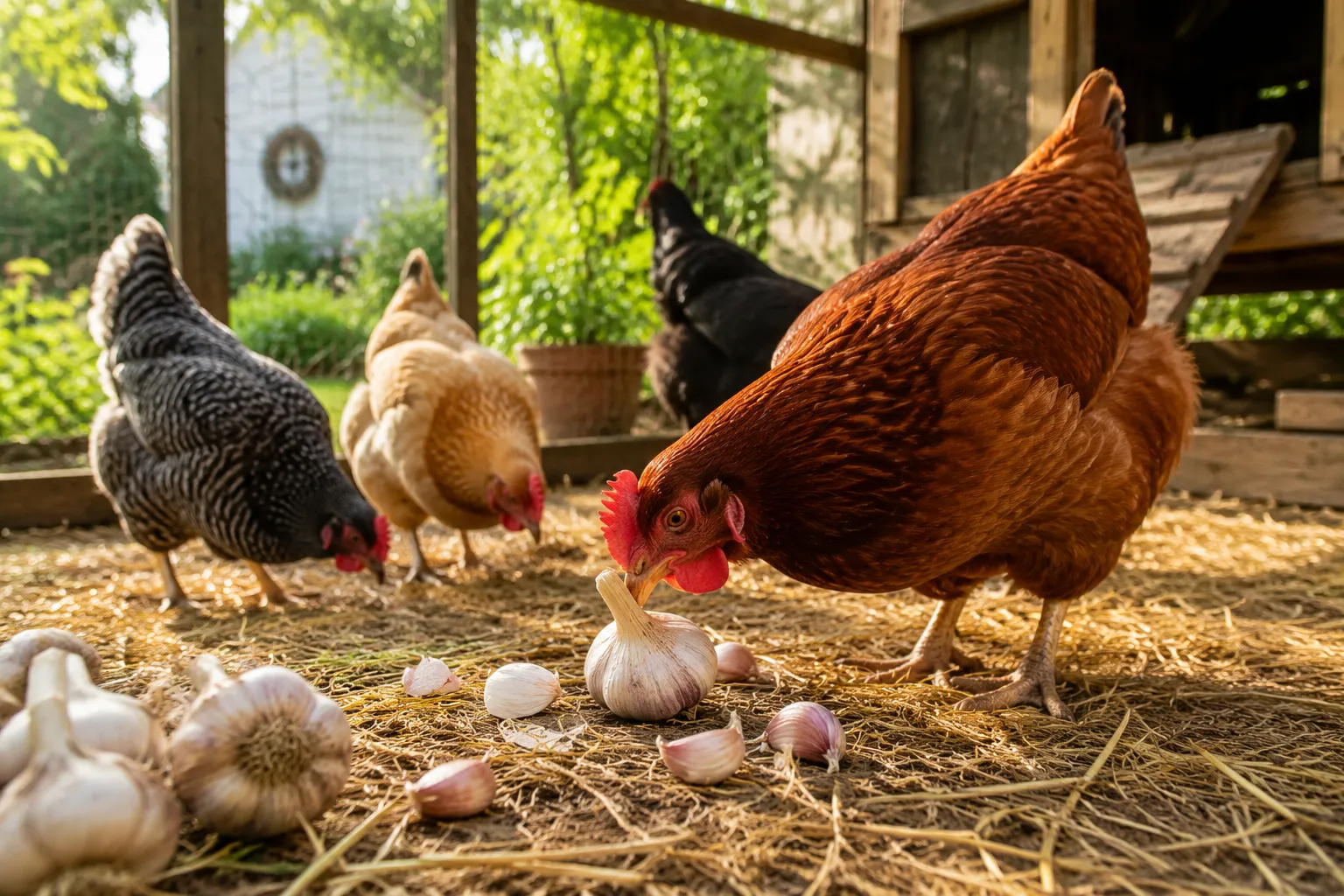
Garlic is safe for chickens to eat in moderate amounts and can offer several health benefits when added to their diet. Fresh garlic, garlic powder, and even garlic-infused water are all acceptable ways to introduce this pungent bulb to your flock, though moderation is key to avoiding potential issues with egg flavor or digestive upset.
Key Takeaways
- Garlic is safe for chickens when fed in small to moderate amounts as part of a balanced diet
- Fresh garlic is more potent than garlic powder and should be fed in smaller quantities (1-2 cloves per gallon of water or mixed into feed)
- Health benefits include potential immune support, natural pest deterrent properties, and possible respiratory health support
- Egg flavor can be affected if chickens consume too much garlic, resulting in a garlicky taste
- Baby chicks can eat garlic but in much smaller amounts than adult birds
- Feeding frequency should be limited to 2-3 times per week rather than daily
- No scientific evidence confirms garlic cures diseases, though it may support overall health
- Garlic powder is more convenient but less potent than fresh garlic
- Too much garlic can cause digestive issues, anemia in extreme cases, and unpalatable eggs
- Chickens may not love the taste initially but often develop a tolerance or preference over time
Is Garlic Safe for Chickens to Eat?
Yes, garlic is safe for chickens to eat when offered in appropriate amounts. Garlic belongs to the allium family, which also includes onions, leeks, and chives, and while some alliums can be toxic to certain animals in large quantities, chickens can safely consume garlic as a dietary supplement.
The key to safe garlic feeding lies in moderation. Chickens have different digestive systems than mammals, and their smaller body size means that what seems like a tiny amount to us can be significant for them. When fed responsibly, garlic poses no toxicity risk to healthy adult chickens.
Important considerations for safe feeding:
- Start with small amounts to gauge your flock’s reaction
- Never feed moldy or spoiled garlic
- Avoid feeding garlic as the primary food source
- Monitor your chickens for any digestive upset or changes in behavior
- Pregnant or laying hens can safely eat garlic without harm to eggs or chicks
Some chicken keepers worry about thiosulfate, a compound in alliums that can cause hemolytic anemia in dogs and cats. However, chickens appear to tolerate garlic much better than these species, and cases of garlic-induced anemia in poultry are extremely rare and typically associated with excessive consumption over extended periods.
How Much Garlic Can I Give My Chickens?
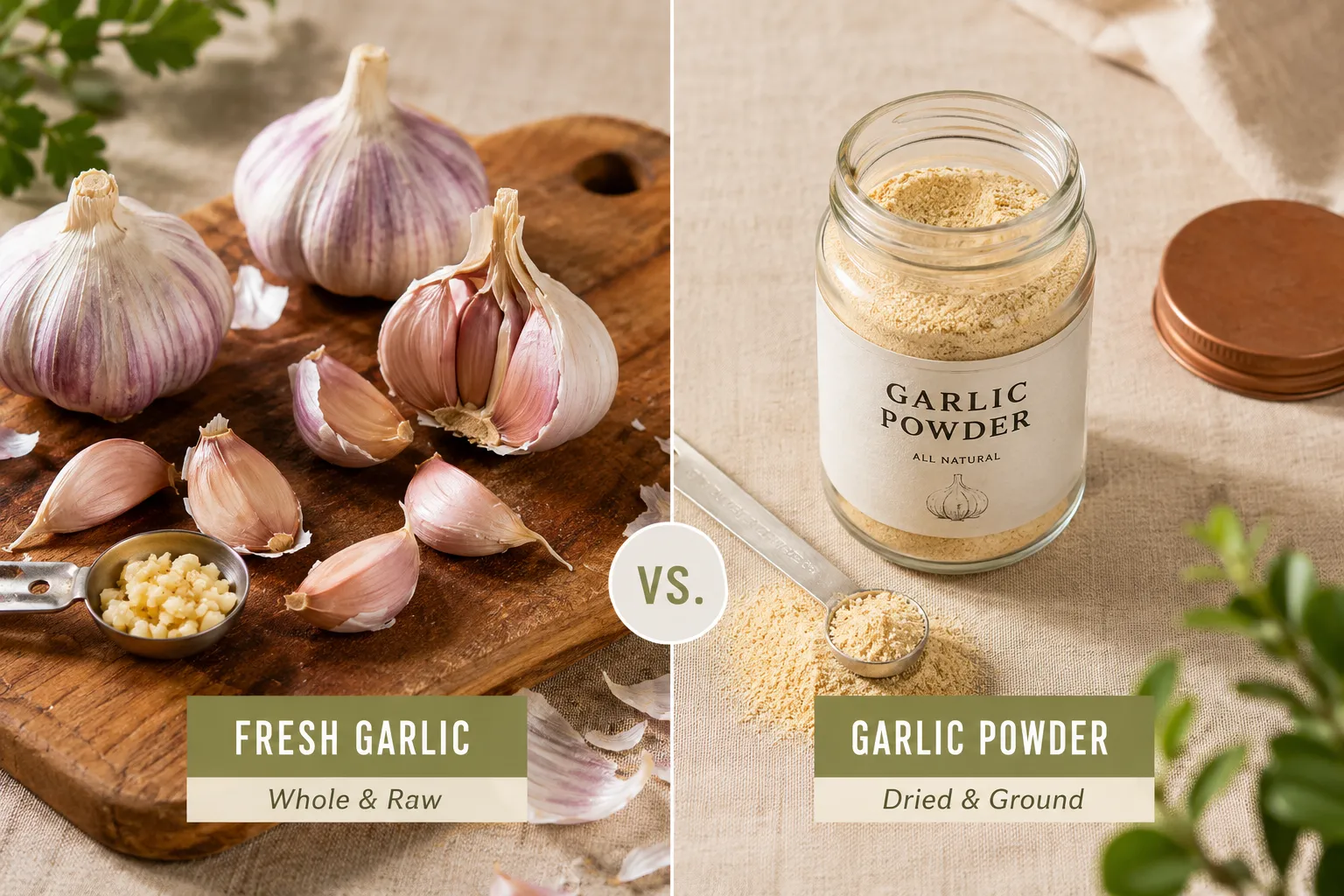
For adult chickens, a safe guideline is 1-2 crushed garlic cloves per gallon of drinking water or one small clove per 4-5 chickens when mixed into feed, offered 2-3 times per week. This amount provides potential benefits without overwhelming their system or affecting egg taste.
Recommended serving sizes by preparation method:
- Fresh crushed garlic in water: 1-2 cloves per gallon, offered for 1-2 days per week
- Minced garlic in feed: 1 clove per 4-5 birds, mixed thoroughly into their daily ration
- Garlic powder: 1/4 teaspoon per pound of feed, mixed well
- Whole cloves: 1 clove per 3-4 chickens, crushed or chopped to prevent choking
The “less is more” principle applies strongly with garlic. Overfeeding can lead to digestive upset, reduced feed intake if chickens find it unpalatable, and most notably, eggs that taste distinctly of garlic, which most consumers find undesirable.
Choose smaller amounts if:
- Your chickens have never had garlic before
- You’re feeding baby chicks or young pullets
- You notice any decrease in egg production or appetite
- Your eggs develop an off-flavor
Common mistake: Adding garlic daily in large amounts. This approach increases the risk of egg flavor changes and may cause chickens to avoid their feed or water entirely.
Benefits of Feeding Garlic to Chickens
Garlic may support chicken health through several mechanisms, though most benefits are based on traditional use and preliminary research rather than extensive poultry-specific studies. The primary compounds of interest are allicin and other sulfur-containing molecules that form when garlic is crushed or chopped.
Potential health benefits include:
- Immune system support: Garlic contains compounds that may help support natural immune function
- Respiratory health: Some chicken keepers report fewer respiratory issues in flocks given regular garlic
- Natural pest deterrent: The strong odor may help repel some external parasites like mites and lice
- Digestive health: Garlic has prebiotic properties that may support beneficial gut bacteria
- Antimicrobial properties: Allicin has demonstrated antimicrobial activity in laboratory settings
It’s important to note that while garlic shows promise, it should never replace proper veterinary care, biosecurity measures, or a balanced diet. Think of garlic as a supplemental wellness tool rather than a cure-all.
What garlic cannot do:
- Replace antibiotics for bacterial infections
- Eliminate established parasite infestations
- Compensate for poor housing conditions or nutrition
- Guarantee disease prevention
The best approach combines garlic supplementation with excellent husbandry practices: clean coops, fresh water, quality feed, adequate space, and regular health monitoring.
Can Garlic Help Prevent Worms in Chickens?
Garlic has traditional use as a natural dewormer, but scientific evidence supporting its effectiveness against intestinal worms in chickens is limited and inconclusive. While garlic does possess some antiparasitic properties in laboratory studies, it should not be relied upon as the sole method of worm control in backyard flocks.
Some chicken keepers report success using garlic as part of an integrated parasite management strategy, but these observations are anecdotal. Garlic may create an intestinal environment that is less hospitable to some parasites, but it does not eliminate established worm burdens effectively.
Realistic expectations for garlic and parasites:
- May help as a preventive supplement alongside other management practices
- Not effective as a treatment for diagnosed worm infestations
- Works best when combined with rotational grazing, clean bedding, and regular fecal testing
- Should never delay proper veterinary deworming when needed
Better worm prevention strategies:
- Regular fecal testing to monitor parasite loads
- Rotational grazing to break parasite life cycles
- Keeping coops dry and well-ventilated
- Avoiding overcrowding
- Using appropriate dewormers when fecal tests indicate need
If you suspect your flock has worms (symptoms include weight loss, pale combs, diarrhea, or decreased egg production), consult a veterinarian for proper diagnosis and treatment rather than relying solely on garlic.
Does Garlic Affect the Taste of Chicken Eggs?
Yes, garlic can affect egg flavor when chickens consume it in moderate to large amounts, typically resulting in a subtle to pronounced garlicky taste that most consumers find undesirable. The degree of flavor transfer depends on the quantity of garlic consumed, how recently it was eaten, and individual hen sensitivity.
Eggs laid within 24-48 hours of garlic consumption are most likely to carry the flavor. The compounds responsible for garlic’s characteristic taste and smell can pass into the egg, particularly the yolk, creating an off-flavor that persists even after cooking.
Factors that increase egg flavor changes:
- Feeding garlic daily rather than occasionally
- Using large amounts of fresh garlic (more than 1-2 cloves per gallon of water)
- Offering garlic close to egg-laying time
- Individual hen metabolism and sensitivity
How to minimize egg flavor issues:
- Limit garlic to 2-3 times per week maximum
- Use smaller amounts (1 clove per 4-5 birds)
- Offer garlic in the evening so compounds have time to metabolize overnight
- Skip garlic entirely if you sell eggs or have customers sensitive to flavor variations
- Test eggs from your flock before committing to regular garlic feeding
If you notice garlicky eggs, simply stop feeding garlic for 3-4 days and the flavor will return to normal. The effect is temporary and doesn’t harm egg quality or safety, it’s purely a palatability issue.
Can Baby Chicks Eat Garlic?
Baby chicks can eat garlic, but in much smaller quantities than adult chickens and not until they’re at least 2-3 weeks old. Young chicks have delicate digestive systems that are still developing, and introducing strong flavors or supplements too early can cause digestive upset or discourage them from eating their essential starter feed.
For chicks under 8 weeks old, if you choose to offer garlic at all, use no more than 1/2 clove per gallon of water or a tiny pinch of garlic powder mixed into feed, offered once per week maximum.
Guidelines for feeding garlic to young birds:
- 0-2 weeks: Avoid garlic entirely; focus on quality chick starter feed
- 2-8 weeks: Very small amounts (1/2 clove per gallon water) once weekly if desired
- 8+ weeks: Gradually increase to adult amounts as they mature
Why caution matters with chicks:
- Their digestive systems are immature and sensitive
- Strong flavors may cause them to refuse feed or water
- Proper nutrition from starter feed is critical for development
- Chicks are more susceptible to digestive upset than adults
Better focus for chick health: Rather than supplementing with garlic, prioritize clean water, appropriate temperature, quality starter feed with 18-20% protein, and a clean brooder environment. These fundamentals matter far more than any supplement for growing healthy birds.
Garlic Powder vs Fresh Garlic for Chickens
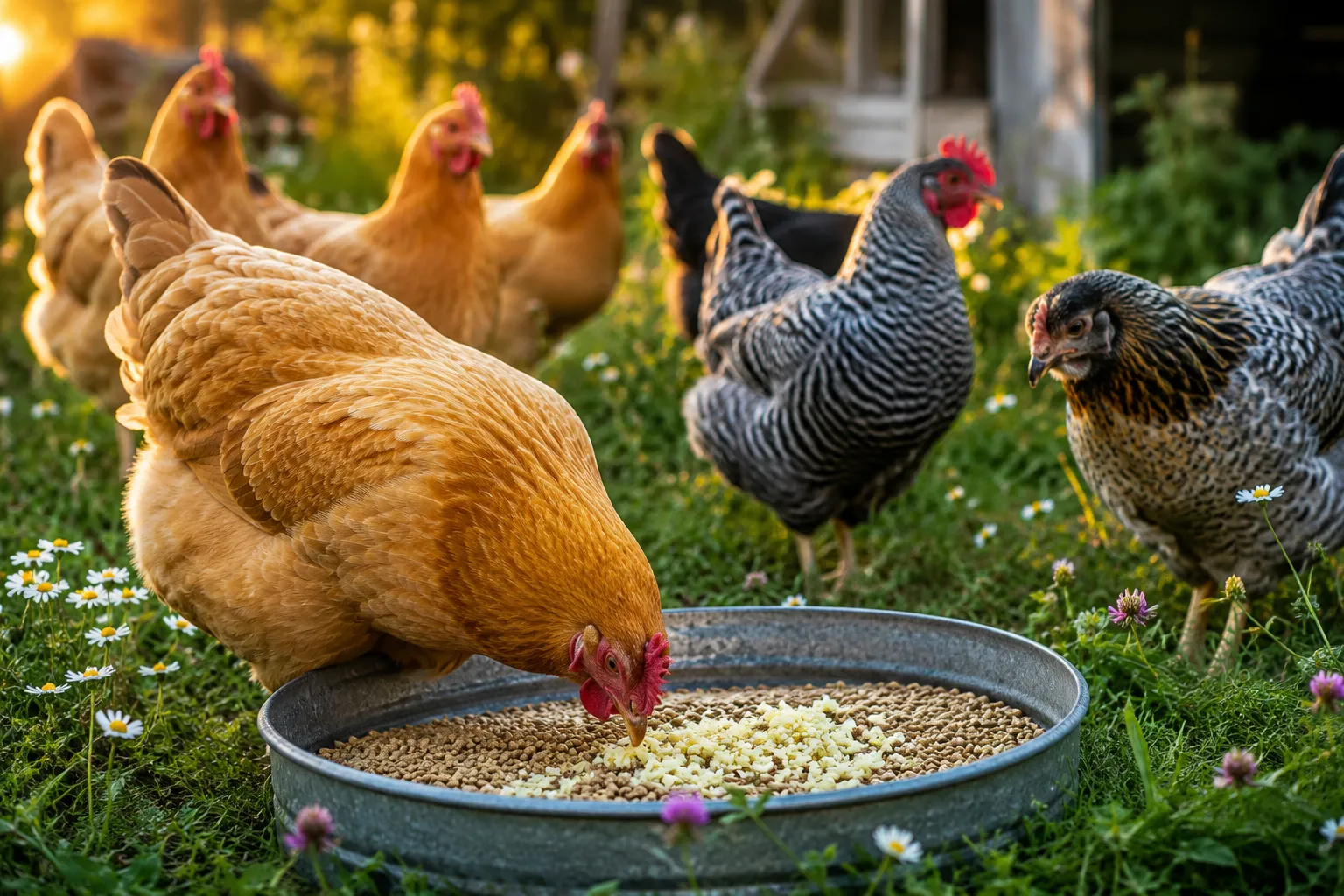
Fresh garlic is more potent than garlic powder because it contains higher concentrations of active compounds, particularly allicin, which forms when fresh garlic is crushed or chopped. However, garlic powder offers convenience and easier storage, making it a practical choice for many chicken keepers despite its reduced potency.
Fresh garlic advantages:
- Higher allicin content when freshly crushed
- More potent antimicrobial properties
- No additives or processing agents
- Chickens may find it more palatable when minced finely
Fresh garlic disadvantages:
- Requires daily preparation (crushing or chopping)
- Shorter shelf life once prepared
- Stronger effect on egg flavor
- More difficult to measure consistent doses
Garlic powder advantages:
- Convenient and shelf-stable
- Easy to measure and mix into feed
- Less likely to cause strong egg flavor
- Consistent potency batch to batch
Garlic powder disadvantages:
- Lower allicin content due to processing
- May contain anti-caking agents
- Less potent overall effect
- Some products may have added salt (avoid these)
Conversion guideline: Approximately 1/8 teaspoon of garlic powder equals one fresh clove, though potency varies by brand and freshness.
Choose fresh garlic if you want maximum potency, have easy access to fresh bulbs, and don’t mind daily preparation. Choose garlic powder if you prioritize convenience, want to minimize egg flavor changes, or feed a large flock where measuring powder into feed is more practical.
Whichever form you choose, avoid garlic salt, garlic blends with added ingredients, or any product containing onion powder, which is more problematic for chickens in large amounts.
How Often Should I Feed Garlic to My Flock?
Feed garlic to your chickens 2-3 times per week maximum rather than daily to balance potential benefits with the risk of egg flavor changes and digestive issues. This intermittent schedule allows chickens to receive any health-supporting compounds without overexposure.
Recommended feeding schedules:
- Preventive wellness: 2 times per week, year-round
- Seasonal support: 3 times per week during wet/cold months when respiratory issues are more common
- Occasional treat: Once per week mixed with other healthy treats
- Never: Daily feeding, which increases egg flavor problems
Sample weekly schedule:
- Monday: Fresh water with 1-2 crushed cloves per gallon
- Thursday: Fresh water with 1-2 crushed cloves per gallon
- Other days: Plain fresh water
Or alternatively:
- Tuesday: Garlic powder mixed into morning feed (1/4 tsp per pound)
- Friday: Garlic powder mixed into morning feed
- Other days: Regular feed without supplements
Timing considerations:
- Offer garlic-supplemented water or feed in the morning so compounds metabolize during the day
- Avoid garlic the day before collecting eggs for customers if flavor is a concern
- Increase frequency slightly (to 3x weekly) during times of stress: extreme weather, molting, or after introducing new birds
Signs you’re feeding too often:
- Eggs develop a garlicky taste
- Chickens avoid their water or feed
- Decreased appetite or egg production
- Loose droppings or digestive upset
If you notice any of these issues, reduce frequency to once per week or stop garlic supplementation entirely for a week before resuming at a lower frequency.
Can Too Much Garlic Harm Chickens?
Yes, excessive garlic consumption can harm chickens, though serious toxicity is rare and typically requires sustained overconsumption. The most common problems from too much garlic are unpalatable eggs, reduced feed intake, and digestive upset rather than acute toxicity.
Potential problems from excessive garlic:
- Hemolytic anemia: In extreme cases, the thiosulfate compounds in garlic can damage red blood cells, though this is very rare in chickens
- Digestive upset: Diarrhea, crop issues, or reduced appetite
- Egg flavor problems: Strong garlicky taste that makes eggs unsellable or unpalatable
- Reduced feed intake: Chickens may avoid feed or water with too much garlic
- Heinz body formation: Damage to red blood cells visible under microscopy
What constitutes “too much”:
- Daily feeding of large amounts (more than 2-3 cloves per gallon or per 4-5 birds)
- Allowing chickens unlimited access to garlic plants or bulbs
- Feeding garlic as a significant portion of daily diet rather than a small supplement
- Continuing high-dose garlic for weeks or months without breaks
Signs of garlic overconsumption:
- Lethargy or weakness
- Pale combs and wattles
- Decreased egg production
- Refusing to eat or drink
- Diarrhea or unusual droppings
- Labored breathing
If you suspect garlic toxicity, remove all garlic from the diet immediately and provide fresh water and regular feed. Contact a veterinarian if symptoms are severe or don’t improve within 24-48 hours.
Prevention is simple: Stick to recommended amounts (1-2 cloves per gallon of water or 1 clove per 4-5 birds in feed), feed only 2-3 times per week, and monitor your flock’s response. When in doubt, use less rather than more.
What Foods Are Toxic to Chickens?
While garlic is safe in moderation, several common foods are genuinely toxic to chickens and should never be fed to your flock. Understanding which foods to avoid is essential for keeping your birds healthy and preventing accidental poisoning.
Truly toxic foods for chickens:
- Chocolate: Contains theobromine, which is toxic to chickens (and most animals)
- Avocado: Skin and pit contain persin, which can cause heart damage and respiratory distress
- Raw or dried beans: Contain phytohaemagglutinin, a toxin that can be fatal (cooked beans are safe)
- Green potatoes or tomatoes: Contain solanine, a toxic alkaloid
- Onions in large amounts: More problematic than garlic; can cause hemolytic anemia
- Moldy or spoiled food: Can contain mycotoxins that cause serious illness
- Apple seeds: Contain cyanide compounds (flesh is fine)
- Rhubarb leaves: Contain oxalic acid, which is toxic
- Alcohol: Even small amounts can be fatal to chickens
- Salty foods: Excess salt can cause salt poisoning
- Caffeine: Found in coffee, tea, and soda; toxic to chickens
Foods to feed sparingly or with caution:
- Citrus: Large amounts may reduce calcium absorption
- Sugary treats: Can lead to obesity and health problems
- Bread: Low nutritional value; should be occasional only
- Raw eggs: Can encourage egg-eating behavior
Safe, healthy treat options:
- Leafy greens (kale, lettuce, spinach)
- Berries and melon
- Cooked rice or pasta
- Mealworms or other insects
- Pumpkin and squash
- Herbs (oregano, parsley, thyme)
- Vegetables (carrots, cucumbers, zucchini)
General feeding rule: Treats and supplements (including garlic) should make up no more than 10% of your chickens’ total diet. The remaining 90% should be quality layer feed formulated to meet their nutritional needs.
When introducing any new food, start with small amounts and observe your flock for any adverse reactions. If you’re unsure whether something is safe, err on the side of caution and don’t feed it.
Garlic vs Apple Cider Vinegar for Chicken Health
Both garlic and apple cider vinegar (ACV) are popular natural supplements in backyard chicken keeping, each with different proposed benefits and uses. Neither is a miracle cure, but both can be part of a holistic health approach when used appropriately.
Garlic primary uses:
- Potential immune support
- Possible respiratory health benefits
- May help deter external parasites
- Antimicrobial properties
Apple cider vinegar primary uses:
- May support digestive health
- Can help maintain water system cleanliness
- Potential prebiotic effects
- May support calcium absorption
Key differences:
| Aspect | Garlic | Apple Cider Vinegar |
|---|---|---|
| Dosage | 1-2 cloves per gallon, 2-3x weekly | 1 tablespoon per gallon, can be daily |
| Egg flavor impact | Can affect taste significantly | Minimal to no effect |
| Preparation | Requires crushing/chopping | Simply add to water |
| Shelf life in water | 1-2 days maximum | Several days acceptable |
| Primary benefit | Immune/respiratory support | Digestive/water quality |
| Palatability | Some chickens dislike it | Generally well-accepted |
Can you use both? Yes, but not simultaneously in the same water. Alternate them: garlic water 2-3 times per week and ACV water on other days, or use garlic in feed and ACV in water.
Neither replaces:
- Proper veterinary care for illness
- Quality feed and clean water
- Good biosecurity practices
- Appropriate housing and space
Choose garlic if you’re focused on respiratory health support or immune function during challenging seasons. Choose ACV if you want a daily supplement that won’t affect egg flavor and may support digestion.
Many chicken keepers use both as part of their routine, finding that the combination offers complementary benefits. The key is moderation with both and realistic expectations about what supplements can and cannot do.
Do Chickens Actually Like Eating Garlic?
Chickens’ response to garlic varies considerably by individual bird and how it’s presented, with many chickens initially avoiding it due to the strong smell and taste, though some develop tolerance or even preference over time. Unlike humans who may enjoy garlic’s flavor, chickens don’t appear to seek it out naturally.
Typical chicken responses to garlic:
- Initial avoidance: Most chickens will ignore or avoid garlic when first offered
- Gradual acceptance: With repeated exposure in small amounts, many birds tolerate it
- Individual variation: Some chickens will eat garlic readily while others never accept it
- Preparation matters: Finely minced garlic mixed into feed is more accepted than whole cloves
Factors affecting acceptance:
- Concentration: Heavily garlic-flavored water or feed is more likely to be rejected
- Mixing method: Thoroughly mixed into feed works better than garlic sitting on top
- Flock dynamics: If dominant birds accept it, others often follow
- Early exposure: Chickens introduced to garlic as young birds may accept it more readily
Signs your chickens dislike the garlic:
- Refusing to drink water with garlic
- Picking around garlic pieces in feed
- Decreased water or feed consumption
- Vocalizing or showing avoidance behavior
How to improve acceptance:
- Start with very small amounts
- Mix garlic thoroughly into favorite treats
- Offer garlic water alongside plain water initially
- Use garlic powder instead of fresh for milder flavor
- Combine with other flavors chickens enjoy (mixed into scrambled eggs or oatmeal)
Important consideration: If your chickens consistently refuse garlic-supplemented feed or water, don’t force it. Adequate nutrition and hydration are more important than any supplement. Some flocks simply won’t accept garlic, and that’s perfectly fine, they can be healthy without it.
The bottom line: chickens tolerate garlic more than they enjoy it, and it should never be offered in amounts that discourage eating or drinking.
Can Garlic Cure Respiratory Infections in Chickens?
No, garlic cannot cure established respiratory infections in chickens, though it may offer mild supportive benefits as part of a comprehensive care plan. Respiratory diseases in poultry are typically caused by bacteria, viruses, or mycoplasma that require proper veterinary diagnosis and treatment, not home remedies.
Why garlic isn’t a cure:
- Respiratory infections often require antibiotics or antiviral support
- Garlic’s antimicrobial properties are mild and not targeted to specific pathogens
- Delayed proper treatment can allow infections to worsen or spread
- Some respiratory diseases (like Mycoplasma) become chronic and require ongoing management
What garlic might do:
- Provide mild immune support during recovery
- Offer some antimicrobial activity as a complementary measure
- Support overall health when used alongside proper treatment
Proper response to respiratory symptoms:
- Isolate affected birds immediately to prevent spread
- Observe symptoms carefully: coughing, sneezing, nasal discharge, labored breathing, swollen eyes
- Consult a veterinarian for proper diagnosis
- Follow prescribed treatment protocols (antibiotics if bacterial)
- Improve ventilation and reduce stress in the coop
- Consider garlic as a supportive supplement only, not primary treatment
Common respiratory diseases requiring veterinary care:
- Infectious bronchitis (viral)
- Mycoplasma gallisepticum (bacterial)
- Infectious coryza (bacterial)
- Newcastle disease (viral)
- Aspergillosis (fungal)
Prevention strategies that work better than garlic:
- Proper ventilation without drafts
- Appropriate stocking density
- Biosecurity measures (quarantine new birds, limit visitor contact)
- Stress reduction
- Quality nutrition
- Vaccination where appropriate
When to use garlic for respiratory support: Only as a complementary measure during recovery from diagnosed illness, alongside veterinary treatment, or as a general wellness supplement during high-risk seasons, never as a replacement for proper medical care.
Relying on garlic to cure respiratory infections can lead to serious consequences, including death of affected birds and spread of disease throughout your flock. When in doubt, consult a veterinarian experienced with poultry.
Frequently Asked Questions
Can I feed my chickens garlic every day?
No, daily garlic feeding is not recommended. Limit garlic to 2-3 times per week to avoid egg flavor changes and potential digestive issues. Daily feeding increases the risk of unpalatable eggs and may cause chickens to reduce their feed or water intake.
Will garlic keep mites and lice off my chickens?
Garlic may help deter some external parasites due to its strong odor, but it’s not a reliable standalone treatment for mite or lice infestations. Use proper dust baths, coop cleaning, and appropriate parasiticides for active infestations, with garlic as a possible preventive supplement only.
Is garlic safe for roosters?
Yes, garlic is equally safe for roosters as it is for hens when fed in appropriate amounts. The same dosage guidelines apply: 1-2 cloves per gallon of water or 1 clove per 4-5 birds in feed, offered 2-3 times weekly.
Can I grow garlic in my chicken run?
You can grow garlic in your chicken run, but chickens will likely eat the green shoots and may dig up bulbs, potentially consuming more than the recommended amount. If you want to grow garlic for your flock, consider a protected garden area where you can control their access and harvest amounts.
Does garlic boost egg production?
No scientific evidence supports garlic increasing egg production. Egg laying is primarily influenced by breed, age, nutrition, daylight hours, and overall health. While garlic may support general wellness, it won’t directly increase the number of eggs your hens lay.
Can garlic replace antibiotics for sick chickens?
No, garlic cannot replace antibiotics for bacterial infections. While garlic has mild antimicrobial properties, it’s not effective against established infections requiring medical treatment. Always consult a veterinarian for sick chickens and use prescribed medications as directed.
Will garlic make my chicken meat taste different?
Garlic can affect the flavor of chicken meat if birds consume large amounts shortly before processing, similar to how it affects eggs. If you’re raising meat birds, discontinue garlic supplementation at least one week before processing to avoid flavor transfer.
Is wild garlic safe for chickens?
Wild garlic (ramps) is generally safe for chickens in small amounts, similar to cultivated garlic. However, ensure you’ve correctly identified the plant, as some toxic look-alikes exist. Introduce wild garlic gradually and in moderation, following the same guidelines as regular garlic.
Can garlic help with coccidiosis?
Garlic is not an effective treatment for coccidiosis, a serious parasitic disease requiring specific anticoccidial medications. While some claim garlic has preventive properties, proper sanitation, dry bedding, and appropriate medication (when needed) are the proven methods for managing coccidiosis.
Should I use organic garlic for my chickens?
Organic garlic is not necessary for chicken health, though it eliminates potential pesticide exposure. Either organic or conventional garlic is safe when fed in recommended amounts. Focus on freshness and quality rather than organic certification.
Can garlic help chickens during molting?
Garlic may provide mild immune support during molting, a stressful time when chickens are more vulnerable to illness. However, high-protein feed (16-20% protein) and reduced stress are far more important for healthy feather regrowth than any supplement.
Will garlic prevent worms if I feed it regularly?
Regular garlic feeding may offer some preventive benefit against intestinal parasites, but it’s not a reliable standalone prevention method. Combine garlic with proper management practices: rotational grazing, clean coops, avoiding overcrowding, and regular fecal testing to monitor parasite loads.
Conclusion
Garlic can be a beneficial supplement for backyard chickens when used thoughtfully and in moderation. While it won’t cure diseases or replace proper veterinary care, garlic offers potential immune support, respiratory health benefits, and may help deter some parasites as part of a comprehensive wellness approach.
The key to successful garlic supplementation is balance: feed 1-2 crushed cloves per gallon of water or 1 clove per 4-5 birds in feed, limit frequency to 2-3 times per week, and monitor your flock for any changes in appetite, behavior, or egg flavor. Fresh garlic is more potent than powder, but both forms are safe when dosed appropriately.
Your action plan:
- Start with small amounts to test your flock’s acceptance
- Choose either fresh garlic (crushed) or garlic powder based on convenience
- Establish a consistent schedule (2-3 times weekly maximum)
- Monitor egg flavor if you sell or share eggs
- Combine garlic with excellent husbandry practices, not as a replacement for them
- Consult a veterinarian for any health concerns rather than relying solely on supplements
Remember that garlic is just one tool in your chicken-keeping toolkit. Quality feed, clean water, proper housing, biosecurity, and attentive care matter far more than any supplement. Use garlic as a complementary wellness strategy, maintain realistic expectations about its benefits, and always prioritize your flock’s overall health and happiness.
Whether you decide to incorporate garlic into your chicken care routine or skip it entirely, your birds can thrive with proper nutrition, a clean environment, and your dedicated attention to their needs.


