
Quick Answer
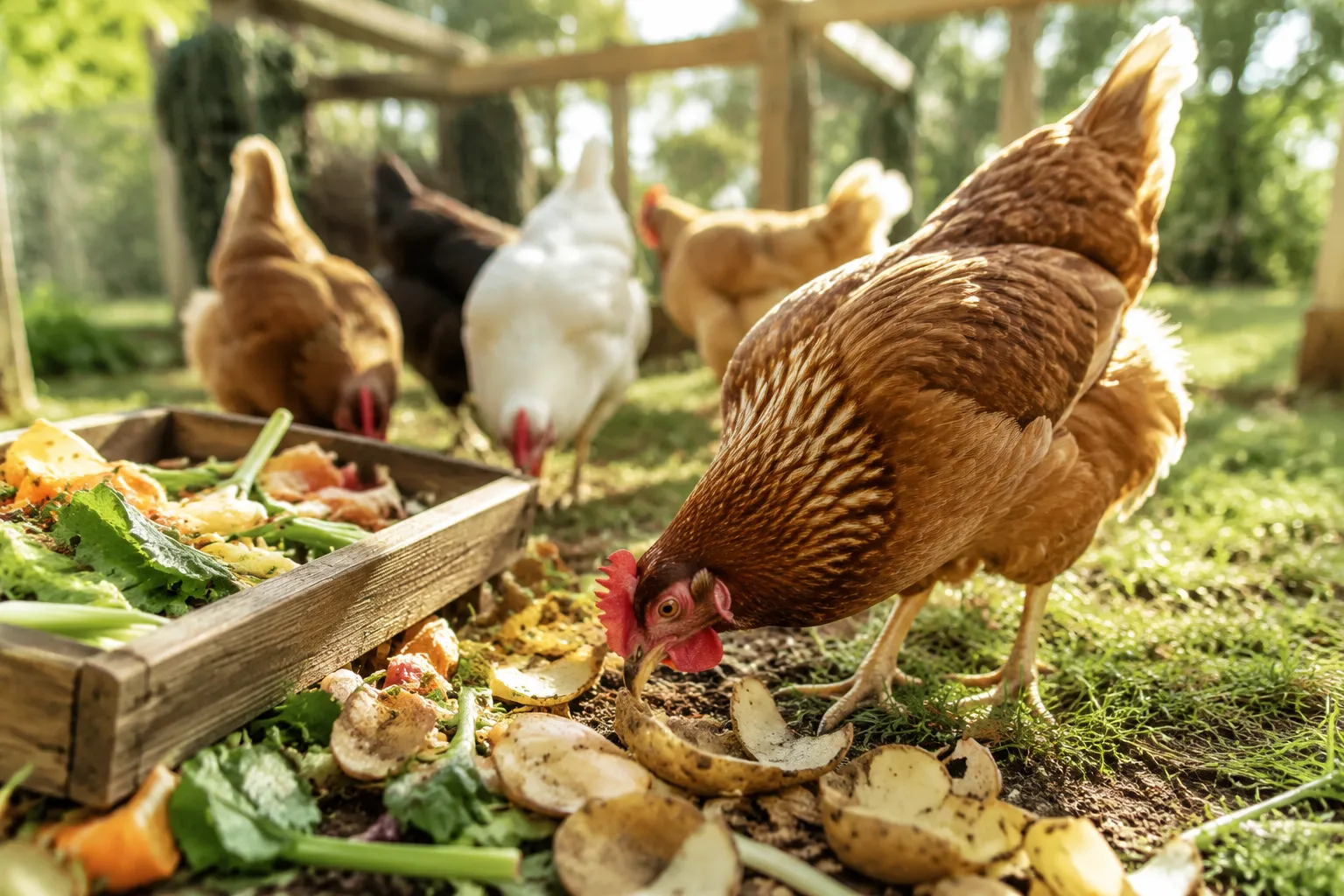
Chickens can eat cooked potato peels in small amounts, but raw potato peels, especially green ones, pose serious health risks due to solanine, a toxic compound. Green potato skins, sprouts, and eyes should never be fed to chickens as they can cause poisoning. Sweet potato peels are much safer and can be fed raw or cooked without the same toxicity concerns.
Key Takeaways
- Cooked potato peels are safer than raw ones because cooking reduces (but doesn’t eliminate) solanine levels
- Green potato peels are toxic and should never be fed to chickens due to high solanine content
- Sweet potato peels are safe and nutritionally superior to regular potato peels for chickens
- Potato eyes and sprouts contain concentrated solanine and must be completely removed before feeding
- Baby chicks should not eat potato peels at all, their digestive systems are too immature
- Moderation is critical,potato peels should make up less than 5% of a chicken’s diet
- Signs of solanine poisoning include lethargy, diarrhea, difficulty breathing, and paralysis
- Better alternatives exist: leafy greens, melon rinds, and cooked grains are safer kitchen scraps
- Moldy or rotten potato peels should never be fed to chickens due to additional toxins
- Chickens don’t need potato peels nutritionally, they’re a treat at best, not a dietary staple
Are Potato Peels Safe for Chickens to Eat?
Potato peels are conditionally safe for chickens, but only when properly prepared and fed in strict moderation. The primary concern is solanine, a natural toxin that potatoes produce as a defense mechanism against pests and disease. This glycoalkaloid compound concentrates in the skin, eyes, and any green portions of the potato.
When potato peels might be safe:
- Fully cooked (boiled or baked) with no green coloring
- From mature, properly stored potatoes without sprouts
- Fed as an occasional treat, not a regular food source
- Mixed with other nutritious scraps to dilute the portion
When potato peels are dangerous:
- Any green coloring visible on the skin
- Raw or undercooked peels from white or red potatoes
- Peels with eyes, sprouts, or soft spots
- Large quantities fed regularly
The safest approach is to treat regular potato peels as a high-risk food that requires careful preparation. Many experienced chicken keepers simply avoid them altogether in favor of safer kitchen scraps.
Can Chickens Eat Raw Potato Peels vs Cooked Potato Peels?
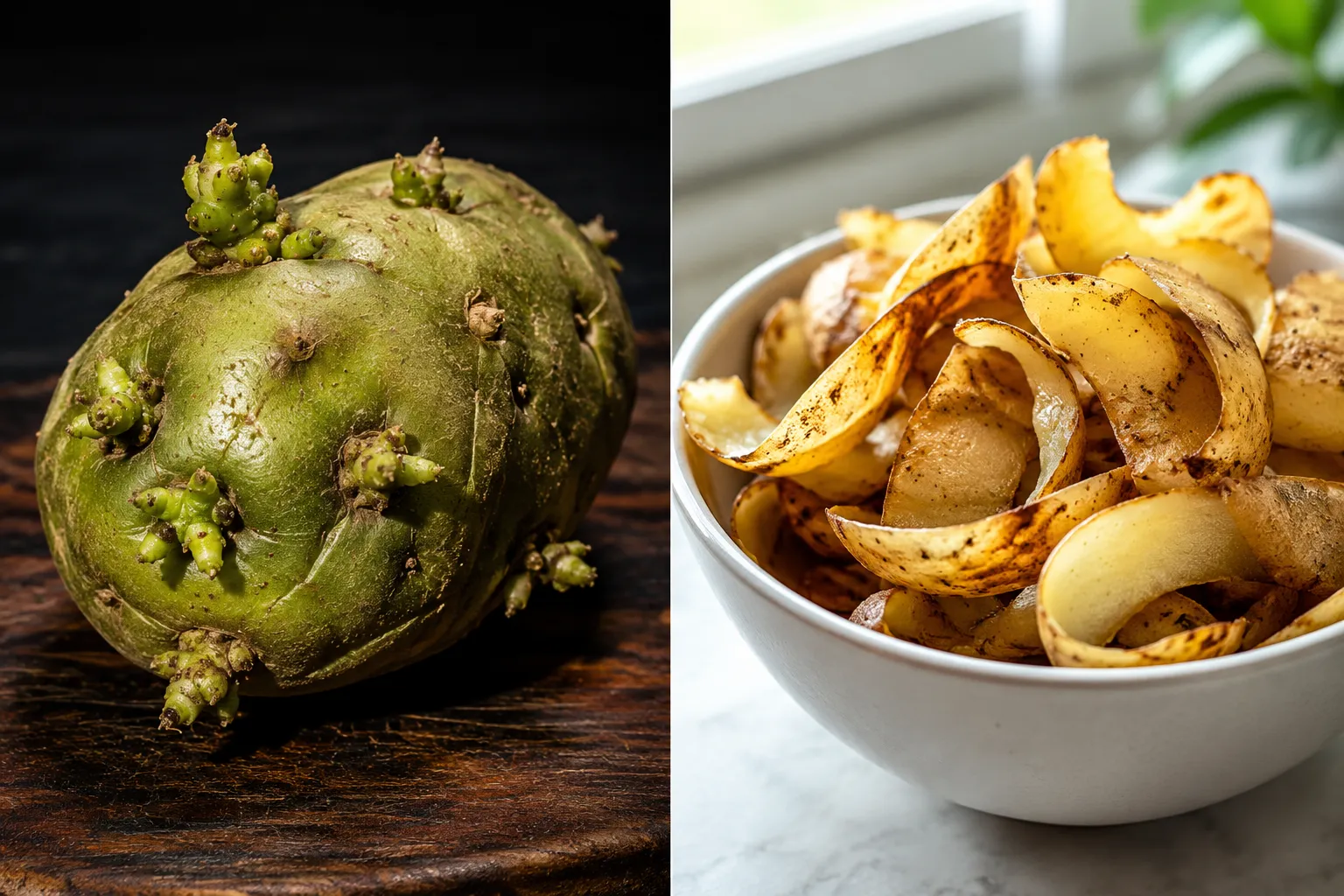
Cooked potato peels are significantly safer than raw ones, though neither should be a dietary staple. Cooking reduces solanine levels by approximately 40-50%, but it doesn’t eliminate the toxin completely. Raw potato peels contain the full concentration of solanine and pose a much higher poisoning risk.
Raw potato peels:
- Contain maximum solanine levels (2-15 mg per 100g in normal potatoes)
- Harder for chickens to digest
- Should be avoided entirely, especially if any green tint is present
- Can cause acute toxicity even in small amounts if the potato was stressed or improperly stored
Cooked potato peels:
- Reduced solanine content after boiling or baking
- Softer texture, easier to digest
- Still contain some toxin, not completely safe
- Should only be fed if completely free of green coloring
Best practice: If you choose to feed potato peels at all, boil them thoroughly for at least 15 minutes, discard any with green coloring before cooking, and feed only small amounts mixed with other foods. Never assume cooking makes them completely safe.
What Happens If Chickens Eat Green Potato Skins?
Green potato skins can cause solanine poisoning in chickens, a potentially fatal condition. The green color indicates chlorophyll production, which occurs alongside dramatically increased solanine levels, sometimes 10-20 times higher than normal potato skin. Even a small amount of green potato skin can sicken or kill a chicken, depending on the bird’s size and the concentration of toxin.
Immediate effects (within 2-24 hours):
- Loss of appetite and lethargy
- Diarrhea, often greenish in color
- Difficulty breathing or panting
- Weakness and inability to stand
- Neurological symptoms like head tremors
Severe poisoning symptoms:
- Paralysis, particularly of the legs
- Convulsions or seizures
- Coma
- Death in extreme cases
What to do if a chicken eats green potato skin:
- Remove all remaining potato material from the coop immediately
- Provide fresh water to help flush the system
- Monitor the bird closely for 48 hours
- Contact a veterinarian if symptoms appear
- Isolate affected birds to prevent injury and allow close observation
There is no specific antidote for solanine poisoning. Treatment is supportive only, which is why prevention is critical. Always inspect potatoes carefully and discard any with green coloring, regardless of how small the green area appears.
Are Sweet Potato Peels Safer Than Regular Potato Peels for Chickens?
Sweet potato peels are significantly safer than regular potato peels and can be fed to chickens both raw and cooked. Despite the similar name, sweet potatoes (Ipomoea batatas) are not related to regular potatoes (Solanum tuberosum) and do not contain solanine. They belong to the morning glory family rather than the nightshade family.
Why sweet potato peels are safer:
- No solanine or related glycoalkaloids
- Rich in beta-carotene, fiber, and vitamins A and C
- Can be fed raw without toxicity concerns
- Chickens generally find them more palatable
- No risk from green coloring or sprouts
Nutritional advantages of sweet potato peels:
- High in antioxidants that support immune function
- Good source of dietary fiber for digestive health
- Contains beneficial minerals like manganese and potassium
- Supports healthy egg yolk color due to carotenoids
Feeding guidelines:
- Wash thoroughly to remove dirt and potential pesticides
- Cut into small, manageable pieces to prevent choking
- Can be fed raw, steamed, or baked
- Still should be fed in moderation as part of a varied diet
- Avoid moldy or rotten portions
Sweet potato peels are one of the best kitchen scraps for chickens and can replace regular potato peels entirely in your flock’s treat rotation.
How to Prepare Potato Peels for Chickens Safely
If you decide to feed regular potato peels to your chickens, proper preparation is essential to minimize risk. The process requires careful inspection, thorough cooking, and portion control.
Step-by-step preparation:
Inspect before peeling, Examine each potato for green coloring, sprouts, eyes, or soft spots. Discard any potato with these features entirely.
Remove all eyes and blemishes, Cut away any eyes or dark spots with a generous margin around them.
Peel carefully, Keep peels relatively thin to minimize solanine content, which concentrates near the surface.
Boil thoroughly, Place peels in boiling water for at least 15-20 minutes. This reduces solanine levels and softens the texture.
Cool completely, Never feed hot food to chickens, as it can cause crop burn.
Chop into small pieces, Cut cooled peels into bite-sized pieces (roughly 1-2 inches) to prevent choking.
Mix with other foods, Combine with safer scraps like leafy greens or cooked grains to dilute the portion.
Feed immediately, Don’t let prepared peels sit out for hours, as they can spoil or attract pests.
Storage tips:
- Freeze cooked peels in small portions if you want to save them
- Label containers with the date to ensure freshness
- Use within 2-3 months if frozen
- Thaw completely before feeding
Common mistake: Many chicken keepers assume that because their birds will eat something, it must be safe. Chickens lack the instinct to avoid solanine-containing foods, so they’ll readily eat toxic green peels if offered.
Can Baby Chicks Eat Potato Peels or Just Adult Chickens?
Baby chicks should never be fed potato peels, even cooked ones. Chicks under 8 weeks old have immature digestive systems that cannot process complex foods or tolerate even small amounts of toxins that adult birds might handle. Their smaller body size also means that any solanine exposure represents a much higher dose per kilogram of body weight.
Why chicks can’t have potato peels:
- Immature digestive enzymes can’t break down complex starches effectively
- Lower body weight makes them more susceptible to toxin effects
- Developing immune systems are less resilient
- Risk of choking on fibrous peels
- Can cause impacted crop, a serious condition in young birds
What baby chicks should eat instead:
- High-quality chick starter feed (18-20% protein)
- Finely chopped hard-boiled egg for protein
- Tiny pieces of leafy greens (after 2-3 weeks old)
- Chick grit if eating anything besides starter feed
- Clean water at all times
Age guidelines for treats:
- 0-2 weeks: Starter feed only, no treats
- 2-8 weeks: Tiny amounts of safe treats (scrambled egg, minced greens)
- 8-16 weeks: Gradually introduce more variety, still no potato peels
- 16+ weeks: Adult chickens can have small amounts of properly prepared potato peels
Even with adult chickens, it’s best to wait until they’re fully mature and have been on a complete layer feed for several weeks before introducing any questionable treats like potato peels.
What Vegetables Should Chickens Never Eat?
Several common vegetables and kitchen scraps are toxic to chickens and should be completely avoided. Understanding these forbidden foods helps prevent accidental poisoning and keeps your flock healthy.
Never feed chickens:
Nightshade family (raw):
- Raw potato peels and potatoes
- Green tomatoes and tomato leaves
- Eggplant leaves and flowers
- Pepper leaves (fruit is usually safe)
Allium family:
- Onions (can cause hemolytic anemia)
- Garlic in large amounts
- Leeks, chives, and shallots
- These damage red blood cells and cause weakness
Other toxic vegetables:
- Avocado (skin and pit contain persin, which is fatal to birds)
- Rhubarb leaves (high in oxalic acid, causes kidney failure)
- Raw or dried beans (contain phytohaemagglutinin, a deadly lectin)
- Green parts of nightshades (tomato and pepper plants)
Moldy or spoiled produce:
- Any vegetable with visible mold
- Slimy or fermented scraps
- Anything you wouldn’t eat yourself
Foods that cause problems:
- Citrus (in large amounts can reduce calcium absorption)
- Salty foods (chickens have low salt tolerance)
- Sugary foods (can cause digestive upset and obesity)
- Processed foods (contain additives harmful to birds)
Safe vegetable alternatives:
- Leafy greens (lettuce, kale, spinach, cabbage)
- Squash and pumpkin (including seeds)
- Cucumbers and zucchini
- Carrots and beets
- Broccoli and cauliflower
- Cooked sweet potato peels
When in doubt, research any new food before offering it to your flock. The rule of thumb is: if it’s toxic to humans, it’s probably toxic to chickens too.
Do Potato Peels Cause Solanine Poisoning in Chickens?
Yes, potato peels can cause solanine poisoning in chickens, particularly when the peels are raw, green, or from sprouted potatoes. Solanine is a glycoalkaloid toxin that potatoes produce naturally, with concentrations highest in the skin, sprouts, and green portions. Chickens are susceptible to solanine toxicity, and because they’re smaller than humans, they require much lower doses to experience harmful effects.
How solanine affects chickens:
Solanine disrupts cell membranes and inhibits an enzyme called acetylcholinesterase, which is critical for nerve function. This leads to both gastrointestinal and neurological symptoms. The toxin is not easily metabolized or excreted, so it can accumulate with repeated exposure.
Toxic dose information:
- Lethal dose for chickens: approximately 2-5 mg per kg of body weight
- Average chicken weight: 2-3 kg (4.4-6.6 lbs)
- Green potato skin can contain: 250-800 mg solanine per kg
- This means just 10-20 grams of green peel could be fatal to a chicken
Factors that increase poisoning risk:
- Potatoes stored in light (increases solanine production)
- Sprouted or old potatoes
- Damaged or diseased potatoes
- Feeding large quantities regularly
- Smaller or younger birds (lower body weight)
- Poor overall nutrition (weakened systems)
Case example: A backyard chicken keeper reported losing two hens after feeding a bucket of potato peelings that included several green skins. The birds showed symptoms within 12 hours and died within 36 hours despite supportive care. This illustrates why even experienced keepers should exercise extreme caution.
The risk-to-benefit ratio of feeding potato peels is poor. The minimal nutritional value doesn’t justify the poisoning risk, especially when safer alternatives are readily available.
How Much Potato Peel Is Too Much for Chickens?
Even properly prepared potato peels should make up no more than 5% of a chicken’s total diet, which translates to roughly one or two small pieces per bird per week. Treats and scraps combined should never exceed 10% of daily intake, with the remaining 90% coming from complete layer feed that provides balanced nutrition.
Portion guidelines:
- Per chicken per week: 1-2 small cooked potato peel pieces (about 10-15 grams total)
- Frequency: No more than once or twice weekly
- Mixed with other foods: Always combine with safer scraps to dilute the portion
- Never as a meal replacement: Potato peels lack the protein, calcium, and nutrients chickens need
Signs you’re feeding too much:
- Decreased egg production
- Soft or thin eggshells (indicates nutritional imbalance)
- Weight loss or poor feather condition
- Digestive upset or abnormal droppings
- Reduced interest in layer feed
Why moderation matters:
Chickens have specific nutritional requirements for optimal health and egg production. Layer feed is formulated to provide 16-18% protein, appropriate calcium levels, and essential vitamins and minerals. When chickens fill up on low-nutrient treats like potato peels, they consume less of their balanced feed, leading to deficiencies.
Better approach to treats:
Instead of focusing on how much potato peel is safe, consider whether it’s worth feeding at all. Calculate the risk: even a small chance of solanine poisoning versus zero nutritional necessity. Many experienced chicken keepers conclude that potato peels simply aren’t worth the risk and choose safer alternatives.
The 90/10 rule:
- 90% complete layer feed
- 10% treats and scraps (varied, nutrient-dense options)
- Within that 10%, potato peels should be minimal or absent
This approach ensures your flock gets proper nutrition while still enjoying variety and enrichment from kitchen scraps.
Can Chickens Eat Potato Eyes and Sprouts?
No, chickens should never eat potato eyes or sprouts under any circumstances. These parts of the potato contain the highest concentrations of solanine, often 5-10 times more than the flesh or even green skin. Sprouts can contain up to 5,000 mg of solanine per kilogram, making them extremely toxic even in tiny amounts.
Why eyes and sprouts are so dangerous:
- Solanine concentrates in growing points as a defense mechanism
- Sprouts can contain 50-100 times more toxin than normal potato flesh
- Even cooking doesn’t reduce solanine levels enough to make them safe
- The small size of sprouts makes it easy to accidentally feed a dangerous dose
What to do with sprouted potatoes:
- Never feed to chickens, This includes the sprouts, eyes, and the entire potato if heavily sprouted
- Remove all sprouts and eyes, If the potato is only lightly sprouted and you want to use it for yourself, cut away sprouts with a generous margin (at least 1 inch around each eye)
- Discard heavily sprouted potatoes, If the potato is soft, shriveled, or covered in sprouts, throw it away entirely
- Compost carefully, If composting, ensure chickens cannot access the compost pile
Common mistake: Some chicken keepers think that because sprouts are “natural” or “living food,” they must be healthy. This is dangerously incorrect. Potato sprouts are one of the most toxic parts of the plant.
Comparison to other sprouts:
Not all sprouts are dangerous. Chickens can safely eat:
- Alfalfa sprouts
- Mung bean sprouts
- Wheat grass and other grain sprouts
- Broccoli sprouts
The key difference is that these plants don’t produce solanine. Potato sprouts are uniquely toxic and should never be confused with safe sprouted foods.
What Are Better Kitchen Scraps to Feed Chickens Instead of Potato Peels?
Numerous kitchen scraps are safer, more nutritious, and more beneficial for chickens than potato peels. These alternatives provide better nutrition without the toxicity risk, making them ideal for flock health and egg production.
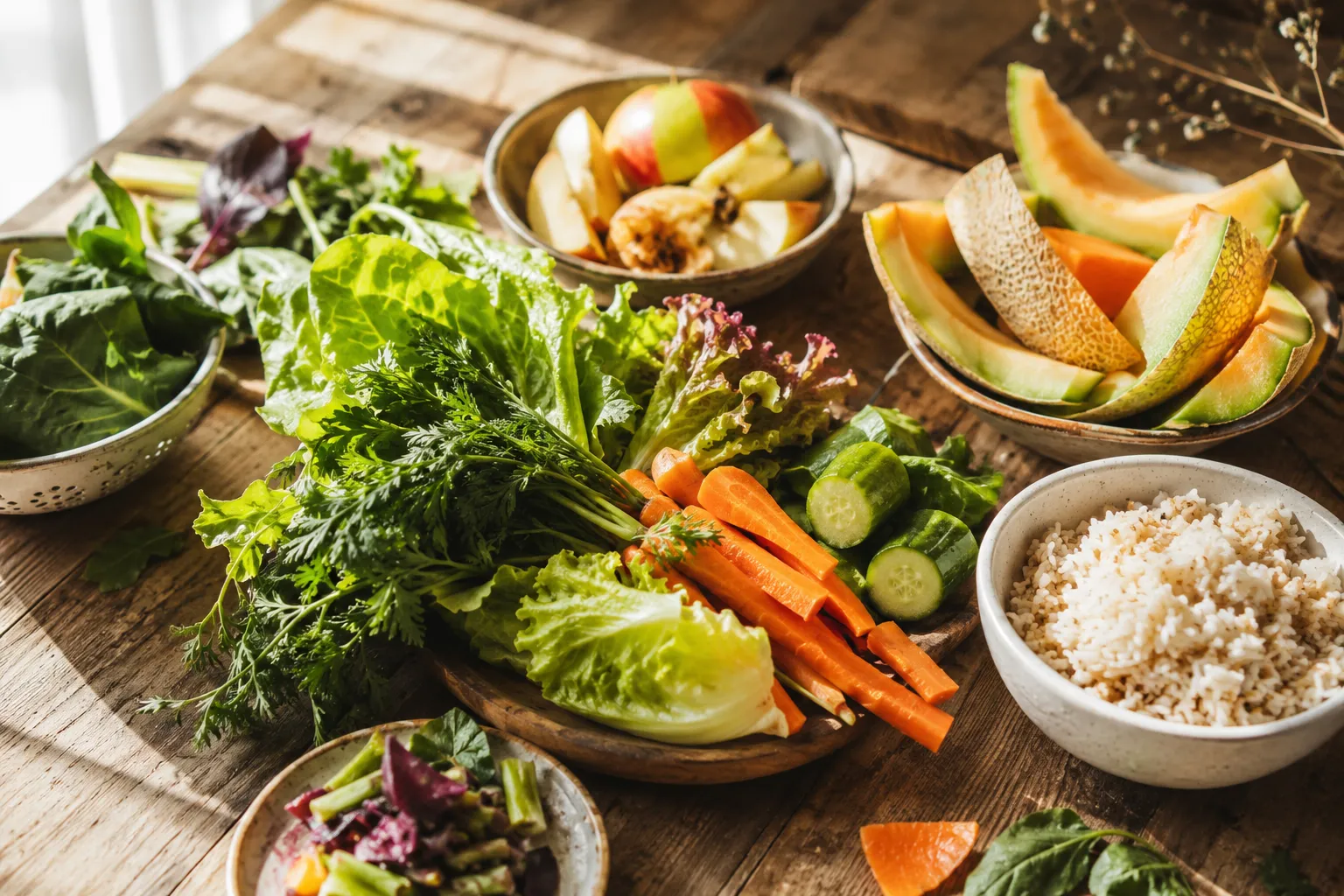
Top safe kitchen scraps:
Leafy greens and vegetables:
- Lettuce, kale, spinach, and cabbage (excellent for vitamins)
- Carrot tops and beet greens (often discarded but nutritious)
- Cucumber and zucchini (hydrating, especially in summer)
- Squash and pumpkin (including seeds, which are natural dewormers)
- Broccoli and cauliflower (stems and florets)
Fruits:
- Melon rinds (watermelon, cantaloupe, honeydew)
- Apple cores (remove seeds, which contain trace cyanide)
- Berries (blueberries, strawberries, raspberries)
- Banana peels (chickens love them, high in potassium)
- Pears and peaches (remove pits)
Protein-rich scraps:
- Cooked eggs (scrambled or hard-boiled, excellent protein source)
- Cooked meat scraps in small amounts
- Fish and seafood scraps
- Mealworms and other insects (natural protein)
Grains and starches:
- Cooked rice, pasta, or oatmeal
- Stale bread in moderation (low nutritional value but chickens enjoy it)
- Cooked quinoa or other whole grains
- Plain popcorn (unsalted, unbuttered)
Nutritional comparison table:
| Food Scrap | Safety Level | Nutritional Value | Best Use |
|---|---|---|---|
| Regular potato peels (cooked) | ⚠️ Low (toxin risk) | Low | Avoid or rare treat only |
| Sweet potato peels | ✅ High (no toxins) | High (vitamins A, C, fiber) | Regular treat, raw or cooked |
| Leafy greens | ✅ High | High (vitamins, minerals) | Daily treat, excellent nutrition |
| Melon rinds | ✅ High | Medium (hydration, vitamins) | Summer treat, hydrating |
| Cooked eggs | ✅ High | Very high (protein, calcium) | Weekly protein boost |
Feeding strategy: Rotate through a variety of safe scraps to provide nutritional diversity and mental enrichment. This approach is far superior to relying on any single treat, especially one with toxicity concerns like potato peels.
Signs of Solanine Toxicity in Chickens from Potatoes
Recognizing solanine poisoning symptoms quickly can mean the difference between recovery and death. Symptoms typically appear within 2-24 hours of ingestion, though severe cases may show signs within an hour.
Early warning signs:
- Decreased activity and lethargy
- Loss of appetite, refusing feed
- Ruffled feathers and hunched posture
- Separation from the flock
- Reduced vocalization
Gastrointestinal symptoms:
- Diarrhea (often greenish or watery)
- Vomiting or regurgitation (rare in chickens but possible)
- Crop stasis or impaction
- Visible discomfort, shifting weight frequently
Neurological symptoms:
- Difficulty walking or standing
- Tremors, particularly of the head and neck
- Loss of coordination and balance
- Paralysis, usually starting in the legs
- Seizures or convulsions in severe cases
Respiratory symptoms:
- Labored breathing or panting
- Open-mouth breathing
- Gasping for air
- Respiratory distress
Severe/late-stage symptoms:
- Complete paralysis
- Inability to lift head
- Coma or unresponsiveness
- Death (typically within 24-48 hours of severe poisoning)
What to do if you suspect solanine poisoning:
- Isolate the affected bird, Move to a quiet, warm, safe space
- Remove all potato material, Check the coop and run for any remaining peels
- Provide fresh water, Encourage drinking to help flush toxins
- Keep warm, Use a heat lamp if the bird is weak or in shock
- Contact a veterinarian, Describe symptoms and timeline
- Monitor closely, Check every few hours for changes
- Document what was fed, This helps the vet determine treatment
Prognosis: Mild cases may recover with supportive care over 2-3 days. Severe cases with neurological symptoms have a poor prognosis. There is no specific antidote, so prevention is critical.
Do Backyard Chickens Need Potato Peels in Their Diet?
No, backyard chickens do not need potato peels in their diet at all. Potato peels provide minimal nutritional value and carry significant toxicity risk, making them an unnecessary and potentially harmful addition to a chicken’s diet. Complete layer feed provides all the nutrients chickens require for health and egg production.
What chickens actually need:
- Protein: 16-18% for layers (from feed, insects, legumes)
- Calcium: 3-4% for strong eggshells (from oyster shell, feed)
- Vitamins and minerals: Provided by quality layer feed
- Fiber: From greens, vegetables, and foraging
- Clean water: Available at all times
Nutritional content of potato peels:
- Mostly starch and fiber (low-quality carbohydrates)
- Minimal protein (about 2%)
- Low in vitamins compared to other vegetables
- Contains anti-nutrients that can interfere with mineral absorption
- Solanine toxin (the main concern)
Why chickens thrive without potato peels:
Complete layer feed is scientifically formulated to meet all nutritional requirements. Treats and scraps should enhance the diet with variety and enrichment, not serve as staple foods. Potato peels fail on both counts, they’re neither nutritious enough to improve the diet nor safe enough to feed without concern.
Better uses for potato peels:
- Compost them (keep chickens away from the compost pile)
- Feed to pigs or cattle (larger animals tolerate solanine better)
- Dispose of them in yard waste
- Use in vermicomposting (worms break down the toxins)
The enrichment argument: Some keepers argue that potato peels provide enrichment through variety. However, safer foods provide the same enrichment benefit without risk. Chickens are just as entertained by a head of cabbage hung in the coop or a pile of leafy greens.
Can Chickens Eat Moldy or Rotten Potato Peels?
Never feed chickens moldy or rotten potato peels under any circumstances. Moldy potatoes produce additional toxins beyond solanine, including mycotoxins that can cause severe illness or death. Rotten potato peels also harbor harmful bacteria that can lead to digestive infections and food poisoning.
Dangers of moldy potato peels:
- Mycotoxins: Toxic compounds produced by mold fungi
- Aflatoxins: Particularly dangerous mycotoxins that damage the liver
- Bacterial contamination: E. coli, Salmonella, and other pathogens
- Increased solanine: Stressed or diseased potatoes produce more solanine
- Botulism risk: Anaerobic bacteria can grow in rotting vegetables
Symptoms of mycotoxin poisoning:
- Sudden death with no prior symptoms
- Severe diarrhea and dehydration
- Liver damage (visible as yellow discoloration)
- Immune suppression leading to secondary infections
- Reduced egg production and poor egg quality
What moldy food looks like:
- Visible fuzzy growth (white, green, black, or blue)
- Slimy or mushy texture
- Off-putting or sour smell
- Discoloration or dark spots
- Soft or collapsed areas
The “just cut it off” myth: Many people believe that cutting away visible mold makes food safe. This is false. Mold produces invisible thread-like structures (mycelium) that penetrate deep into food, and mycotoxins can spread even further. If you can see mold on a potato peel, the entire potato is contaminated.
Safe disposal:
- Place moldy potatoes in sealed bags before discarding
- Do not compost moldy potatoes in piles accessible to chickens
- Wash hands thoroughly after handling moldy produce
- Clean any containers that held moldy food
Prevention tips:
- Inspect all kitchen scraps before feeding
- Store potatoes in cool, dark, dry conditions
- Use potatoes before they age and deteriorate
- When in doubt, throw it out, never risk your flock’s health
The rule is simple: if you wouldn’t eat it yourself, don’t feed it to your chickens. Moldy or rotten food has no place in a chicken’s diet.
Frequently Asked Questions
Can chickens eat potato skins from baked potatoes?
Yes, chickens can eat skins from fully baked potatoes in small amounts, provided the skins show no green coloring and all eyes have been removed. Baking reduces solanine levels, making them safer than raw peels. Feed only as an occasional treat, not regularly.
Are potato peels good for egg production?
No, potato peels do not improve egg production and may actually harm it if fed in large amounts. They’re low in protein and calcium, the two nutrients most critical for egg laying. Stick to layer feed and protein-rich treats for optimal egg production.
Can chickens eat french fry peels or fried potato skins?
Avoid feeding chickens fried potato products, including french fry peels or fried skins. The high fat and salt content can cause digestive upset and obesity. Additionally, frying doesn’t eliminate solanine, and the added oils and seasonings are unhealthy for chickens.
How long after eating green potato peels will chickens show symptoms?
Symptoms of solanine poisoning typically appear within 2-24 hours after ingestion, with most cases showing signs within 6-12 hours. Severe poisoning may cause symptoms within 1-2 hours. Monitor any chicken that has eaten green potato material closely for at least 48 hours.
Can chickens eat potato peelings from organic potatoes?
Organic potatoes still contain solanine and pose the same toxicity risk as conventional potatoes. The organic label refers to growing methods, not the presence or absence of natural plant toxins. Apply the same safety precautions regardless of whether potatoes are organic or conventional.
Will cooking potato peels in chicken broth make them safer?
Cooking potato peels in broth reduces solanine levels similarly to boiling in water, but it doesn’t eliminate the toxin completely. The broth itself may absorb some solanine, so avoid feeding large amounts. This method doesn’t make green peels or sprouted potatoes safe.
Can chickens eat potato peels mixed with other vegetables?
Yes, mixing small amounts of properly prepared (cooked, non-green) potato peels with safer vegetables dilutes the portion and reduces risk. However, this doesn’t make toxic peels safe, always inspect and prepare potato peels properly before mixing with other foods.
Do chickens like the taste of potato peels?
Chicken preferences vary individually, but most chickens will eat potato peels if offered, especially when cooked and soft. However, chickens lack the instinct to avoid solanine-containing foods, so their willingness to eat something doesn’t indicate safety.
Can I feed my chickens potato peels every day?
No, never feed potato peels daily. Even properly prepared peels should be an occasional treat only, offered no more than once or twice per week in very small amounts. Daily feeding increases the risk of solanine accumulation and nutritional imbalance.
Are there any breeds of chickens that can safely eat raw potato peels?
No chicken breed has special resistance to solanine toxicity. All chickens are susceptible to poisoning from raw potato peels, especially green ones. Breed, size, and age affect the dose required to cause symptoms, but no breed is immune.
Can chickens eat potato peels from red or purple potatoes?
Red and purple potato peels contain the same solanine risk as white potato peels. The color comes from anthocyanins (beneficial antioxidants), not from reduced toxin levels. Apply the same safety rules: cook thoroughly, avoid green areas, and feed sparingly.
What should I do with potato peels if I can’t feed them to chickens?
Compost potato peels in a bin that chickens cannot access, feed them to larger livestock like pigs or cattle (who tolerate solanine better), or dispose of them in yard waste or garbage. Vermicomposting is another option, as worms break down the toxins.
Conclusion
The question “Can chickens eat potato peels?” has a nuanced answer: while cooked, non-green potato peels can be fed in very small amounts, the risk-to-benefit ratio makes them a poor choice for backyard flocks. Green peels, raw peels, sprouts, and eyes are toxic and should never be offered. Sweet potato peels, on the other hand, are safe and nutritious, making them a far superior alternative.
Key actions for chicken keepers:
- Prioritize safety over convenience, Don’t feed potato peels just because they’re available; choose safer kitchen scraps
- Inspect thoroughly, If you do feed potato peels, examine every piece for green coloring, sprouts, or eyes
- Cook completely, Boil peels for at least 15 minutes to reduce solanine levels
- Feed sparingly, Limit potato peels to less than 5% of the diet, offered no more than twice weekly
- Choose better alternatives, Leafy greens, sweet potato peels, melon rinds, and cooked grains are safer and more nutritious
- Monitor your flock, Watch for any signs of digestive upset or toxicity after introducing new foods
- Educate yourself, Learn which foods are toxic to chickens and keep a reference list in your coop area
The bottom line is simple: chickens don’t need potato peels to thrive, and the potential for solanine poisoning makes them a high-risk, low-reward treat. Focus your feeding efforts on foods that enhance your flock’s health without introducing unnecessary danger. Your chickens will be healthier, your eggs will be better, and you’ll have peace of mind knowing you’re providing the safest possible diet for your backyard flock.


