
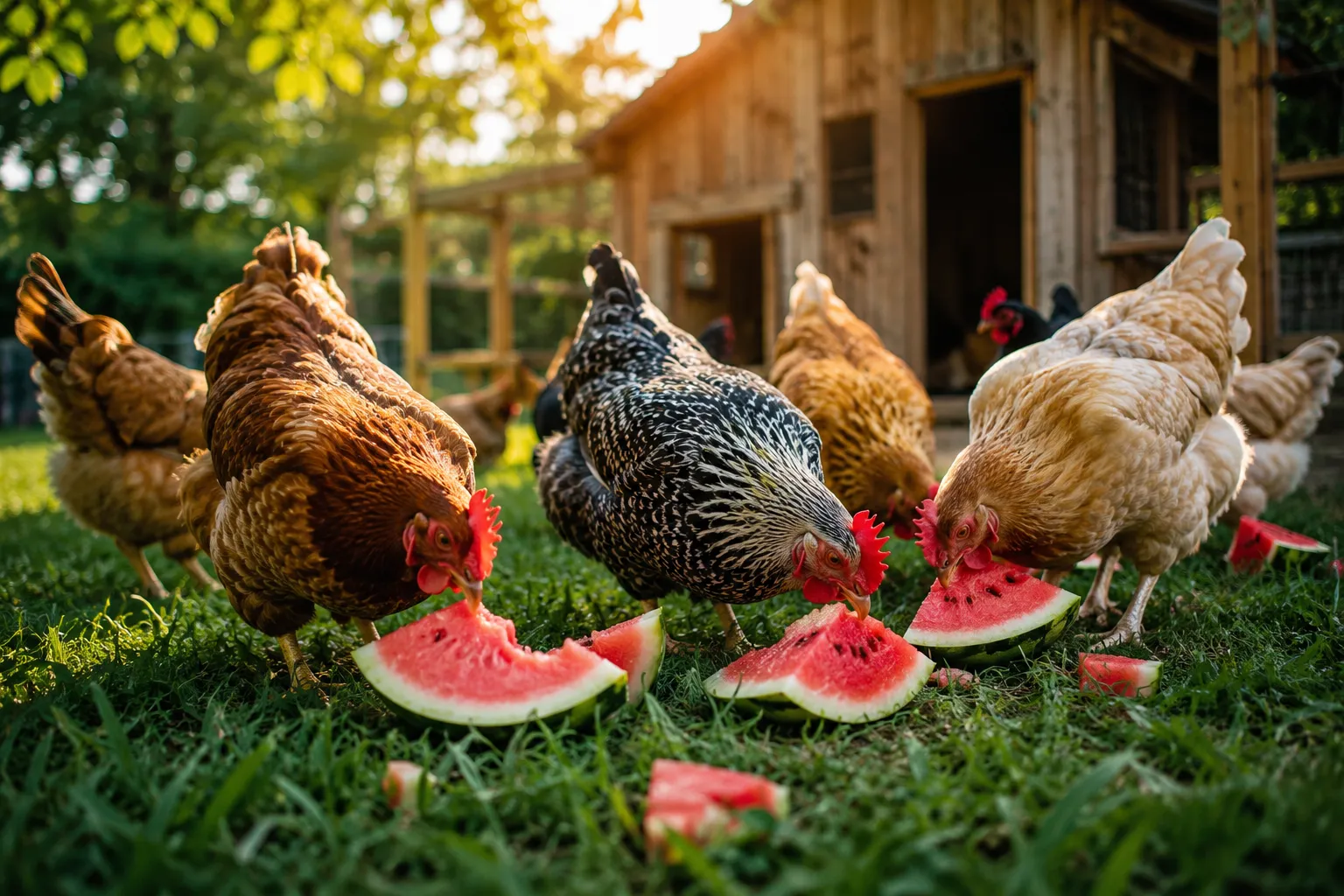
Quick Answer: Yes, chickens can safely eat watermelon, including the flesh, rind, and seeds. Watermelon is a hydrating, nutritious treat that most chickens love, especially during hot weather. However, it should be fed in moderation as a supplement to their regular feed, not as a primary food source, and should make up no more than 10% of their daily diet.
Key Takeaways
- Chickens can safely eat all parts of watermelon: flesh, rind, and seeds
- Watermelon provides excellent hydration (92% water content) and is ideal for hot summer days
- Feed watermelon as a treat only, limiting it to 10% of daily food intake
- Baby chicks under 3-4 weeks should not eat watermelon due to digestive sensitivity
- Cut watermelon into manageable pieces to prevent choking hazards
- Never feed moldy or rotten watermelon to chickens as it can cause serious illness
- Watermelon contains vitamins A, B6, and C, plus beneficial antioxidants like lycopene
- Excessive watermelon can cause watery droppings due to high water content
- Chickens should never eat avocado, chocolate, green potatoes, or dried/raw beans
- Serve watermelon fresh, cut into halves or chunks, and remove uneaten portions after a few hours
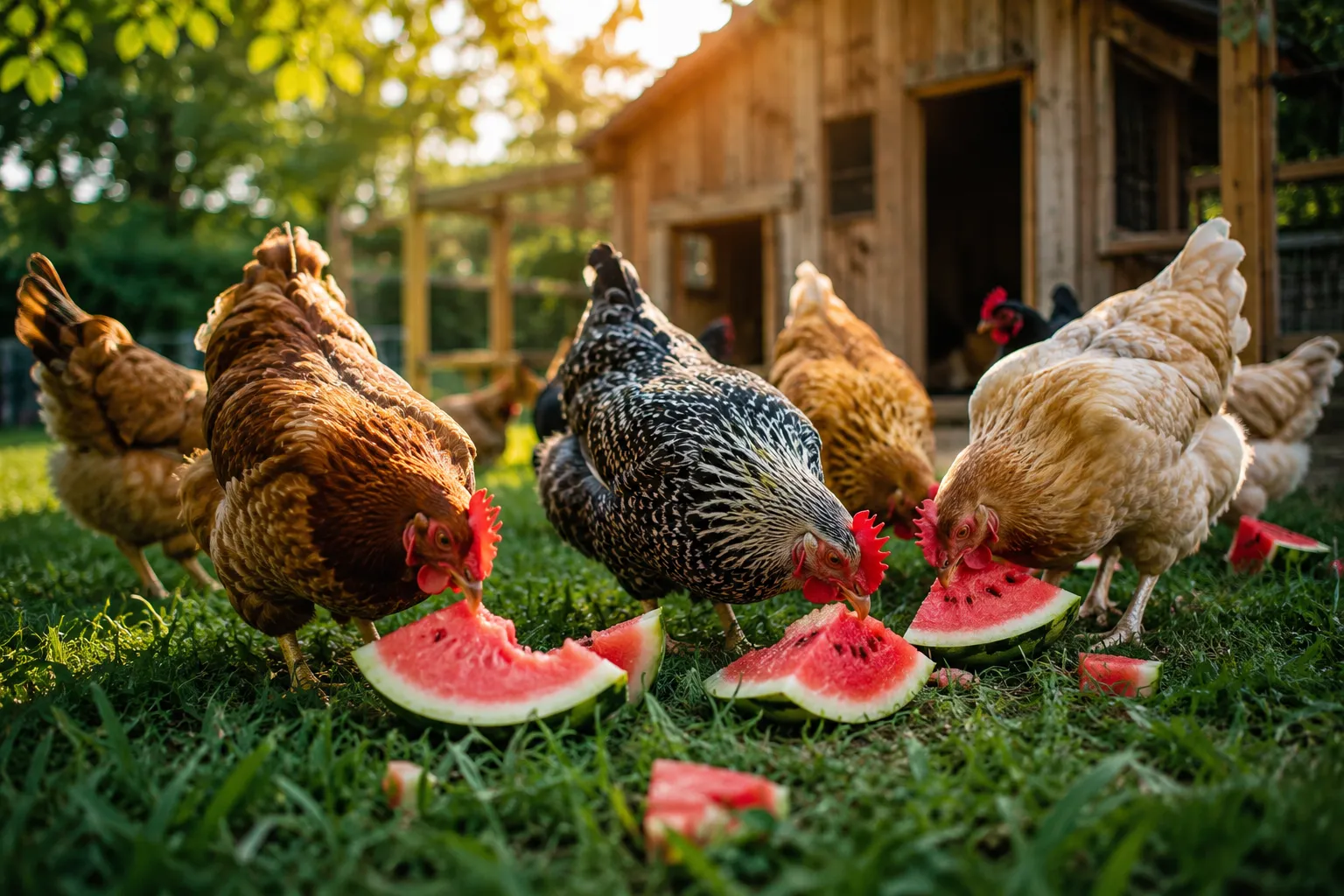
Is Watermelon Safe for Chickens to Eat?
Watermelon is completely safe for chickens to eat and poses no toxicity risk when fed fresh and in appropriate amounts. The fruit contains no compounds harmful to poultry and is actually one of the safest treats you can offer your flock.
Chickens can digest watermelon easily because their gizzards break down the soft flesh, seeds, and even the tougher rind. The high water content (about 92%) makes watermelon particularly valuable during summer months when chickens need extra hydration to regulate body temperature.
What makes watermelon safe:
- No toxic compounds or harmful chemicals
- Natural sugars are present in moderate, safe amounts
- Seeds are small enough to pass through the digestive system
- Rind provides fiber without causing blockages
- Low acidity compared to citrus fruits
One important caveat: Only feed fresh watermelon. Moldy or fermented watermelon can harbor dangerous bacteria and fungi that cause digestive upset or more serious illness in chickens.
Can Chickens Eat Watermelon Rind and Seeds?
Yes, chickens can safely eat both watermelon rind and seeds without any health concerns. In fact, many chickens prefer the rind because it provides a satisfying crunch and contains beneficial fiber that supports digestive health.
The seeds are completely safe and will either be digested or pass through the chicken’s system intact. Unlike some fruit seeds that contain trace amounts of cyanide (like apple seeds), watermelon seeds pose no toxicity risk. The rind, while tougher than the flesh, is packed with nutrients including citrulline, an amino acid that may support circulation.
Benefits of feeding rind and seeds:
- Rind: High in fiber, reduces waste, keeps chickens entertained longer
- Seeds: Contain protein, healthy fats, and minerals like magnesium
- Whole fruit feeding: Chickens naturally peck away flesh first, then work on the rind, providing extended enrichment
Some chicken keepers worry about the white part of the rind being too tough, but chickens are excellent at self-regulating. They’ll peck at what they can manage and leave the rest. If you have concerns, simply cut the rind into smaller strips.
How Much Watermelon Can I Give My Chickens?
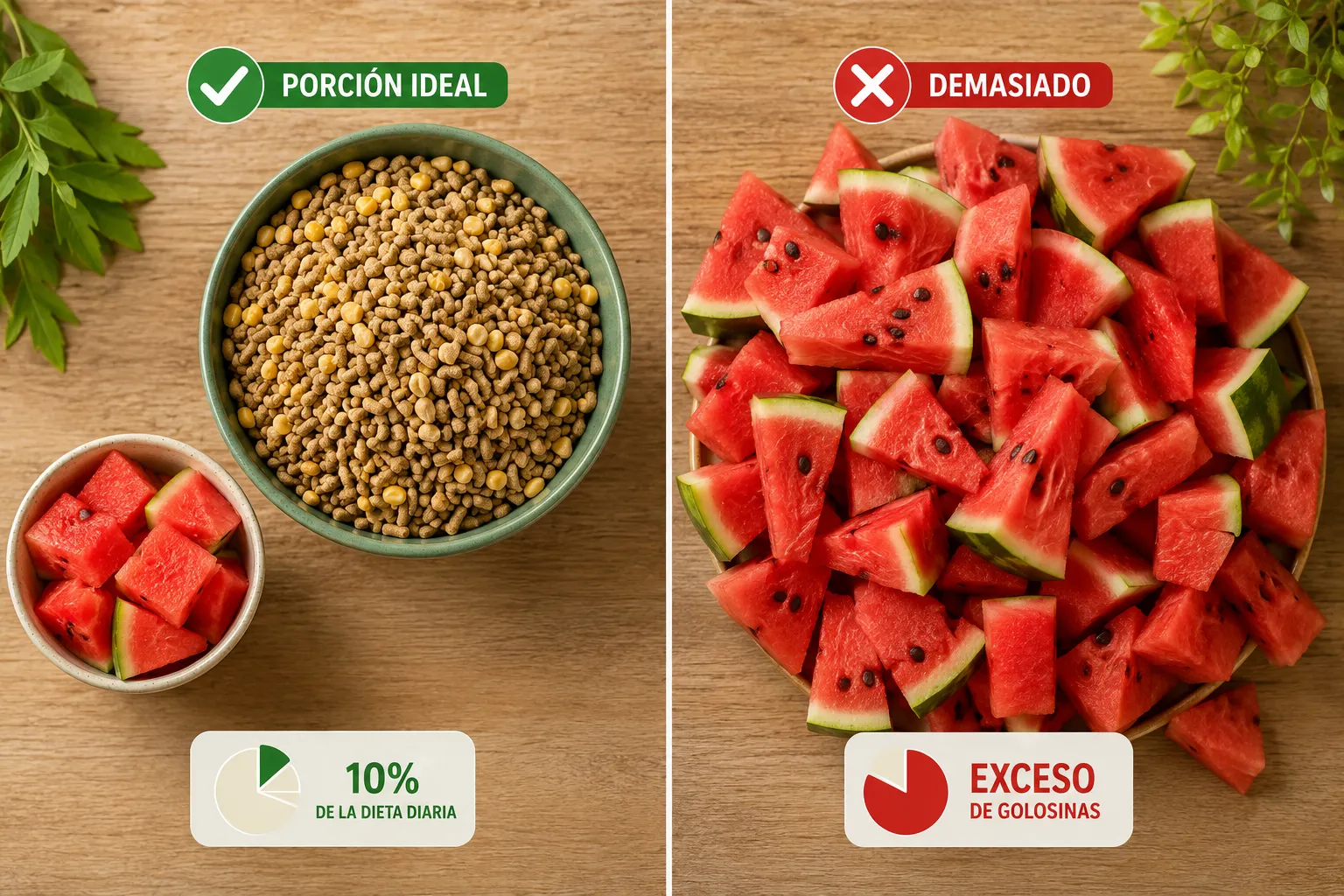
Watermelon should make up no more than 10% of your chickens’ daily food intake, with the remaining 90% coming from a complete layer feed or appropriate chicken feed. For an average-sized hen, this translates to roughly 1-2 cups of watermelon per week, divided across multiple feeding sessions.
The 10% rule applies to all treats combined, not just watermelon. If you’re feeding other fruits, vegetables, or kitchen scraps, watermelon should be part of that 10% allowance, not in addition to it.
Practical portioning guidelines:
- Small flock (3-5 chickens): Half a small watermelon 2-3 times per week
- Medium flock (6-12 chickens): One medium watermelon 2-3 times per week
- Large flock (13+ chickens): One large watermelon 2-3 times per week
Why the 10% limit matters: Chickens need a nutritionally balanced diet to maintain egg production, immune function, and overall health. Watermelon is mostly water and natural sugars with relatively low protein and calcium. Overfeeding treats can lead to nutritional deficiencies, reduced egg production, and obesity.
Common mistake: Leaving watermelon out all day. Remove uneaten portions after 2-3 hours, especially in hot weather, to prevent spoilage and bacterial growth.
Benefits of Feeding Watermelon to Chickens
Watermelon offers several nutritional and practical benefits that make it an excellent occasional treat for backyard flocks. The primary advantage is hydration, but the fruit also delivers vitamins, minerals, and behavioral enrichment.
Key nutritional benefits:
- Hydration: 92% water content helps prevent heat stress during summer
- Vitamin A: Supports eye health, immune function, and egg production
- Vitamin B6: Aids in protein metabolism and nervous system function
- Vitamin C: Boosts immune response (though chickens produce their own vitamin C)
- Lycopene: Antioxidant that may improve egg yolk color and overall health
- Potassium: Supports muscle function and electrolyte balance
Behavioral and practical benefits:
- Enrichment: Pecking at watermelon provides mental stimulation and reduces boredom-related behaviors like feather pecking
- Cooling effect: Cold watermemelon from the refrigerator helps chickens cool down on hot days
- Flock bonding: Sharing a large watermelon half encourages natural foraging behavior
- Reduced aggression: Keeps chickens occupied, which can minimize pecking order disputes
Choose watermelon if: Your chickens need extra hydration, you want a low-mess treat, or you’re looking for a cooling snack during heat waves.

Can Baby Chicks Eat Watermelon?
Baby chicks under 3-4 weeks old should not eat watermelon or any treats. Their digestive systems are still developing and require the precise nutritional balance found in starter feed to support rapid growth and immune system development.
After 4 weeks of age, you can introduce tiny amounts of finely chopped watermelon (no larger than a pea) as an occasional treat. Even then, treats should make up less than 5% of a young chick’s diet until they reach 8-10 weeks old.
Age-based watermelon guidelines:
- 0-3 weeks: No watermelon or treats; starter feed only
- 4-8 weeks: Tiny pieces (pea-sized), less than 5% of diet, offered 1-2 times per week
- 8+ weeks: Small pieces, gradually increase to 10% of diet as they mature
- 16+ weeks (laying age): Standard adult portions apply
Why the restriction matters: Baby chicks need high-protein starter feed (18-20% protein) to develop properly. Watermelon contains less than 1% protein and can fill their small crops with water and sugar instead of essential nutrients. This can lead to stunted growth, weak bones, and increased susceptibility to disease.
Grit requirement: If you feed watermelon to chicks over 4 weeks old, ensure they have access to chick-sized grit to help their gizzards break down the food properly.
Watermelon vs Cucumber for Chickens: Which Is Better?
Both watermelon and cucumber are excellent hydrating treats for chickens, but they serve slightly different purposes. Watermelon provides more natural sugars and vitamins, while cucumber offers lower sugar content and a crunchier texture that some chickens prefer.
Nutritional comparison:
| Nutrient | Watermelon (per 100g) | Cucumber (per 100g) |
|---|---|---|
| Water content | 92% | 95% |
| Calories | 30 | 15 |
| Sugar | 6g | 1.7g |
| Vitamin A | 569 IU | 105 IU |
| Vitamin C | 8.1mg | 2.8mg |
| Fiber | 0.4g | 0.5g |
Choose watermelon if:
- Your chickens need a quick energy boost
- You want to enhance egg yolk color (lycopene)
- It’s extremely hot and chickens need maximum hydration appeal
- You have picky eaters (most chickens prefer watermelon’s sweetness)
Choose cucumber if:
- You’re concerned about sugar intake or have overweight chickens
- You want a lower-calorie treat option
- Your chickens enjoy crunchier textures
- You’re feeding treats more frequently (lower sugar means less dietary impact)
The verdict: Neither is objectively “better.” Rotate between both to provide variety and balanced nutrition. Many chicken keepers feed watermelon during peak summer heat and cucumber as a more regular treat throughout the growing season.
Can Chickens Eat Moldy or Rotten Watermelon?
No, chickens should never eat moldy or rotten watermelon. While chickens have relatively robust digestive systems, moldy fruit can contain mycotoxins that cause serious illness, digestive upset, and even death in poultry.
Mold on watermelon often indicates the presence of harmful bacteria like Salmonella or E. coli, which thrive on decomposing fruit. Even if the mold is only visible on one section, microscopic spores and bacteria have likely spread throughout the entire fruit.
Dangers of moldy watermelon:
- Mycotoxins: Toxic compounds produced by mold that damage liver and kidneys
- Bacterial infection: Can cause diarrhea, lethargy, and reduced egg production
- Aspergillosis: Respiratory disease caused by inhaling mold spores
- Death: Severe cases of mycotoxin poisoning can be fatal
Signs your watermelon is unsafe:
- Visible mold (fuzzy white, black, or green spots)
- Sour or fermented smell
- Slimy texture
- Discolored flesh (dark spots, unusual yellowing)
- Watermelon has been sitting out for more than 3-4 hours in warm weather
Safe practice: When in doubt, throw it out. Compost questionable watermelon away from your chicken run, or dispose of it in your regular trash. The small cost of wasted fruit is far less than veterinary bills or losing birds to illness.
Do Chickens Like Watermelon in Hot Weather?
Yes, chickens enthusiastically eat watermelon during hot weather, and it’s one of the best treats you can offer when temperatures soar above 85°F (29°C). The high water content helps prevent heat stress and dehydration, while the cool temperature (especially if refrigerated) provides immediate relief.
Chickens don’t sweat and rely on panting, seeking shade, and consuming water to regulate body temperature. Watermelon serves as both food and hydration, making it particularly valuable during heat waves when chickens may reduce their feed intake but still need calories.
Why watermelon works so well in heat:
- Provides hydration without requiring chickens to drink from waterers (which can be too warm)
- Cool temperature lowers body temperature from the inside
- Natural sugars provide energy without heavy digestion
- Pecking at watermelon encourages activity during hot afternoons when chickens might otherwise be lethargic
Best practices for hot weather feeding:
- Refrigerate first: Serve cold watermelon straight from the refrigerator for maximum cooling effect
- Freeze chunks: Freeze watermelon pieces for an even longer-lasting cool treat
- Provide in shade: Place watermelon in shaded areas to keep it cool longer
- Offer in afternoon: Feed during the hottest part of the day (2-4 PM) when chickens need it most
- Increase frequency: During extreme heat (90°F+), you can offer watermelon daily while monitoring overall treat intake
Watch for: Even with watermelon, ensure chickens have access to fresh, cool water at all times. Watermelon supplements but doesn’t replace proper hydration.
What Fruits Should Chickens Never Eat?
While chickens can safely eat most fruits, several are toxic or dangerous and must be completely avoided. The most critical to remember is avocado, which contains persin, a fungicidal toxin that is fatal to chickens even in small amounts.
Toxic fruits (NEVER feed):
- Avocado: All parts (flesh, pit, skin) contain persin; causes heart damage and respiratory failure
- Green tomatoes: Contain solanine (ripe red tomatoes are safe)
- Rhubarb leaves: High in oxalic acid; causes kidney failure (stalks are safe in small amounts)
Fruits to avoid or limit:
- Citrus fruits (lemons, oranges, grapefruit): High acidity may interfere with calcium absorption; can reduce egg production if fed in excess
- Dried fruits with added sugar: Excessive sugar can cause obesity and digestive upset
- Fruit with pits/large seeds: Apple seeds, cherry pits, peach pits contain trace cyanide; remove before feeding
Other dangerous foods (not fruits, but important):
- Chocolate (theobromine is toxic)
- Onions and garlic in large amounts (cause anemia)
- Raw or dried beans (contain phytohaemagglutinin)
- Green potatoes or potato leaves (solanine)
- Salty or processed foods
Safe fruit alternatives: Apples (seedless), berries, melons, grapes (cut in half), bananas, pears, and most stone fruits (pits removed) are all excellent, safe options.
Emergency response: If a chicken accidentally eats toxic fruit, remove the source immediately, provide fresh water, and contact a veterinarian experienced with poultry. Watch for symptoms like lethargy, difficulty breathing, or unusual droppings.
Can Chickens Eat Watermelon Every Day or Just as a Treat?
Watermelon should be fed as an occasional treat, not a daily staple. While safe and nutritious, watermelon lacks the protein, calcium, and complete nutrition chickens need for optimal health and egg production. Daily feeding can lead to nutritional imbalances and reduced laying performance.
The ideal frequency is 2-3 times per week during summer months, with each serving kept within the 10% treat guideline. During cooler months, you can reduce frequency to once per week or less, as the hydration benefit is less critical.
Why not daily:
- Nutritional imbalance: Watermelon contains less than 1% protein; laying hens need 16-18% protein daily
- Calcium deficiency: Watermelon has minimal calcium; hens need 3-4 grams daily for strong eggshells
- Reduced feed intake: Chickens may fill up on watermelon and eat less of their balanced feed
- Watery droppings: Daily watermelon can cause persistently loose stools
- Behavioral issues: Over-reliance on treats can make chickens picky eaters
Treat rotation strategy:
- Monday: Watermelon
- Tuesday-Wednesday: Regular feed only
- Thursday: Different treat (cucumber, berries, leafy greens)
- Friday-Saturday: Regular feed only
- Sunday: Watermelon or other fruit
Exception: During extreme heat waves (95°F+/35°C+), you may offer small amounts of watermelon daily for 3-5 days to support hydration, but reduce other treats to maintain the 10% total limit.
Will Watermelon Make Chickens Poop Watery?
Yes, watermelon can cause temporarily watery or loose droppings in chickens due to its extremely high water content (92%). This is normal and not a cause for concern if the droppings return to normal consistency within 12-24 hours after feeding watermelon.
Chicken droppings naturally vary in consistency throughout the day. Normal droppings are firm with a white urate cap, but cecal droppings (produced every 8-10 droppings) are naturally brown and loose. Watermelon simply adds more water to the digestive system, resulting in looser-than-usual droppings for a short period.
What’s normal after watermelon:
- Looser, wetter droppings for 12-24 hours
- Increased frequency of droppings
- Lighter color due to dilution
- Return to normal consistency by the next day
When to worry (signs of actual illness):
- Watery droppings lasting more than 48 hours
- Blood in droppings
- Foul smell (worse than usual)
- Accompanied by lethargy, reduced appetite, or ruffled feathers
- Green or yellow coloration (may indicate infection)
Prevention tips:
- Feed watermelon in the morning so droppings normalize before roosting time
- Don’t exceed the 10% treat guideline
- Ensure chickens eat their regular feed before offering watermelon
- Provide access to grit to support proper digestion
Common mistake: Panicking over temporarily loose droppings and withholding all treats. As long as droppings normalize quickly and chickens act healthy, occasional loose stools after watermelon are completely normal.
Best Way to Serve Watermelon to Chickens
The best way to serve watermelon is to cut it into halves or large wedges and place them directly on the ground or in a shallow dish, allowing chickens to peck at them naturally. This method provides enrichment, reduces waste, and prevents choking hazards.
Chickens are natural foragers and enjoy working for their food. A large watermelon half placed in the run gives the entire flock access while encouraging natural pecking behavior. The chickens will eat the flesh first, then gradually work on the rind over 1-2 hours.
Serving methods ranked:
- Halves or quarters (best): Cut watermelon in half or quarters; place cut-side up in the run
- Large wedges: Cut into 2-3 inch wedges; good for smaller flocks
- Chunks: Cut into 1-inch cubes; useful for mixing with other treats or training
- Frozen pieces: Freeze chunks for a longer-lasting summer treat
- Hanging: Skewer a watermelon half and hang at chest height for entertainment
Step-by-step serving guide:
- Wash the outside of the watermelon to remove dirt and potential pesticides
- Cut watermelon in half or into large wedges
- Place in a shaded area of the run or coop yard
- Allow chickens to peck naturally for 2-3 hours
- Remove any uneaten portions before they spoil
- Compost rinds or dispose of them properly
What to avoid:
- Tiny pieces: Increase choking risk and reduce enrichment value
- Leaving out overnight: Attracts pests and allows bacterial growth
- Feeding in the coop: Creates mess and moisture issues
- Blending or mashing: Removes the beneficial pecking activity
Pro tip: On extremely hot days, freeze watermelon chunks overnight and serve them frozen. Chickens will peck at them as they slowly melt, providing extended cooling relief.
Can Chickens Choke on Watermelon Pieces?
Chickens can potentially choke on watermelon if pieces are too large or if they try to swallow chunks whole without pecking them into smaller pieces first. However, choking is rare when watermelon is served properly in large halves or wedges that chickens must peck at rather than swallow whole.
Chickens don’t have teeth and rely on their beaks to tear food into manageable pieces before swallowing. Their natural instinct is to peck at large items repeatedly, breaking them down. The danger arises when well-meaning owners cut watermelon into medium-sized chunks (1-2 inches) that are small enough to attempt swallowing but large enough to lodge in the throat.
Choking risk by size:
- Large halves/quarters (safest): Chickens must peck; cannot swallow whole
- Wedges 3+ inches (safe): Too large to swallow; encourages pecking
- Chunks 1-2 inches (moderate risk): May attempt to swallow; can cause choking
- Small pieces under 0.5 inch (safe): Small enough to swallow easily
- Seeds alone (safe): Pass through digestive system without issue
Signs of choking in chickens:
- Gasping or open-mouth breathing
- Stretching neck upward repeatedly
- Shaking head violently
- Standing still with neck extended
- Distressed vocalizations
Emergency response for choking:
- Catch the chicken calmly but quickly
- Open the beak gently and look for visible obstruction
- If you can see the object, carefully remove it with your fingers
- If not visible, hold the chicken upside down briefly (5-10 seconds) to dislodge the object
- Gently massage the throat area downward
- Seek veterinary help if the chicken continues struggling after 2-3 minutes
Prevention is key: Serve watermelon in large pieces that require pecking, supervise the first few times you offer new treats, and ensure chickens have access to grit for proper digestion.
Frequently Asked Questions
Can chickens eat watermelon with white seeds?
Yes, chickens can safely eat watermelon with white (immature) seeds. These seeds are softer than black seeds and pose no health risk. Chickens will either digest them or pass them through their system intact.
How do I know if my chickens like watermelon?
Chickens that like watermelon will rush to it immediately, peck enthusiastically, and compete for access. If they ignore it or peck halfheartedly, they may prefer other treats. Most chickens love watermelon, but individual preferences vary.
Can I feed my chickens watermelon from the grocery store?
Yes, store-bought watermelon is safe for chickens. Wash the outside before cutting to remove any pesticide residue or dirt. Organic watermelon is ideal but not necessary; conventional watermelon is safe when rinsed.
Will watermelon attract pests to my chicken coop?
Yes, if left out too long. Remove uneaten watermelon after 2-3 hours to prevent attracting flies, ants, rats, and other pests. Feed watermelon in the morning so you can clean up before evening.
Can roosters eat watermelon?
Yes, roosters can eat watermelon following the same guidelines as hens. The 10% treat rule and serving methods apply equally to all adult chickens regardless of sex.
Does watermelon change egg taste or color?
Watermelon does not significantly change egg taste. However, the lycopene in watermelon may slightly enhance egg yolk color, making it more orange. This is a positive effect that many consumers prefer.
Can I feed chickens watermelon in winter?
You can, but it’s less beneficial. Cold watermelon can lower body temperature when chickens need to stay warm. If feeding in winter, serve at room temperature and in smaller amounts. Focus on higher-calorie treats like cracked corn or sunflower seeds during cold months.
How long does it take chickens to eat a watermelon?
A flock of 6-8 chickens will typically consume a medium watermelon half in 1-3 hours, depending on their hunger level and preference. They’ll eat the flesh quickly (30-60 minutes) and work on the rind more slowly.
Can chickens eat yellow or orange watermelon?
Yes, chickens can safely eat all watermelon varieties, including yellow and orange flesh types. The nutritional profile is similar across varieties, though red watermelon contains more lycopene.
Will watermelon help chickens during molting?
Watermelon provides hydration and vitamins but is not ideal for molting support. During molt, chickens need extra protein (20-22%) to regrow feathers. Offer high-protein treats like mealworms, scrambled eggs, or sunflower seeds instead.
Can I freeze watermelon for chickens year-round?
Yes, you can freeze watermelon chunks in freezer bags and offer them as treats throughout the year. Frozen watermelon works best in warm weather; avoid feeding frozen treats when temperatures drop below 50°F (10°C).
Do I need to remove watermelon seeds before feeding chickens?
No, watermelon seeds are safe and do not need to be removed. Chickens can digest or pass the seeds without any issues. Removing seeds creates unnecessary work with no safety benefit.
Conclusion
Watermelon is one of the safest, most beneficial treats you can offer your backyard flock, especially during hot summer months. Chickens can eat all parts of the watermelon, flesh, rind, and seeds, without any health concerns when fed fresh and in moderation. The key is maintaining the 10% treat rule, ensuring watermelon supplements rather than replaces their nutritionally complete feed.
Remember these essential points: serve watermelon in large pieces to prevent choking, remove uneaten portions within 2-3 hours to avoid spoilage, and never feed moldy or rotten fruit. Baby chicks under 4 weeks should not receive watermelon, and even older chicks need only tiny amounts until they reach maturity.
Your next steps:
- Pick up a fresh watermelon on your next grocery trip
- Cut it into halves or large wedges
- Offer it to your flock during the hottest part of the day
- Watch them enjoy this hydrating, nutritious treat
- Monitor their droppings for the next 24 hours (temporary looseness is normal)
- Rotate watermelon with other safe fruits and vegetables for dietary variety
By following these guidelines, you’ll keep your chickens happy, healthy, and well-hydrated throughout the summer season. Your flock will thank you with enthusiastic pecking, satisfied clucks, and continued egg production even during the hottest days of the year.


