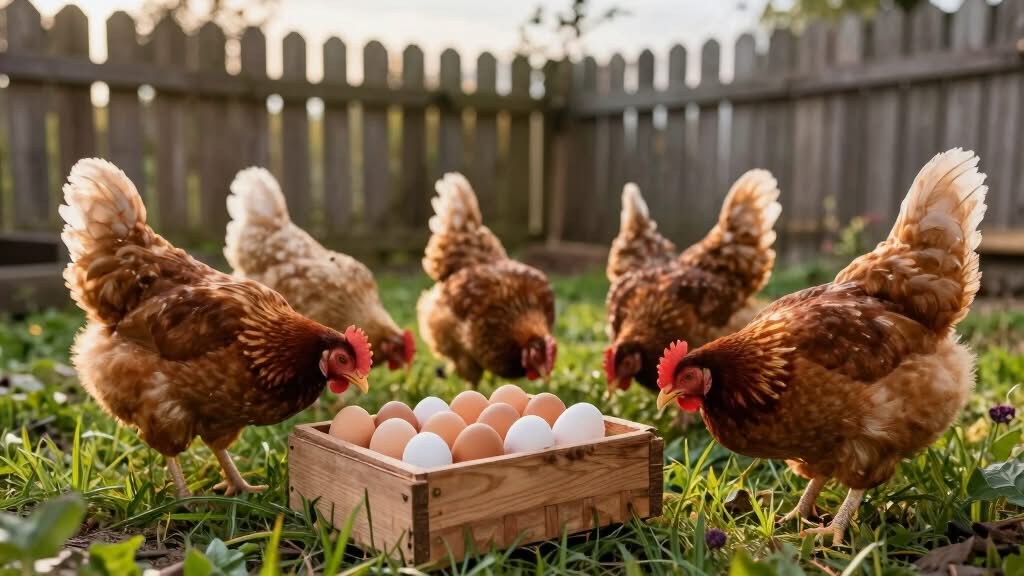
Quick Answer
To get eggs year-round from a small flock, you need 4-6 hens of cold-hardy breeds, supplemental lighting to extend daylight to 14-16 hours during winter months, high-protein layer feed, and proper coop insulation with ventilation. Most backyard flocks naturally slow or stop laying when daylight drops below 12 hours, but strategic breed selection and light management can maintain production through winter without heat lamps.
Key Takeaways
- Flock size matters: Keep 4-6 hens minimum to ensure consistent eggs even when 1-2 birds molt or take breaks
- Breed selection is critical: Cold-hardy breeds like Rhode Island Reds, Australorps, and Buff Orpingtons maintain better winter production than Mediterranean breeds
- Supplemental light works: Adding 2-4 hours of morning light to reach 14-16 total daylight hours triggers year-round laying in most hens
- Heat lamps aren’t necessary: Chickens tolerate cold well and don’t need supplemental heat to lay eggs, just protection from drafts and moisture
- Nutrition drives production: Switch to 18-20% protein layer feed and provide calcium supplements to support consistent laying
- Molting pauses laying: Annual feather replacement stops egg production for 8-12 weeks, regardless of light or feed
- Age affects output: Hens lay best in years 1-3, then decline 10-20% annually, though they continue laying for 5-8 years
- Cost is modest: Expect $15-30 monthly for feed, bedding, and electricity to maintain winter production from a small flock
How Many Chickens Do You Need for Eggs All Year?
A minimum of 4-6 hens provides consistent year-round eggs for a typical household. This number accounts for natural variations in laying cycles, molting periods, and the occasional hen taking a break.
Here’s the math behind flock sizing:
- Peak production: Each hen lays 5-6 eggs weekly during prime laying years
- Winter slowdown: Production drops 30-50% without intervention, even with good breeds
- Molting rotation: 1-2 birds will molt at any given time in fall, producing zero eggs for 2-3 months
- Daily egg target: Most families use 6-12 eggs weekly
For a family wanting 1 dozen eggs per week year-round, 5 hens is the sweet spot. With supplemental lighting and good breeds, expect 3-4 eggs daily in summer and 2-3 daily in winter from this size flock.
Common mistake: Starting with only 2-3 hens leaves you with no eggs when one molts and another goes broody or takes a seasonal break. The small flock lacks redundancy.
Choose 6-8 hens if: You want to sell or give away extras, prefer not to use supplemental lighting, or keep breeds with lower production rates like Silkies or Bantams.
Why Do Chickens Stop Laying Eggs in Winter?
Chickens stop or slow laying in winter because decreasing daylight hours trigger hormonal changes that pause their reproductive cycle. When daylight drops below 12-14 hours, the hen’s pituitary gland reduces production of the hormones that stimulate ovulation and egg formation.
This biological response is natural and energy-conserving. In the wild, winter means scarce food and harsh conditions, so birds redirect energy from reproduction to survival and staying warm.
Three factors compound the winter laying slowdown:
- Photoperiod (daylight length): The primary trigger. Below 14 hours of light, laying slows dramatically
- Molting timing: Most hens molt in fall, replacing feathers just as days shorten, which completely stops laying for 8-12 weeks
- Energy demands: Cold weather requires more calories for body heat, leaving less energy for egg production
Important distinction: Cold temperature itself doesn’t stop laying. Chickens with adequate light, nutrition, and dry shelter lay well in freezing weather. The issue is daylight, not temperature.
Some heritage and Mediterranean breeds (Leghorns, Andalusians) are more photoperiod-sensitive and stop laying abruptly when days shorten. Cold-hardy dual-purpose breeds maintain better winter production naturally.
What Are the Best Chicken Breeds for Winter Egg Production?
The best breeds for winter egg production are cold-hardy, dual-purpose chickens that naturally maintain laying through shorter days: Rhode Island Reds, Australorps, Buff Orpingtons, Plymouth Rocks, and Wyandottes consistently outperform other breeds in winter conditions.
Here’s a breed comparison for year-round laying:
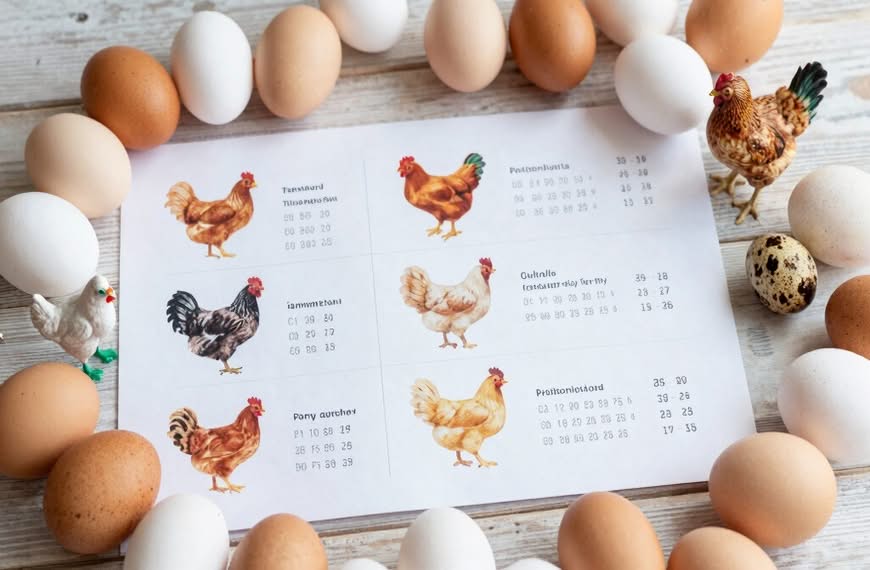
| Breed | Winter Laying | Cold Hardiness | Annual Eggs | Temperament |
|---|---|---|---|---|
| Rhode Island Red | Excellent | Excellent | 250-300 | Active, hardy |
| Australorp | Excellent | Excellent | 250-300 | Calm, friendly |
| Buff Orpington | Very Good | Excellent | 200-280 | Docile, broody |
| Plymouth Rock | Very Good | Excellent | 200-280 | Friendly, reliable |
| Wyandotte | Very Good | Excellent | 200-260 | Calm, cold-hardy |
| Sussex | Very Good | Very Good | 250-280 | Friendly, curious |
| Leghorn | Poor-Fair | Fair | 280-320 | Flighty, productive |
Why these breeds excel: They have small combs (less frostbite risk), dense feathering, heavier body mass for heat retention, and less photoperiod sensitivity than Mediterranean breeds.
Avoid for winter production: Leghorns, Andalusians, and other light Mediterranean breeds stop laying abruptly when daylight decreases. Silkies and most bantam breeds lay fewer eggs overall and slow significantly in winter.
Hybrid option: Production hybrids like ISA Browns, Golden Comets, and Red Stars are bred specifically for consistent laying and perform excellently year-round, though they burn out faster than heritage breeds (3-4 years vs. 5-8 years of good production).
Can You Mix Different Chicken Breeds in One Small Flock?
Yes, you can successfully mix different chicken breeds in one small flock, and doing so often improves year-round egg production by diversifying laying patterns and temperaments. Mixing breeds is common practice and generally works well if you match birds by size and temperament.
Benefits of mixed-breed flocks:
- Different breeds molt at different times, so you never have the entire flock out of production simultaneously
- Varied laying patterns smooth out seasonal dips
- Genetic diversity can improve overall flock health
- Visual variety makes flock management easier (you can identify individuals)
Successful mixing guidelines:
- Match by size: Combine standard breeds together (Rhode Island Reds with Orpingtons) or bantams together, but avoid mixing standard and bantam sizes
- Avoid aggressive breeds with docile ones: Don’t pair flighty, competitive Leghorns with calm Cochins
- Introduce simultaneously: Add new breeds as chicks together, or introduce multiple adults at once to prevent one newcomer from being singled out
- Provide adequate space: Mixed flocks need 4 square feet per bird inside the coop and 10 square feet per bird in the run to minimize conflict
Common mistake: Adding a single new bird to an established flock. The pecking order makes integration brutal. Always introduce at least 2-3 new birds together so they have allies.
Best combinations for year-round eggs: Rhode Island Reds (early layers, winter-hardy) + Australorps (consistent layers) + Buff Orpingtons (cold-tolerant, slightly later molt timing) creates a well-rounded small flock.
Do You Need a Heat Lamp for Chickens to Lay in Winter?
No, you do not need a heat lamp for chickens to lay eggs in winter. Chickens tolerate cold temperatures extremely well and will lay consistently in freezing weather as long as they have adequate daylight, nutrition, dry bedding, and draft-free shelter.
Why heat lamps aren’t necessary:
- Adult chickens maintain body temperature of 105-107°F and handle cold down to well below 0°F
- Dense feathering and huddling behavior provide insulation
- Egg production responds to daylight length, not temperature
- Heat lamps create serious fire hazards in coops with bedding and dust
When chickens struggle with cold: Extreme cold affects combs and wattles (frostbite risk), not internal egg production. Breeds with large single combs (Leghorns) are vulnerable, while small rose or pea combs (Wyandottes) handle cold better.
What chickens actually need in winter:
- Ventilation without drafts: Moisture from breathing causes frostbite; proper ventilation at roof level removes humidity
- Deep bedding: 4-6 inches of pine shavings or straw for insulation
- Dry conditions: Wet bedding and damp coops cause more problems than cold air
- Wind protection: Solid walls blocking prevailing winds
Heat lamp dangers: Coops burn down regularly from heat lamp failures. If you must provide supplemental heat for extreme cold (below -20°F) or for vulnerable breeds, use a flat-panel radiant heater mounted securely away from bedding.
The bottom line: Focus on supplemental light, not heat, to maintain winter laying. Your hens’ feathers are better insulation than any heat lamp.
How Do You Increase Daylight for Chickens in Winter?
Increase daylight for winter-laying chickens by adding supplemental artificial light in the morning to extend total daylight to 14-16 hours. Use a timer-controlled LED bulb in the coop that turns on 2-4 hours before natural sunrise, gradually waking the flock and triggering the hormones needed for consistent egg production.
Step-by-step lighting setup:
- Calculate current daylight: Check sunrise/sunset times for your location in December-January (typically 8-10 hours)
- Target 14-16 hours total light: This mimics spring/summer photoperiods that trigger laying
- Add morning light, not evening: Turning lights off abruptly at night stresses birds who can’t see to roost; morning light lets them naturally roost at sunset
- Use a timer: Automatic timers ensure consistency; adjust monthly as natural daylight changes
- Install one 40-60 watt equivalent LED bulb per 100 square feet of coop space
- Position 6-7 feet high: Provides even coverage without being too bright
Lighting schedule example (for 8 hours natural winter daylight):
- Natural sunrise: 7:30 AM
- Natural sunset: 4:30 PM
- Supplemental light on: 4:00 AM
- Supplemental light off: 7:30 AM (sunrise)
- Total daylight: 14.5 hours
Gradual introduction: Don’t suddenly switch from 9 to 16 hours of light. Increase by 30 minutes weekly over 3-4 weeks to avoid shocking the birds’ systems.
Common mistakes:
- Using evening-only light that shuts off after dark, leaving hens unable to roost safely
- Too-bright light (100+ watts) that stresses birds
- Inconsistent timing from manual switching instead of timers
Alternative approach: Some keepers prefer letting hens take a natural winter break, accepting 2-3 months of reduced eggs. This allows the reproductive system to rest and may extend productive lifespan, though evidence is mixed.
What Are the Pros and Cons of Artificial Light for Chickens?
Artificial light for chickens maintains year-round egg production but may reduce overall laying lifespan by preventing the natural rest period. The decision depends on whether you prioritize consistent eggs now or potentially more total eggs over the hen’s lifetime.
Pros of supplemental lighting:
- ✅ Consistent egg production through winter months
- ✅ Better return on feed investment year-round
- ✅ Prevents complete production shutdown
- ✅ Minimal cost (LED bulbs use pennies of electricity monthly)
- ✅ Allows smaller flock size for same annual egg output
Cons of supplemental lighting:
- ❌ May shorten productive lifespan by 1-2 years (hens have finite egg supply)
- ❌ Prevents natural rest period for reproductive system
- ❌ Requires equipment, timers, and electricity
- ❌ Doesn’t prevent molting (birds still molt and stop laying during that period)
- ❌ Some evidence of increased stress and health issues in constantly-lit birds
The lifespan debate: Hens are born with a finite number of egg follicles (approximately 2,000-4,000). Forcing year-round production may deplete this supply faster, though research is inconclusive. Some studies show no difference in total lifetime eggs, just different timing.
Middle-ground approach: Use supplemental light for 2-3 years while hens are in peak production, then let them retire naturally with seasonal laying in later years. This maximizes eggs during prime years while allowing natural aging.
Choose supplemental light if: You need consistent eggs for family use or sales, have limited coop space for a larger flock, or keep production hybrids that are bred for intensive laying anyway.
Skip supplemental light if: You can manage with seasonal egg variation, prioritize natural chicken keeping, have enough hens that some always lay, or want to extend each bird’s productive lifespan.
What Should You Feed Chickens for Better Year-Round Egg Laying?
Feed chickens a complete layer feed with 18-20% protein, supplemental calcium, and occasional high-protein treats to support year-round egg production. Winter laying demands more energy, so increase feed quantity by 10-15% during cold months and ensure constant access to fresh, unfrozen water.
Core nutrition for consistent laying:
- Layer feed (16-18% protein): Standard for active laying hens; provides balanced nutrition
- Grower/finisher feed (18-20% protein): Better choice during winter and heavy laying periods
- Free-choice oyster shell or crushed eggshells: Calcium supplement in a separate dish; hens self-regulate intake
- Grit: Necessary for digestion if birds don’t free-range on soil
Quantity guidelines:
- Standard hen: 1/4 to 1/3 pound (4-5 ounces) of feed daily
- Winter increase: Add 10-15% more feed when temperatures drop below freezing
- Free-choice feeding: Keep feeders full; hens regulate intake well and won’t overeat layer feed
High-protein treats for winter laying (limit to 10% of diet):
- Mealworms (53% protein)
- Black soldier fly larvae (40% protein)
- Scrambled eggs (yes, chickens can eat eggs)
- Sunflower seeds (moderate amounts)
- Cooked fish or meat scraps
Foods to avoid or limit:
- ❌ Scratch grains as primary feed (too low in protein, just 8-10%)
- ❌ Bread, pasta, and carb-heavy scraps (filler with little nutrition)
- ❌ Excessive corn (fattening, low protein, though small amounts provide winter warmth)
Water is critical: Dehydration stops laying faster than poor feed. Use heated waterers or change water 2-3 times daily in freezing weather. A hen needs 1-2 cups of water to produce one egg.
Fermented feed option: Fermenting layer feed for 3-5 days increases nutrient bioavailability and probiotic content, potentially improving laying consistency. Mix feed with water, let it bubble at room temperature, then serve.
Common mistake: Feeding too much scratch grain and kitchen scraps, which dilutes protein intake below the 16% minimum needed for consistent laying.
How Much Does It Cost to Keep Chickens Laying Through Winter?
Keeping a small flock of 5-6 chickens laying through winter costs approximately $15-30 per month, covering increased feed, supplemental lighting electricity, and bedding. Annual winter costs (November-March) typically run $75-150 for a backyard flock, depending on feed prices and climate severity.
Monthly winter cost breakdown (5-6 hens):
- Layer feed: $12-20 (50-pound bag lasts 4-6 weeks at $15-25/bag)
- Supplemental lighting: $0.50-2 (LED bulb running 3-4 hours daily)
- Bedding: $3-8 (pine shavings or straw, changed more frequently in winter)
- Heated waterer (if used): $3-8 in electricity
- Calcium supplement: $1-2 (oyster shell lasts months)
Total: $19.50-40/month or roughly $0.65-1.30 per dozen eggs produced
One-time equipment costs:
- Timer for lighting: $8-15
- LED bulb: $8-12
- Heated waterer base: $25-45 (optional)
- Insulation materials: $20-50 (optional, one-time)
Cost comparison: Store eggs average $3-5 per dozen in 2026. Home flock eggs cost $2-4 per dozen when accounting for feed, bedding, and electricity, with better nutrition and freshness.
Ways to reduce winter costs:
- Buy feed in bulk (50-100 pound bags) for lower per-pound cost
- Use deep litter method (add bedding layers instead of full cleanouts) to reduce bedding costs and generate heat
- Collect kitchen scraps and garden waste for supplemental feed (up to 10% of diet)
- Share bulk feed purchases with other chicken keepers
Hidden costs to consider: Veterinary care for sick birds, predator-proofing repairs, and equipment replacement aren’t monthly expenses but add to lifetime flock costs.
The value equation: Beyond egg costs, backyard flocks provide pest control, fertilizer, food scrap recycling, and entertainment value that many keepers consider worth the investment regardless of egg production economics.
How Can You Tell If a Chicken Is Molting vs. Stopped Laying?
A molting chicken shows visible feather loss, especially around the neck, back, and tail, with new pin feathers emerging, while a chicken that simply stopped laying looks fully feathered but produces no eggs. Molting is a natural annual process that always stops egg production temporarily, while non-molting hens that stop laying indicate other issues.
Molting identification signs:
- Feather loss: Patchy or dramatic feather loss in specific patterns (neck, back, wings, tail)
- Pin feathers: New feathers emerging as short, waxy tubes
- Timing: Typically occurs in fall (September-November) as daylight decreases
- Duration: 8-12 weeks from start to full feather regrowth
- Behavior: Often more reclusive, less active during heavy molt
Stopped laying without molt (investigate these causes):
- Insufficient daylight (below 12-14 hours)
- Poor nutrition or sudden feed changes
- Stress from predators, new flock members, or coop changes
- Illness or parasites (lice, mites, worms)
- Age (hens over 5-6 years lay sporadically)
- Broodiness (hen sits on nest constantly, fluffs up when approached)
- Hidden nest location (free-range hens laying elsewhere)
Molt patterns vary by bird: Some hens molt quickly over 6-8 weeks with dramatic feather loss (hard molt), while others molt gradually over 3-4 months with barely noticeable feather loss (soft molt).
Supporting hens through molt:
- Increase protein to 20-22% (use game bird or meat bird feed temporarily)
- Reduce handling (new pin feathers are painful when touched)
- Ensure adequate space (molting birds are more irritable)
- Accept zero eggs during this period (forcing laying during molt is impossible)
Common mistake: Assuming a fully-feathered hen that stops laying is “just taking a break.” Check for illness, parasites, or environmental stressors rather than waiting for eggs to resume.
Age-related molt timing: Young hens (under 18 months) often skip the first fall molt or molt very lightly. Older hens molt more heavily and take longer to resume laying afterward.
What Age Do Chickens Stop Laying Consistently?
Chickens stop laying consistently around 5-6 years old, though they continue producing eggs at reduced rates for 8-10 years. Peak production occurs in the first 2-3 years, then declines 10-20% annually as the hen ages, with older birds laying larger but fewer eggs.
Laying timeline by age:
- Year 1 (pullet): 200-280 eggs (starts at 18-24 weeks old)
- Year 2: 250-300 eggs (peak production)
- Year 3: 220-270 eggs (still excellent)
- Year 4: 180-220 eggs (noticeable decline)
- Year 5: 140-180 eggs (inconsistent, larger eggs)
- Year 6+: 80-140 eggs (sporadic, seasonal only)
Production vs. heritage breeds: Modern production hybrids (ISA Browns, Red Stars) burn out faster, with sharp decline after year 3. Heritage breeds (Orpingtons, Wyandottes) decline more gradually and lay longer overall, though never at hybrid peak rates.
Signs of aging hens:
- Longer gaps between eggs (every 2-3 days instead of daily)
- Seasonal laying only (spring/summer, nothing in winter)
- Larger, sometimes oddly-shaped eggs
- Thicker, harder shells
- More frequent soft-shelled or shell-less eggs
Retirement decision: Many backyard keepers keep hens as pets after laying declines, while others cull older birds for meat or to make space for younger layers. Heritage breeds can live 8-12 years if kept as retirees.
Maximizing productive years:
- Start with young pullets (18-24 weeks) for immediate production
- Stagger flock ages by adding 2-3 new pullets annually
- Cull or retire hens after year 4-5 if maximizing egg production
- Provide excellent nutrition and low-stress environment to extend peak years
Common mistake: Keeping an entire flock of same-age hens, resulting in simultaneous decline and sudden egg shortage. Staggered ages ensure consistent production.
What Are Common Mistakes That Stop Chickens From Laying Eggs?
Common mistakes that stop chickens from laying include insufficient daylight, poor nutrition, stress from overcrowding or predators, parasites, sudden feed changes, and inadequate water access. Most laying problems stem from management issues rather than bird health, and correcting these factors usually restores production within 1-3 weeks.
Top 10 laying-killer mistakes:
- Too little daylight: Below 12-14 hours stops or severely reduces laying
- Low-protein feed: Feeding scratch grains or scraps instead of layer feed (need 16-18% protein minimum)
- Insufficient water: Dehydration stops laying within 24-48 hours; frozen or dirty water is a winter issue
- Overcrowding: Less than 3-4 square feet per bird inside causes stress and reduces laying
- Parasites: Mites, lice, and worms drain energy and nutrients needed for egg production
- Stress: Predator attacks, aggressive flock members, frequent coop changes, or loud disturbances
- Hidden nests: Free-range hens laying in secret spots (check bushes, under structures)
- Sudden feed changes: Switching feed brands or types abruptly disrupts digestion and laying
- Broodiness: Hen goes broody and sits on nest 24/7 (break broodiness or wait it out)
- Calcium deficiency: Leads to soft-shelled eggs, then stopped laying as hen conserves calcium
Quick diagnostic checklist:
- ✓ Are hens getting 14+ hours of light?
- ✓ Is layer feed available 24/7?
- ✓ Is water clean, fresh, and unfrozen?
- ✓ Are there visible parasites on birds or in coop?
- ✓ Is coop space adequate (4 sq ft per bird minimum)?
- ✓ Are there enough nest boxes (1 per 3-4 hens)?
- ✓ Have you checked for hidden nests if free-ranging?
Troubleshooting timeline: After correcting management issues, expect 1-3 weeks for laying to resume. If hens still don’t lay after three weeks of proper care, consider age, molt status, or underlying health issues.
Prevention strategy: Maintain consistent routines for feeding, lighting, and coop management. Chickens are creatures of habit, and disruptions affect laying more than most keepers realize.
Do Bantam Chickens Lay Eggs in Winter?
Bantam chickens do lay eggs in winter, but production drops more dramatically than standard breeds, and total annual output is lower (120-180 eggs vs. 200-300 for standard layers). Bantams are more photoperiod-sensitive and cold-sensitive due to smaller body mass, so supplemental lighting and draft-free shelter are essential for winter laying.
Bantam winter laying characteristics:
- Smaller eggs: Bantam eggs are 1/3 to 1/2 the size of standard eggs (roughly 2 bantam eggs = 1 standard egg)
- Lower production: Most bantams lay 3-4 eggs weekly in peak season, dropping to 0-2 weekly in winter
- Higher sensitivity: Shorter daylight and cold stress bantams more than standard breeds
- Breed variation: Some bantam breeds (Silkies, Cochins) are poor layers year-round; others (bantam Leghorns, Wyandottes) maintain better winter production
Best bantam breeds for winter eggs:
- Bantam Wyandottes (cold-hardy, consistent)
- Bantam Plymouth Rocks (reliable layers)
- Belgian d’Uccles (decent winter production)
- Bantam Orpingtons (cold-tolerant)
Worst bantam breeds for winter eggs:
- Silkies (poor layers, very cold-sensitive)
- Sebrights (ornamental, minimal laying)
- Japanese Bantams (cold-sensitive, poor winter layers)
Winter management for bantams:
- Provide 14-16 hours supplemental light (even more critical than for standard breeds)
- Ensure draft-free coop with extra bedding (bantams chill faster)
- Increase protein to 18-20% in winter
- Protect combs and wattles from frostbite (apply petroleum jelly in extreme cold)
Mixing bantams with standard breeds: Generally not recommended for year-round egg production. Standard hens outcompete bantams for food and space, and size differences create integration challenges.
Choose bantams if: You have limited space, want pet chickens with some egg production, or prefer smaller eggs. Don’t choose bantams if maximizing winter egg production is the priority.
How to Tell If a Chicken Is Too Old to Lay Eggs
A chicken is too old to lay eggs consistently when she’s over 6-7 years old and produces fewer than 50 eggs annually, though individual birds vary widely. Physical signs include a pale, shrunken vent, minimal abdominal capacity, and year-round absence of laying behavior, though some hens lay sporadically into their tenth year.
Physical indicators of laying vs. non-laying hens:
Active layer:
- Bright red, moist, large comb and wattles
- Wide, moist, pliable vent (egg exit)
- Soft, pliable pubic bones (width of 3-4 fingers between bones)
- Bleached-out legs and beak (pigment goes into egg yolks)
- Active, alert behavior
Retired layer:
- Small, pale, dry comb and wattles
- Small, dry, puckered vent
- Tight pubic bones (width of 1-2 fingers)
- Yellow legs and beak (pigment returns when not laying)
- Less active, more sedentary
Age-based expectations:
- Under 5 years: Should lay regularly with proper care; investigate if not laying
- 5-7 years: Sporadic laying is normal; expect 80-150 eggs annually
- 7-10 years: Very sporadic; 20-80 eggs annually
- Over 10 years: Rarely lays; consider retired
The vent check: Gently examine the vent (egg exit). An active layer has a large, moist, oval-shaped vent approximately 1-2 inches in diameter. A non-layer has a small, round, dry vent about the size of a dime.
Pubic bone test: Feel the two pointed bones on either side of the vent. In laying hens, these bones are flexible and spread 3-4 finger-widths apart. In non-layers, they’re rigid and close together (1-2 fingers).
Behavior clues: Laying hens visit nest boxes regularly (even if not laying daily), sing the “egg song,” and show nesting behavior. Retired hens ignore nest boxes and show no laying-related behaviors.
Common mistake: Assuming a hen is too old when she’s actually molting, broody, or affected by seasonal changes. Check physical signs rather than relying on age alone.
Decision point: Many backyard keepers retire hens as pets once laying drops below 2-3 eggs weekly. Others cull older birds to make space for productive pullets. The choice depends on your goals and attachment to individual birds.
Frequently Asked Questions
How long does it take for chickens to start laying after adding supplemental light?
Chickens typically resume or increase laying within 2-3 weeks of adding supplemental light to reach 14-16 hours of daily illumination. The pituitary gland needs consistent photoperiod exposure to restart hormone production that triggers ovulation and egg formation.
Can you use solar lights for chicken coop supplemental lighting?
Solar lights generally don’t provide sufficient brightness or duration for triggering egg production. Chickens need 10-20 lumens per square foot for 14-16 hours daily, which requires grid-powered LED bulbs on timers. Solar lights work for visibility but not for production lighting.
Will chickens lay eggs without a rooster?
Yes, hens lay eggs without a rooster present. Roosters are only necessary for fertile eggs that can hatch into chicks. Unfertilized eggs from rooster-free flocks are identical in nutrition, taste, and appearance to fertilized eggs and are what most backyard keepers prefer.
How do you break a broody hen so she starts laying again?
Break broodiness by removing the hen from the nest and placing her in a wire-bottom cage with food and water but no bedding for 3-5 days. The cooling effect on her underside interrupts the hormonal broodiness cycle. She’ll resume laying 1-2 weeks after broodiness breaks.
What color light is best for chicken egg production?
White or warm white LED light (2700-5000K color temperature) works best for egg production. Avoid red or colored lights, which don’t provide the full spectrum needed to trigger the pituitary gland’s hormone production for laying.
Do chickens need nest boxes to lay eggs?
Chickens don’t require nest boxes but strongly prefer dark, enclosed spaces for laying. Without nest boxes, hens lay on the floor or in corners, leading to dirty, broken eggs. Provide one nest box per 3-4 hens, positioned lower than roosts in a quiet coop area.
How many hours of light do chickens need to lay eggs?
Chickens need 14-16 hours of light daily for consistent egg production. Below 14 hours, laying slows; below 12 hours, most hens stop laying entirely. Natural summer daylight provides 14-16 hours, while winter drops to 8-10 hours in most climates, requiring supplemental lighting.
Can you give chickens too much light?
Yes, more than 16-17 hours of light daily can stress chickens and lead to health problems, including prolapsed vents and reproductive issues. Chickens need 7-8 hours of darkness for rest and proper hormone cycling. Never provide 24-hour lighting.
Why are my chickens laying soft-shelled eggs?
Soft-shelled eggs indicate calcium deficiency, vitamin D deficiency, or stress. Provide free-choice oyster shell, ensure layer feed contains 3.5-4% calcium, and check that hens aren’t being rushed off nests. Young pullets often lay soft eggs initially before systems mature.
How long do fresh eggs last without refrigeration?
Unwashed fresh eggs with intact bloom (protective coating) last 2-3 weeks at room temperature and 3-4 months refrigerated. Washed eggs must be refrigerated and last 2-3 months. The bloom prevents bacteria from entering through the porous shell.
What temperature is too cold for chickens?
Chickens tolerate temperatures well below 0°F without supplemental heat if they have dry, draft-free shelter and adequate food. Frostbite risk increases below -10°F for breeds with large combs. Focus on ventilation and dryness rather than heating.
Do chickens lay better with certain nest box bedding?
Chickens lay equally well on pine shavings, straw, or wood chips, though most prefer softer materials like straw or shavings. Change bedding weekly to keep nests clean and prevent egg-eating behavior. Avoid cedar shavings, which can irritate respiratory systems.
Conclusion
Getting eggs year-round from a small flock is entirely achievable with the right combination of breed selection, supplemental lighting, proper nutrition, and basic winter management. The key is understanding that chickens naturally pause laying when daylight drops below 12-14 hours, but this biological response can be managed without complex equipment or expensive interventions.
Start by building your flock with 4-6 cold-hardy, productive breeds like Rhode Island Reds, Australorps, or Buff Orpingtons. These birds naturally maintain better winter production than Mediterranean breeds and tolerate cold weather with minimal intervention. Mix breeds to stagger molting periods and diversify laying patterns throughout the year.
Install a simple timer-controlled LED light to extend morning daylight to 14-16 hours total during winter months. This single intervention makes the biggest difference in year-round production and costs just pennies monthly in electricity. Skip the heat lamp entirely, your chickens don’t need it and it creates serious fire hazards.
Feed a quality 18-20% protein layer feed with free-choice calcium supplements, increase rations by 10-15% during cold weather, and ensure constant access to unfrozen water. These nutritional basics support the energy demands of both egg production and staying warm through winter.
Your next steps:
- Evaluate your current flock size and breeds, do you have enough birds and the right genetics for year-round production?
- Purchase and install a timer and LED bulb before daylight drops below 12 hours in your area
- Stock up on quality layer feed and calcium supplements for winter months
- Prepare your coop with proper ventilation, draft protection, and deep bedding
- Track production weekly to identify patterns and troubleshoot issues early
With these strategies in place, your small backyard flock can provide fresh eggs every month of the year, even in the depths of winter. The investment in time and resources is modest, and the reward of consistent farm-fresh eggs makes it worthwhile for any home chicken keeping enthusiast.