Quick Answer
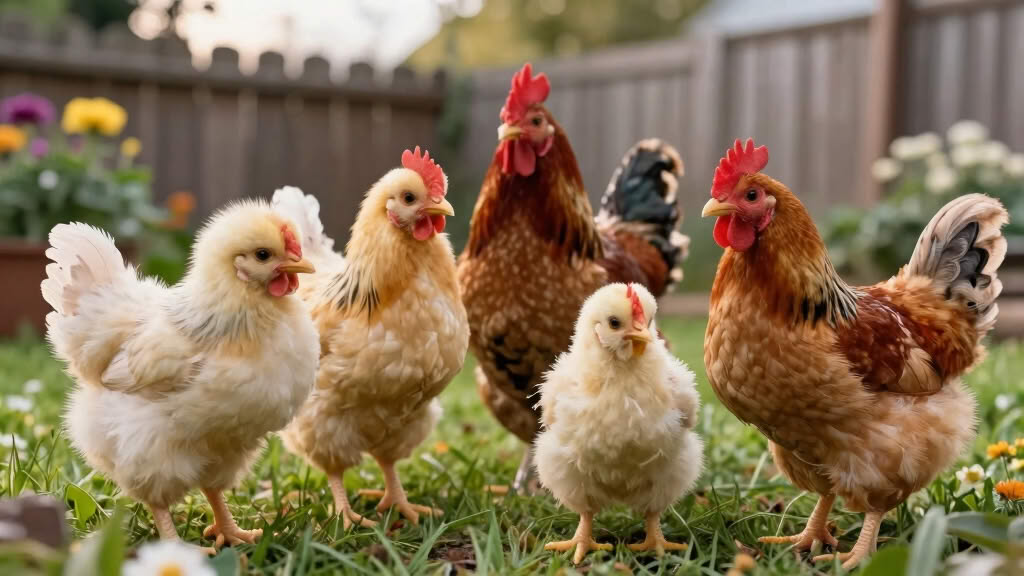
The best bantam breeds for small backyards are Silkies, Seramas, Belgian d’Uccles, and Cochins because they require minimal space (2-3 square feet per bird in the coop), stay calm and friendly, and adapt well to confined areas. These breeds are quieter than standard chickens, rarely fly over low fences, and produce enough eggs for small households while thriving in urban and suburban settings with limited outdoor space.
Key Takeaways
- Bantams need 60-75% less space than standard chickens, requiring only 2-3 square feet per bird in the coop and 4-6 square feet in the run
- Silkies and Cochins are the quietest breeds and best for close neighbors, while Seramas are the smallest at just 1 pound
- Belgian d’Uccles and Pekins balance egg production (3-4 small eggs weekly) with calm temperaments ideal for families with children
- Most bantam roosters crow 5-10 decibels quieter than standard roosters, making them more neighbor-friendly in residential areas
- Bantams cost $5-$25 per chick from hatcheries, with monthly feed expenses around $3-$5 per bird due to their smaller appetites
- Cold-hardy bantam breeds like Cochins and Wyandottes handle winter well with proper coop insulation and protection from drafts
- Common mistakes include underestimating their flying ability (most can clear 4-foot fences) and mixing aggressive breeds with docile ones
- Avoid Old English Game and Japanese bantams in tight spaces as they’re flighty, noisy, and require more room to roam
What Are Bantam Chickens and How Are They Different from Regular Chickens?
Bantam chickens are miniature versions of standard chicken breeds, typically weighing 1-2 pounds compared to the 5-8 pounds of full-sized chickens. They come in two types: true bantams (breeds with no large counterpart, like Seramas and Belgian d’Uccles) and miniaturized bantams (scaled-down versions of standard breeds, like Cochin bantams or Wyandotte bantams).
The key differences that matter for backyard keepers:
- Space requirements: Bantams need only 2-3 square feet per bird inside the coop versus 4 square feet for standard chickens
- Feed consumption: A bantam eats roughly one-third to one-half the feed of a standard hen, saving $20-$30 annually per bird
- Egg size: Bantam eggs are 50-60% the size of standard eggs; you’ll need 2-3 bantam eggs to equal two large chicken eggs
- Noise level: Bantams generally vocalize at lower volumes, though breed matters more than size
- Temperament: Many bantam breeds are calmer and more docile, making them easier to handle in confined spaces
Choose bantams if you have a yard smaller than 200 square feet, want chickens primarily as pets, or live in areas with strict limits on the number of birds allowed. Standard chickens make more sense if maximizing egg production is your main goal.
Which Bantam Breeds Are the Quietest for Neighbors?
Silkies and Cochins are the quietest bantam breeds, with hens producing soft, infrequent clucking that rarely carries beyond your property line. These breeds have calm, docile temperaments that result in less alarm calling and general chatter compared to more active breeds.
Quietest bantam breeds ranked:
- Silkie bantams – Exceptionally quiet hens; roosters crow but at lower volume and frequency
- Cochin bantams – Gentle and quiet; hens rarely make noise except when laying
- Brahma bantams – Calm disposition translates to minimal vocalizations
- Pekin bantams (also called Japanese bantams) – Quiet hens, though roosters can be vocal
- Wyandotte bantams – Moderate noise level; less chatty than Mediterranean breeds
Breeds to avoid for noise-sensitive situations:
- Old English Game bantams (frequent, loud calls)
- Rosecomb bantams (active and vocal)
- Sebright bantams (nervous disposition leads to more alarm calling)
Common mistake: Assuming all bantams are quiet. Mediterranean breeds like Leghorn bantams and Ancona bantams are naturally vocal and alert, making them poor choices for close neighbors even in miniature form. If noise is your primary concern, stick with the Asian breeds (Silkies, Cochins, Brahmas) that were bred for docility.
Best Bantam Breeds for Beginners with No Chicken Experience
Silkie bantams and Cochin bantams are the best choices for first-time chicken keepers because they’re extremely forgiving of handling mistakes, rarely become aggressive, and adapt well to various housing setups. Both breeds are cold-hardy, heat-tolerant, and go broody reliably if you want to hatch chicks naturally.
Top beginner-friendly bantam breeds:
Silkie Bantams
- Tolerate frequent handling without stress
- Cannot fly, eliminating fence height concerns
- Fluffy feathers require minimal grooming
- Go broody often (good if you want chicks, manageable if you don’t)
- Lay 2-3 small cream or tinted eggs per week
Cochin Bantams
- Extremely calm and easy to catch
- Feathered feet look impressive but need dry conditions
- Cold-hardy down to -10°F with basic shelter
- Lay 2-3 small brown eggs weekly
- Rarely challenge fencing or try to escape
Belgian d’Uccle Bantams
- Friendly and curious without being flighty
- Muffed and bearded appearance is distinctive
- Better layers than Silkies (3-4 eggs weekly)
- Feathered feet need attention in muddy conditions
- Good foragers in small spaces
Choose Silkies if you have young children who want to hold chickens frequently. Choose Cochins if you live in a cold climate and want maximum hardiness. Choose Belgian d’Uccles if egg production matters more than extreme docility.
What beginners should avoid: Sebrights and Old English Game bantams require more experience because they’re flighty, harder to handle, and need careful flock management to prevent aggression.
How Much Space Do Bantam Chickens Need in a Small Backyard?
Bantam chickens need a minimum of 2 square feet per bird inside the coop and 4-6 square feet per bird in an outdoor run, though 3 square feet indoors and 8 square feet outdoors is ideal for their health and happiness. A backyard as small as 100-150 square feet can comfortably house 3-4 bantams with proper coop design.
Space requirements breakdown:
| Area | Minimum per Bantam | Recommended per Bantam |
|---|---|---|
| Indoor coop floor | 2 sq ft | 3 sq ft |
| Outdoor run | 4-6 sq ft | 8-10 sq ft |
| Roost space | 6-8 inches | 8-10 inches |
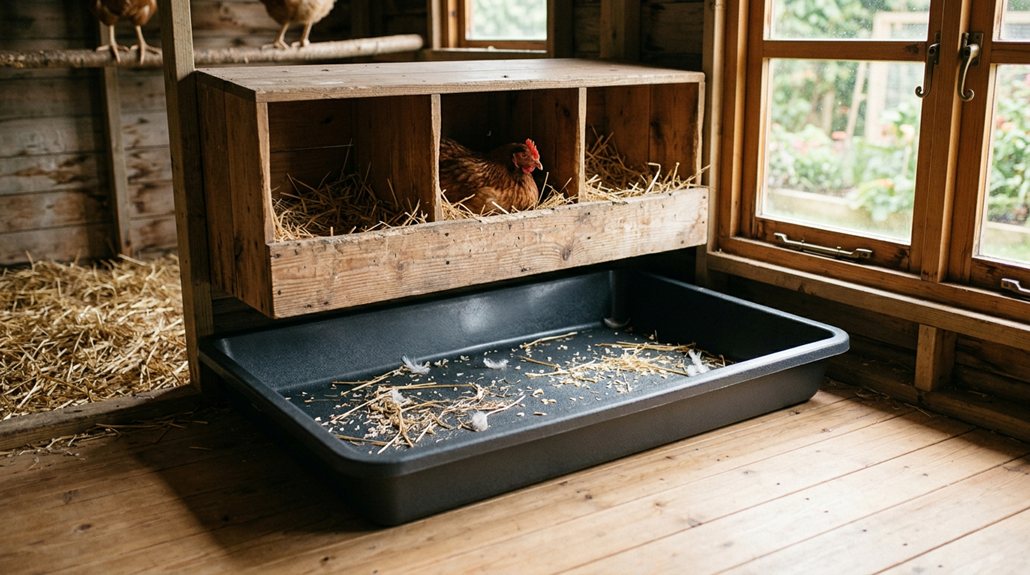
| Nesting box | One box per 3-4 hens | One box per 2-3 hens |
Example setups for small backyards:
- 150 sq ft yard: 4×4 ft coop (4 bantams) + 6×8 ft run = comfortable for 4-5 birds
- 200 sq ft yard: 4×6 ft coop (6 bantams) + 8×10 ft run = comfortable for 6-8 birds
- 300 sq ft yard: 6×6 ft coop (10 bantams) + 10×12 ft run = comfortable for 10-12 birds
Critical factors beyond square footage:
- Vertical space: Bantams use height efficiently; add multiple roost levels and platforms
- Enrichment: Small spaces need more frequent additions of fresh bedding, dust bath areas, and hanging treats
- Breed selection: Silkies and Cochins tolerate confinement better than active breeds like Sebrights
- Free-range time: Even 30 minutes daily outside the run reduces stress in tight quarters
Common mistake: Calculating space based on maximum capacity. Chickens kept at minimum space requirements show more pecking, feather loss, and stress. Always build for 25-30% fewer birds than the absolute maximum your space allows.
Silkie Bantams vs Serama Bantams: Which Is Better for Pets?
Silkie bantams are better pets for families with children because they tolerate handling, cannot fly away, and have calm temperaments, while Serama bantams are better for adult hobbyists who want the smallest possible chicken and enjoy showing birds. Both are friendly, but Silkies are more forgiving of beginner mistakes.
Silkie Bantams – Best for:
- Families with children under 10
- First-time chicken keepers
- Yards with minimal fencing
- Cold climates (hardy to -10°F)
- Hatching chicks naturally (excellent broodies)
Silkie characteristics:
- Weight: 1.5-2 pounds
- Eggs: 2-3 small cream/tinted per week (100-120 annually)
- Temperament: Extremely docile, almost dog-like
- Special needs: Fluffy feathers get wet easily; need dry shelter
- Lifespan: 7-9 years
Serama Bantams – Best for:
- Adult hobbyists and collectors
- Extremely limited space (apartments with balconies)
- Indoor/outdoor hybrid setups
- Warm climates (not cold-hardy below 40°F)
- Exhibition and showing
Serama characteristics:
- Weight: 8-16 ounces (smallest chicken breed)
- Eggs: 3-4 tiny eggs per week (150-180 annually)
- Temperament: Friendly but more active and alert
- Special needs: Require supplemental heat in winter; prone to stress
- Lifespan: 5-7 years
Decision rule: Choose Silkies if anyone in your household is under 12 or if you experience winter temperatures below freezing. Choose Seramas if you have less than 100 square feet of space and can provide climate-controlled housing year-round.
What about mixing them? Silkies and Seramas can coexist peacefully since both are non-aggressive, but the size difference means you must monitor feeding to ensure tiny Seramas get adequate nutrition and aren’t accidentally injured by larger (though still small) Silkies.
Where to Buy Bantam Chickens and Average Costs
You can buy bantam chickens from local hatcheries, feed stores, breeders, and online hatcheries, with prices ranging from $5-$8 per day-old chick for common breeds to $25-$50 for rare varieties or show-quality birds. Started pullets (young hens ready to lay) cost $20-$40, while adult laying hens run $30-$60 depending on breed and age.
Where to buy bantam chickens:
Local Feed Stores
- Availability: Spring (March-May) primarily
- Price: $5-$12 per chick
- Pros: See birds before buying, no shipping stress
- Cons: Limited breed selection, seasonal only
Online Hatcheries
- Major suppliers: Meyer Hatchery, Cackle Hatchery, My Pet Chicken
- Price: $5-$15 per chick + $25-$50 shipping
- Pros: Widest breed selection, year-round availability
- Cons: Minimum orders (often 4-6 bantams), shipping stress
Local Breeders
- Find via: Craigslist, Facebook groups, county fair contacts
- Price: $10-$50 depending on quality
- Pros: See parent birds, get breed-specific advice, better genetics
- Cons: Fewer breeds available, must travel to pick up
Poultry Swaps and Auctions
- Price: $5-$20 per bird
- Pros: Bargain prices, meet local chicken community
- Cons: Unknown health history, no guarantees
Cost comparison by purchase type:
- Day-old chicks: $5-$15 each
- 8-week-old pullets: $15-$25 each
- Point-of-lay pullets (16-20 weeks): $25-$40 each
- Laying hens (1-2 years old): $30-$60 each
- Show-quality birds: $50-$200+ each
Common mistake: Buying the cheapest chicks available without researching the seller’s reputation. Hatchery quality varies significantly; poor genetics lead to health problems, aggressive behavior, and disappointing egg production. Spend an extra $3-$5 per bird for a reputable source.
Do Bantam Chickens Lay Enough Eggs for a Family?
Bantam chickens lay 150-200 small eggs annually (depending on breed), which equals roughly 100-130 standard-sized eggs per year per bird. A family of four needs 4-6 productive bantam hens to match the output of 2-3 standard laying hens, making them viable for small households that use eggs primarily for breakfast and baking.
Egg production by popular bantam breeds:
- Belgian d’Uccle: 3-4 small cream eggs weekly (160-180 annually)
- Cochin bantam: 2-3 small brown eggs weekly (100-130 annually)
- Silkie bantam: 2-3 small cream/tinted eggs weekly (100-120 annually)
- Serama bantam: 3-4 tiny eggs weekly (150-180 annually)
- Wyandotte bantam: 3-4 small brown eggs weekly (150-180 annually)
- Brahma bantam: 2-3 small brown eggs weekly (120-140 annually)
Egg size conversion:
- 3 bantam eggs ≈ 2 large standard eggs (by volume)
- 5 Serama eggs ≈ 2 large standard eggs
- 2 Belgian d’Uccle eggs ≈ 1 large standard egg
Choose bantams for eggs if:
- Your household uses fewer than 2 dozen eggs weekly
- You value pet qualities as much as production
- Space constraints prevent keeping standard chickens
- You enjoy baking (small eggs are easier to portion)
Choose standard chickens if:
- You need maximum egg production from minimum birds
- Your family consumes 3+ dozen eggs weekly
- Egg size consistency matters for recipes
- You plan to sell or give away surplus eggs
Production tip: Mix breeds for consistent year-round laying. Belgian d’Uccles and Wyandotte bantams lay through winter better than Silkies and Cochins, which slow down or stop during short daylight months.
Can Bantam Chickens Survive Winter in Cold Climates?
Cold-hardy bantam breeds like Cochins, Brahmas, and Wyandottes survive winter temperatures down to -10°F with a draft-free, insulated coop and basic cold-weather management. Silkies handle cold well despite their fluffy feathers, but Mediterranean breeds and Seramas need supplemental heat below 40°F and are not recommended for northern climates.
Cold-hardy bantam breeds (no heat required):
- Cochin bantams – Feathered feet and dense plumage; excellent to -10°F
- Brahma bantams – Large body mass for a bantam; hardy to -5°F
- Wyandotte bantams – Rose comb resists frostbite; good to 0°F
- Orpington bantams – Fluffy feathers provide insulation; hardy to 5°F
- Silkie bantams – Surprisingly hardy to -10°F if kept dry
Cold-sensitive breeds (need heat or indoor housing):
- Serama bantams (not hardy below 40°F)
- Old English Game bantams (large combs prone to frostbite)
- Rosecomb bantams (large single combs freeze easily)
Winter management essentials:
- Coop insulation: Insulate walls and ceiling, not floor (moisture trap)
- Ventilation: Keep upper vents open to prevent ammonia buildup and moisture
- Deep litter method: Build up 6-8 inches of bedding that composts and generates heat
- Water: Use heated waterers or change water 2-3 times daily
- Roost design: Wide, flat roosts (2×4 lumber, wide side up) let birds cover feet with body
- Petroleum jelly: Apply to combs and wattles on nights below 10°F to prevent frostbite
Common mistake: Sealing the coop completely to retain heat. Moisture from breathing and droppings causes frostbite faster than cold air. Bantams handle cold far better than dampness; prioritize ventilation over warmth.
Heat lamp safety: If you must use supplemental heat for cold-sensitive breeds, use a flat-panel radiant heater designed for coops rather than heat lamps, which cause barn fires annually. Mount any heat source securely and provide heat to only part of the coop so birds can move away if too warm.
Are Bantams Good with Kids and Other Pets?
Bantam chickens, especially Silkies, Cochins, and Belgian d’Uccles, are excellent with children because they tolerate handling, move slowly enough for kids to catch, and rarely peck aggressively. Most bantams coexist peacefully with dogs and cats after proper introductions, though their small size makes them more vulnerable to predators than standard chickens.
Best bantam breeds for families with children:
- Silkie bantams: Tolerate being carried around; almost impossible to stress through handling
- Cochin bantams: Calm and easy to catch; enjoy sitting on laps
- Belgian d’Uccles: Curious and friendly; follow children around the yard
- Brahma bantams: Gentle giants (for bantams); patient with clumsy handling
- Pekin bantams: Comical appearance and calm nature appeal to kids
Teaching children to handle bantams safely:
- Always sit on the ground when holding chickens (prevents injury from drops)
- Support the bird’s body with both hands, one under the breast
- Never chase or grab from above (triggers prey response)
- Limit handling sessions to 5-10 minutes for young birds
- Wash hands before and after touching chickens
Bantams with dogs and cats:
Dogs: Introduce through fence first; supervise all interactions for 2-3 weeks. Herding breeds and terriers have higher prey drive and need more training. Bantams’ small size triggers chase instinct more than standard chickens.
Cats: Most cats ignore adult bantams but may stalk chicks. Keep chicks separated until 8-10 weeks old. Outdoor cats pose greater risk than indoor cats.
Red flags for pet interactions:
- Dog stares intently, crouches, or whines when seeing chickens
- Cat’s tail twitches or ears flatten when birds approach
- Bantams panic and scatter when pet appears (indicates previous negative interaction)
Common mistake: Assuming small size makes bantams more fragile. While they’re lighter, healthy bantams are tough and resilient. The real risk is predation, not accidental injury from gentle handling. Teach children that bantams are living animals, not toys, and they’ll develop appropriate respect.
Common Mistakes When Raising Bantam Chickens in Small Spaces
The most common mistakes when raising bantams in small backyards are underestimating their flying ability, overcrowding the coop, and mixing incompatible breeds in tight quarters. Bantams can fly 4-6 feet easily, need adequate space despite their size, and show more aggression when confined with the wrong flock mates.
Critical mistakes and solutions:
1. Inadequate Fencing
- Mistake: Using 3-4 foot fencing assuming bantams won’t fly
- Reality: Most bantams clear 4-foot fences; Sebrights and Old English Games fly 6+ feet
- Solution: Use 5-6 foot fencing or cover runs with netting; clip one wing on flighty breeds
2. Overcrowding
- Mistake: Calculating space at absolute minimums (2 sq ft per bird indoors)
- Reality: Minimum space leads to feather picking, aggression, and stress
- Solution: Plan for 3 sq ft per bird indoors, 8-10 sq ft outdoors; build bigger than you think you need
3. Mixing Aggressive and Docile Breeds
- Mistake: Keeping Old English Game or Sebrights with Silkies or Cochins in small spaces
- Reality: Active breeds bully docile breeds when they can’t escape
- Solution: Keep only docile breeds together in confined areas; separate flocks if mixing temperaments
4. Insufficient Enrichment
- Mistake: Bare run with no stimulation in small space
- Reality: Bored bantams develop vices like feather picking and egg eating
- Solution: Add roosts at multiple heights, dust bath areas, hanging treats, and rotate free-range time
5. Ignoring Breed-Specific Needs
- Mistake: Keeping Seramas outdoors in winter or Silkies in wet conditions
- Reality: Breed characteristics matter more in small spaces with less environmental buffer
- Solution: Research each breed’s requirements before purchase; match breeds to your climate and setup
6. Single Bird or Wrong Flock Size
- Mistake: Keeping one bantam alone or mixing one bantam with standard chickens
- Reality: Chickens are flock animals; lone birds become stressed; size mismatches cause injury
- Solution: Keep minimum 3 bantams together; never mix bantams with standard chickens
7. Neglecting Vertical Space
- Mistake: Designing coops with only floor space in mind
- Reality: Bantams naturally roost high and use vertical space efficiently
- Solution: Install roosts at 2-3 different heights; add platforms and perches throughout run
Edge case: If your space is truly minimal (under 100 sq ft total), consider keeping just 2-3 Seramas or Silkies and providing daily supervised free-range time in your yard. Extremely small permanent setups work only with the calmest breeds and active management.
Do Bantam Roosters Crow as Loud as Regular Roosters?
Bantam roosters crow 5-10 decibels quieter than standard roosters, with most bantam crows measuring 70-80 decibels compared to 85-90 decibels for full-sized roosters. While noticeably quieter, bantam roosters still crow multiple times daily starting at dawn, making them unsuitable for neighborhoods with strict noise ordinances or very close neighbors.
Bantam rooster noise levels by breed:
Quieter bantam roosters:
- Silkie roosters: 65-75 decibels, less frequent crowing
- Cochin roosters: 70-75 decibels, mellow tone
- Serama roosters: 60-70 decibels (smallest crow), but crow frequently
Louder bantam roosters:
- Old English Game roosters: 80-85 decibels, frequent and piercing
- Leghorn bantam roosters: 80-85 decibels, high-pitched
- Rosecomb roosters: 75-80 decibels, persistent crowing
Decibel comparison for context:
- Normal conversation: 60 decibels
- Bantam rooster crow: 70-80 decibels
- Standard rooster crow: 85-90 decibels
- Lawn mower: 90 decibels
- Dog barking: 80-90 decibels
Crowing frequency: Bantam roosters crow 10-30 times daily on average, with peak activity at dawn (5-7 AM) and dusk. Seramas crow more frequently (40-50 times daily) despite their quieter volume.
Managing rooster noise:
- Breed selection: Choose Silkies or Cochins for quietest option
- Coop placement: Position coop farthest from neighbor’s bedrooms
- Light control: Keep coop dark until 7-8 AM to delay morning crowing
- Rooster collars: Fabric collars reduce crow volume by 50% but require proper fitting
- Flock ratio: One rooster per 8-10 hens reduces competitive crowing
Common mistake: Thinking bantam roosters are quiet enough for any neighborhood. While quieter than standard roosters, they’re still audible 100-150 feet away on calm mornings. Check local ordinances; many cities ban roosters entirely regardless of size. If you need absolute quiet, keep hens only.
Which Bantam Breeds Are Not Good for Small Backyards?
Old English Game bantams, Sebrights, and Japanese bantams (Chabo) are poor choices for small backyards because they’re flighty, require more space to express natural behaviors, and show higher aggression in confined areas. These active breeds need room to roam and become stressed, noisy, and destructive when kept in tight quarters.
Bantam breeds to avoid in small spaces:
Old English Game Bantams
- Why avoid: Extremely active, aggressive, and loud; bred for fighting
- Space needs: Minimum 15-20 sq ft per bird outdoors
- Issues in small yards: Constant fighting, fence pacing, excessive crowing (roosters)
Sebright Bantams
- Why avoid: Nervous, flighty, and prone to stress in confinement
- Space needs: Need 10-12 sq ft per bird with high fencing
- Issues in small yards: Fly over fences constantly, alarm call frequently, difficult to catch
Japanese Bantams (Chabo)
- Why avoid: Active foragers that pace when confined; roosters are loud
- Space needs: 10 sq ft per bird minimum
- Issues in small yards: Develop stereotypic behaviors (pacing, feather picking)
Rosecomb Bantams
- Why avoid: Flighty and nervous; large combs prone to injury in tight spaces
- Space needs: 8-10 sq ft per bird
- Issues in small yards: Stress easily, fly into obstacles, injure combs on fencing
Leghorn Bantams
- Why avoid: High-energy Mediterranean breed; loud and active
- Space needs: 10-12 sq ft per bird
- Issues in small yards: Constant movement stresses calmer breeds, excessive noise
Why these breeds fail in small spaces:
- High activity level: Need room to run and forage extensively
- Flying ability: Clear 6-foot fences easily, requiring expensive netting
- Aggression: Fighting increases in confined spaces with no escape routes
- Noise: Active breeds vocalize more, especially when frustrated by confinement
- Stress behaviors: Develop feather picking, pacing, and other vices
Better alternatives: For every “difficult” bantam breed, there’s a calmer substitute. Want colorful birds? Choose Wyandotte or Brahma bantams instead of Sebrights. Want good layers? Belgian d’Uccles outlay Japanese bantams with better temperaments. Want unique appearance? Silkies are more distinctive than Rosecombs and infinitely calmer.
How to Keep Bantam Chickens from Flying Over Fences
The most effective methods to prevent bantam chickens from flying over fences are installing 5-6 foot fencing with overhead netting, clipping one wing to disrupt balance, or choosing heavy-bodied breeds like Silkies and Cochins that cannot fly. Most bantams can clear 4-foot fences easily, so physical barriers work better than training or deterrents.
Proven solutions ranked by effectiveness:
1. Overhead Netting (Most Effective)
- Install bird netting or poultry netting over entire run
- Use 2-inch mesh to prevent predator access
- Secure edges tightly; bantams find gaps
- Cost: $50-$150 for 200 sq ft coverage
- Best for: Permanent setups, predator protection
2. Wing Clipping (Effective, Requires Maintenance)
- Clip primary flight feathers on ONE wing only
- Disrupts balance, prevents sustained flight
- Repeat every 8-10 weeks after molting
- Does not hurt bird (like trimming fingernails)
- Best for: Free-range situations, temporary solution
3. Taller Fencing (Moderately Effective)
- Use 5-6 foot fencing instead of 4 foot
- Add inward-angled top rail (6-8 inches)
- Stops most breeds except Sebrights and Old English Games
- Best for: Larger budgets, aesthetic concerns
4. Breed Selection (Preventive)
- Silkies cannot fly (fluffy feathers lack structure)
- Cochins rarely fly (heavy body, feathered feet)
- Brahmas and Orpingtons too heavy for sustained flight
- Best for: Planning stage before purchasing birds
How to clip wings properly:
- Catch bird calmly; have helper hold if needed
- Extend ONE wing fully
- Identify 10 primary flight feathers (longest feathers on outer wing)
- Cut primary feathers only, leaving 1-2 inches of feather shaft
- Avoid cutting blood feathers (new feathers with dark centers)
- Never clip both wings (causes crash landings and injury)
What doesn’t work:
- Deterrents on fence tops: Bantams fly over, not perch and climb
- Training: Chickens lack the cognitive ability to learn boundary respect
- Low fencing with “chicken wire”: Bantams clear 3-foot fences from standing position
Common mistake: Clipping both wings symmetrically. This maintains balance and allows continued flight, just at reduced height. Always clip only one wing to create imbalance that prevents takeoff.
Edge case: If you have a mixed flock with some flighty breeds (Sebrights) and some grounded breeds (Silkies), you must either net the entire run or clip wings on flighty birds individually. The flighty birds will escape and potentially lead others to try.
What Do Bantam Chickens Eat and Monthly Feeding Costs?
Bantam chickens eat the same diet as standard chickens, commercial layer feed, grains, vegetables, and protein sources, but consume only 1/4 to 1/3 pound of feed daily compared to 1/3 to 1/2 pound for full-sized birds. Monthly feed costs run $3-$5 per bantam versus $8-$12 per standard chicken, making bantams significantly more economical for small flocks.
Complete bantam diet:
Layer Feed (Primary – 80-90% of diet)
- 16-18% protein layer crumbles or pellets
- Consumption: 1/4 pound per bird daily (7.5 pounds monthly)
- Cost: $0.50-$0.75 per pound = $3.75-$5.60 per bird monthly
Scratch Grains (Treat – 5-10% of diet)
- Cracked corn, wheat, oats, barley mix
- Feed in afternoon only (low protein, high carb)
- Amount: 1-2 tablespoons per bird daily
Vegetables and Fruits (Supplement – 5-10% of diet)
- Leafy greens, squash, berries, melons
- Avoid: avocado, chocolate, onions, dried beans
- Hang or scatter to encourage foraging
Protein Sources (Supplement – occasional)
- Mealworms, black soldier fly larvae, scrambled eggs
- Especially important during molting
- Amount: 1 tablespoon per bird 2-3 times weekly
Calcium (Free Choice)
- Crushed oyster shell in separate container
- Essential for strong eggshells
- Hens self-regulate intake
- Cost: $10 for 5-pound bag (lasts 6+ months for small flock)
Grit (Free Choice)
- Insoluble granite grit aids digestion
- Necessary if birds don’t free-range
- Cost: $8 for 5-pound bag (lasts 6+ months)
Monthly feeding costs for common flock sizes:
| Flock Size | Feed Cost | Treats/Supplements | Total Monthly |
|---|---|---|---|
| 3 bantams | $11-$17 | $3-$5 | $14-$22 |
| 5 bantams | $19-$28 | $5-$8 | $24-$36 |
| 8 bantams | $30-$45 | $8-$12 | $38-$57 |
Cost-saving strategies:
- Buy feed in 50-pound bags (30% cheaper than 10-pound bags)
- Grow fodder (sprouted grains) to supplement feed
- Compost kitchen scraps for free vegetable matter
- Allow supervised free-ranging to reduce feed consumption by 20-30%
Common mistake: Feeding too many treats and scratch grains. Bantams need high-protein layer feed for egg production and health. Treats should never exceed 10% of total diet, or you’ll see reduced laying, poor feather quality, and obesity.
Special dietary needs by breed:
- Silkies: Need extra protein (18-20%) due to fluffy feather growth
- Seramas: Require smaller crumble size; some keepers use chick starter year-round
- Feather-footed breeds (Cochins, d’Uccles): Benefit from biotin supplements for foot feather health
Frequently Asked Questions
How many bantam chickens should I start with?
Start with 3-4 bantam chickens as a minimum flock size. Chickens are social animals that become stressed alone, and starting with a small group lets you learn their care requirements without becoming overwhelmed. You can always add more birds later once you’re comfortable with daily routines.
Can I keep bantam chickens in my garage or shed?
You can keep bantam chickens in a garage or shed if you provide adequate ventilation, natural light (or 14 hours of artificial light for laying), and regular cleaning. Ammonia from droppings builds up quickly in enclosed spaces, so install upper vents and clean weekly. This setup works well for cold climates or urban areas with predator pressure.
Do bantam chickens need a rooster to lay eggs?
Bantam hens lay eggs without a rooster present. Roosters are only necessary if you want fertile eggs to hatch chicks. Hens lay the same number of eggs whether or not a rooster is in the flock, and unfertilized eggs are identical in taste and nutrition to fertilized eggs.
How long do bantam chickens live?
Bantam chickens live 7-10 years on average, with some individuals reaching 12-15 years. Silkies and Cochins tend toward the longer end of this range, while high-production breeds like Leghorn bantams have shorter lifespans. Egg production declines significantly after 3-4 years, but hens continue laying sporadically throughout their lives.
Can I mix bantam chickens with standard-sized chickens?
Mixing bantams with standard chickens is not recommended because the size difference leads to bullying, injury, and competition for resources. Standard chickens often prevent bantams from accessing food and water, and roosters may injure bantam hens during mating. If you must mix sizes, use only the largest bantam breeds (Brahmas, Cochins) with the calmest standard breeds (Orpingtons, Australorps) and provide multiple feeding stations.
What temperature is too hot for bantam chickens?
Temperatures above 85-90°F stress most bantam chickens, with heat exhaustion risk increasing above 95°F. Provide shade, multiple water sources, frozen treats, and good ventilation during hot weather. Feather-footed breeds and Silkies struggle more with heat than clean-legged breeds. Watch for panting, wing spreading, and lethargy as heat stress signs.
Do bantam chickens attract rats and mice?
Bantam chickens themselves don’t attract rodents, but spilled feed and unsecured food storage do. Store feed in metal containers with tight lids, clean up spilled feed daily, and use treadle feeders that close when chickens aren’t eating. Rats and mice are attracted to any outdoor food source, not specifically to chickens.
How often do bantam chickens need their coop cleaned?
Clean bantam coops weekly by removing soiled bedding and droppings, with a complete deep clean every 4-6 weeks. Small coops with multiple birds need more frequent cleaning than larger spaces. Use the deep litter method in winter (adding fresh bedding over old) to reduce cleaning frequency and generate heat through composting.
Can bantam chickens be potty trained for indoor time?
Bantam chickens cannot be reliably potty trained because they lack sphincter control and defecate every 15-30 minutes. Some keepers use chicken diapers for short indoor visits, but these require frequent changing and aren’t suitable for extended periods. It’s better to create an outdoor space where you can spend time with your birds.
What vaccinations do bantam chickens need?
Backyard bantam chickens typically need Marek’s disease vaccination (given at hatchery before shipping) and may benefit from fowl pox and Newcastle disease vaccines depending on your region. Consult a poultry veterinarian about local disease risks. Most small backyard flocks don’t require routine vaccinations beyond Marek’s if you practice good biosecurity.
How do I introduce new bantam chickens to my existing flock?
Quarantine new birds for 30 days in a separate area, then introduce them through a fence for 1-2 weeks so flocks can see but not touch each other. Finally, add new birds to the roost at night when everyone is calm. Expect 3-7 days of pecking order establishment. Provide multiple food and water stations to reduce competition.
Do bantam chickens need baths?
Bantam chickens don’t need water baths under normal circumstances; they clean themselves through dust bathing. Silkies may need occasional baths before shows or if their fluffy feathers become heavily soiled. Use warm water and poultry-safe shampoo, dry thoroughly, and keep indoors until completely dry to prevent chilling.
Conclusion
The best bantam breeds for small backyards, Silkies, Cochins, Belgian d’Uccles, and Seramas, offer backyard chicken keepers the perfect combination of compact size, friendly temperaments, and manageable care requirements. These miniature chickens thrive in spaces as small as 100-150 square feet, consume a fraction of the feed required by standard breeds, and produce enough eggs for small households while serving as engaging, personable pets.
Your next steps to start with bantams:
- Measure your space and calculate how many bantams you can comfortably house (3 square feet per bird indoors, 8-10 square feet outdoors)
- Choose breeds that match your priorities: Silkies for maximum docility, Belgian d’Uccles for better egg production, or Seramas for the smallest possible footprint
- Check local regulations regarding chicken keeping, number limits, and rooster restrictions in your municipality
- Build or buy a coop before purchasing birds; ensure it’s predator-proof with hardware cloth (not chicken wire) and adequate ventilation
- Source your birds from reputable hatcheries or local breeders; start with 3-4 pullets (young hens) if you’re a beginner
- Prepare supplies: feeder, waterer, layer feed, oyster shell, grit, bedding, and basic first aid items
- Join local chicken groups on social media or through your county extension office for ongoing support and advice
Bantam chickens transform small backyards into productive, entertaining spaces without the commitment required by standard-sized flocks. Their smaller appetites, quieter vocalizations, and adaptable natures make them ideal for urban and suburban homesteaders who want fresh eggs and feathered companionship without sacrificing their entire yard. Whether you choose the fluffy charm of Silkies, the tiny perfection of Seramas, or the reliable friendliness of Cochins, bantams prove that the best things truly do come in small packages.