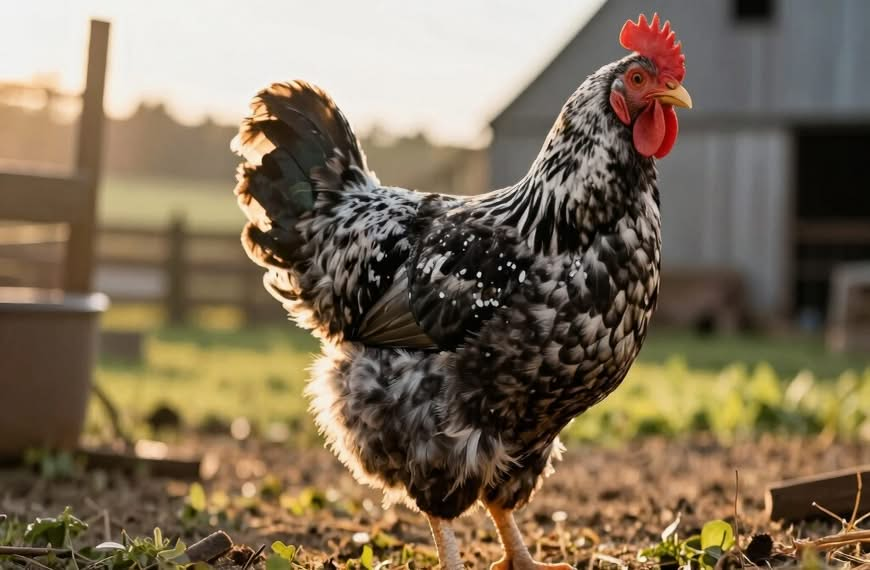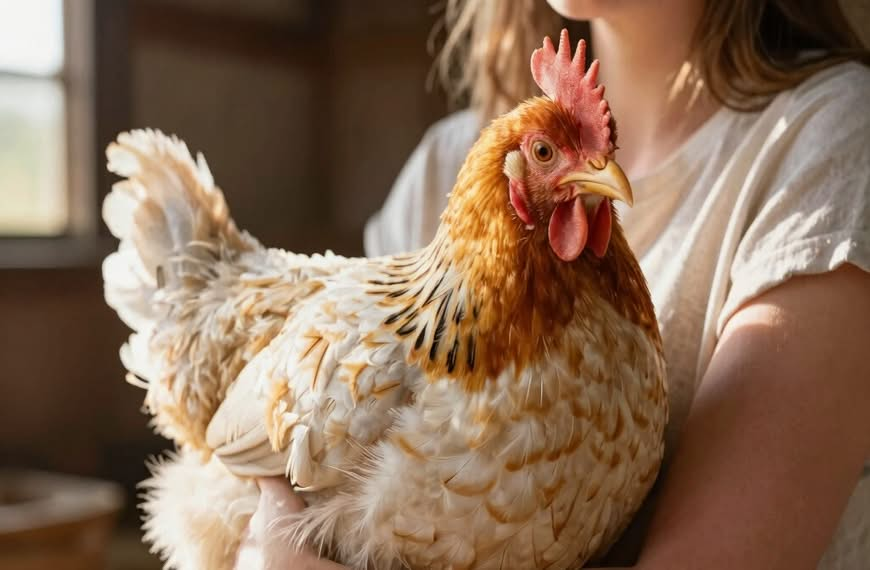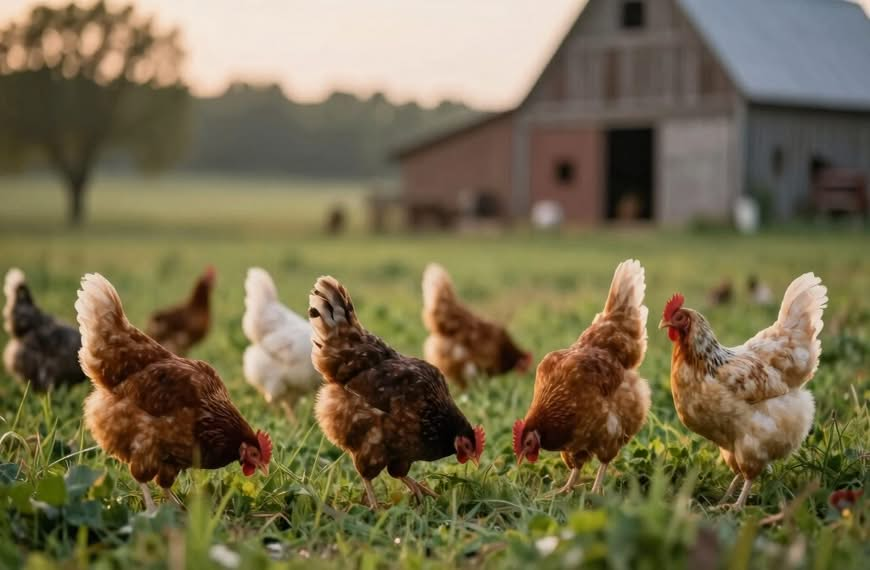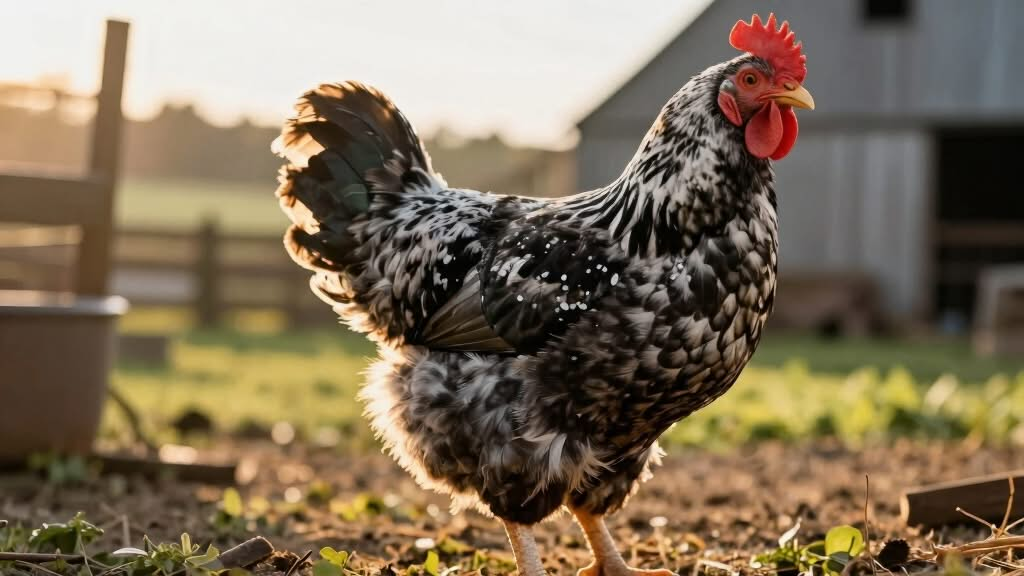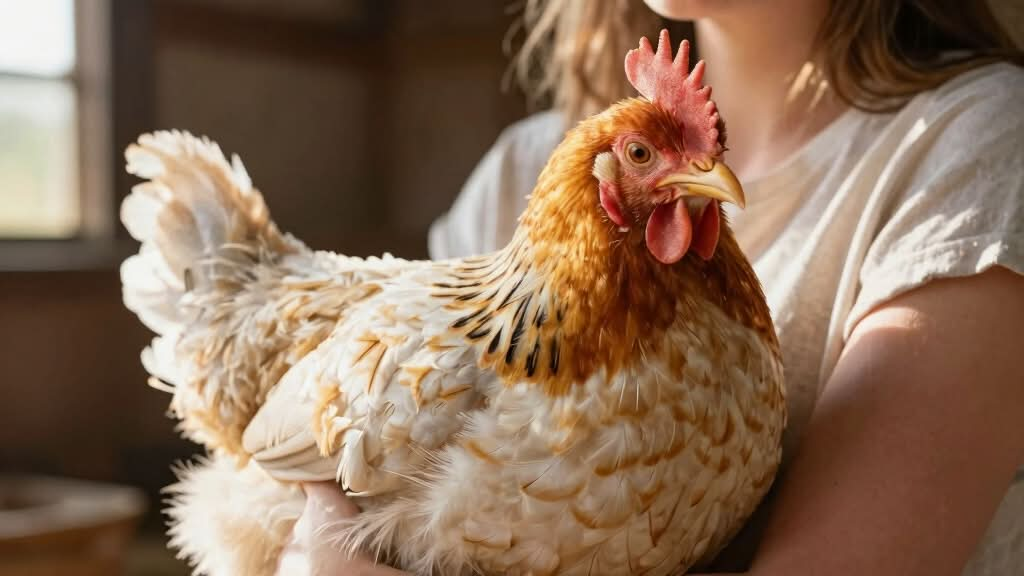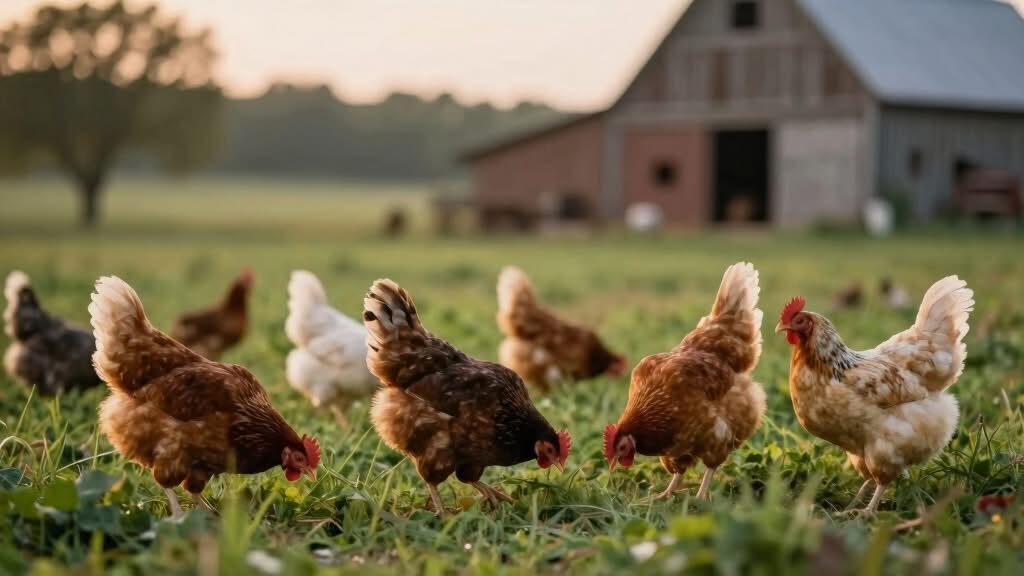
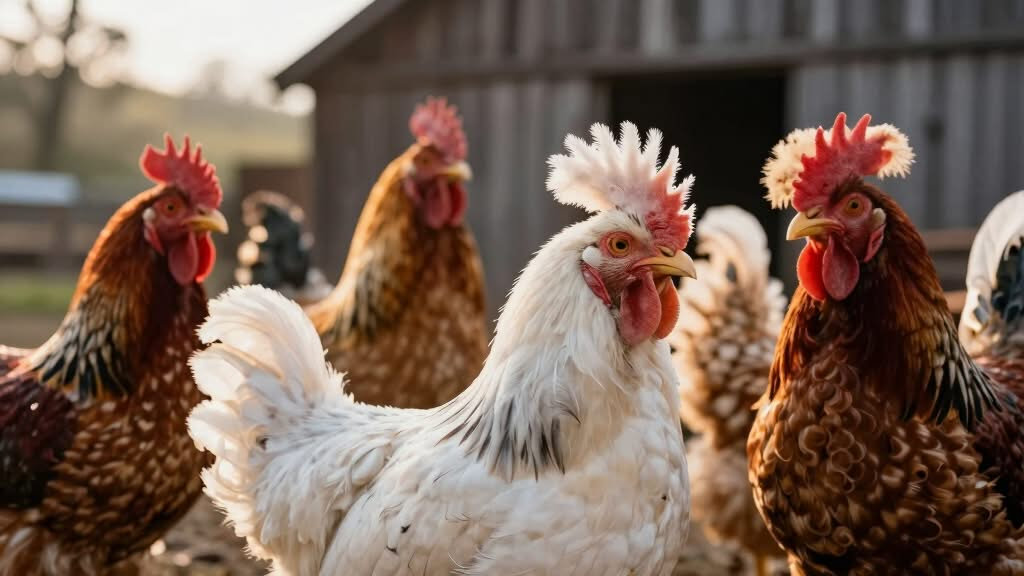
Ornamental chickens are transforming backyard coops from simple egg factories into living art galleries. The best ornamental chicken breeds worth keeping combine stunning visual appeal with practical benefits like egg production, friendly temperaments, and manageable care requirements. Whether you’re drawn to the cotton-ball fluffiness of Silkies, the wild crests of Polish chickens, or the curled feathers of Frizzles, these decorative birds offer both beauty and function for home chicken keepers.
Key Takeaways
- Ornamental chickens are breeds selected primarily for their unique appearance, including unusual feather patterns, crests, colors, and body shapes
- Most ornamental breeds still lay eggs (typically 100-180 per year), making them both decorative and productive
- Beginner-friendly ornamental breeds include Silkies, Cochins, and Wyandottes, which are docile and relatively low-maintenance
- Ornamental chickens can live with regular laying breeds but may need protection from more aggressive birds
- Initial costs range from $5-$50 per chick depending on breed rarity, with show-quality birds costing significantly more
- Special care considerations include protecting elaborate plumage from mud, providing extra grooming for feathered feet, and ensuring crested breeds can see properly
- Cold-hardy ornamental breeds include Cochins, Wyandottes, and Brahmas, while Silkies and Frizzles need extra winter protection
- Common mistakes include mixing incompatible temperaments, neglecting feather maintenance, and housing ornamental breeds in damp conditions
What Makes a Chicken Breed Ornamental
A chicken breed is considered ornamental when it has been selectively bred primarily for distinctive visual characteristics rather than maximum egg or meat production. These breeds feature unusual traits like elaborate feather crests, fluffy plumage that covers their entire body including feet, curled or frizzled feathers, striking color patterns, or unique body shapes.
The distinction between ornamental and utility breeds isn’t always clear-cut. Many ornamental chickens still lay a respectable number of eggs and can serve dual purposes in a backyard flock. What sets them apart is their show-stopping appearance and the breeding emphasis on maintaining these decorative traits.
Common ornamental features include:
- Crests and top-knots – Large puffs of feathers on the head (Polish, Houdan)
- Feathered feet – Fluffy plumage extending down the legs and toes (Cochins, Brahmas, Silkies)
- Unusual feather structure – Frizzled, curled, or silky textures (Frizzles, Silkies)
- Beards and muffs – Feathering around the face and under the beak (Faverolles, Ameraucanas)
- Distinctive colors and patterns – Laced, spangled, or rare color varieties (Sebright, Wyandotte)
- Compact or bantam size – Miniature versions that are easier to handle and display
Choose ornamental breeds if you value visual interest in your flock, enjoy showing chickens at exhibitions, want conversation-starter birds, or simply appreciate having beautiful animals in your backyard. They’re ideal for smaller urban or suburban properties where aesthetics matter as much as production.
Best Ornamental Chicken Breeds for Beginners
Silkies are the top choice for newcomers to ornamental chickens because of their exceptionally calm temperament, manageable size, and forgiving nature. These fluffy birds tolerate handling well, rarely fly, and make excellent pets for families. They lay 100-120 small cream or tinted eggs per year and are famous for going broody, making them natural incubators for hatching eggs from other breeds.
Cochins rank second for beginners due to their gentle disposition and cold-hardy nature. These large, fluffy birds have feathered feet and come in both standard and bantam sizes. Cochins lay 150-180 brown eggs annually and adapt well to confinement, making them perfect for smaller yards. Their calm demeanor means they integrate easily with mixed flocks.
Wyandottes offer the best balance of ornamental beauty and practical egg production for new keepers. Their stunning laced feather patterns come in multiple color varieties (Silver, Gold, Blue, Columbian), and they lay 200+ large brown eggs per year. Wyandottes are cold-hardy, relatively independent, and less prone to the grooming issues that affect heavily feathered breeds.
Beginner-friendly characteristics to look for:
- Docile, friendly temperament that tolerates handling
- Good foraging ability without excessive flightiness
- Moderate feathering that doesn’t require daily maintenance
- Cold-hardy if you live in northern climates
- Reasonable egg production (100+ eggs per year)
- Availability from local hatcheries or breeders
Avoid starting with high-maintenance breeds like Frizzles (which need protection from weather extremes) or Polish chickens (whose crests can obstruct vision and require regular cleaning). Save these more challenging breeds for after you’ve gained experience with basic chicken care.
Do Ornamental Chickens Lay Eggs or Are They Just for Looks
Most ornamental chickens do lay eggs, though typically fewer than commercial laying breeds like Leghorns or Rhode Island Reds. Ornamental breeds generally produce 100-200 eggs per year compared to 250-300+ from dedicated layers, but they compensate with visual appeal and often better temperaments for backyard settings.
Egg production by popular ornamental breeds:
| Breed | Eggs per Year | Egg Size | Egg Color |
|---|---|---|---|
| Silkie | 100-120 | Small | Cream/Tinted |
| Polish | 120-150 | Medium | White |
| Cochin | 150-180 | Medium | Brown |
| Wyandotte | 200-240 | Large | Brown |
| Brahma | 150-200 | Large | Brown |
| Frizzle | 120-150 | Medium | Varies |
| Sebright | 60-80 | Small | White |
The trade-off is intentional. Ornamental breeds have been selected for appearance traits that sometimes reduce laying capacity. Breeds with elaborate crests, heavily feathered bodies, or bantam size naturally produce fewer or smaller eggs. However, for backyard keepers who want 3-5 eggs per week from a small flock while enjoying beautiful birds, ornamental breeds deliver both.
Choose ornamental breeds if:
- You want a modest egg supply (not selling eggs commercially)
- Visual appeal and pet qualities matter as much as production
- You’re keeping a small flock (4-8 birds) for personal use
- You value breed diversity and unique characteristics
Stick with dedicated laying breeds if your primary goal is maximum egg production or you’re trying to supply eggs to neighbors or farmers markets. For most backyard enthusiasts, the 100-200 eggs per year from ornamental breeds provides plenty for a family while adding beauty to the property.
Silkie vs Polish Chicken: Which Is Better for Your Backyard
Silkies are better for beginners and families with children because of their exceptionally calm, friendly nature and tolerance for handling. Polish chickens are better for experienced keepers who want dramatic visual impact and don’t mind the extra care required for their large head crests.
Silkie advantages:
- Extremely docile and easy to handle, even for children
- Fluffy appearance appeals to people who want “cute” chickens
- Excellent mothers that go broody and raise chicks naturally
- Adapt well to confinement in smaller yards
- Black skin and bones make them interesting for culinary purposes
- Less prone to vision problems despite fluffy head feathers
Polish chicken advantages:
- Spectacular crests create an unforgettable visual statement
- More active and entertaining to watch than sedentary Silkies
- Better egg production (120-150 vs 100-120 per year)
- Come in more color varieties (White Crested Black, Golden, Silver)
- Less likely to go broody if you want consistent egg laying
- Standard size provides larger eggs than bantam Silkies
The main challenge with Polish chickens is their large crest can obstruct vision, making them vulnerable to predators and causing them to be more skittish. The crest also collects dirt, mud, and debris, requiring regular cleaning. Some keepers trim the crest feathers around the eyes to improve visibility, though this reduces their show quality.
Common mistake: Mixing Polish chickens with aggressive breeds. Their limited vision makes them targets for pecking and bullying. Keep them with other gentle breeds or in a Polish-only flock.
Choose Silkies if you want pet-quality chickens that children can handle safely, need reliable broody hens for hatching, or prefer low-maintenance birds. Choose Polish if you want maximum visual drama, can provide protected housing, and have time for regular grooming and crest maintenance.
How Much Do Ornamental Chickens Cost to Buy
Ornamental chicken chicks typically cost $5-$15 for common breeds from hatcheries, $15-$35 for rarer varieties or quality breeding stock, and $50-$200+ for show-quality birds from specialized breeders. Adult ornamental chickens cost $20-$50 for standard birds and $75-$300+ for proven breeding stock or exhibition winners.
Price factors that affect cost:
- Breed rarity – Common breeds like Cochins cost less than rare varieties like Sebrights
- Quality level – Hatchery-quality vs breeding-quality vs show-quality birds
- Age – Day-old chicks are cheapest, started pullets (8-16 weeks) cost more, laying hens cost most
- Color variety – Rare color patterns command premium prices
- Source – Hatcheries are cheapest, local breeders mid-range, champion bloodlines most expensive
- Minimum order – Many hatcheries require 4-6 chick minimums or charge shipping fees
Typical price ranges in 2026:
- Hatchery chicks: $5-$15 each (Silkies, Cochins, Wyandottes)
- Rare breed chicks: $15-$35 each (Polish, Frizzles, Sebrights)
- Started pullets: $25-$60 each (8-16 weeks old, sexed females)
- Laying hens: $30-$75 each (adult birds already producing eggs)
- Show-quality birds: $100-$500+ each (proven exhibition winners)
Beyond the purchase price, budget for:
- Coop and run construction or purchase ($300-$2,000+)
- Feeders, waterers, and basic equipment ($50-$150)
- Feed costs ($15-$25 per month for 4-6 birds)
- Bedding materials ($10-$20 per month)
- Veterinary care fund ($100-$300 annual reserve)
Money-saving tip: Buy day-old chicks in spring when hatcheries offer the widest selection and lowest prices. Avoid buying in winter when cold-weather shipping adds $30-$50 in heat pack and express shipping fees. Join local poultry clubs to find breeders selling quality birds at lower prices than commercial hatcheries.
The initial investment in ornamental chickens is higher than utility breeds, but the ongoing costs are identical. Most backyard keepers find the extra $5-$20 per bird worthwhile for the visual appeal and unique characteristics ornamental breeds provide.
Are Ornamental Chickens Hard to Take Care Of
Ornamental chickens require slightly more care than standard laying breeds, primarily due to their elaborate plumage, feathered feet, and sometimes limited vision from crests. However, most ornamental breeds are not significantly harder to keep if you provide appropriate housing, regular grooming, and protection from extreme weather.
Extra care requirements for ornamental breeds:
- Feather maintenance – Breeds with feathered feet (Cochins, Brahmas, Silkies) need dry, clean bedding to prevent matted, muddy feathers that can lead to frostbite or infection
- Crest grooming – Polish and Houdan chickens need periodic crest trimming or cleaning to maintain vision and prevent eye infections
- Weather protection – Frizzles and Silkies lack weather-resistant feathers and need shelter from rain, snow, and extreme cold
- Predator vulnerability – Crested breeds with limited vision are easier targets and need more secure housing
- Parasite monitoring – Dense plumage can hide mites and lice, requiring more frequent inspections
Daily care is similar to regular chickens:
- Provide fresh water and quality feed
- Collect eggs (if laying)
- Check for signs of illness or injury
- Ensure coop is secure at night
Weekly or monthly tasks specific to ornamentals:
- Inspect and clean feathered feet if muddy
- Trim crest feathers if obstructing vision
- Check dense plumage for parasites
- Replace bedding more frequently to keep feathers clean
Choose low-maintenance ornamental breeds if you’re concerned about extra work: Wyandottes, Brahmas, and Cochins require minimal special care beyond what standard chickens need. Avoid high-maintenance breeds like Frizzles, Polish, or Silkies if you want a hands-off flock.
The key difference is that ornamental breeds are less forgiving of poor conditions. Standard laying breeds tolerate muddy runs and basic shelter, while ornamental chickens need cleaner, drier environments to keep their decorative features in good condition. If you maintain a clean, well-managed coop anyway, ornamental breeds won’t add significant extra work.
Can Ornamental Chickens Live with Regular Chickens
Ornamental chickens can live successfully with regular laying breeds if you match temperaments carefully and provide adequate space to prevent bullying. Gentle ornamental breeds like Silkies, Cochins, and Wyandottes integrate well with calm layers like Orpingtons, Australorps, and Sussex, while more vulnerable ornamentals like Polish chickens may struggle with aggressive breeds.
Successful integration depends on:
- Temperament matching – Pair docile ornamentals with gentle layers, not aggressive breeds like Rhode Island Reds or Leghorns
- Size compatibility – Bantam ornamentals can be bullied by large standard breeds; keep sizes similar
- Vision considerations – Crested breeds with limited vision need extra protection from pecking
- Adequate space – Crowding increases aggression; provide 4+ square feet per bird in the coop, 10+ in the run
- Multiple feeding stations – Prevent dominant birds from blocking ornamentals from food and water
Best regular breeds to mix with ornamentals:
- Orpingtons (calm, friendly, similar size to Cochins)
- Australorps (gentle, good layers, integrate easily)
- Sussex (docile, curious, not aggressive)
- Brahmas (large but gentle, good with other calm breeds)
- Easter Eggers (friendly, varied temperaments but generally peaceful)
Breeds to avoid mixing with vulnerable ornamentals:
- Rhode Island Reds (assertive, can be aggressive)
- Leghorns (flighty, nervous, may peck at slower birds)
- Game breeds (naturally aggressive)
- Any breed with a history of bullying in your flock
Integration tips:
- Introduce new birds gradually using a “see but don’t touch” method with wire separation for 1-2 weeks
- Add multiple birds at once rather than a single chicken (reduces targeted bullying)
- Provide hiding spots, multiple roosts, and visual barriers in the run
- Monitor for the first few days and separate any birds that are being injured
- Introduce at dusk when chickens are calmer and will wake up together
Common mistake: Assuming all ornamental breeds are vulnerable. Wyandottes, Brahmas, and standard-size Cochins hold their own in mixed flocks just fine. The main concerns are bantam breeds, heavily crested birds with limited vision, and extremely docile breeds like Silkies that won’t defend themselves.
Most backyard keepers successfully maintain mixed flocks of ornamental and utility breeds by choosing compatible temperaments and providing good management. The visual variety of mixing breeds is one of the joys of backyard chicken keeping.
Common Mistakes When Raising Ornamental Chickens
The most common mistake when raising ornamental chickens is housing them in damp, muddy conditions that ruin their elaborate plumage and lead to health problems. Ornamental breeds with feathered feet, fluffy body feathers, or large crests need dry, clean environments to maintain their appearance and avoid frostbite, infections, and matted feathers.
Top mistakes and how to avoid them:
1. Muddy runs and wet bedding
- Problem: Feathered feet become caked with mud, crests get dirty, fluffy feathers mat
- Solution: Use deep bedding, provide covered run areas, add gravel or sand to high-traffic zones, use droppings boards under roosts
2. Mixing incompatible temperaments
- Problem: Aggressive breeds bully gentle ornamentals, especially crested birds with limited vision
- Solution: Keep ornamentals with other calm breeds, provide adequate space (4+ sq ft per bird indoors), separate bullies immediately
3. Neglecting crest maintenance
- Problem: Polish and Houdan crests grow over eyes, collect debris, harbor parasites
- Solution: Trim crest feathers around eyes every 4-6 weeks, check for mites weekly, use a hair tie to secure crest if needed
4. Inadequate predator protection
- Problem: Ornamental breeds are less alert and can’t see predators approaching
- Solution: Use hardware cloth (not chicken wire), bury fencing 12+ inches, lock coop at night, provide covered run areas
5. Exposing weather-sensitive breeds to extremes
- Problem: Silkies and Frizzles get soaked in rain, suffer frostbite in cold
- Solution: Provide weatherproof shelter, use heat lamps only when temperatures drop below 20°F, keep birds dry
6. Overfeeding treats and scratch
- Problem: Ornamental breeds are less active and prone to obesity, which reduces egg laying and causes health issues
- Solution: Limit treats to 10% of diet, provide quality layer feed, encourage foraging with scattered feed
7. Buying show-quality birds without understanding care requirements
- Problem: Exhibition-quality birds need intensive grooming, special diets, and careful handling
- Solution: Start with hatchery-quality ornamentals, learn basic care, upgrade to show birds after gaining experience
8. Ignoring parasite prevention
- Problem: Dense plumage hides mites and lice until infestations are severe
- Solution: Inspect birds weekly by parting feathers near vent and under wings, provide dust baths, treat entire flock if parasites found
Edge case: Some ornamental breeds like Silkies have black skin and dark meat, which can be off-putting if you’re planning to process older birds for meat. Know your breed’s characteristics before purchasing if you plan to cull non-laying hens.
The learning curve for ornamental chickens is steeper than standard breeds, but most mistakes are easily corrected once you understand the specific needs of decorative plumage and unique physical traits.
Do Ornamental Chickens Need Special Housing or Coops
Ornamental chickens don’t need fundamentally different coop designs, but they do require modifications to protect elaborate plumage and accommodate physical limitations. The key differences are providing extra dry bedding, lower roosts for heavy or fluffy breeds, protected outdoor areas to keep feathers clean, and secure housing for breeds with limited vision.
Essential housing modifications for ornamentals:
Roost height and design:
- Lower roosts (12-18 inches) for heavy breeds like Cochins and Brahmas
- Wider roosts (2-3 inches) to accommodate feathered feet
- Ramps or steps for breeds that can’t fly well due to fluffy plumage
Bedding and flooring:
- Deep litter method (4-6 inches) to keep feathered feet clean
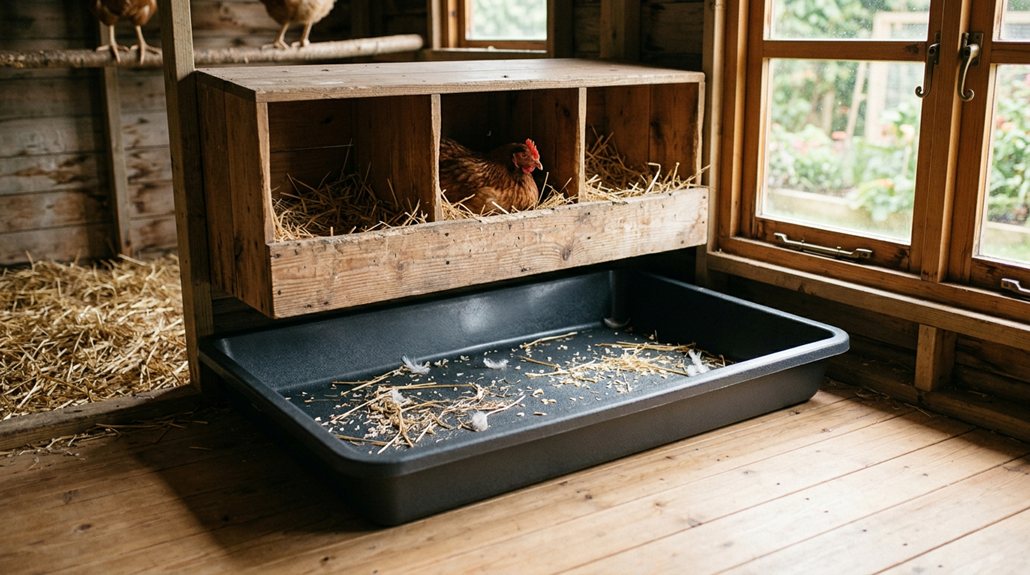
- Droppings boards under roosts to reduce bedding contamination
- Sand or gravel in high-traffic areas of the run
- Covered run sections to provide dry areas during rain
Ventilation without drafts:
- Good airflow to prevent respiratory issues in fluffy breeds
- Vents placed above roost level to avoid direct drafts on birds
- Extra ventilation in humid climates to keep plumage dry
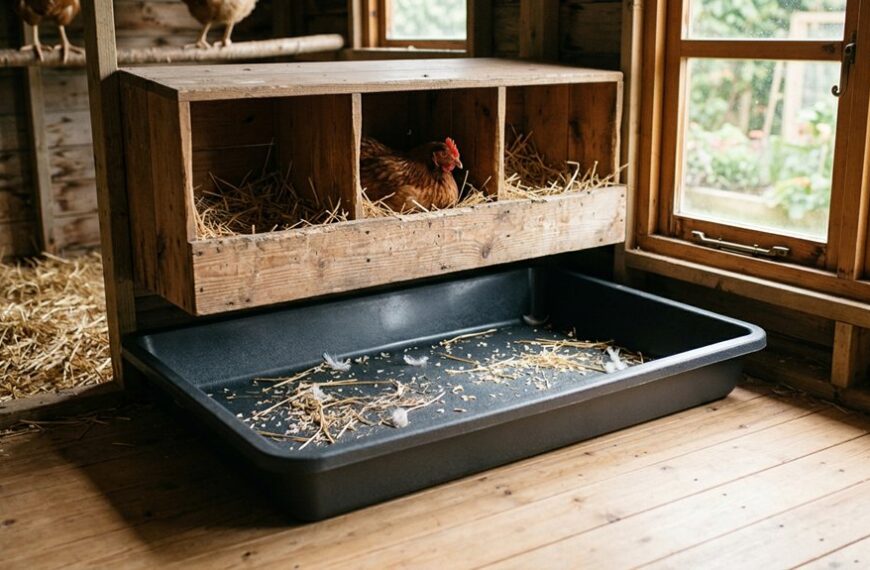
Nesting boxes:
- Lower entry height for heavy or short-legged breeds
- Extra bedding to protect eggs from fluffy hens that may accidentally break them
- Slightly larger boxes (14×14 inches) for big breeds like Cochins
Security features:
- Hardware cloth on all openings (not chicken wire)
- Automatic coop doors for breeds that don’t return to coop reliably at dusk
- Predator-proof latches (raccoons can open simple hooks)
- Buried fencing or hardware cloth apron around run perimeter
Standard coop requirements remain the same:
- 4 square feet per bird inside the coop (minimum)
- 10 square feet per bird in the run (minimum)
- One nesting box per 3-4 hens
- One linear foot of roost space per bird
- Easy access for cleaning and egg collection
Choose a covered run if: You’re keeping Silkies, Frizzles, or Polish chickens that need protection from weather and predators. The covered area doesn’t need to be the entire run, but provide at least 50% coverage so birds can stay dry and clean.
Budget-friendly modifications: Add a tarp or corrugated plastic roofing over part of an existing run ($50-$150), use a thick layer of wood chips or sand in muddy areas ($30-$60), and install a simple droppings board under roosts using plywood and a scraper ($20-$40).
Most backyard keepers find that minor modifications to a standard coop design work perfectly for ornamental breeds. The investment in keeping plumage clean and dry pays off in healthier, more beautiful birds.
Which Ornamental Breeds Are Cold Hardy
Cochins, Brahmas, and Wyandottes are the most cold-hardy ornamental chicken breeds, tolerating temperatures well below freezing without supplemental heat. These breeds have dense plumage, small combs resistant to frostbite, and calm temperaments that keep them from wasting energy in cold weather.
Cold-hardy ornamental breeds ranked:
Excellent cold tolerance (no heat needed above 0°F):
- Brahmas – Massive size, dense feathering, tiny pea comb
- Cochins – Fluffy plumage, feathered feet, small comb
- Wyandottes – Tight feathering, rose comb, active foragers
Good cold tolerance (no heat needed above 10-15°F):
- Orpingtons – Large body, fluffy feathers, moderate comb
- Faverolles – Dense plumage, bearded face, feathered feet
- Ameraucanas – Tight feathers, small pea comb, active birds
Poor cold tolerance (need protection below 25-30°F):
- Silkies – Fluffy feathers lack weather resistance, can’t repel water
- Frizzles – Curled feathers don’t provide insulation
- Polish – Large single comb prone to frostbite, crest can freeze when wet
- Sebrights – Small bantam size, limited body mass for heat retention
Cold-weather care for ornamental breeds:
- Provide draft-free (not airtight) coops with good ventilation above roost level
- Use deep bedding for insulation and to keep feathered feet dry
- Apply petroleum jelly to large combs on extremely cold nights (below 0°F)
- Ensure water doesn’t freeze (use heated waterers or change water frequently)
- Feed extra corn or scratch in evening to generate body heat overnight
- Never use heat lamps unless temperatures drop below -10°F (fire risk outweighs benefits)
The key factor in cold hardiness is feather structure, not just feather quantity. Cochins and Brahmas have dense, overlapping feathers that trap air and repel moisture. Silkies have fluffy feathers that absorb water and lose insulating properties when wet. Frizzles have curled feathers that create gaps allowing cold air to reach skin.
Choose cold-hardy ornamentals if: You live in northern climates with harsh winters, want to avoid the expense and fire risk of heat lamps, or prefer low-maintenance birds that don’t need special winter care.
Common mistake: Assuming all fluffy breeds are cold-hardy. Fluffiness doesn’t equal warmth if the feather structure can’t repel moisture. Silkies are fluffy but cold-sensitive, while Wyandottes have tight feathers but excellent cold tolerance.
Most ornamental breeds handle cold better than heat. If you live in a climate with cold winters and hot summers, choose breeds like Wyandottes or Brahmas that tolerate both extremes reasonably well.
Are Frizzle Chickens High Maintenance
Frizzle chickens are moderately high-maintenance compared to standard breeds because their curled feathers provide poor weather protection and require careful management during rain, extreme cold, and hot sun. They need covered housing, regular feather inspections, and protection from conditions that standard chickens handle easily.
Frizzle-specific care requirements:
Weather protection:
- Covered run or shelter to keep feathers dry (curled feathers absorb water)
- Extra bedding and dry areas to prevent matted, muddy feathers
- Shade in summer (curled feathers don’t provide good sun protection)
- Windbreaks or indoor housing during cold, wet weather
Feather maintenance:
- Weekly inspections for broken or damaged feathers
- Gentle handling to avoid breaking fragile curled feathers
- Parasite checks (curled feathers make it harder to spot mites)
- Avoid overcrowding that leads to feather picking
Temperature management:
- Frizzles are sensitive to both extreme cold and heat
- Provide heated coop access when temperatures drop below 25°F
- Ensure good ventilation and shade when temperatures exceed 85°F
- Monitor for signs of heat stress or cold stress more carefully than with standard breeds
Breeding considerations:
- Never breed two frizzle chickens together (produces “frazzles” with extreme feathering that can’t regulate temperature)
- Breed frizzle to smooth-feathered bird to produce 50% frizzle, 50% smooth offspring
- Frazzles (double frizzle gene) are not viable for backyard keeping
Advantages that offset the extra work:
- Unique, eye-catching appearance
- Friendly, docile temperament
- Reasonable egg production (120-150 per year)
- Come in many color varieties
- Entertaining to watch and handle
Frizzles are not recommended for: Beginners, free-range setups, climates with frequent rain or temperature extremes, or keepers who want hands-off chickens.
Frizzles work well for: Experienced keepers with covered runs, people who enjoy hands-on chicken care, show enthusiasts, and those keeping small flocks in controlled environments.
The maintenance level is similar to keeping Silkies – manageable if you’re prepared for the extra attention, but frustrating if you expect them to be as hardy as Wyandottes or Orpingtons.
Ornamental Chickens That Are Friendly with Kids
Silkies are the best ornamental chicken breed for families with children because of their exceptionally calm, docile nature and tolerance for frequent handling. These fluffy birds rarely peck, don’t mind being picked up, and their soft, fur-like feathers make them appealing for children to pet and hold.
Top kid-friendly ornamental breeds:
1. Silkies
- Extremely gentle and tolerant of handling
- Small size (bantam) makes them easy for children to hold
- Rarely fly or try to escape
- Soft, fluffy feathers feel like petting a rabbit
- Go broody frequently, allowing kids to observe chick-rearing
2. Cochins
- Calm, friendly temperament
- Large size but gentle disposition
- Tolerate confinement well (safe in smaller yards)
- Fluffy appearance appeals to children
- Available in bantam size for younger kids
3. Orpingtons
- Docile and friendly
- Large, sturdy birds that tolerate gentle handling
- Less likely to be injured by clumsy child handling than bantams
- Beautiful colors (Buff, Lavender, Blue)
- Good layers provide educational egg-collecting opportunities
4. Faverolles
- Gentle, curious personality
- Bearded face and feathered feet create unique appearance
- Tolerate handling well
- Medium size appropriate for children 6+
- Friendly enough to hand-feed treats
Breeds to avoid with young children:
- Polish (skittish due to limited vision, don’t like being grabbed)
- Frizzles (fragile feathers break easily with rough handling)
- Sebrights (flighty, nervous, too small for young children)
- Any bantam breed with young children under 5 (risk of injury to bird)
Safety tips for kids and ornamental chickens:
- Supervise children under 8 with chickens at all times
- Teach proper holding technique (support body and feet)
- Establish hand-washing rules after handling chickens
- Set boundaries (no chasing, no pulling feathers, gentle petting only)
- Start with older, calmer hens rather than flighty young pullets
- Involve kids in daily care (feeding, egg collecting) to build responsibility
Age-appropriate breeds:
- Ages 3-5: Silkie bantams with adult supervision
- Ages 6-10: Silkies, Cochins, Orpingtons
- Ages 11+: Any ornamental breed with proper instruction
The combination of gentle temperament and appealing appearance makes ornamental breeds ideal for teaching children about animal care, responsibility, and where food comes from. Many adults trace their love of chickens back to childhood experiences with friendly backyard hens.
Why Is My Ornamental Chicken Losing Feathers
Ornamental chickens lose feathers primarily due to annual molting (normal), parasite infestations, bullying and feather picking, or stress from poor nutrition or environmental conditions. Determining the cause requires examining the pattern of feather loss, checking for parasites, and evaluating flock dynamics and housing conditions.
Common causes and solutions:
1. Annual molt (normal)
- Pattern: Gradual feather loss starting at head/neck, progressing down body, occurs in fall
- Duration: 8-12 weeks for complete molt
- Solution: Increase protein (20-22% layer feed or add mealworms, sunflower seeds), ensure adequate nutrition
- No treatment needed – feathers regrow naturally
2. Mites and lice (parasites)
- Pattern: Feather loss around vent, under wings, broken feather shafts
- Signs: Tiny moving specks on skin, eggs on feather shafts, birds scratching excessively
- Solution: Treat entire flock with poultry dust or spray, clean coop thoroughly, repeat treatment in 7-10 days
3. Feather picking and bullying
- Pattern: Missing feathers on back, tail, head (where other birds can reach)
- Signs: Observe birds pecking at each other, blood on feathers, stressed birds
- Solution: Identify and separate bullies, increase space, add enrichment (hanging vegetables, perches), check protein levels
4. Broody hen feather loss
- Pattern: Bare patch on breast/belly where hen plucks feathers to line nest
- Signs: Hen sitting on nest constantly, puffed up and aggressive when approached
- Solution: Normal behavior if hen is broody; provide nesting materials, ensure adequate nutrition
5. Rooster over-mating
- Pattern: Missing feathers on hen’s back, shoulders, head
- Signs: Bare skin, sometimes wounds or scabs
- Solution: Use hen saddles/aprons to protect back, reduce rooster-to-hen ratio (1 rooster per 8-10 hens minimum)
6. Nutritional deficiencies
- Pattern: Slow feather regrowth, brittle feathers, overall poor plumage quality
- Signs: Dull feathers, slow molt recovery, reduced egg production
- Solution: Provide quality layer feed (16-18% protein), supplement with protein during molt, ensure access to grit and calcium
7. Stress (environmental or social)
- Pattern: Gradual thinning, poor feather quality, may affect entire flock
- Signs: Overcrowding, inadequate food/water access, predator pressure, frequent disturbances
- Solution: Increase space, add feeders/waterers, improve coop security, minimize disruptions
When to worry: Feather loss accompanied by lethargy, loss of appetite, respiratory symptoms, or wounds requires veterinary attention. Sudden, severe feather loss in multiple birds may indicate disease or severe parasite infestation.
Ornamental breed considerations: Breeds with elaborate plumage (Silkies, Polish, Frizzles) show feather damage more obviously than standard breeds. Their decorative feathers are also more fragile and prone to breakage from rough handling, tight spaces, or aggressive flock mates.
Most feather loss in backyard flocks is due to normal molting or minor management issues easily corrected by improving nutrition, space, or flock dynamics. Patience is key – feather regrowth takes 8-12 weeks even after the underlying cause is resolved.
Where to Buy Ornamental Chicken Breeds Near Me
The best places to buy ornamental chicken breeds are local poultry breeders (found through poultry clubs and Facebook groups), regional hatcheries that ship chicks, farm supply stores during spring chick season, and poultry shows or swap meets where breeders sell birds directly.
Finding local sources:
1. Poultry clubs and associations
- Search for “[your state] poultry association” or “[your county] chicken club”
- Members often sell or trade ornamental breeds
- Annual shows and meets provide direct access to breeders
- Members can recommend reputable local sources
2. Facebook groups and online communities
- Join local chicken keeping groups (search “[your city/region] backyard chickens”)
- Post requests for specific breeds
- Members often sell chicks, started pullets, or hatching eggs
- BackYard Chickens forum has regional sections with classified ads
3. Farm supply stores
- Tractor Supply Co., Rural King, and local feed stores stock chicks in spring (March-May)
- Selection limited to common breeds (Silkies, Cochins sometimes available)
- Can special-order specific breeds from their hatchery suppliers
- Advantage: see birds before buying, no shipping stress
4. Regional hatcheries (ship nationwide)
- Meyer Hatchery (Ohio) – wide ornamental selection
- Murray McMurray Hatchery (Iowa) – established since 1917
- Cackle Hatchery (Missouri) – good rare breed selection
- My Pet Chicken (Connecticut) – small order specialist (3 chick minimum)
- Minimum orders typically 4-6 chicks; shipping adds $30-$50
5. Craigslist and local classifieds
- Search “chickens,” “pullets,” or specific breed names
- Meet sellers in person, inspect birds before buying
- Prices often lower than hatcheries
- Risk: unknown health status, may not be purebred
6. Poultry shows and swap meets
- Search “[your state] poultry show schedule”
- Breeders bring birds to sell
- See adult birds to evaluate quality
- Network with breeders for future purchases
Buying tips:
- Spring (March-May) offers widest selection and best prices
- Fall is good for buying adult birds from breeders culling flocks
- Ask about vaccination status (Marek’s disease especially)
- Request health guarantee or return policy
- For shipped chicks, be home on delivery day to receive immediately
- Quarantine new birds for 30 days before introducing to existing flock
Red flags when buying:
- Seller won’t let you see parent stock or facilities
- Birds appear lethargic, have discharge from eyes/nose, or dirty vents
- Prices significantly below market (may indicate health or quality issues)
- No knowledge of breed standards or genetics
Cost comparison:
- Local breeders: $15-$35 per chick (higher quality, no shipping)
- Hatcheries: $5-$15 per chick + $30-$50 shipping
- Farm stores: $3-$8 per chick (limited selection)
- Adult birds: $25-$75 depending on age and quality
Most experienced chicken keepers develop relationships with 2-3 local breeders who provide quality birds without shipping stress. Start by attending a local poultry show or joining a regional chicken keeping group to connect with the ornamental breeding community in your area.
Frequently Asked Questions
How many ornamental chickens should I start with?
Start with 3-4 ornamental chickens as a minimum flock size. Chickens are social animals and become stressed when kept alone. A small flock of 4-6 birds provides enough eggs for a family (2-4 eggs per day) while keeping costs and space requirements manageable for beginners.
Can ornamental chickens free-range safely?
Most ornamental chickens can free-range, but breeds with limited vision (Polish), poor weather resistance (Silkies, Frizzles), or heavy feathering (Cochins) are more vulnerable to predators and weather damage. Provide covered areas and secure fencing, or consider supervised free-ranging rather than all-day access.
Do ornamental chickens need a rooster?
Ornamental chickens do not need a rooster to lay eggs or be healthy. Hens lay unfertilized eggs without a rooster present. Only add a rooster if you want to breed chickens, hatch chicks, or prefer the traditional flock dynamic. Roosters crow loudly and may not be allowed in urban areas.
What is the lifespan of ornamental chickens?
Ornamental chickens typically live 5-8 years with good care, though some individuals reach 10-12 years. Egg production declines after 2-3 years, but birds remain healthy and active. Bantam breeds often live longer than large standard breeds due to less stress on their bodies.
Are ornamental chickens noisy?
Ornamental hens make the same moderate noise as regular chickens – quiet clucking most of the time with louder “egg songs” after laying (about 5 minutes of louder cackling). Roosters crow loudly starting at dawn. Overall, hens are quieter than most dogs and acceptable in most suburban neighborhoods.
Can I keep just one ornamental chicken as a pet?
Keeping a single chicken is not recommended because chickens are flock animals that become stressed and lonely when isolated. A lone chicken may develop behavioral problems, stop laying eggs, or become overly attached to human caretakers. Always keep at least 2-3 birds minimum.
What do ornamental chickens eat?
Ornamental chickens eat the same diet as regular chickens: quality layer feed (16-18% protein), fresh water, occasional treats (vegetables, mealworms, scratch grains limited to 10% of diet), and access to grit for digestion. Increase protein to 20-22% during molting to support feather regrowth.
How do I introduce new ornamental chickens to my flock?
Quarantine new birds for 30 days in separate housing to prevent disease transmission. Then use a “see but don’t touch” introduction with wire separation for 1-2 weeks so birds can see and hear each other. Finally, introduce at dusk when birds are calmer, and monitor closely for 3-5 days for bullying.
Do ornamental chickens go broody often?
Broodiness varies by breed. Silkies and Cochins go broody frequently (excellent for hatching eggs), while Polish and Wyandottes rarely go broody. Broodiness stops egg production for 3-4 weeks and can be broken by removing the hen from the nest and placing her in a wire-bottom cage for 3-5 days.
Can ornamental chickens live in apartments or small yards?
Bantam ornamental breeds like Silkies, Sebrights, and bantam Cochins can live in small yards (as little as 100-200 square feet for 3-4 birds) with a secure coop and covered run. Check local zoning laws first – many cities allow hens but not roosters, and some require minimum lot sizes or neighbor approval.
What vaccines do ornamental chickens need?
Most backyard ornamental chickens receive only Marek’s disease vaccine (given at hatch by hatcheries). Other vaccines (Newcastle, infectious bronchitis, fowl pox) are optional and typically used only in areas with disease outbreaks or for show birds. Consult a poultry veterinarian for recommendations based on your location.
How cold is too cold for ornamental chickens?
Cold-hardy breeds (Cochins, Brahmas, Wyandottes) tolerate temperatures below 0°F without supplemental heat if provided with draft-free coops and dry bedding. Cold-sensitive breeds (Silkies, Frizzles, Polish) need protection below 25-30°F. Never use heat lamps unless temperatures drop below -10°F due to fire risk.
Conclusion
The best ornamental chicken breeds worth keeping combine stunning visual appeal with practical benefits like egg production, friendly temperaments, and manageable care requirements. Whether you choose the fluffy charm of Silkies, the dramatic crests of Polish chickens, the laced beauty of Wyandottes, or the feathered elegance of Cochins, ornamental breeds transform a backyard flock into a living showcase while still providing fresh eggs and companionship.
Success with ornamental chickens comes down to matching breed characteristics to your experience level, climate, and housing setup. Beginners should start with forgiving breeds like Silkies, Cochins, or Wyandottes that tolerate minor care mistakes and integrate well with mixed flocks. More experienced keepers can graduate to higher-maintenance breeds like Frizzles or Polish that require weather protection and regular grooming.
Take these next steps to start your ornamental chicken journey:
- Research local regulations – Verify that your city or HOA allows chickens and check any restrictions on flock size or roosters
- Prepare housing first – Build or buy a secure coop with 4+ square feet per bird before bringing chickens home
- Start small – Begin with 3-4 birds of one or two breeds to learn basic care before expanding
- Connect with local keepers – Join a poultry club or online group to find breeders, get advice, and troubleshoot problems
- Plan for the long term – Ornamental chickens live 5-8 years; ensure you’re ready for the commitment
The investment in ornamental chickens pays dividends in daily enjoyment, fresh eggs, and the satisfaction of keeping beautiful, productive birds in your own backyard. Start with breeds that match your climate and experience level, provide clean housing and good nutrition, and you’ll discover why ornamental chickens have captivated keepers for centuries.