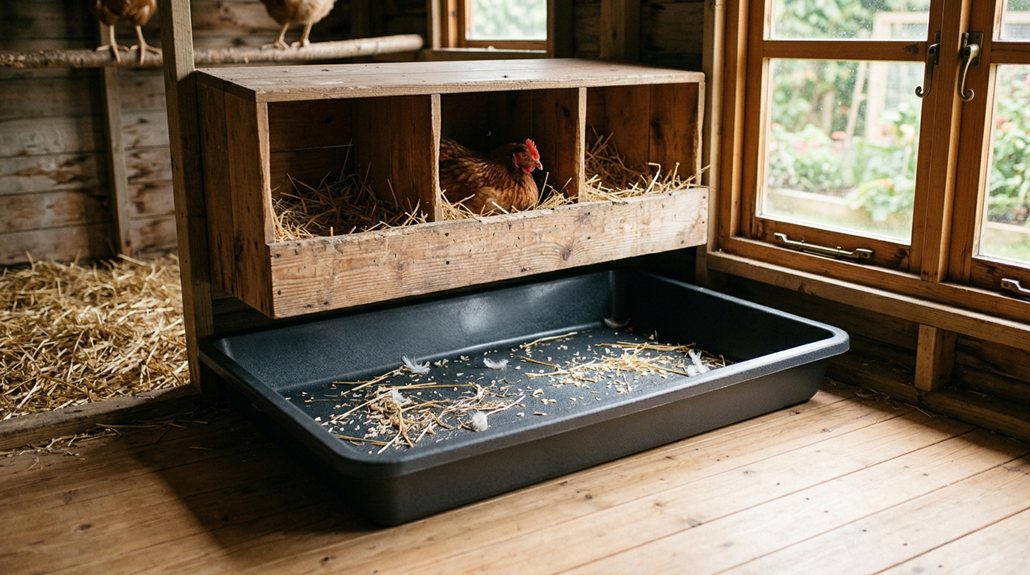

More than 13 million American households now keep backyard chickens, and a growing number of those coops sit squarely within city boundaries. Whether you can legally keep chickens inside city limits depends entirely on your local municipal code, some cities welcome small backyard flocks with open arms, while others ban them outright or bury permission under layers of permits, neighbor consent forms, and strict coop placement rules.
Key Takeaways
- City ordinances vary widely: some cities allow backyard chickens freely, others require permits, and some ban them completely
- Hen limits are common: most cities that allow chickens cap flock size at 3-6 hens per property
- Roosters are usually prohibited: noise complaints make roosters illegal in most urban areas, even where hens are allowed
- Setback requirements matter: coops typically must sit 10-25 feet from neighboring property lines
- Permits cost $0-$100: many cities require annual or one-time permits with fees ranging from free to around $100
- HOAs can override city rules: even if your city allows chickens, your homeowners association may not
- Fines for violations range $50-$500: keeping chickens without permission can result in daily fines and forced removal
- Research before you buy: check your specific city code, zoning district, and HOA rules before investing in a coop
What Are the Typical City Ordinances for Backyard Chickens?
Most cities that allow backyard chickens regulate them through zoning codes that specify flock size, coop placement, and permit requirements. Typical ordinances limit residents to 4-6 hens (no roosters), require coops to sit at least 10-25 feet from neighboring homes, and mandate annual permits or inspections.
Common elements in urban chicken ordinances include:
- Flock size caps: Usually 3-6 hens maximum per residential lot
- Rooster bans: Nearly universal prohibition on roosters due to noise
- Setback distances: Coops must be 10-25 feet from property lines and 25-50 feet from neighboring dwellings
- Coop standards: Requirements for predator-proof construction, adequate ventilation, and easy cleaning
- Slaughter prohibitions: Many cities ban on-site slaughter of chickens
- Sanitation rules: Regular cleaning requirements and restrictions on odor or pest attraction
- Permit or registration: Annual or one-time registration with animal control or health department
Choose permit-required cities if you’re comfortable with inspections and paperwork but want legal protection. Choose permit-free cities if you prefer less bureaucracy, but understand you may have fewer enforcement protections if neighbor disputes arise.
How Many Chickens Am I Allowed to Keep in City Limits?
The number of chickens allowed in city limits typically ranges from 3 to 6 hens per residential property, with the exact limit set by your local zoning code. Larger lots may qualify for higher limits, while smaller urban parcels often face stricter caps.
Here’s how cities typically structure flock limits:
- Standard residential lots (under 10,000 sq ft): 3-6 hens
- Larger suburban lots (10,000-20,000 sq ft): 6-10 hens
- Rural-residential zones: 12+ hens or no limit
- Multi-family properties: Often prohibited entirely or limited to 2-3 hens
- Commercial urban farms: Separate permits with higher limits
Common mistake: Counting chicks toward your limit. Most ordinances count only adult birds, so you can temporarily exceed your limit while raising chicks, but you must reduce to the legal number once they mature at around 16-20 weeks.
Edge case: Some cities calculate limits per household rather than per property, which matters if you have accessory dwelling units or multi-generational housing on one lot.
Do I Need a Permit to Have Chickens in My Backyard in the City?
Whether you need a permit to keep backyard chickens depends on your city, about 60% of cities that allow chickens require some form of permit, registration, or inspection, while the remaining 40% allow chickens without formal permission as long as you follow basic zoning rules.
Permit requirements typically fall into three categories:
Annual permits ($25-$100/year)
- Require yearly renewal and sometimes inspection
- Common in larger cities with active animal control departments
- May include neighbor notification requirements
- Examples: Seattle, Portland, Minneapolis
One-time registration ($0-$50)
- Simple registration with animal control or health department
- No renewal required unless you move or change flock size
- Less common but growing in popularity
- Examples: Austin, Denver, Raleigh
No permit required
- Follow zoning rules but no formal registration
- Enforcement typically complaint-driven
- More common in smaller cities and suburbs
- Examples: Many Texas cities, rural-adjacent suburbs
Decision rule: If your city requires a permit, get it before buying chickens. The $50-$100 cost is far less than the $200-$500 fines for operating without permission, and permits provide legal protection if neighbors complain.
Are Roosters Allowed in City Limits or Just Hens?
Roosters are banned in approximately 95% of cities that allow backyard chickens, with only hens permitted due to noise complaints and aggressive behavior concerns. The few cities that do allow roosters typically limit them to one per property and require additional setback distances from neighboring homes.
Key differences between hen and rooster regulations:
| Aspect | Hens | Roosters |
|---|---|---|
| Noise level | Quiet clucking (60-70 decibels) | Crowing (90+ decibels, starts at dawn) |
| City allowance | Permitted in most chicken-friendly cities | Banned in 95% of urban areas |
| Neighbor complaints | Rare | Very common |
| Egg production | Yes (no rooster needed) | No |
| Flock protection | N/A | Defends hens from predators |
Why the rooster ban matters: A rooster’s crow can reach 90 decibels, as loud as a lawnmower, and occurs 12-15 times per day starting before sunrise. This violates noise ordinances in most residential zones and generates immediate neighbor complaints.
Exception: A handful of cities (typically in agricultural regions) allow one rooster per property if the lot exceeds 1-2 acres and the coop sits at least 100 feet from neighboring homes. Always verify before assuming your city is one of these rare exceptions.
What Cities Allow Backyard Chickens and Which Ones Don’t?
Most major U.S. cities now allow backyard chickens with restrictions, though regulations vary dramatically by region. West Coast and Southern cities tend to be most permissive, while some Northeastern cities and exclusive suburbs maintain outright bans.
Cities that allow backyard chickens (with typical limits):
- Seattle, WA: Up to 8 hens, no permit required
- Portland, OR: Up to 3 hens without permit, up to 10 with permit
- Austin, TX: Up to 10 hens, simple registration
- Denver, CO: Up to 8 hens, no permit needed
- Los Angeles, CA: Varies by zone, typically 6-35 hens depending on lot size
- Atlanta, GA: Up to 6 hens with permit
- Raleigh, NC: Up to 10 hens, registration required
- Madison, WI: Up to 4 hens, annual permit
Cities with bans or severe restrictions:
- New York City, NY: Allowed but highly restricted by space requirements
- Miami, FL: Banned in most residential zones
- Many HOA-governed suburbs: Individual association bans even where city allows
Regional patterns: Cities in Texas, Colorado, Oregon, and Washington lead in chicken-friendly policies. Cities in Florida, parts of the Northeast, and exclusive suburban enclaves tend toward stricter bans.
How to check your city: Search “[your city name] municipal code chickens” or “[your city name] backyard chicken ordinance” to find your specific rules. Most cities publish zoning codes online, typically in the animal control or zoning chapter.
How Far Do Chicken Coops Need to Be From Neighbor’s Property Line?
Chicken coops typically must sit 10-25 feet from your neighbor’s property line and 25-50 feet from neighboring dwellings, though exact setback requirements vary by city and sometimes by lot size. These distances aim to minimize noise, odor, and pest concerns for adjacent properties.
Common setback requirements by city type:
Dense urban areas:
- 10-15 feet from side/rear property lines
- 25-35 feet from neighboring homes
- Often must be in rear yard only (not side yard)
Suburban residential:
- 15-25 feet from property lines
- 35-50 feet from neighboring dwellings
- May allow side yard placement on larger lots
Rural-residential zones:
- 25+ feet from property lines
- 50-100 feet from neighboring homes
- More flexible placement options
Measurement tips: Setback distances are measured from the closest point of your coop structure (including roof overhang and run) to the property line, not from your house. Use a measuring tape or property survey to verify compliance before building.
Common mistake: Assuming your fence line is your property line. Many fences sit 6-12 inches inside the actual property boundary. Check your property survey or have your lot staked by a surveyor if you’re building close to the minimum setback.
What Are the Noise Complaint Issues With Urban Chickens?
Noise complaints from urban chickens are relatively rare when flocks contain only hens, as hen vocalizations typically measure 60-70 decibels, quieter than normal conversation. However, excessive noise can occur from poorly managed flocks, distressed birds, or (illegally kept) roosters, leading to neighbor complaints and potential enforcement action.
Hen noise levels in context:
- Normal hen clucking: 60-70 decibels (conversation level)
- “Egg song” after laying: 70-75 decibels (vacuum cleaner level)
- Distressed hen alarm: 80-85 decibels (garbage disposal level)
- Rooster crow: 90+ decibels (lawnmower level)
What triggers noise complaints:
- Roosters (illegal in most cities): Crowing 12-15 times daily starting at dawn
- Predator distress: Hens make loud alarm calls when threatened by dogs, raccoons, or hawks
- Hunger/thirst: Neglected birds vocalize more frequently
- Overcrowding: Too many birds in too small a space increases noise
- Broody hens: Hens trying to hatch eggs can vocalize more persistently
Prevention strategies:
- Keep only hens (never roosters in city limits)
- Provide adequate food, water, and space
- Secure coops against predators to prevent alarm calls
- Maintain clean, comfortable conditions
- Consider quieter breeds like Orpingtons or Australorps rather than vocal breeds like Leghorns
If you receive a complaint: Address it immediately. Most cities give 30-90 days to correct violations before issuing fines, but repeated complaints can result in forced removal of your flock.
How Much Does It Cost to Set Up a Small Chicken Coop in the City?
Setting up a small urban chicken coop typically costs $500-$1,500 for a starter flock of 3-4 hens, including the coop structure, birds, feeders, waterers, and initial supplies. Ongoing costs run $15-$30 per month for feed, bedding, and occasional health care.
Initial setup costs breakdown:
- Coop and run: $300-$800 (pre-built) or $150-$400 (DIY materials)
- Chickens: $15-$30 per hen (point-of-lay pullets)
- Feeders and waterers: $30-$60
- Initial feed and bedding: $40-$60
- Nesting boxes: $20-$40 (often included in coop)
- Permit fees: $0-$100 (one-time or annual)
- Fencing/hardware cloth: $50-$150 for predator-proofing
Monthly ongoing costs (for 4 hens):
- Feed: $15-$25 (layer pellets)
- Bedding: $5-$10 (pine shavings or straw)
- Health supplies: $5-$10 (grit, oyster shell, occasional medications)
Budget options: A DIY coop built from reclaimed materials can cost under $200, and adopting older hens from rescue organizations may cost $5-$10 per bird rather than $25-$30 for pullets.
Hidden costs to consider: Predator-proofing (hardware cloth, locks, buried wire) adds $100-$200 but is essential in urban areas with raccoons, rats, and neighborhood dogs.
Can I Get Fined for Having Chickens Without Permission in City Limits?
Yes, keeping chickens without required permits or in violation of city ordinances can result in fines ranging from $50 to $500 per violation, with some cities assessing daily fines until you achieve compliance or remove the birds. Enforcement is typically complaint-driven rather than proactive.
Typical enforcement progression:
- Warning notice (7-30 days to comply): First response to complaint
- Citation and fine ($50-$200): If you don’t comply or obtain required permits
- Daily fines ($25-$100/day): For continued violations after citation
- Forced removal: Animal control may seize birds after repeated violations
- Court summons: Persistent violations can result in misdemeanor charges
Real enforcement examples:
- Seattle: $150 fine for operating without permit, 30 days to comply
- Los Angeles: $250-$500 per violation, daily fines possible
- Denver: $100 fine, 15 days to remove birds or obtain permit
- Atlanta: $50-$200 fine, birds must be removed within 10 days
Factors that affect enforcement:
- Complaint-driven: Most cities only investigate after neighbor complaints
- Repeat violations: First-time offenders often receive warnings; repeat violators face steeper fines
- Cooperation: Working with animal control to achieve compliance usually results in lower penalties
- Severity: Roosters, excessive numbers, or unsanitary conditions trigger faster enforcement
Protection strategy: Obtain required permits before starting your flock. The $50-$100 permit cost is far less than potential fines, and legal compliance protects you if neighbors complain.
Are Backyard Chickens Worth It If You Live in the City?
Backyard chickens can be worth it for city dwellers who value fresh eggs, enjoy animal care, and have adequate space and time for daily maintenance, but they’re not ideal for everyone. A small flock of 3-4 hens produces 12-20 eggs per week, costs $15-$30 monthly to maintain, and requires 15-30 minutes of daily care.
Pros of urban chicken keeping:
✅ Fresh eggs: 3-4 eggs per hen per week, superior taste and nutrition to store-bought
✅ Pest control: Chickens eat ticks, mosquitoes, and garden pests
✅ Fertilizer: Chicken manure creates excellent compost for gardens
✅ Educational: Great for teaching children about food sources and responsibility
✅ Entertainment: Chickens have distinct personalities and are surprisingly engaging pets
✅ Food security: Reliable egg source independent of supply chain issues
Cons and challenges:
❌ Daily commitment: Chickens need food, water, and coop cleaning every day, including vacations
❌ Predator management: Urban areas have raccoons, rats, hawks, and dogs that threaten flocks
❌ Neighbor relations: Even legal chickens can strain relationships if not managed well
❌ Egg production declines: Hens lay heavily for 2-3 years, then production drops significantly
❌ Veterinary care: Avian vets are scarce and expensive; many chicken keepers handle health issues themselves
❌ Zoning restrictions: Moving to a new home may mean giving up your flock
Break-even analysis: At $6-$8 per dozen for organic eggs, a 4-hen flock producing 15 eggs weekly saves about $40-$50 monthly in grocery costs. With $20-$30 monthly feed costs, you save $10-$30 per month after covering expenses, but it takes 2-3 years to recoup the initial $500-$1,500 setup investment.
Choose chickens if: You enjoy daily animal care, have a secure yard, value food independence, and see chickens as pets that happen to produce eggs rather than purely as an economic investment.
Skip chickens if: You travel frequently, have limited outdoor space, face hostile neighbors or strict HOAs, or expect significant financial savings.
What Are Common Mistakes People Make When Keeping City Chickens?
The most common mistakes urban chicken keepers make include underestimating predator threats, failing to research local ordinances before buying birds, choosing inappropriate breeds for confined spaces, and neglecting neighbor relations. These errors often lead to lost birds, legal problems, or forced flock removal.
Top mistakes and how to avoid them:
1. Skipping permit research
Many people buy chickens first and check legality later. Always verify your city code, HOA rules, and permit requirements before purchasing birds or building a coop.
2. Inadequate predator protection
Urban areas have raccoons, rats, opossums, hawks, and neighborhood dogs. Use hardware cloth (not chicken wire), bury fencing 12 inches deep, and install secure locks on all coop doors.
3. Choosing the wrong breeds
Loud, flighty breeds like Leghorns are poor choices for small urban yards. Choose calm, quiet breeds like Orpingtons, Australorps, or Silkies for city settings.
4. Overcrowding
Chickens need 3-4 square feet per bird inside the coop and 8-10 square feet per bird in the outdoor run. Overcrowding leads to stress, fighting, and disease.
5. Ignoring neighbor concerns
Proactively share eggs with neighbors, maintain clean coops, and address concerns immediately. Most chicken complaints stem from poor maintenance rather than the birds themselves.
6. Keeping roosters
Roosters are illegal in most cities and generate immediate noise complaints. All-hen flocks lay eggs just fine without a rooster present.
7. No vacation plan
Chickens need daily care. Arrange for a chicken-sitter or boarding before you travel, or don’t get chickens.
8. Expecting immediate eggs
Pullets (young hens) don’t start laying until 18-24 weeks old. Budget for 4-6 months of feed costs before seeing your first egg.
Do Apartments or HOAs Allow Chickens Even If the City Does?
Homeowners associations (HOAs) and apartment complexes can prohibit chickens even in cities where municipal code allows them, and these private restrictions override city permissions. Approximately 60-70% of HOAs ban backyard chickens regardless of city rules, while apartments almost universally prohibit them due to space and liability concerns.
HOA restrictions:
- Review CC&Rs first: Your covenants, conditions, and restrictions document lists all property use limitations
- Request variances: Some HOAs grant exceptions if you present a detailed plan and get neighbor support
- Attend board meetings: Propose rule changes if your HOA currently bans chickens
- Stealth chickens backfire: Keeping chickens in violation of HOA rules can result in daily fines ($50-$200) and forced removal
Apartment and rental restrictions:
- Lease agreements: Nearly all apartment leases prohibit livestock, including chickens
- Landlord permission: Single-family rentals may allow chickens with explicit written landlord consent
- Liability concerns: Landlords worry about property damage, pest attraction, and neighbor complaints
- Security deposits: Even with permission, expect additional pet deposits ($200-$500)
Decision rule: Check HOA CC&Rs and rental agreements before checking city ordinances. Private restrictions are more common and harder to change than municipal codes.
Workaround: Some urban chicken enthusiasts join community garden programs that allow shared chicken coops, or volunteer at urban farms to get chicken-keeping experience without home ownership requirements.
How Do I Find Out My Specific City’s Rules About Chickens?
To find your city’s specific chicken regulations, search your municipal code online using “[city name] municipal code” plus “chickens,” “poultry,” or “livestock,” or call your city’s animal control, zoning, or planning department directly. Most cities publish ordinances online, typically in zoning codes (Title 17-18) or animal control chapters (Title 6-8).
Step-by-step research process:
Step 1: Search online
Google “[your city name] backyard chicken ordinance” or “[city name] municipal code chickens”
Step 2: Check official city websites
Navigate to your city’s official website → Departments → Animal Control or Planning/Zoning → Search for “chickens” or “poultry”
Step 3: Review municipal code directly
Most cities link to their full municipal code (often hosted on Municode.com or American Legal Publishing). Search for:
- “Chickens”
- “Poultry”
- “Fowl”
- “Livestock”
- “Animals” (general chapter)
Step 4: Call city departments
If online research is unclear, call:
- Animal Control: (XXX) XXX-XXXX (handles permits and enforcement)
- Planning/Zoning: (XXX) XXX-XXXX (handles setback and land use questions)
- Code Enforcement: (XXX) XXX-XXXX (handles violations and complaints)
Step 5: Verify HOA rules
Request your CC&Rs from your HOA board or management company, or check your closing documents if you recently purchased your home.
What to look for in the code:
- Maximum number of hens allowed
- Rooster prohibitions
- Setback distances from property lines and structures
- Permit or registration requirements and fees
- Coop construction standards
- Slaughter or processing restrictions
- Penalties for violations
Red flags: If your city code is silent on chickens, they may be prohibited by default under general “livestock” or “farm animal” bans. Call animal control to confirm before assuming silence means permission.
Frequently Asked Questions
Can I keep chickens in my backyard if I live in the city?
Yes, if your city ordinance allows it, but you must check your specific municipal code, HOA rules, and zoning district. About 70% of U.S. cities now permit backyard chickens with restrictions on flock size, coop placement, and permits.
How many chickens can I legally have in city limits?
Most cities that allow chickens limit residential properties to 3-6 hens, though larger lots may qualify for higher limits. Check your city’s zoning code for exact numbers, as limits vary widely by municipality and lot size.
Do I need a permit to have chickens in my city?
About 60% of chicken-friendly cities require permits, registrations, or inspections, with fees ranging from free to $100 annually. The remaining 40% allow chickens without formal permits as long as you follow zoning rules.
Are roosters allowed in city limits?
No, approximately 95% of cities that allow chickens ban roosters due to noise complaints. Roosters crow at 90+ decibels starting before dawn, violating most residential noise ordinances. Only hens are permitted in urban areas.
How far does my chicken coop need to be from my neighbor’s fence?
Chicken coops typically must sit 10-25 feet from property lines and 25-50 feet from neighboring homes, depending on your city’s setback requirements. Measure from the closest point of your coop structure to the property line, not your fence.
What happens if I keep chickens without permission?
You can face fines of $50-$500 per violation, with some cities assessing daily fines until you comply. Animal control may seize your birds after repeated violations, and persistent offenders can face misdemeanor charges.
Can my HOA ban chickens even if my city allows them?
Yes, HOA covenants override city ordinances. Approximately 60-70% of HOAs prohibit chickens regardless of municipal permissions. Always check your CC&Rs before getting chickens, as HOA violations result in fines and forced removal.
How much does it cost to keep chickens in the city?
Initial setup costs $500-$1,500 for a coop, 3-4 hens, and supplies. Ongoing costs run $15-$30 monthly for feed and bedding. A 4-hen flock produces 12-20 eggs weekly, roughly offsetting feed costs after 2-3 years.
Do chickens make too much noise for city living?
Hens are relatively quiet at 60-70 decibels (conversation level), making them suitable for urban areas. Roosters, however, crow at 90+ decibels and are banned in most cities. Noise complaints from hens alone are rare with proper management.
What cities allow backyard chickens?
Most major cities now allow chickens with restrictions, including Seattle, Portland, Austin, Denver, Los Angeles, Atlanta, and Raleigh. West Coast and Southern cities tend to be most permissive, while some Northeastern cities and exclusive suburbs maintain bans.
Can I keep chickens in an apartment?
No, nearly all apartment leases prohibit chickens due to space, noise, and liability concerns. Single-family rentals may allow chickens with explicit written landlord permission, but expect additional pet deposits and restrictions.
How do I find my city’s chicken laws?
Search “[your city name] municipal code chickens” online, check your city’s animal control or zoning department website, or call city offices directly. Look in zoning codes (Title 17-18) or animal control chapters (Title 6-8) of your municipal code.
Conclusion
Keeping chickens inside city limits is legal in most U.S. cities in 2026, but success depends on thorough research and careful planning. Before buying your first hen, verify your municipal code, check HOA restrictions, understand permit requirements, and confirm setback distances for coop placement. Most cities allow 3-6 hens (no roosters) with proper permits and neighbor-friendly management.
Your next steps:
- Research your specific rules: Search “[your city name] backyard chicken ordinance” and review your HOA CC&Rs
- Calculate costs: Budget $500-$1,500 for initial setup and $15-$30 monthly for ongoing care
- Talk to neighbors: Proactively discuss your plans and address concerns before buying chickens
- Obtain required permits: Apply for permits before purchasing birds to avoid fines
- Plan for predators: Invest in hardware cloth, secure locks, and buried fencing
- Choose appropriate breeds: Select calm, quiet breeds like Orpingtons or Australorps for urban settings
- Arrange backup care: Identify a chicken-sitter before you travel
Urban chicken keeping offers fresh eggs, pest control, and rewarding daily interaction with animals, but it requires commitment, legal compliance, and good neighbor relations. Done right, a small backyard flock can thrive within city limits while enriching your household and community.