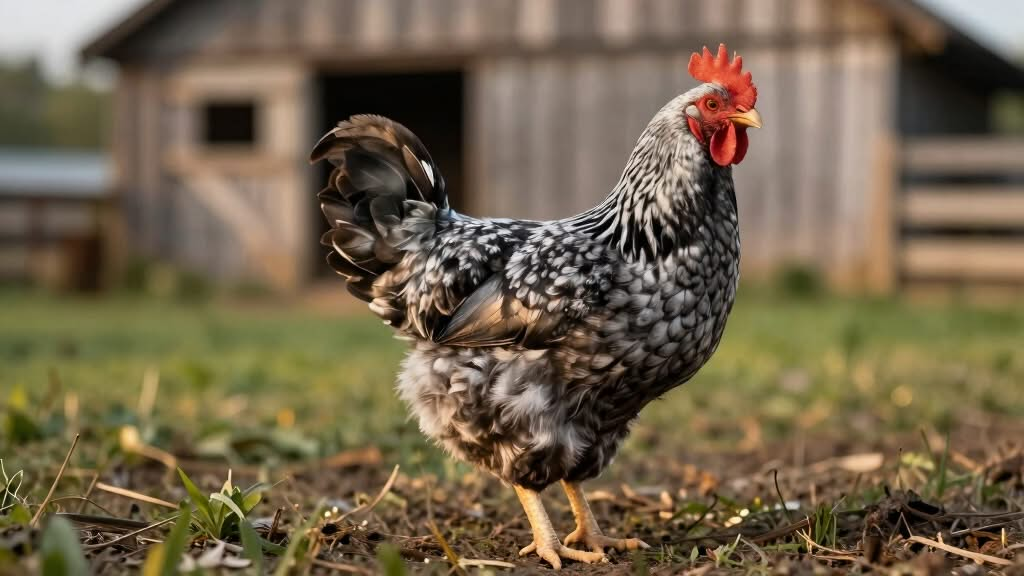
Wyandotte chickens consistently rank among the top three most popular heritage breeds in North America, prized equally for their striking laced plumage and reliable egg production. This Wyandotte chicken breed profile covers everything from egg-laying capacity and temperament to cold hardiness and beginner suitability, helping you decide if this dual-purpose breed belongs in your backyard flock.
Key Takeaways
- Wyandottes lay 200-240 large brown eggs annually, making them excellent dual-purpose birds for eggs and meat
- The breed excels in cold climates thanks to their rose comb, dense feathering, and calm temperament
- Beginners benefit from Wyandotte chickens’ docile nature, hardiness, and low-maintenance requirements
- Eight recognized color varieties exist, with Silver Laced and Gold Laced being most common
- Wyandottes cost $5-8 for chicks, $15-25 for started pullets, and $30-50 for laying hens
- They integrate well with mixed flocks but may establish dominance due to their confident personality
- Broodiness occurs occasionally but less frequently than in Orpingtons or Silkies
What Are Wyandotte Chickens Known For?
Wyandotte chickens are known for their stunning laced feather patterns, excellent cold hardiness, and reliable dual-purpose production combining 200+ eggs per year with a meaty 6-8 pound body. Developed in the United States during the 1870s, the breed takes its name from the Wyandot Nation and was specifically bred to thrive in harsh northern winters while providing both eggs and meat for homesteaders.
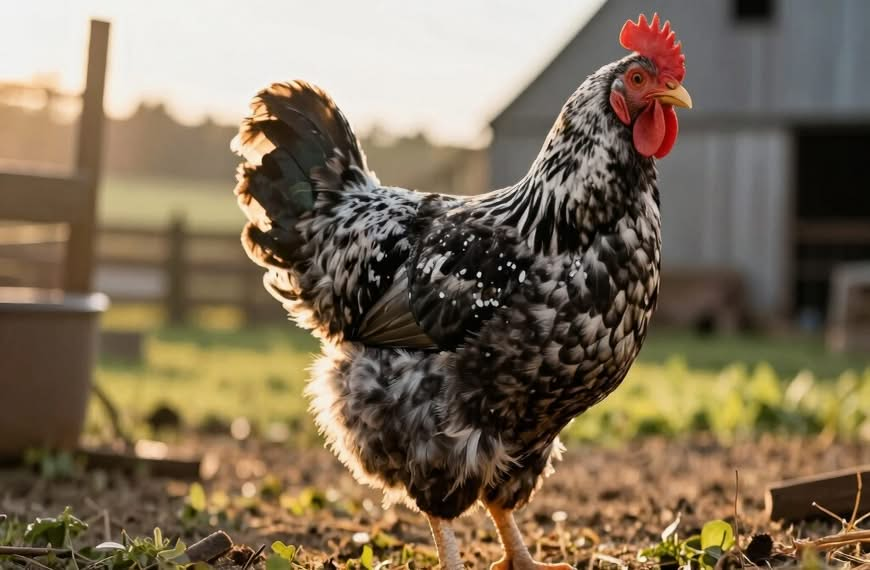
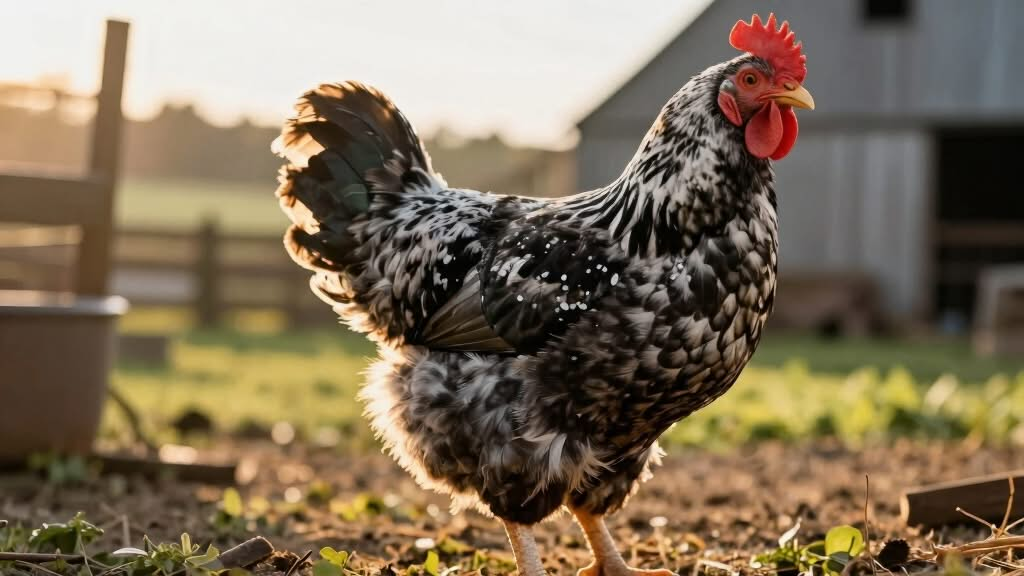
The breed’s signature feature is its rose comb, a low-profile comb that resists frostbite far better than single combs. Each feather displays intricate lacing where a contrasting color outlines the feather edge, creating a scaled appearance that makes Wyandottes among the most visually striking backyard breeds.
Beyond appearance, Wyandottes earned their reputation through:
- Dual-purpose efficiency: Hens weigh 6-6.5 pounds, roosters 8-9 pounds, providing substantial meat while maintaining strong egg production
- Cold climate adaptation: Dense, fluffy plumage and compact body shape conserve heat in freezing temperatures
- Calm, confident temperament: Friendly enough for families but assertive enough to hold their own in mixed flocks
- Heritage breed status: Recognized by the American Poultry Association since 1883, with genetic diversity valued by conservation breeders
The breed comes in eight American Poultry Association-recognized varieties: Silver Laced, Gold Laced, White, Buff, Black, Partridge, Silver Penciled, and Columbian. Each variety shares the same body type and production traits while offering different color patterns.
How Many Eggs Do Wyandotte Chickens Lay Per Year?
Wyandotte chickens lay 200-240 large brown eggs per year under optimal conditions, averaging 4-5 eggs per week during peak production. First-year pullets typically produce at the higher end of this range, while hens in their second and third years settle into consistent 180-200 egg annual production before gradually declining.
Production timeline:
- 18-24 weeks: Point of lay (first egg)
- 6-18 months: Peak production period (5 eggs/week common)
- 18 months-3 years: Steady production (4 eggs/week typical)
- 3+ years: Gradual decline (3 eggs/week or less)
Egg production depends heavily on management factors. Wyandottes need 14-16 hours of daylight to maintain laying, so many keepers experience a natural winter slowdown unless supplemental lighting is provided. Hens also pause laying during molting (typically fall) and may reduce production during extreme heat.
Factors that maximize Wyandotte egg production:
- Layer feed with 16-18% protein and calcium supplementation
- Consistent access to fresh water (hens drink 2x more when laying)
- Stress-free environment with adequate space (4 square feet per bird in coop, 10 in run)
- Parasite control and regular health monitoring
- Gradual light supplementation in winter (if desired)
Compared to production hybrids like ISA Browns (300+ eggs/year), Wyandottes lay fewer eggs but maintain production longer and offer superior meat quality when culled. For backyard keepers prioritizing a balanced, sustainable flock over maximum egg output, this trade-off makes Wyandottes ideal.
Are Wyandotte Chickens Good for Beginners?
Wyandotte chickens are excellent for beginners due to their hardy constitution, calm temperament, and forgiving nature regarding minor management mistakes. The breed tolerates a wide range of climates, rarely suffers from common health issues, and handles confinement or free-ranging equally well, making them adaptable to various backyard setups.
Why beginners succeed with Wyandottes:
- Forgiving hardiness: Resistant to cold stress, respiratory issues, and environmental changes that challenge delicate breeds
- Predictable behavior: Calm, curious personality without the flightiness of Leghorns or aggression sometimes seen in game breeds
- Low special requirements: No need for specialized housing, extreme heat protection, or intensive grooming
- Good feed conversion: Efficient foragers that don’t require premium feed to maintain health and production
- Long productive life: 3-5 years of solid laying means less frequent flock turnover
The breed’s confident temperament means they establish pecking order quickly but without excessive aggression. New keepers appreciate that Wyandottes rarely become bullies but also don’t get picked on by more assertive breeds in mixed flocks.
Beginner considerations:
Choose Wyandottes if you want a low-maintenance, all-around breed that produces well without constant intervention. They’re ideal for families with children, urban/suburban coops with size restrictions, and first-time keepers still learning flock management basics.
Skip Wyandottes if your primary goal is maximum egg production (choose production hybrids instead) or you live in extreme heat climates where their dense feathering becomes a liability (Mediterranean breeds like Leghorns handle heat better).
What Color Eggs Do Wyandotte Chickens Lay?
Wyandotte chickens lay brown eggs ranging from light tan to medium brown, with most individuals producing eggs in the medium brown range similar to Rhode Island Reds. Egg color remains consistent for each hen throughout her laying life, though shade may lighten slightly as she ages or during periods of stress.
The brown pigment (protoporphyrin) is deposited on the eggshell surface during the final hours before laying. Unlike blue or green egg layers (Ameraucanas, Olive Eggers) where pigment penetrates the shell, brown eggs are white on the interior shell surface.
Egg characteristics:
- Size: Large (24-26 ounces per dozen)
- Shell strength: Good to excellent
- Interior quality: Deep yellow yolks when free-ranging, firm whites
- Consistency: Reliable size and color throughout peak production years
Some keepers report slight variation in brown shade between Wyandotte color varieties, with darker-feathered birds (Black, Partridge) occasionally laying slightly darker eggs than lighter varieties (White, Buff). However, this variation is minor and individual genetics play a larger role than feather color.
Are Wyandotte Chickens Cold Hardy in Winter?
Wyandotte chickens are exceptionally cold hardy and thrive in winter conditions that challenge most other breeds, thanks to their rose comb, dense plumage, and compact body structure. The breed routinely handles temperatures below 0°F (-18°C) without supplemental heat when provided with a draft-free, dry coop and proper management.
Cold-weather advantages:
- Rose comb: Low-profile comb with minimal surface area dramatically reduces frostbite risk compared to single-combed breeds
- Fluffy plumage: Dense, soft feathering traps insulating air layers close to the body
- Rounded body shape: Compact build minimizes heat loss compared to rangy, upright breeds
- Calm temperament: Less prone to panic and stress during winter confinement
Winter management for Wyandottes:
- Ventilation over heat: Provide upper ventilation to remove moisture while preventing drafts at roost level
- Deep litter method: Build up bedding layers for insulation and composting warmth
- Roost space: Allow 10-12 inches per bird so they can fluff feathers without crowding
- Water management: Check waterers multiple times daily or use heated bases
- High-energy feed: Increase scratch grains and corn in evening to fuel overnight heat production
Wyandottes continue laying through winter better than many breeds, though production typically drops to 2-3 eggs per week without supplemental lighting. Their cold tolerance makes them ideal for northern climates, homesteads without electricity in coops, and keepers who prefer natural, heat-free winter management.
Cold-weather caution: While the rose comb resists frostbite, wattles can still freeze in extreme conditions. Apply petroleum jelly to wattles during severe cold snaps (below -10°F) as a protective barrier.
Do Wyandotte Chickens Go Broody Often?
Wyandotte chickens go broody occasionally but not frequently, with roughly 20-30% of hens showing broody behavior at some point during their laying life. When Wyandottes do go broody, they make attentive, protective mothers with good hatch rates and chick-rearing instincts, though broodiness is far less common than in Silkies, Cochins, or Orpingtons.
Broodiness varies significantly by individual genetics and breeding line. Hatchery stock bred for production tends to show minimal broody behavior, while heritage lines maintained by small breeders may retain stronger maternal instincts.
Signs of broodiness in Wyandottes:
- Hen remains on nest 23+ hours daily, leaving only briefly for food and water
- Fluffed feathers, growling or pecking when approached
- Plucked breast feathers to create bare brood patch
- Stopped laying new eggs
Managing broody Wyandottes:
If you want chicks, Wyandotte hens successfully hatch and raise 8-12 chicks with minimal intervention. Provide a secure, quiet brooding area separate from the main flock, ensure constant access to food and water within a few feet of the nest, and allow 21 days for hatching.
If you don’t want chicks, break broodiness by removing the hen to a wire-bottom cage with no nesting material for 3-5 days. The cooling effect on her underside typically resets hormones and returns her to laying within a week.
Wyandotte vs Rhode Island Red: Which Is Better?
Wyandotte and Rhode Island Red chickens both excel as dual-purpose breeds, but Wyandottes are better for cold climates, mixed flocks, and keepers prioritizing temperament, while Rhode Island Reds are better for maximum egg production, heat tolerance, and assertive flock personalities. The choice depends on your climate, flock dynamics, and whether you value 20-30 extra eggs per year over superior cold hardiness and calmer behavior.
Direct comparison:
| Feature | Wyandotte | Rhode Island Red |
|---|---|---|
| Eggs/year | 200-240 | 250-280 |
| Egg color | Medium brown | Dark brown |
| Cold hardiness | Excellent (rose comb) | Good (single comb) |
| Heat tolerance | Moderate | Good |
| Temperament | Calm, friendly | Assertive, active |
| Broodiness | Occasional | Rare |
| Foraging ability | Good | Excellent |
| Meat quality | Very good | Good |
Choose Wyandottes if:
- You live in cold climates with harsh winters (rose comb prevents frostbite)
- You want a calmer, more docile breed for family flocks or children
- You value appearance and have a mixed flock with various breeds
- You prefer occasional broodiness for natural chick-rearing
Choose Rhode Island Reds if:
- Maximum egg production is your top priority
- You live in hot climates where heat tolerance matters more than cold hardiness
- You want assertive foragers that excel in free-range situations
- You prefer minimal broodiness and consistent year-round laying
Many experienced keepers maintain both breeds in mixed flocks, benefiting from Rhode Island Reds’ high production and Wyandottes’ cold hardiness and temperament balance. The breeds coexist well, with Rhode Island Reds typically establishing higher pecking order positions due to their more assertive nature.
How Much Does a Wyandotte Chicken Cost?
Wyandotte chickens cost $5-8 for day-old chicks, $15-25 for started pullets (8-16 weeks), and $30-50 for point-of-lay hens (18-24 weeks), with rare color varieties and show-quality birds commanding premium prices of $50-150 or more. Prices vary by source, with hatcheries offering the lowest prices for common varieties and specialty breeders charging more for heritage genetics and rare colors.
Price breakdown by source:
- Large hatcheries (Murray McMurray, Meyer, Cackle): $5-8/chick, minimum orders often required
- Local feed stores (spring chick days): $6-10/chick, no minimum, limited selection
- Small breeders (heritage lines): $10-20/chick, better genetics, specific color varieties
- Show breeders (exhibition quality): $25-150/chick, top conformation and color
Ongoing costs:
- Feed: $15-25 per bird annually (layer feed, treats, supplements)
- Bedding: $3-5 per bird annually (pine shavings, straw)
- Healthcare: $5-10 per bird annually (preventive care, occasional treatments)
- Infrastructure: One-time coop and run costs ($500-2000+ depending on size and quality)
Rare Wyandotte varieties like Silver Penciled, Partridge, and Blue command higher prices due to limited availability and breeding difficulty. Common varieties (Silver Laced, Gold Laced, White) are widely available at standard pricing.
Money-saving strategies:
- Buy day-old chicks and brood them yourself (saves $10-20 per bird vs. started pullets)
- Purchase from local breeders to avoid shipping costs ($25-50 for chick shipments)
- Join poultry clubs or online groups where members sell excess birds at fair prices
- Consider straight-run chicks (unsexed) at 50% discount if you can manage or rehome roosters
Do Wyandotte Chickens Get Along with Other Breeds?
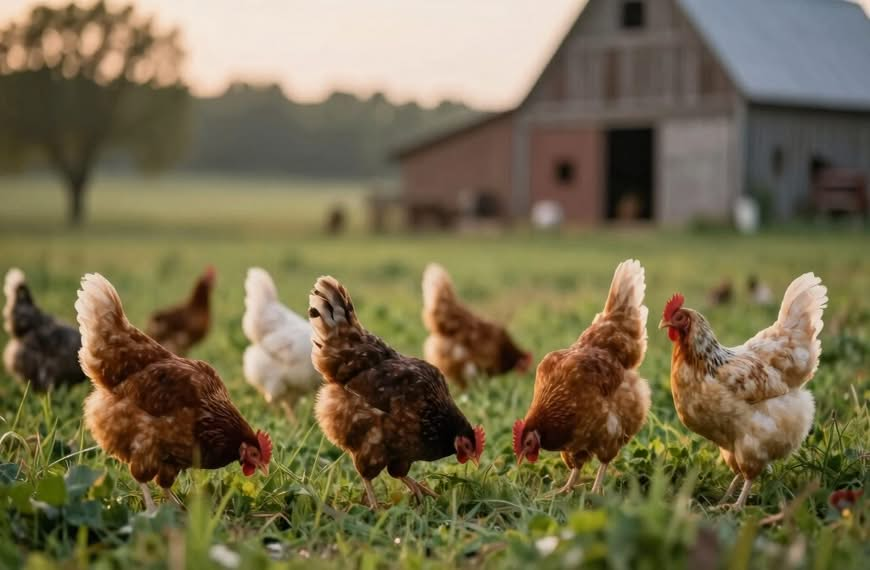
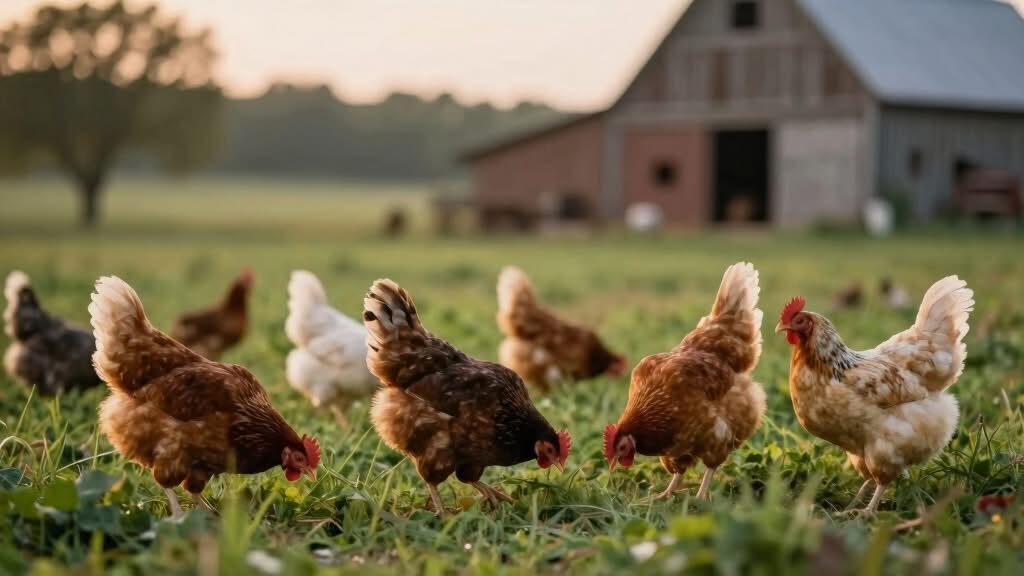
Wyandotte chickens get along well with other breeds in mixed flocks, establishing their place in the pecking order confidently but without excessive aggression. Their medium-sized build and assertive-but-not-dominant temperament means they integrate successfully with both smaller docile breeds (Australorps, Orpingtons) and larger assertive breeds (Rhode Island Reds, Plymouth Rocks) without becoming bullies or victims.
Best breed companions for Wyandottes:
- Orpingtons: Similar size and calm temperament create peaceful coexistence
- Plymouth Rocks: Comparable dual-purpose build and moderate activity level
- Australorps: Gentle nature complements Wyandotte confidence without conflict
- Sussex: Similar cold hardiness and production traits make good flock mates
- Easter Eggers: Varied temperaments but generally compatible size and activity level
Breeds requiring careful integration:
- Silkies/Polish: Wyandottes may peck at crests or feathered feet; supervise introductions
- Bantams: Size difference can lead to bullying; provide multiple feeding stations
- Game breeds: Aggressive breeds may challenge Wyandotte confidence; monitor closely
Integration tips:
Introduce new birds using the “see but don’t touch” method: place newcomers in a separate pen within the main run for 7-10 days so flocks can interact through wire. This reduces aggression during physical introduction. Add new birds at night by placing them on roosts after existing flock has settled, allowing them to wake up together.
Wyandotte roosters are generally good flock protectors without excessive aggression toward keepers, though individual temperament varies. They’re less aggressive than game breed roosters but more protective than docile breeds like Cochins.
What Do Wyandotte Chickens Eat Daily?
Wyandotte chickens eat approximately 1/4 to 1/3 pound (4-5 ounces) of complete layer feed daily, supplemented with occasional treats, grit for digestion, and oyster shell for calcium. A flock of six Wyandottes consumes roughly 50-60 pounds of feed monthly, costing $15-25 depending on feed quality and local pricing.
Daily diet components:
- Layer feed (16-18% protein): Primary nutrition source, fed free-choice or measured portions
- Fresh water: 1-2 cups per bird daily, more in hot weather or during peak laying
- Grit: Insoluble granite grit aids digestion, especially for free-ranging birds eating whole grains
- Calcium supplement: Free-choice oyster shell allows laying hens to self-regulate calcium intake
- Treats (10% or less of diet): Vegetables, fruits, mealworms, scratch grains
Feeding schedule options:
- Free-choice feeding: Keep feeders full at all times; birds self-regulate intake (easiest for beginners)
- Measured portions: Provide calculated daily amount (prevents waste, controls weight)
- Timed feeding: Offer feed at specific times (morning/evening) to encourage foraging
Treat guidelines:
Limit treats to 10% of total diet to prevent nutritional imbalances. Healthy options include leafy greens (kale, lettuce, spinach), vegetables (squash, cucumbers, tomatoes), fruits (berries, melons, apples), and protein sources (mealworms, scrambled eggs, black soldier fly larvae). Avoid toxic foods: chocolate, avocado, raw beans, moldy or spoiled items.
Seasonal adjustments:
- Winter: Increase scratch grains (cracked corn, wheat) in evening to fuel overnight heat production
- Summer: Offer frozen treats (watermelon, berries) and ensure constant access to cool water
- Molting: Boost protein to 18-20% with game bird feed or protein supplements to support feather regrowth
Free-ranging Wyandottes supplement their diet with insects, seeds, and greens, potentially reducing feed consumption by 10-30% depending on pasture quality and season.
Why Are My Wyandotte Chickens Not Laying Eggs?
Wyandotte chickens stop laying eggs due to age (under 18 weeks or over 3 years), molting, insufficient daylight (less than 14 hours), stress, poor nutrition, parasites, illness, or broodiness. Most laying pauses are temporary and resolve with proper management, though permanent cessation occurs naturally as hens age beyond their productive years.
Common causes and solutions:
Age-related:
- Too young: Pullets begin laying at 18-24 weeks; wait patiently and ensure proper nutrition
- Too old: Hens over 3-4 years gradually reduce production; this is natural and irreversible
Seasonal factors:
- Insufficient daylight: Provide 14-16 hours of light daily using supplemental coop lighting (40-watt bulb on timer)
- Molting: Annual feather replacement pauses laying for 8-12 weeks (typically fall); increase protein to 18-20%
Stress triggers:
- Predator pressure: Secure coop and run; stressed hens stop laying until they feel safe
- Flock changes: New birds, removed birds, or pecking order disputes cause temporary pauses
- Coop moves or renovations: Minimize disruptions; maintain routine during necessary changes
Health issues:
- Parasites: Check for mites, lice, and worms; treat with appropriate medications
- Illness: Respiratory infections, reproductive disorders, or injuries stop laying; consult a vet
- Obesity or malnutrition: Ensure proper diet with 16-18% protein layer feed and calcium supplement
Broodiness:
- Broody hens stop laying and sit on nests constantly; break broodiness if chicks aren’t desired
Diagnostic steps:
- Check age and calculate expected laying timeline
- Measure daylight hours and add supplemental light if under 14 hours
- Inspect for parasites (mites under wings, lice near vent)
- Evaluate body condition (feel keel bone; should have slight flesh coverage)
- Monitor for illness signs (lethargy, discharge, abnormal droppings)
- Review recent changes (new birds, predator attempts, coop modifications)
Most Wyandotte laying pauses resolve within 2-4 weeks once the underlying cause is addressed. If hens remain non-productive after troubleshooting, consider culling older birds and replacing with young pullets to maintain flock productivity.
Common Health Problems in Wyandotte Chickens
Wyandotte chickens are generally hardy and disease-resistant, but they can experience respiratory infections, external parasites (mites and lice), bumblefoot, and obesity-related issues when overfed or under-exercised. Preventive care including biosecurity, regular health checks, and proper nutrition prevents most problems, while early intervention resolves issues before they become serious.
Most common health issues:
Respiratory infections:
- Symptoms: Sneezing, nasal discharge, eye swelling, reduced activity
- Causes: Mycoplasma, infectious bronchitis, poor ventilation, ammonia buildup
- Prevention: Adequate ventilation, biosecurity (quarantine new birds 30 days), avoid overcrowding
- Treatment: Isolate affected birds, consult vet for antibiotics if bacterial
External parasites:
- Mites (red mites, northern fowl mites): Blood-sucking parasites causing anemia, stress, reduced laying
- Lice: Chewing insects causing feather damage and irritation
- Prevention: Regular coop cleaning, dust baths with diatomaceous earth, monthly inspections
- Treatment: Permethrin spray or poultry dust, treat entire flock and coop simultaneously
Bumblefoot:
- Symptoms: Swollen, hot foot pad with black scab or abscess
- Causes: Bacterial infection from cuts or scrapes, often from high roosts or rough surfaces
- Prevention: Smooth roost edges, lower roost height (2-3 feet), keep run free of sharp objects
- Treatment: Soak foot, remove scab, drain abscess, apply antibiotic ointment, bandage; severe cases need vet care
Obesity:
- Symptoms: Excessive weight, reduced activity, fatty deposits, decreased laying
- Causes: Overfeeding treats, lack of exercise, free-choice feeding of high-calorie foods
- Prevention: Limit treats to 10% of diet, encourage foraging, provide adequate space for activity
- Treatment: Reduce feed portions, eliminate scratch grains and high-fat treats, increase exercise opportunities
Preventive health practices:
- Monthly health checks: Handle each bird, check eyes, nostrils, vent, feet, and overall body condition
- Quarterly deep cleaning: Remove all bedding, scrub surfaces, disinfect with poultry-safe cleaner
- Annual fecal testing: Check for internal parasites (worms); treat if positive
- Biosecurity: Quarantine new birds 30 days, limit visitor access, disinfect shoes before entering coop
Wyandottes’ rose comb eliminates the frostbite concerns common in single-combed breeds, making them exceptionally low-maintenance in cold climates. Their dense feathering requires monitoring in extreme heat, as they’re more prone to heat stress than Mediterranean breeds.
Are Wyandotte Chickens Noisy or Quiet?
Wyandotte chickens are moderately quiet, producing typical hen vocalizations (egg songs, contentment clucks, alarm calls) at average volume levels that work well for suburban and urban settings with close neighbors. They’re quieter than vocal breeds like Leghorns or Rhode Island Reds but more talkative than exceptionally quiet breeds like Australorps or Brahmas.
Noise characteristics:
- Egg songs: Moderate volume, 2-5 minutes after laying (most noticeable noise)
- Contentment sounds: Soft clucking and purring while foraging or dust bathing
- Alarm calls: Loud, sharp calls when startled or threatened (any breed does this)
- Flock communication: Gentle vocalizations throughout the day at conversational volume
Rooster noise:
Wyandotte roosters crow at typical volume and frequency (dawn and periodically throughout the day). If noise restrictions prohibit roosters, keep hens only; a rooster isn’t necessary for egg production.
Noise management for close neighbors:
- Keep hens only (no roosters) if local ordinances or neighbor relations require
- Provide enrichment (perches, dust baths, hanging treats) to reduce boredom-related noise
- Ensure adequate space (4 square feet per bird in coop, 10 in run) to minimize stress vocalizations
- Collect eggs promptly to reduce extended egg songs
- Maintain flock health; illness and parasites increase stress vocalizations
Wyandottes adapt well to urban and suburban coops where noise considerations matter. Their moderate vocalization level rarely causes neighbor complaints when basic noise management practices are followed.
Can Wyandotte Chickens Live in Small Backyards?
Wyandotte chickens can live successfully in small backyards and adapt well to confinement when provided with minimum space requirements of 4 square feet per bird inside the coop and 10 square feet per bird in an outdoor run. Their calm temperament, moderate activity level, and tolerance for confinement make them among the best breeds for space-limited urban and suburban settings.
Minimum space requirements:
- Coop (indoor): 4 square feet per bird (6 birds = 24 square feet minimum)
- Run (outdoor): 10 square feet per bird (6 birds = 60 square feet minimum)
- Roost space: 10-12 inches per bird on roost bars
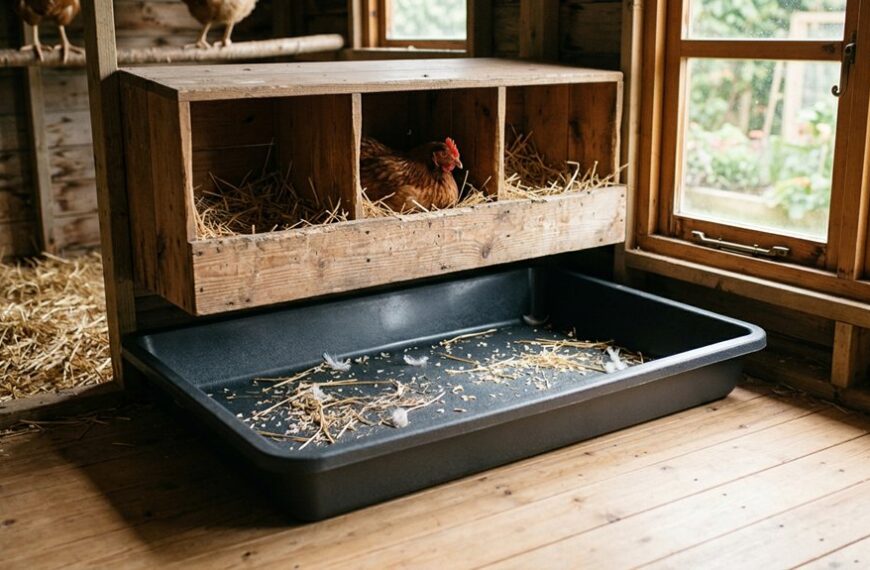
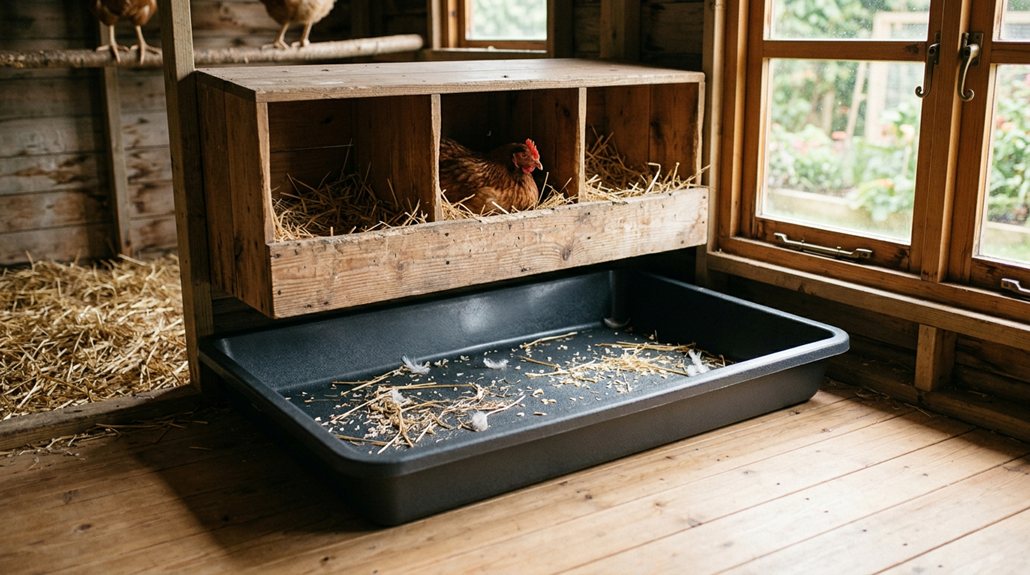
- Nest boxes: One box per 3-4 hens (6 birds = 2 nest boxes)
Small-space advantages:
- Moderate size: 6-8 pound birds fit comfortably in standard backyard coops
- Calm temperament: Less likely to pace, fly, or stress in confined spaces than active breeds
- Good confinement tolerance: Accept run life without constant free-ranging
- Vertical space users: Enjoy multiple roost levels and platforms in compact coops
Maximizing small spaces:
- Vertical design: Add multiple roost levels, hanging feeders, and elevated platforms
- Enrichment: Provide dust baths, perches at varying heights, hanging treats, and mirrors
- Rotation grazing: Use portable runs or chicken tractors to provide fresh ground access
- Deep litter method: Build up bedding layers for composting and reduced cleaning frequency
- Covered runs: Protect from weather and predators while maximizing usable outdoor space
Small backyard considerations:
Check local ordinances before acquiring chickens; many municipalities allow hens but prohibit roosters, limit flock size (commonly 4-6 birds), or require minimum setbacks from property lines. Wyandottes’ moderate noise level and lack of rooster requirement (for eggs) make them ideal for ordinance-compliant urban flocks.
While Wyandottes tolerate confinement well, they benefit from and enjoy free-ranging when space allows. Supervised free-range time in small yards (even 30-60 minutes daily) provides enrichment, reduces feed costs, and improves egg quality through insect and plant consumption.
FAQ
At what age do Wyandotte chickens start laying eggs?
Wyandotte pullets begin laying at 18-24 weeks of age, with most starting around 20-22 weeks. Exact timing depends on hatch date, nutrition, and daylight hours; pullets hatched in spring typically lay sooner than fall-hatched birds due to increasing daylight.
How long do Wyandotte chickens live?
Wyandotte chickens live 6-12 years on average, with peak egg production occurring in years 1-3 and declining gradually thereafter. With proper care, some individuals reach 8-10 years, though laying becomes sporadic after age 5.
Can Wyandotte chickens fly?
Wyandotte chickens can fly short distances of 4-6 feet to reach roosts or escape perceived threats, but their heavy dual-purpose build limits sustained flight. A 4-5 foot fence contains most Wyandottes, though wing clipping (trimming primary flight feathers on one wing) prevents even short flights if needed.
What is the best color variety of Wyandotte?
The best Wyandotte color variety depends on personal preference; all varieties share identical temperament, production, and hardiness traits. Silver Laced and Gold Laced are most common and readily available, while rare varieties like Silver Penciled and Partridge appeal to collectors but cost more.
Do Wyandotte chickens need special housing?
Wyandotte chickens don’t need special housing beyond standard chicken coop requirements: 4 square feet per bird, predator-proof construction, adequate ventilation, roosts, and nest boxes. Their cold hardiness means they don’t require insulation or heat in most climates.
Are Wyandotte roosters aggressive?
Wyandotte roosters are typically calm and protective without excessive aggression toward keepers, though individual temperament varies. They’re less aggressive than game breed roosters but more protective than docile breeds like Cochins, making them good flock protectors for family settings.
Can you keep just one Wyandotte chicken?
Keeping a single Wyandotte is not recommended because chickens are social flock animals that experience stress and behavioral problems when isolated. Minimum flock size should be 3-4 birds, with 5-6 providing better social dynamics and pecking order stability.
How much space does a Wyandotte chicken need to roost?
Each Wyandotte needs 10-12 inches of roost bar space to perch comfortably at night without crowding. Roosts should be 2-3 feet high, made from 2×4 lumber with the wide side up, and positioned higher than nest boxes to prevent roosting in nesting areas.
Do Wyandotte chickens like to be held?
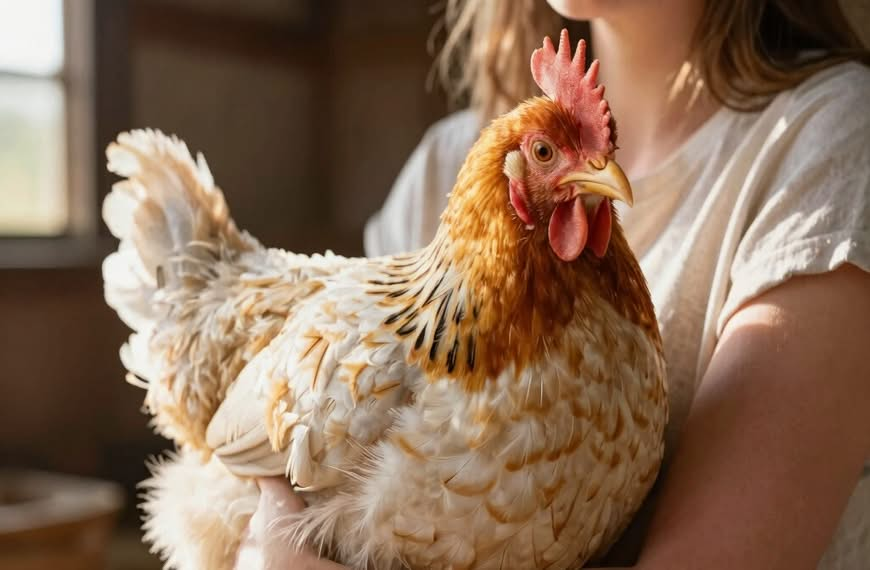
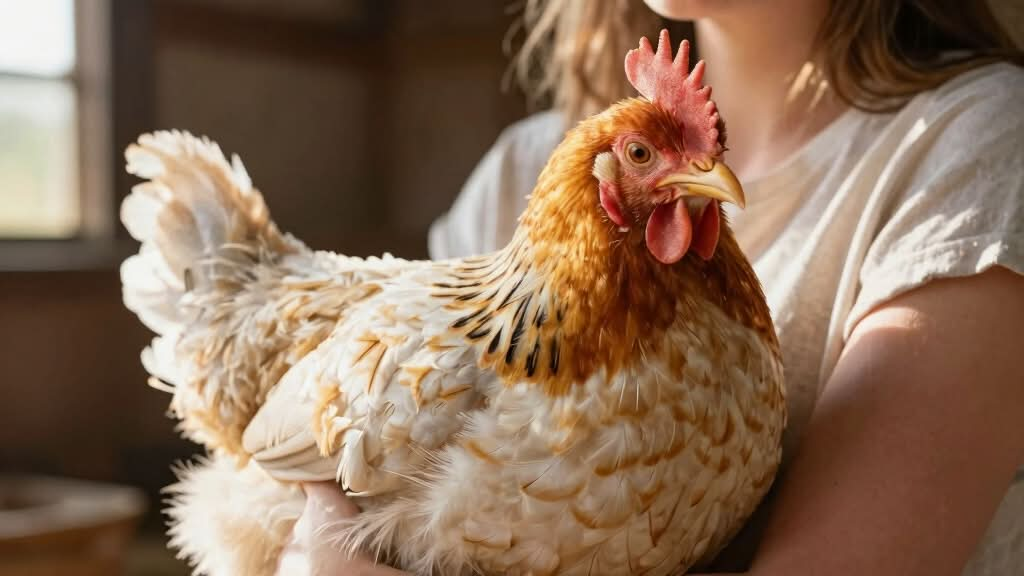
Wyandotte chickens tolerate handling well when socialized from a young age but aren’t naturally cuddly like some Silkies or Cochins. Regular gentle handling from chick stage creates friendlier adults; birds raised with minimal human contact remain more aloof.
What predators threaten Wyandotte chickens?
Wyandotte chickens face the same predators as all chicken breeds: foxes, coyotes, raccoons, hawks, owls, weasels, and domestic dogs. Secure coops with hardware cloth (not chicken wire), buried aprons to prevent digging, and automatic doors provide essential protection.
Can Wyandotte chickens live with ducks?
Wyandotte chickens can live with ducks in mixed flocks, though separate housing is ideal because ducks create excessive moisture that causes respiratory issues in chickens. If housing together, provide excellent ventilation, separate water sources, and elevated dry areas for chickens.
How do you tell if a Wyandotte is a rooster or hen?
Wyandotte chicks can be sexed at 8-12 weeks when roosters develop larger, redder combs and wattles, pointed saddle and hackle feathers, and longer tail feathers. Roosters also stand more upright and begin practicing crowing around 12-16 weeks.
Conclusion
The Wyandotte chicken breed profile reveals a versatile, hardy dual-purpose bird that excels in backyard flocks across diverse climates and management styles. With 200-240 brown eggs annually, exceptional cold tolerance, calm temperament, and stunning laced plumage, Wyandottes deliver the balanced production and low-maintenance care that backyard keepers value.
Whether you’re a beginner seeking a forgiving first breed or an experienced keeper adding to a mixed flock, Wyandottes offer reliable performance without demanding specialized care. Their adaptability to confinement makes them suitable for small urban backyards, while their foraging ability and hardiness serve homesteaders and rural keepers equally well.
Next steps for adding Wyandottes to your flock:
- Verify local regulations: Check municipal ordinances for flock size limits, rooster restrictions, and coop setback requirements
- Prepare housing: Ensure coop meets minimum space requirements (4 square feet per bird) with predator-proof construction
- Source birds: Order chicks from reputable hatcheries or contact local breeders for heritage genetics and rare color varieties
- Plan integration: If adding to existing flocks, prepare quarantine space and gradual introduction protocol
- Stock supplies: Purchase quality layer feed, feeders, waterers, bedding, and basic health supplies before birds arrive
The Wyandotte’s century-long reputation as a reliable, beautiful, and productive breed continues to earn it a place in backyard flocks throughout North America. For keepers prioritizing a balanced combination of eggs, meat potential, hardiness, and temperament, few breeds match the Wyandotte’s all-around excellence.