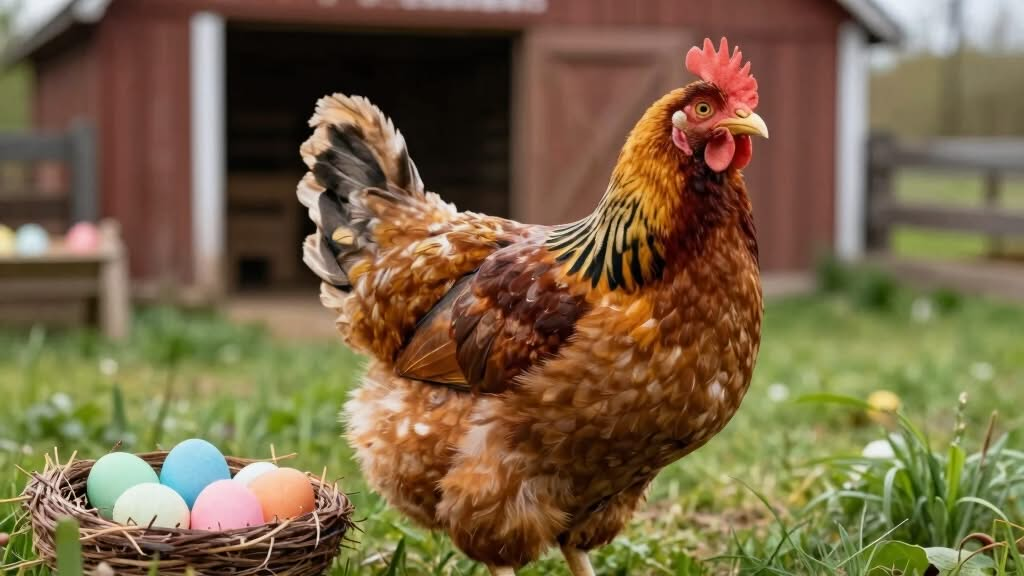
Quick Answer: Easter Egger chickens are friendly, cold-hardy hybrid birds that lay 200-280 colorful eggs per year in shades of blue, green, olive, or occasionally pink. They’re not a recognized breed but a mixed-heritage chicken carrying the blue egg gene, making them affordable ($3-$8 per chick), beginner-friendly, and wonderfully unpredictable in appearance and egg color.
Key Takeaways
- Easter Eggers lay 200-280 eggs annually in blue, green, olive, pink, or brown shades
- They cost $3-$8 per chick, significantly less than purebred Ameraucanas ($15-$25)
- Each hen lays only one egg color throughout her life, determined by genetics
- They’re excellent for beginners due to docile temperament and hardy nature
- Easter Eggers are hybrids, not a standardized breed, so appearance varies widely
- Most have muffs, beards, and pea combs but lack breed consistency
- They rarely go broody compared to heritage breeds
- Cold-hardy down to -10°F with proper shelter
- Common health issues mirror standard chickens: respiratory infections, parasites, egg binding
What Are Easter Egger Chickens?
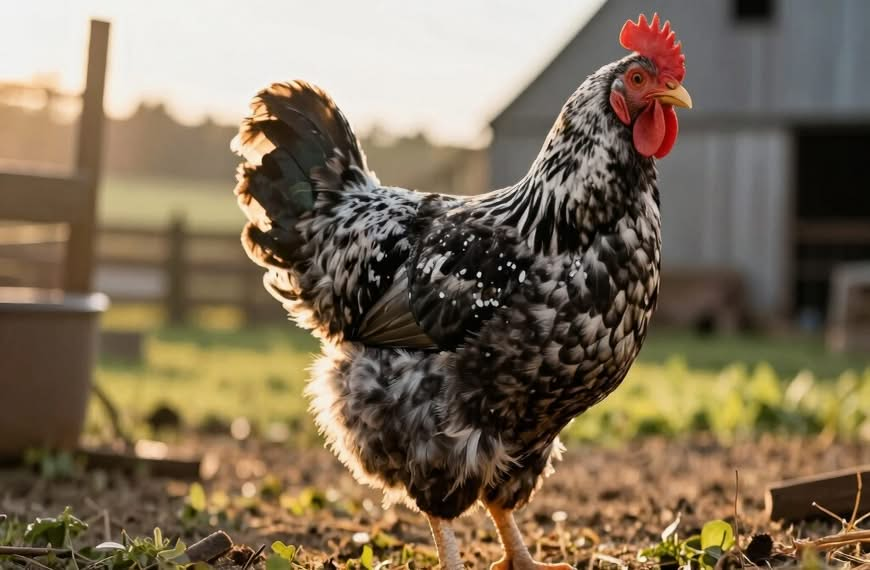
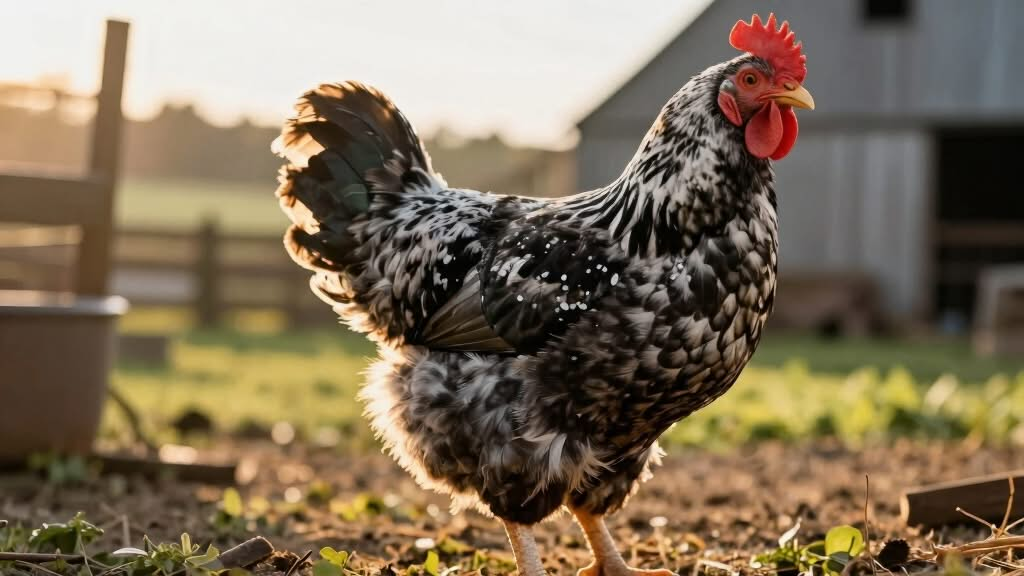
Easter Egger chickens are hybrid birds that carry at least one copy of the blue egg gene, inherited from Araucana or Ameraucana ancestry. They’re not a recognized breed by the American Poultry Association but rather a mixed-heritage chicken bred specifically for colorful egg production. The name “Easter Egger” comes from the rainbow of egg colors they produce, reminiscent of dyed Easter eggs.
Key characteristics that define Easter Eggers:
- Blue egg gene: The defining trait, though not all Easter Eggers lay blue eggs
- Mixed heritage: Typically crosses involving Ameraucana, Araucana, or other breeds
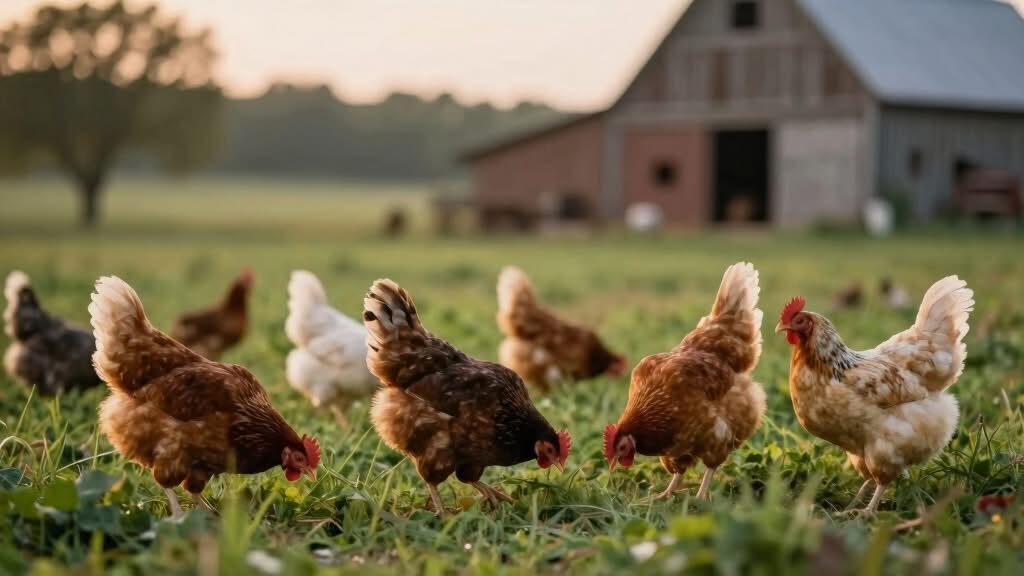
- Variable appearance: No standard for color, size, or exact features
- Muffs and beards: Most (but not all) have fluffy cheek feathers
- Pea comb: Small, low-profile comb that resists frostbite
Because Easter Eggers are hybrids, two Easter Eggers bred together won’t reliably produce Easter Egger offspring. Hatcheries create them by crossing birds with the blue egg gene to other breeds, resulting in the wide variety of colors and patterns seen in flocks today.
Common mistake: Assuming all Easter Eggers will lay blue eggs. The blue egg gene is dominant but incomplete, and when combined with brown egg genetics, it produces green, olive, or even pinkish eggs instead.
How Many Eggs Do Easter Egger Chickens Lay Per Year?
Easter Egger chickens lay between 200 and 280 eggs annually, averaging about 4-5 eggs per week during peak production. This places them solidly in the “good layer” category, comparable to popular production breeds like Rhode Island Reds or Barred Rocks.
Egg production timeline:
- Months 1-5: Pullets (young hens) mature and prepare to lay
- Months 5-7: First eggs appear, often smaller and irregular
- Months 8-18: Peak production at 4-5 eggs weekly
- Year 2-3: Production remains strong at 3-4 eggs weekly
- Year 4+: Gradual decline to 2-3 eggs weekly
Production varies based on daylight hours, nutrition, stress levels, and individual genetics. Easter Eggers slow or stop laying during winter months unless supplemental lighting extends their “day” to 14-16 hours. Molting (feather replacement) in fall also pauses egg production for 8-12 weeks.
Choose Easter Eggers if: You want consistent colored eggs without the premium price of purebred Ameraucanas, and you’re comfortable with some variation in egg color within your flock.
What Color Eggs Do Easter Egger Chickens Lay?
Easter Egger chickens lay eggs in blue, green, olive, sage, aqua, pink, cream, or light brown, depending on each hen’s unique genetic combination. Each individual hen lays only one color throughout her life, a blue-egg layer won’t suddenly produce green eggs, though shade intensity may vary slightly with diet and season.
Egg color genetics explained:
The blue egg gene (oocyan) deposits a pigment throughout the entire eggshell. Brown pigment (protoporphyrin) is added only to the shell’s outer surface. The combination creates the color spectrum:
- Blue: Blue gene only, no brown overlay
- Green: Blue gene + light brown overlay
- Olive: Blue gene + dark brown overlay
- Pink/cream: Weak blue gene + light brown, or brown gene only
- Brown: No blue gene, brown only
You cannot predict egg color from a chick’s appearance, feather color, or earlobe color in Easter Eggers. The only way to know is to wait until she lays her first egg around 5-6 months of age.
Edge case: Some Easter Eggers carry the blue egg gene recessively (one copy instead of two). These hens may lay brown or cream eggs despite having Ameraucana ancestry, disappointing keepers who expected blue or green eggs.
Easter Egger vs Ameraucana Chicken Differences
Easter Eggers and Ameraucanas both lay colored eggs but differ significantly in breed status, consistency, price, and appearance. Ameraucanas are a recognized purebred with strict standards, while Easter Eggers are hybrids with no breed standard.
| Feature | Easter Egger | Ameraucana |
|---|---|---|
| Breed Status | Hybrid, not recognized | APA-recognized purebred |
| Egg Color | Blue, green, olive, pink, brown | Blue only |
| Appearance | Highly variable | 8 standard color varieties |
| Muffs/Beard | Usually present, not guaranteed | Required by breed standard |
| Chick Price | $3-$8 | $15-$25 |
| Egg Production | 200-280 eggs/year | 180-200 eggs/year |
| Breeding True | No | Yes |
Decision rule: Choose Easter Eggers if you want colorful eggs at a budget price and don’t care about breed purity or show quality. Choose Ameraucanas if you need guaranteed blue eggs, plan to breed or show birds, or want predictable appearance in your flock.
Many hatcheries mislabel Easter Eggers as “Americanas” or “Araucanas” to capitalize on buyer confusion. True Araucanas are rare, rumpless (no tail), and lay blue eggs. If a hatchery sells “Araucanas” for under $10, they’re almost certainly Easter Eggers.
Are Easter Egger Chickens Good for Beginners?
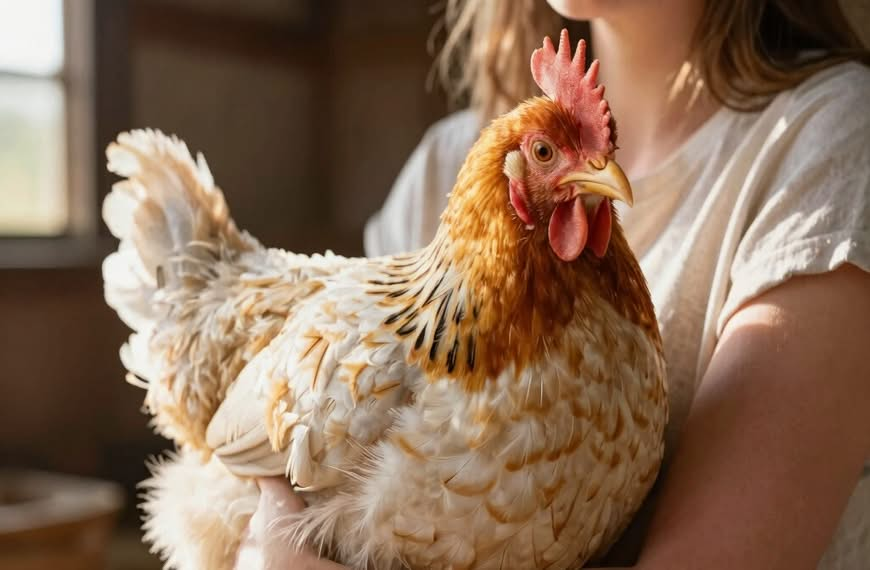
Easter Egger chickens are excellent for beginners because of their friendly temperament, hardiness, forgiving nature, and reliable egg production. They tolerate handling well, adapt to various climates, and don’t require specialized care beyond standard chicken husbandry.
Why Easter Eggers suit new chicken keepers:
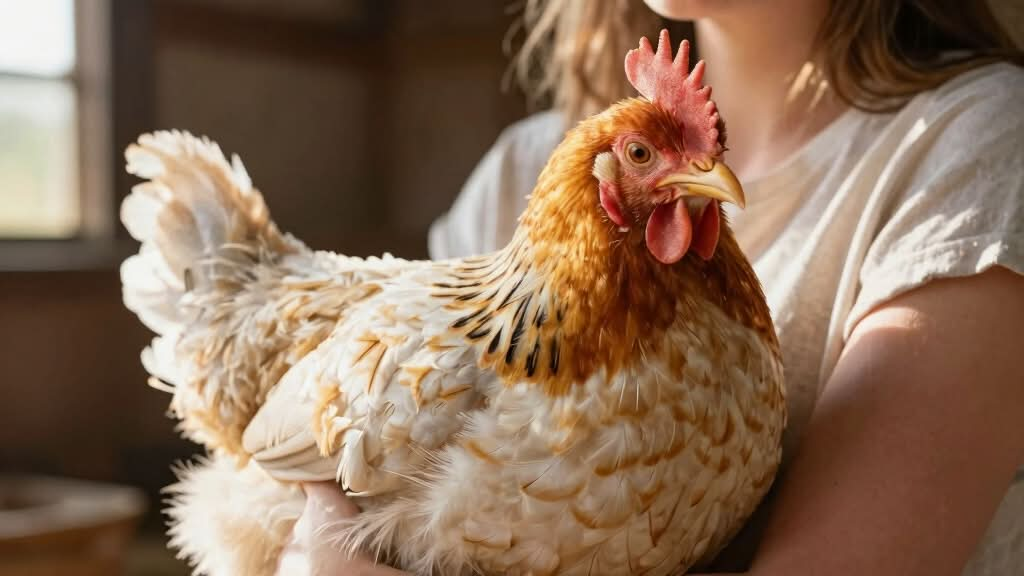
- Docile personality: Calm, curious, and often enjoy human interaction
- Cold-hardy: Pea combs resist frostbite better than large single combs
- Heat-tolerant: Handle warm climates reasonably well with shade and water
- Forgiving of mistakes: Resilient to minor husbandry errors
- Low maintenance: No special dietary or housing requirements
- Consistent layers: Provide steady egg production without fussiness
- Affordable: Low initial investment reduces financial risk
Easter Eggers rank among the most beginner-friendly breeds alongside Buff Orpingtons, Australorps, and Plymouth Rocks. They’re less flighty than Leghorns, less aggressive than some game breeds, and more productive than many ornamental breeds.
Common beginner mistake: Expecting all Easter Eggers to be lap chickens. While many are friendly, individual personality varies. Some Easter Eggers remain aloof or skittish despite regular handling, especially if not socialized as chicks.
How Much Do Easter Egger Chickens Cost?
Easter Egger chicks cost between $3 and $8 each from hatcheries, with pullets (young hens) ranging from $15 to $30 and mature laying hens priced at $25 to $50. Prices vary by region, season, and whether you’re buying from a hatchery, local breeder, or farm store.
Cost breakdown by source:
- Large hatcheries: $3-$5 per chick (minimum orders often required)
- Local farm stores: $4-$8 per chick (spring availability)
- Small breeders: $5-$10 per chick (better quality, limited quantity)
- Started pullets: $15-$30 (16-20 weeks old, near laying age)
- Laying hens: $25-$50 (already producing eggs)
Additional first-year costs to budget:
- Coop and run: $300-$1,500 (DIY to pre-built)
- Feeder and waterer: $20-$60
- Bedding: $10-$20 monthly
- Feed: $15-$25 monthly per 3-4 hens
- Health supplies: $30-$50 initial setup
Easter Eggers are among the most affordable colored-egg layers. Comparable breeds like Olive Eggers cost $8-$15 per chick, while purebred Ameraucanas run $15-$25, and rare breeds like Cream Legbars can exceed $30 per chick.
Money-saving tip: Order straight-run chicks (unsexed) for $2-$4 each instead of sexed pullets. You’ll get roughly 50% roosters, but if you can rehome or process them, the per-hen cost drops significantly.
Easter Egger Chicken Temperament and Personality
Easter Egger chickens typically display friendly, curious, and calm temperaments, making them pleasant backyard companions. Most tolerate handling well, coexist peacefully in mixed flocks, and show moderate interest in human interaction, though individual personalities range from cuddly to independent.
Typical Easter Egger personality traits:
- Friendly but not clingy: Enjoy treats from hands but don’t demand constant attention
- Curious explorers: Investigate new objects, plants, and visitors
- Moderate activity level: Active foragers but not hyperactive or flighty
- Good with children: Patient with gentle handling, rarely aggressive
- Flock harmony: Get along well with other breeds and temperaments
- Vocal but not loud: Soft clucking and egg songs, not excessive noise
Personality variation factors:
Individual Easter Egger personalities vary more than purebreds because of their mixed genetics. Early socialization strongly influences temperament, chicks handled daily from hatch become friendlier adults. Roosters tend to be protective but not typically aggressive unless poorly bred or stressed.
Choose Easter Eggers if: You want chickens that are pleasant to be around without being overly dependent, and you’re okay with some personality variation within your flock.
Edge case: Occasionally an Easter Egger inherits a flighty or nervous temperament from game bird ancestry in their background. These individuals remain skittish despite socialization and prefer to avoid human contact.
Do Easter Egger Chickens Go Broody?
Easter Egger chickens rarely go broody compared to heritage breeds, with only 10-20% of hens showing broody behavior during their lifetime. When they do go broody, they make attentive mothers but may break from the nest more easily than dedicated broody breeds like Silkies or Cochins.
Broodiness in Easter Eggers:
Broodiness (the instinct to sit on eggs and hatch chicks) has been largely bred out of production-focused hybrids. Easter Eggers prioritize egg laying over maternal behavior, making them reliable layers but inconsistent mothers.
Signs of broodiness:
- Hen refuses to leave nest box
- Flattens body and puffs feathers when approached
- Pecks or growls at hands reaching under her
- Stops laying new eggs
- Plucks breast feathers to create bare brood patch
If you want Easter Eggers to hatch chicks:
Select hens from lines that show broody tendencies, or plan to use an incubator for hatching. Some Easter Eggers with Cochin, Orpington, or Brahma genetics go broody more reliably than those with Leghorn or production breed backgrounds.
Decision rule: Choose Easter Eggers if consistent egg production matters more than natural hatching. Choose Silkies, Cochins, or Orpingtons if you want reliable broody hens for raising chicks naturally.
Common Health Problems in Easter Egger Chickens
Easter Egger chickens experience the same common health issues as other backyard breeds, including respiratory infections, external parasites, egg binding, and bumblefoot. They don’t have breed-specific genetic disorders but can inherit health tendencies from their mixed ancestry.
Most common health issues:
Respiratory infections (Mycoplasma, infectious bronchitis): Symptoms include sneezing, nasal discharge, eye bubbles, and reduced egg production. Prevent with good ventilation, dry bedding, and quarantine of new birds. Treatment requires veterinary antibiotics for bacterial infections.
External parasites (mites, lice): Cause feather loss, skin irritation, pale combs, and reduced laying. Check under wings and around vent monthly. Treat with poultry dust or permethrin spray, and clean coop thoroughly.
Egg binding: Occurs when an egg becomes stuck in the oviduct, more common in young pullets or overweight hens. Signs include straining, lethargy, and sitting in a penguin-like posture. Requires immediate intervention with warm baths and lubrication, or veterinary assistance.
Bumblefoot: Bacterial infection in the foot pad from cuts or rough roosts. Appears as a black scab or swelling on the foot bottom. Prevent with smooth roosts and clean bedding. Treatment involves soaking, draining, and antibiotics.
Prevention checklist:
- Provide 4 square feet per bird in coop, 10 square feet in run
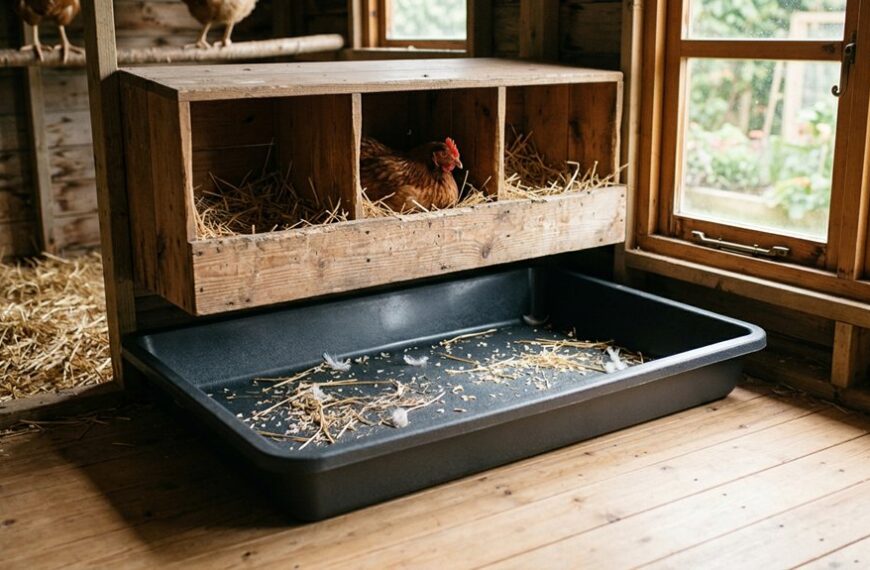
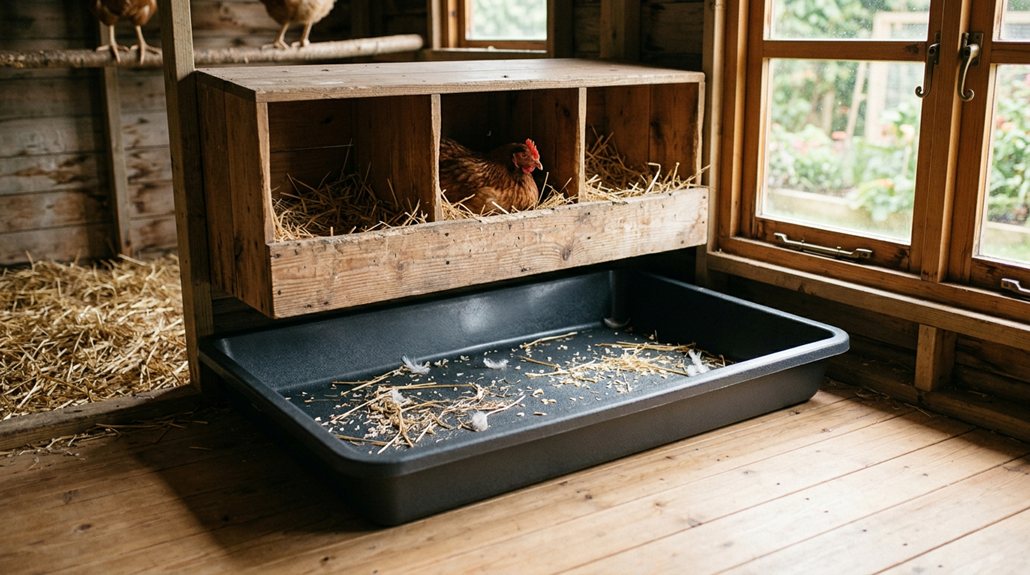
- Ensure one nest box per 3-4 hens
- Offer layer feed with 16-18% protein and calcium supplement
- Keep water clean and accessible year-round
- Inspect birds weekly for parasites, injuries, or behavior changes
- Quarantine new birds for 30 days before flock introduction
Common mistake: Ignoring early respiratory symptoms. Mycoplasma spreads rapidly through flocks and becomes chronic, reducing lifetime egg production even after symptoms resolve.
Why Did My Easter Egger Stop Laying Blue Eggs?
If your Easter Egger stopped laying blue (or green/olive) eggs and started laying brown or cream eggs, she’s likely a different hen than you thought, or you have a new layer in the flock. Individual hens don’t change egg color mid-life, genetics determine shell color permanently.
Reasons for perceived egg color change:
Multiple hens laying: The most common explanation. If you have several Easter Eggers, you may have assumed all were laying blue/green eggs when only one or two actually were. When those hens molt, go broody, or slow production, you notice the brown eggs from other hens.
New hen started laying: A pullet who recently matured may be laying brown eggs while your blue-egg layer is temporarily out of production due to molting, stress, or seasonal slowdown.
Egg color intensity variation: Blue and green eggs can appear lighter or darker based on diet (especially calcium and protein levels), hydration, and time between eggs. A pale blue egg might look almost white in certain lighting, but it’s still the same genetic color.
Hen stopped laying entirely: Your blue-egg layer may have stopped producing due to age, illness, stress, or molt. The brown eggs you’re seeing come from different hens in the flock.
Troubleshooting steps:
- Mark each hen with a leg band or poultry marker in different colors
- Check nest boxes multiple times daily to catch hens in the act
- Separate hens overnight and collect morning eggs individually
- Count total eggs against number of hens to identify non-layers
Edge case: Very rarely, oviduct infections or damage can affect pigment deposition, causing eggs to appear paler or lose color entirely. This usually accompanies other symptoms like soft shells, blood spots, or irregular laying.
Best Chicken Breeds for Colored Eggs Besides Easter Eggers
Several breeds lay colorful eggs if you want variety beyond Easter Eggers, including Ameraucanas (blue), Marans (dark chocolate brown), Olive Eggers (olive green), Cream Legbars (sky blue), and Welsummers (terracotta with speckles).
Top colored-egg breeds:
Ameraucana ($15-$25/chick): Purebred blue egg layers with consistent color, recognized breed standard, and eight color varieties. Lay 180-200 eggs annually. Best for those wanting guaranteed blue eggs and breed purity.
Marans ($8-$15/chick): French breed laying dark chocolate brown eggs rated 4-9 on the Marans egg color scale. Black Copper Marans produce the darkest eggs. Lay 150-200 eggs annually. Color fades slightly through laying season.
Olive Egger ($8-$15/chick): Hybrid cross between blue egg layer (Ameraucana/Easter Egger) and dark brown layer (Marans). Produces olive to sage green eggs. Lay 180-220 eggs annually. Color varies by parent genetics.
Cream Legbar ($20-$35/chick): Auto-sexing British breed laying sky blue eggs. Chicks can be sexed at hatch by down color. Lay 180-220 eggs annually. Active, good foragers, less docile than Easter Eggers.
Welsummer ($6-$12/chick): Dutch breed laying terracotta brown eggs with dark speckles. Lay 160-180 eggs annually. Friendly, cold-hardy, beautiful partridge coloring.
Creating a rainbow egg basket:
Combine Easter Eggers (blue/green), Marans (chocolate), Welsummers (speckled terracotta), and Cream Legbars (sky blue) for maximum color variety. Add standard brown layers like Rhode Island Reds for consistent production.
Are Easter Egger Chickens Cold Hardy?
Easter Egger chickens are very cold-hardy and handle winter temperatures down to -10°F with proper shelter, thanks to their pea combs, dense feathering, and muffs that protect facial areas from frostbite. They’re better suited to cold climates than heat, though they adapt reasonably well to both.
Cold-weather advantages:
- Pea comb: Small, close to head, less surface area for frostbite than large single combs
- Muffs and beard: Insulate face and wattles against freezing wind
- Dense plumage: Thick feather coverage traps body heat effectively
- Active foragers: Movement generates body heat even in cold weather
Winter care requirements:
Provide a draft-free (but ventilated) coop with dry bedding, unfrozen water access, and extra calories from scratch grains or cracked corn in evening. Egg production typically slows or stops in winter without supplemental lighting (14-16 hours of light daily).
Frostbite prevention:
Apply petroleum jelly to combs and wattles during extreme cold snaps, ensure coop ventilation prevents moisture buildup, and avoid heat lamps that create dangerous temperature swings and fire risk.
Heat tolerance:
Easter Eggers handle heat moderately well but need shade, cool water, frozen treats, and good ventilation during summer. Their muffs and beards can trap heat, so watch for panting or wing-spreading on very hot days (above 90°F).
Choose Easter Eggers if: You live in cold-winter regions (USDA zones 3-6) and want reliable layers that don’t require heated coops or extensive winter protection.
Mistakes to Avoid When Raising Easter Egger Chickens
The most common mistakes when raising Easter Eggers include expecting uniform egg colors, overcrowding coops, feeding incorrect diets, and assuming all will be friendly lap chickens. Avoiding these errors ensures healthier, more productive birds.
Top mistakes and solutions:
Expecting all hens to lay blue or green eggs: Easter Eggers carry varied genetics. Some lay brown, cream, or pink eggs despite having muffs and beards. Solution: Accept color variety or buy from breeders who hatch-test parent stock for blue/green eggs.
Overcrowding: Cramming too many birds into small spaces causes stress, pecking, disease, and reduced laying. Solution: Provide minimum 4 square feet per bird in coop, 10 square feet in run, and 1 nest box per 3-4 hens.
Feeding layer feed too early: Layer feed’s high calcium content damages developing kidneys in chicks under 16 weeks. Solution: Feed starter (0-8 weeks), grower (8-16 weeks), then layer feed (16+ weeks). Offer oyster shell free-choice instead of mixing into feed.
Ignoring biosecurity: Introducing new birds without quarantine spreads respiratory diseases that become chronic flock problems. Solution: Quarantine all new birds for 30 days, 50+ feet from existing flock, watching for symptoms.
Expecting lap chickens without socialization: Easter Eggers can be friendly but won’t become cuddly without regular handling from chick stage. Solution: Handle chicks daily, offer treats by hand, and spend time sitting quietly in the run.
Skipping health checks: Small problems become serious when ignored. Solution: Inspect each bird weekly for weight loss, parasites, injuries, vent health, and behavior changes.
Using cedar bedding: Cedar oils irritate respiratory systems. Solution: Use pine shavings, straw, or sand for bedding and litter.
How to Tell If a Chick Is an Easter Egger
You can identify Easter Egger chicks by looking for muffs (cheek puffs), beards (throat feathers), pea combs, and varied down colors, though these features aren’t guaranteed since Easter Eggers lack breed standards. The most reliable confirmation is waiting until the hen lays her first egg around 5-6 months old.
Visual clues in chicks:
Muffs and beard development: Most Easter Egger chicks show small feather tufts on cheeks and under the beak by 2-3 weeks old. These grow into the characteristic fluffy face of adults. Not all Easter Eggers have prominent muffs, especially those with more production breed genetics.
Pea comb: Visible by 4-6 weeks as a small, bumpy comb with three ridges instead of the single blade of standard combs. Pea combs stay small and close to the head throughout life.
Leg color: Varies widely, slate blue, green, yellow, or willow. Leg color doesn’t predict egg color reliably in Easter Eggers.
Down color: Easter Egger chicks come in every color, black, brown, yellow, chipmunk-striped, blue, splash, white. Color variety is normal and expected.
What you can’t determine from chicks:
- Egg color: No physical trait predicts whether a chick will lay blue, green, olive, or brown eggs
- Adult size: Easter Eggers range from 4-7 pounds at maturity depending on parent genetics
- Exact appearance: Feather color and pattern change dramatically from chick down to adult plumage
Hatchery identification: Reputable hatcheries label Easter Eggers clearly. If chicks are sold as “Americanas,” “Araucanas,” or “rainbow layers” at budget prices, they’re Easter Eggers. True Ameraucanas and Araucanas cost significantly more and come from specialized breeders.
Decision rule: If you need guaranteed blue eggs or specific appearance, buy from breeders who can show parent stock and egg colors. If you enjoy surprises and want affordable colored eggs, Easter Egger chicks are perfect despite the uncertainty.
Frequently Asked Questions
What age do Easter Egger chickens start laying eggs?
Easter Eggers typically start laying between 5 and 7 months of age, with most pullets beginning around 6 months. Factors like nutrition, daylight hours, and individual genetics affect timing. First eggs are often small and may have irregular shapes or soft shells.
Can you eat Easter Egger chickens for meat?
Yes, Easter Eggers are edible but not ideal meat birds. They’re smaller than meat breeds (4-6 pounds dressed weight) and take longer to reach processing size. Most keepers raise them exclusively for eggs, though older hens can be processed for stew meat.
Do Easter Egger roosters crow loudly?
Easter Egger roosters crow at typical volume, comparable to other standard breeds. They’re not notably louder or quieter than Rhode Island Red or Orpington roosters. Crowing begins around 4-5 months and occurs throughout the day, especially at dawn.
How long do Easter Egger chickens live?
Easter Eggers live 8-10 years on average with good care, though egg production declines significantly after year 3-4. Some individuals reach 12+ years. Predators, disease, and accidents are more common causes of death than old age in backyard flocks.
Can Easter Eggers live with other chicken breeds?
Yes, Easter Eggers integrate well into mixed flocks and coexist peacefully with most breeds. Their calm temperament makes them good flock mates. Introduce new birds gradually using a see-but-not-touch barrier for 1-2 weeks before full integration.
Do Easter Egger eggs taste different from white or brown eggs?
No, egg shell color doesn’t affect flavor. Taste depends on diet, freshness, and hen health. Easter Egger eggs taste identical to brown or white eggs when hens eat the same feed. Pasture-raised eggs of any color have richer flavor than confined hens.
Why are my Easter Egger’s eggs getting lighter in color?
Egg color naturally fades slightly as hens age and progress through their laying cycle. The first eggs after molt are often darkest. Stress, poor nutrition, or illness can also reduce pigment intensity. The change is normal and doesn’t indicate health problems unless accompanied by other symptoms.
Can you show Easter Egger chickens in poultry shows?
Easter Eggers cannot compete in American Poultry Association sanctioned shows because they’re not a recognized breed. Some county fairs and 4-H shows have “barnyard mix” or “pet” categories where Easter Eggers can participate. They’re bred for utility, not exhibition.
How much space does an Easter Egger chicken need?
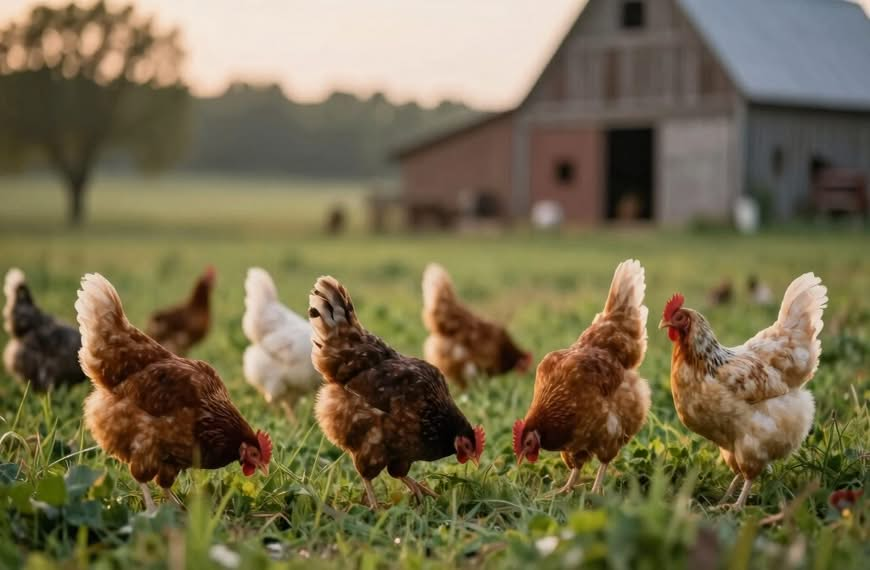
Provide minimum 4 square feet per bird inside the coop and 10 square feet per bird in the outdoor run. More space reduces stress, pecking, and disease. Free-range Easter Eggers thrive with unlimited outdoor access during daylight hours.
Do Easter Eggers need special feed?
No, Easter Eggers eat standard chicken feed. Provide chick starter (0-8 weeks), grower (8-16 weeks), and layer feed (16+ weeks) with 16-18% protein. Offer oyster shell free-choice for calcium. Treats should comprise less than 10% of total diet.
Can Easter Egger hens lay eggs without a rooster?
Yes, hens lay eggs without a rooster present. These eggs are unfertilized and perfect for eating. Roosters are only necessary if you want to hatch chicks. Hens lay the same number of eggs whether or not a rooster is in the flock.
Why is my Easter Egger losing feathers?
Feather loss typically indicates molting (annual feather replacement), parasites (mites or lice), or pecking from flock mates. Molting occurs in fall and lasts 8-12 weeks. Check for parasites under wings and around vent. Separate birds showing aggressive pecking behavior.
Conclusion
Easter Egger chickens deliver colorful eggs, friendly personalities, and beginner-friendly care requirements at an affordable price point. While they lack the breed consistency of purebred Ameraucanas, their hybrid vigor, cold-hardiness, and reliable production of 200-280 eggs annually make them excellent backyard flock additions. Expect variety in both appearance and egg color, that unpredictability is part of their charm.
Next steps for adding Easter Eggers to your flock:
- Source chicks or pullets from reputable hatcheries or local breeders in early spring for best selection
- Prepare housing with 4 square feet per bird in the coop and 10 square feet in the run before birds arrive
- Stock supplies: chick starter or layer feed (depending on age), waterer, feeder, bedding, and heat source for chicks
- Plan for variety: Order multiple Easter Eggers if you want a rainbow egg basket, knowing each hen lays only one color
- Practice patience: Wait 5-7 months to discover each hen’s egg color, and accept that some may lay brown instead of blue
Easter Eggers reward keepers with years of colorful eggs and pleasant companionship. Their forgiving nature makes mistakes less costly for beginners, while their productivity satisfies experienced keepers seeking reliable layers. Whether you’re starting your first flock or adding color to an existing one, Easter Eggers rarely disappoint.