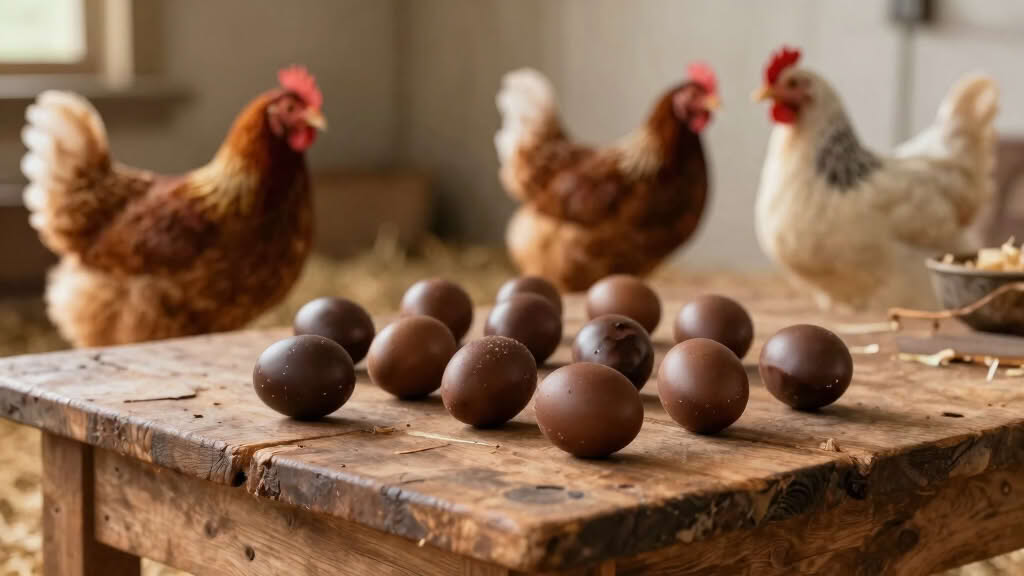
Quick Answer: The chicken breeds that lay the darkest brown eggs are Black Copper Marans, Cuckoo Marans, Welsummers, Barnevelders, and Penedesencas. Black Copper Marans consistently produce the deepest chocolate-colored eggs, often rated 4-9 on the Marans egg color scale, while Welsummers and Barnevelders lay medium to dark terracotta-brown eggs. These breeds are prized by backyard chicken keepers specifically for their rich egg color, though darkness can vary by individual hen and breeding line.
Key Takeaways
- Black Copper Marans lay the darkest brown eggs of any chicken breed, with chocolate-colored shells rated 4-9 on the Marans scale
- Welsummers produce speckled, terracotta-brown eggs that are slightly lighter than Marans but still notably dark
- Barnevelders lay consistent dark brown eggs and are excellent dual-purpose birds for beginners
- Dark egg color fades as hens age and through laying cycles; the first eggs of spring are typically darkest
- Egg shell color is purely cosmetic and does not affect nutritional value compared to white or light brown eggs
- Most dark brown egg layers cost $5-$25 as chicks, with premium breeding lines for darkest eggs ranging $25-$75
- Cold-hardy breeds like Marans, Barnevelders, and Welsummers all lay dark eggs and thrive in northern climates
- Dark brown egg layers do not require special feed, though calcium supplementation supports shell quality
- Marans typically lay 150-200 dark brown eggs per year, or about 3-4 eggs per week
- Buying from reputable breeders who track egg color genetics ensures you get the darkest eggs possible
What Chicken Breeds Lay the Darkest Brown Eggs?
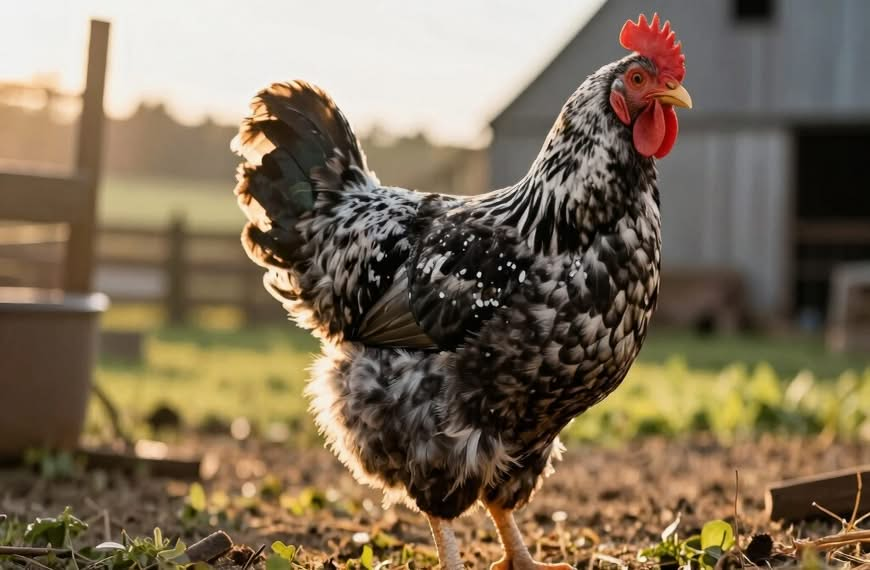
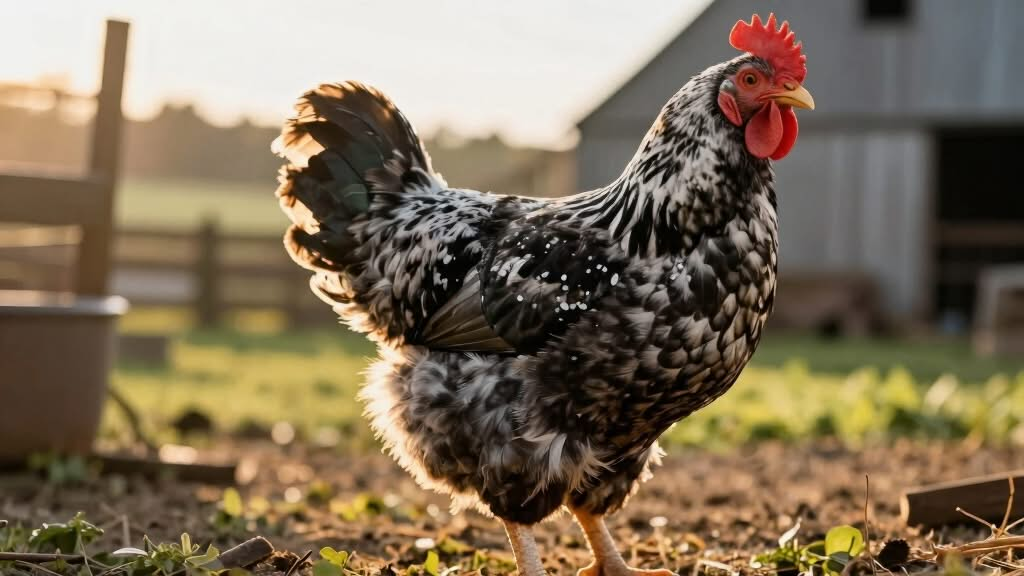
Black Copper Marans consistently lay the darkest brown eggs of any chicken breed, with shells ranging from deep reddish-brown to chocolate. Cuckoo Marans, Welsummers, Barnevelders, and Penedesencas also produce notably dark eggs, though typically lighter than Black Copper Marans.
The Marans breed (originating from Marans, France) is the gold standard for dark egg color. Within the Marans family, Black Copper Marans are most prized, followed by Cuckoo, Blue Copper, and Splash varieties. French breeding lines tend to produce darker eggs than English or American lines because French standards prioritize egg color more heavily.
Welsummers lay beautiful terracotta-brown eggs with darker speckles, creating an attractive mottled appearance. While not quite as dark as top-quality Marans, Welsummers are excellent layers and more readily available to backyard chicken keepers.
Barnevelders produce consistent dark brown eggs without speckles. This Dutch breed is known for reliability and cold hardiness, making them practical for beginners who want dark eggs without the fussiness sometimes associated with Marans.
Penedesencas (a Spanish breed) lay very dark reddish-brown eggs and are less common in North America but gaining popularity among enthusiasts seeking rare dark-egg layers.
Common mistake: Assuming all hens within these breeds will lay equally dark eggs. Egg color varies significantly based on individual genetics, breeding line quality, hen age, and time of year. Even within a single breed, some hens will lay noticeably lighter eggs than their sisters.
Difference Between Marans and Welsummer Egg Color
Marans eggs are typically darker and more uniformly chocolate-brown, while Welsummer eggs are lighter terracotta-brown with distinctive dark speckles and mottling. On the Marans egg color scale (1-9, with 9 being darkest), top Black Copper Marans lay 7-9 rated eggs, while Welsummers typically produce eggs rated 4-6.
The texture and finish also differ. Marans eggs often have a matte, velvety appearance when freshly laid, while Welsummer eggs have a slightly glossier finish with their characteristic speckled pattern. The speckles on Welsummer eggs are actually pigment deposits applied in the final stage of egg formation.
Consistency matters: Marans from quality breeding lines maintain darker egg color more consistently throughout the laying season, though all dark-egg layers produce lighter eggs as they age and during peak laying periods. Welsummers tend to have more variation in speckle intensity from egg to egg.
Choose Marans if you want the absolute darkest, most chocolate-colored eggs and are willing to pay premium prices for quality breeding stock. Choose Welsummers if you want attractive dark eggs with character, better availability, and a breed that’s generally easier to find and more affordable.
How Much Do Dark Brown Egg Laying Chickens Cost?
Dark brown egg laying chickens cost $5-$10 for standard hatchery chicks, $15-$25 for quality breeding stock chicks, and $25-$75 for premium lines bred specifically for darkest egg color. Started pullets (young hens near laying age) range from $25-$50 for standard quality and $50-$150 for show-quality birds from champion egg-color lines.
Price breakdown by source:
- Hatchery chicks (mail-order, standard quality): $5-$10 per chick for Marans, Welsummers, or Barnevelders
- Local breeder chicks (improved genetics): $15-$30 per chick
- Premium breeder chicks (darkest egg lines, show quality): $25-$75 per chick
- Started pullets (16-20 weeks old): $30-$150 depending on quality and breed
- Laying hens (already producing eggs): $40-$200, with premium for proven dark egg layers
Additional costs to consider: Shipping for mail-order chicks adds $15-$50, and most hatcheries require minimum orders of 4-6 chicks. Vaccination, feed, housing, and supplies add to the total investment in your flock.
Best value approach: Purchase 4-6 chicks from a reputable breeder who shares photos of parent stock eggs. This gives you genetic diversity while ensuring good egg color without paying top show-line prices. Expect to pay $20-$30 per chick for reliably dark eggs.
Why Are My Dark Brown Eggs Getting Lighter in Color?
Dark brown eggs get lighter as hens age, during peak laying periods, in hot weather, and as the laying season progresses. The first eggs a pullet lays are typically her darkest, and egg color gradually fades with each subsequent egg until she molts and resets her reproductive cycle.
Primary causes of lighter egg color:
- Hen age: First-year layers produce the darkest eggs; color fades 10-20% in year two and continues declining
- Laying frequency: Hens laying daily produce lighter eggs than those laying every other day because pigment glands need time to replenish
- Season: Spring eggs after a winter rest are darkest; late summer eggs are typically lightest
- Heat stress: High temperatures reduce pigment deposition
- Genetics: Some hens simply have weaker pigment genes regardless of conditions
Molting resets color: After the annual molt (typically fall), when hens stop laying for 8-12 weeks and regrow feathers, egg color returns to near-original darkness. This is why many breeders evaluate egg color in spring after molt, not during peak summer production.
What won’t help: Changing feed, adding supplements, or adjusting lighting will not darken egg color. Shell pigment (protoporphyrin) is genetically determined and deposited by specialized cells in the shell gland. Nutrition affects shell strength and thickness but not color intensity.
Realistic expectations: Even the best Marans will lay noticeably lighter eggs by late summer of their first year. This is normal and doesn’t indicate health problems.
Best Chicken Breed for Chocolate Colored Eggs
Black Copper Marans from French breeding lines are the best chicken breed for chocolate-colored eggs, consistently producing the darkest shells rated 7-9 on the Marans egg color scale. For the absolute darkest eggs, purchase from breeders who specialize in egg color and can provide photos of parent stock eggs rated 8 or higher.
Why Black Copper Marans excel:
- Bred specifically for dark egg color for over 100 years
- French standard requires minimum egg color rating for breeding stock
- Genetic selection has concentrated pigment-producing genes
- Well-established breeding programs track and improve egg color
Runner-up breeds for chocolate eggs:
- Cuckoo Marans: Nearly as dark as Black Copper, easier to sex as chicks
- Blue Copper Marans: Slightly lighter eggs but stunning blue plumage
- Penedesencas: Very dark reddish-brown eggs, rare but impressive
Critical factor: Breeding line matters more than breed alone. A poorly-bred Black Copper Marans may lay lighter eggs than a well-bred Welsummer. Always ask breeders for egg color photos from parent stock, and look for breeders who participate in shows or breed specifically for egg color rather than just selling “Marans” generically.
Beginner tip: If you’re new to chickens, consider starting with Barnevelders or Welsummers. While not quite as dark as top Marans, they’re more forgiving, widely available, and still produce impressively dark eggs that will delight you.
Do Dark Brown Egg Layers Need Special Feed?
Dark brown egg layers do not need special feed beyond standard layer ration. Egg shell color is determined by genetics, not diet, so no feed additive will darken eggs. However, all laying hens benefit from 16-18% protein layer feed, free-choice calcium (oyster shell), and clean water to support overall egg production and shell quality.
Standard feeding for dark egg layers:
- Layer feed (16-18% protein): Provides balanced nutrition for egg production
- Free-choice calcium: Oyster shell or crushed eggshells in a separate container
- Grit: Insoluble granite grit if birds don’t free-range
- Fresh water: Always available, especially during hot weather
- Treats: Limited to 10% of diet (scratch grains, vegetables, mealworms)
What affects shell quality (not color):
- Calcium availability determines shell thickness and strength
- Vitamin D3 helps calcium absorption
- Protein levels support overall egg production
- Stress, heat, and illness can cause thin or weak shells
Marketing myth: Some feed companies market products claiming to enhance egg color. These may deepen yolk color (through added marigold or other carotenoids) but cannot change shell color, which is genetically fixed and applied by specialized cells in the shell gland.
When to supplement: If you notice thin shells, soft shells, or shell-less eggs, increase calcium availability and ensure hens are getting adequate vitamin D3 through sunshine or supplementation. This improves shell quality but won’t darken color.
Are Dark Brown Eggs Better Than White Eggs Nutritionally?
Dark brown eggs are not nutritionally better than white eggs. Shell color is determined by breed genetics and has no impact on nutritional content, taste, or quality. The nutritional value of any egg depends on the hen’s diet, living conditions, and freshness, not shell color.
Nutritional facts:
- White, light brown, and dark brown eggs have identical protein, fat, and vitamin content when hens eat the same diet
- Shell color comes from pigment (protoporphyrin) deposited on the shell surface and does not affect the interior
- Yolk color (pale yellow to deep orange) reflects diet, not shell color, and indicates carotenoid intake
- Free-range or pasture-raised eggs may have higher omega-3s and vitamins regardless of shell color
Why the myth persists: Dark brown eggs often come from heritage breeds raised in small flocks with better living conditions and varied diets, leading people to associate dark shells with superior quality. The correlation is about farming practices, not shell color itself.
What actually matters for nutrition:
- Hen’s diet: Pasture access, insects, and varied feed improve omega-3 fatty acids and vitamins
- Freshness: Eggs lose quality over time regardless of color
- Storage: Proper refrigeration maintains nutritional value
- Farming method: Free-range and pasture-raised typically offer nutritional advantages
Bottom line: Choose dark brown egg breeds because you love the appearance, not for nutritional superiority. Focus on how hens are raised and fed if nutrition is your priority.
Chicken Breeds That Lay Dark Eggs But Are Cold Hardy
Marans, Barnevelders, and Welsummers all lay dark brown eggs and are excellent cold-hardy breeds suitable for northern climates. These breeds have small combs, dense feathering, and calm temperaments that help them thrive in winter conditions while continuing to produce dark eggs.
Best cold-hardy dark egg layers:
Barnevelders are exceptionally cold-hardy with small single combs, dense feathering, and Dutch origins that prepared them for harsh winters. They lay consistent dark brown eggs year-round and are calm, friendly birds ideal for cold climates.
Marans (all varieties) handle cold well with their moderate-sized combs and heavy bodies. Black Copper Marans have slightly larger combs than Cuckoo Marans, making Cuckoo a better choice for extreme cold. Both continue laying through winter with supplemental light.
Welsummers are cold-tolerant with small single combs and active foraging behavior. They originated in the Netherlands and handle freezing temperatures well while maintaining good egg production and dark egg color.
Cold-weather care tips:
- Provide draft-free (not airtight) coops with good ventilation
- Use petroleum jelly on combs during extreme cold to prevent frostbite
- Ensure water doesn’t freeze using heated bases
- Increase protein and calories in winter feed
- Provide supplemental light (14-16 hours total) to maintain laying
Avoid for cold climates: Mediterranean breeds like Penedesencas have larger combs and lighter builds, making them less suitable for harsh winters despite their dark eggs.
How Many Dark Brown Eggs Per Week Does a Maran Lay?
Marans typically lay 3-4 dark brown eggs per week, totaling 150-200 eggs per year. Production is highest in the first two years, with pullets often laying 4-5 eggs weekly during peak season (spring and early summer) and slowing to 2-3 eggs weekly in winter or during molt.
Production by age:
- First year (pullet): 180-200 eggs, darkest color, most consistent production
- Second year: 150-180 eggs, slightly lighter color, still good production
- Third year and beyond: 100-150 eggs, noticeably lighter color, more irregular laying
Seasonal variation:
- Spring: Peak production, darkest eggs, 4-5 eggs per week
- Summer: Good production, lighter eggs due to heat and frequency, 3-4 per week
- Fall: Declining production, molt period, 1-2 per week or none during molt
- Winter: Reduced production without supplemental light, 2-3 per week with light
Factors affecting production:
- Lighting: Hens need 14-16 hours of light daily to maintain production
- Nutrition: Inadequate protein or calcium reduces laying
- Stress: Predators, overcrowding, or illness interrupt laying
- Broodiness: Marans can go broody, stopping egg production for 3-4 weeks
Comparison to other breeds: Marans are moderate layers compared to production breeds like Leghorns (280-320 eggs/year) but comparable to other heritage breeds. You’re trading quantity for egg color and dual-purpose utility.
Common Mistakes When Raising Chickens for Dark Eggs
The most common mistakes when raising chickens for dark eggs are buying from hatcheries instead of color-focused breeders, expecting all hens to lay equally dark eggs, and judging egg color during peak summer production instead of spring. These errors lead to disappointment when eggs are lighter than expected.
Top mistakes and solutions:
Mistake 1: Buying cheap hatchery stock
Large hatcheries prioritize production and hardiness over egg color. Their Marans often lay medium-brown eggs rated 3-5 instead of the 7-9 you expect. Solution: Buy from small breeders who specialize in egg color and can show parent stock egg photos.
Mistake 2: Expecting consistent darkness year-round
All dark egg layers produce lighter eggs in summer, during peak laying, and as they age. Solution: Evaluate egg color in spring after molt, not during July heat waves. Accept natural variation as normal.
Mistake 3: Culling good layers too quickly
New chicken keepers sometimes sell or cull hens whose eggs lighten, not realizing this is temporary. Solution: Wait for post-molt eggs before deciding a hen doesn’t meet your standards.
Mistake 4: Mixing breeds without tracking individuals
When you have multiple breeds, you can’t tell which hen laid which egg. Solution: Start with one breed or use leg bands to track individual performance.
Mistake 5: Ignoring breeding line quality
Breed name alone doesn’t guarantee dark eggs. Solution: Research breeders, ask about egg color ratings, request photos, and be willing to pay more for proven genetics.
Mistake 6: Overfeeding treats
Excessive treats dilute balanced nutrition and can reduce overall laying. Solution: Limit treats to 10% of diet and prioritize layer feed.
Are Dark Brown Egg Layers Good for Beginners?
Dark brown egg layers like Barnevelders and Welsummers are excellent for beginners, while Marans can be good but require more careful breed selection. Barnevelders are particularly beginner-friendly due to their calm temperament, cold hardiness, consistent laying, and forgiving nature, while still producing impressively dark eggs.
Best dark egg breeds for beginners:
Barnevelders are the top choice for new chicken keepers wanting dark eggs. They’re calm, friendly, cold-hardy, good layers, and less picky about conditions than Marans. Their eggs are reliably dark brown without requiring premium breeding lines.
Welsummers are also beginner-friendly with active, curious personalities and beautiful speckled dark eggs. They’re widely available, affordable, and forgiving of beginner mistakes.
Marans can work for beginners but require more research. Buy from reputable breeders rather than hatcheries, be prepared for potential broodiness, and understand that egg color varies significantly by breeding line. They’re slightly more challenging than Barnevelders but manageable with proper expectations.
Beginner considerations:
- Availability: Barnevelders and Welsummers are easier to find locally than quality Marans
- Cost: Standard Barnevelders and Welsummers cost less than color-selected Marans
- Temperament: All three breeds are generally calm and friendly
- Hardiness: All three handle various climates well
- Expectations: Barnevelders deliver dark eggs with less fuss about breeding lines
Start here: If you’re new to chickens, begin with 4-6 Barnevelders or Welsummers. Once you understand chicken keeping basics, add Marans from a quality breeder if you want even darker eggs.
Do Barnevelders Lay Darker Eggs Than Rhode Island Reds?
Yes, Barnevelders lay significantly darker eggs than Rhode Island Reds. Barnevelders produce dark chocolate-brown eggs rated 5-7 on the Marans scale, while Rhode Island Reds lay medium brown eggs rated 3-4. The difference is immediately visible when comparing eggs side by side.
Visual comparison:
- Barnevelder eggs: Deep, rich brown with chocolate tones, uniform color, matte finish
- Rhode Island Red eggs: Medium brown with slight reddish tint, lighter overall, standard brown egg appearance
Why the difference matters: If your primary goal is dark egg color for visual appeal or selling at farmers markets, Barnevelders are the better choice. If you prioritize maximum egg production (Rhode Island Reds lay 250-300 eggs yearly vs. Barnevelders’ 180-200), choose Rhode Island Reds and accept lighter color.
Other comparisons:
- Barnevelders vs. Welsummers: Similar darkness, but Welsummers have speckles
- Barnevelders vs. Marans: Marans are darker (especially Black Copper), but Barnevelders are more consistent and beginner-friendly
- Barnevelders vs. Easter Eggers: Completely different; Easter Eggers lay blue/green eggs, not brown
Dual-purpose consideration: Both Barnevelders and Rhode Island Reds are good dual-purpose breeds with decent meat production, but Rhode Island Reds grow faster and larger. Barnevelders offer the best balance of dark eggs and meat utility.
Where to Buy Black Copper Marans That Lay Darkest Eggs
Buy Black Copper Marans that lay the darkest eggs from specialized breeders who focus on egg color genetics, participate in poultry shows, and can provide photos of parent stock eggs rated 7 or higher on the Marans egg color scale. Avoid large hatcheries, which prioritize production over egg color and typically produce eggs rated 3-5.
How to find quality breeders:
Poultry shows and exhibitions: Attend local or regional poultry shows where breeders display their birds and eggs. This lets you see egg color in person and connect with serious breeders who compete on color standards.
Breed clubs: The Marans Chicken Club USA maintains breeder directories and standards. Members typically focus on breed quality including egg color.
Online breeder directories: Websites like BackYard Chickens, My Pet Chicken’s breeder directory, and breed-specific Facebook groups connect buyers with small-scale breeders.
Social media: Search Instagram and Facebook for hashtags like #MaransEggs, #BlackCopperMarans, or #DarkEggs to find breeders who showcase their egg color.
Questions to ask breeders:
- Can you provide photos of eggs from parent stock?
- What egg color rating do your hens typically produce?
- Do you breed specifically for egg color or general breed standard?
- What’s your hatching schedule and availability?
- Do you ship, or is local pickup required?
Red flags: Breeders who can’t or won’t show egg photos, claim all their hens lay 9-rated eggs (unrealistic), or price chicks the same as hatcheries likely don’t focus on color genetics.
Expect to pay: $25-$75 per chick for quality color-selected Black Copper Marans, with shipping adding $15-$50. This investment pays off in dramatically darker eggs compared to $5 hatchery chicks.
Do Dark Brown Egg Layers Go Broody More Often?
Dark brown egg layers, particularly Marans and Barnevelders, do tend to go broody more often than production breeds but less than dedicated broody breeds like Silkies or Cochins. Marans go broody occasionally (20-30% of hens per year), Barnevelders less frequently (10-20%), and Welsummers rarely (5-10%), compared to production breeds like Leghorns that almost never go broody.
Broodiness by breed:
- Marans: Moderate broody tendency, especially in spring and summer
- Barnevelders: Low to moderate broody tendency, less than Marans
- Welsummers: Low broody tendency, similar to production breeds
- Penedesencas: Low broody tendency, bred for production
What broodiness means: A broody hen stops laying eggs and sits on a nest constantly, trying to hatch eggs (fertile or not). She’ll puff up, make grumbling sounds, and refuse to leave the nest. Broodiness lasts 3-4 weeks if you let it run its course or can be broken in 3-5 days with intervention.
Managing broodiness:
If you want chicks: Provide fertile eggs (your own or purchased) and let her hatch them. Marans and Barnevelders make good mothers.
If you want eggs: Break broodiness by removing her from the nest, placing her in a wire-bottom cage with food and water for 3-5 days, or using other broody-breaking methods. She’ll resume laying 1-2 weeks after broodiness breaks.
Breed selection tip: If you absolutely don’t want broody hens, choose Welsummers over Marans. If you might want natural hatching occasionally, Marans’ moderate broodiness is actually an advantage.
FAQ
What chicken lays the darkest brown eggs?
Black Copper Marans from French breeding lines lay the darkest brown eggs, with chocolate-colored shells rated 7-9 on the Marans egg color scale. Quality breeding lines focusing on egg color genetics produce the darkest eggs.
Are dark brown eggs healthier than white eggs?
No, dark brown eggs are not healthier than white eggs. Shell color is cosmetic and doesn’t affect nutritional content. Nutrition depends on the hen’s diet and living conditions, not shell color.
Why do my Marans eggs get lighter over time?
Marans eggs get lighter as hens age, during peak laying periods, and through the laying season because pigment glands deplete with frequent egg production. Egg color resets after the annual molt when hens rest and regrow feathers.
How much does a Black Copper Marans chick cost?
Black Copper Marans chicks cost $5-$10 from hatcheries, $15-$25 from standard breeders, and $25-$75 from premium breeders specializing in darkest egg color genetics. Price reflects breeding line quality and expected egg darkness.
Do dark brown egg layers need more calcium?
No, dark brown egg layers need the same calcium as any laying hen: free-choice oyster shell or crushed eggshells alongside layer feed. Shell color is genetic and unaffected by calcium intake, though calcium is essential for shell strength.
Can you make chicken eggs darker brown?
No, you cannot make eggs darker brown through feed, supplements, or management. Egg color is genetically determined and applied by specialized cells in the shell gland. Only selective breeding improves egg color across generations.
What’s the difference between Cuckoo and Black Copper Marans eggs?
Cuckoo and Black Copper Marans lay similarly dark eggs, with Black Copper typically producing slightly darker shells. Both can produce eggs rated 6-9 depending on breeding line quality. Cuckoo Marans are easier to sex as chicks.
Are Welsummer eggs as dark as Marans eggs?
No, Welsummer eggs are lighter than Marans eggs, typically rated 4-6 versus Marans’ 6-9 on the darkness scale. Welsummers produce beautiful terracotta-brown eggs with dark speckles rather than solid chocolate color.
Do Barnevelders lay year-round?
Barnevelders lay year-round with supplemental lighting (14-16 hours daily) but slow production in winter and stop during the annual fall molt. Expect 3-4 eggs weekly in peak season and 1-2 weekly in winter with light.
How long do Marans lay dark eggs?
Marans lay darkest eggs in their first year, with color fading 10-20% in year two and continuing to lighten with age. Most Marans lay acceptably dark eggs for 2-3 years before color becomes noticeably lighter.
Can you eat dark brown eggs immediately after laying?
Yes, you can eat dark brown eggs immediately after laying. Freshly laid eggs are safe and delicious, though some people prefer to wait 24 hours for the egg white to firm up slightly for easier peeling when hard-boiled.
What color eggs do Barnevelder chickens lay?
Barnevelders lay dark chocolate-brown eggs rated 5-7 on the Marans darkness scale. Their eggs are uniformly colored without speckles, with a smooth matte finish and consistent dark brown appearance throughout the laying season.
Conclusion
Chicken breeds that lay dark brown eggs bring beauty and distinction to your egg basket, with Black Copper Marans leading the pack for chocolate-colored shells, followed by Welsummers, Barnevelders, and other heritage breeds. While egg color is purely cosmetic and doesn’t affect nutrition, the visual appeal of deep brown eggs delights backyard chicken keepers and commands premium prices at farmers markets.
Your next steps:
- Decide your priority: Choose Marans for darkest eggs, Barnevelders for beginner-friendliness with dark eggs, or Welsummers for beautiful speckled dark eggs
- Find quality breeders: Research breeders who focus on egg color genetics and can show parent stock egg photos rather than buying from large hatcheries
- Set realistic expectations: Understand that egg color varies by individual hen, season, and age, with spring eggs after molt being darkest
- Start small: Purchase 4-6 chicks to learn their needs and evaluate egg color before expanding your flock
- Provide proper care: Feed quality layer ration with free-choice calcium, ensure adequate lighting, and maintain comfortable housing
The joy of collecting a basket of rich, chocolate-brown eggs makes the effort of finding quality breeding stock worthwhile. Whether you’re a beginner starting with forgiving Barnevelders or an enthusiast seeking the darkest Marans eggs available, these heritage breeds offer both practical egg production and aesthetic satisfaction that standard brown-egg layers simply can’t match.