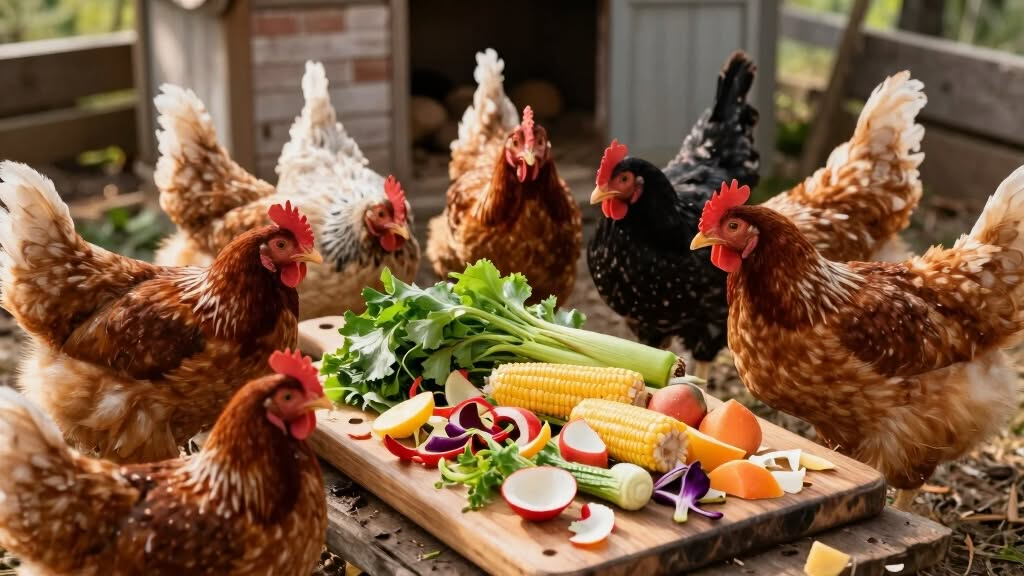

Silkie chickens are an ancient ornamental breed from China characterized by fluffy, fur-like plumage, black skin, blue earlobes, and five toes instead of the typical four. These docile, broody birds weigh 2-3 pounds and are prized as pets and show birds rather than production animals, though hens lay approximately 100-120 small cream or tinted eggs per year. This Silkie Chickens: Breed Profile and Care Guide covers everything home chicken keepers need to know about raising these unique birds successfully.
Key Takeaways
- Silkie chickens have hair-like feathers lacking barbicels, giving them a fluffy appearance similar to rabbits or poodles
- Expect to pay $5-10 for day-old chicks, $25-50 for juveniles, and $50-150+ for show-quality adults
- Silkies lay 100-120 small eggs annually, far fewer than production breeds that lay 250-300 eggs
- These birds are exceptionally cold-hardy despite their fluffy appearance but require dry housing since their feathers aren’t waterproof
- Silkies are ideal beginner chickens due to their calm temperament, though they need protection from predators and cannot fly to escape danger
- Common health issues include respiratory infections, Marek’s disease, and feather mites that hide in their dense plumage
- Their unique feathers require regular grooming to prevent matting and must stay dry to maintain insulation
- Silkies are excellent mothers and will brood eggs from other chicken breeds or even ducks and turkeys
What Are Silkie Chickens and Why Do They Look Fluffy?
Silkie chickens are a bantam breed originating in China over 1,000 years ago, distinguished by feathers that lack the interlocking barbicels found in normal chicken plumage. This structural difference causes each feather to separate into fine, hair-like strands that create a soft, furry texture rather than the smooth, sleek appearance of standard chickens.
Beyond their unusual feathers, Silkies possess several other distinctive traits:
- Black or dark blue skin and bones (a condition called fibromelanosis)
- Five toes instead of the typical four found on most chicken breeds
- Turquoise or blue earlobes rather than red or white
- Walnut-shaped comb that’s dark mulberry in color
- Feathered legs and feet covered in the same fluffy plumage
- Rounded, compact body weighing 2-3 pounds for hens and 3-4 pounds for roosters
The breed comes in several recognized color varieties including white, black, blue, buff, gray, partridge, and splash. White Silkies are most common in North America, while European breeders favor the wider color palette.
Choose Silkies if you want friendly pet chickens, need a reliable broody hen to hatch eggs, or plan to show birds at poultry exhibitions. Avoid them if your primary goal is egg production or you need chickens that can free-range in wet climates.
How Much Do Silkie Chickens Cost to Buy?
Silkie chicken prices vary significantly based on age, quality, color variety, and whether birds meet show standards. Day-old chicks from hatcheries typically cost $5-10 each, while juveniles (8-16 weeks old) range from $25-50. Adult birds from backyard breeders usually sell for $30-75, but show-quality Silkies with excellent conformation and color can command $100-300 or more.
Price breakdown by source:
- Commercial hatcheries: $5-10 per chick (minimum orders often required)
- Local breeders: $25-75 for juveniles and adults
- Show breeders: $75-300+ for birds with exhibition potential
- Rare color varieties: Add 25-50% to base prices for less common colors like paint or lavender
Hatching eggs are another option, typically priced at $2-5 per egg or $20-40 per dozen, though fertility and hatch rates vary. Factor in incubator costs ($50-300) if you don’t already own one.
Common mistake: Buying the cheapest Silkies available often means poor breed type, mixed genetics, or health issues. If breed standard matters to you, invest in quality stock from established breeders who health-test their flocks and can show you parent birds.
Silkie Chicken vs Regular Chicken: Key Differences
Silkies differ from standard chicken breeds in ways that significantly impact their care requirements and productivity. Regular production breeds like Rhode Island Reds or Leghorns are bred for egg-laying efficiency, cold tolerance, and foraging ability, while Silkies are ornamental birds selected for appearance, temperament, and broodiness.
Major differences:
| Characteristic | Silkie Chickens | Standard Chickens |
|---|---|---|
| Feather structure | Hair-like, non-waterproof | Interlocking, water-resistant |
| Annual egg production | 100-120 small eggs | 200-300 large eggs (production breeds) |
| Flight ability | Cannot fly at all | Can fly 4-6 feet |
| Predator awareness | Poor; very trusting | Moderate to good |
| Broodiness | Extremely broody | Low to moderate (breed-dependent) |
| Cold tolerance | Excellent (if kept dry) | Excellent |
| Heat tolerance | Moderate | Good to excellent |
| Foraging ability | Limited; poor vision | Excellent |
The most critical difference is the non-waterproof feathering. Standard chickens can forage in light rain and dry quickly, but Silkies become soaked through to the skin, losing body heat rapidly. This makes them poorly suited to free-ranging in wet climates without shelter.
Choose standard breeds if you prioritize egg production, need chickens that can free-range safely, or live in a rainy climate. Choose Silkies if you want pet chickens, need broody hens, or value temperament over productivity.
What Do Silkie Chickens Eat Daily?
Silkie chickens eat the same basic diet as other chicken breeds: a complete layer or all-flock feed providing 16-18% protein for adults, plus occasional treats and supplements. An adult Silkie consumes approximately 1/4 to 1/3 cup (2-3 ounces) of feed daily, less than larger breeds due to their small size.
Daily feeding guidelines:
- Layer feed (16-18% protein): Primary diet for hens over 18 weeks old
- All-flock or grower feed (18-20% protein): Better choice if you keep mixed-age flocks or roosters
- Oyster shell: Offer free-choice in a separate container for laying hens to support eggshell formation
- Grit: Necessary if birds don’t have access to dirt and small stones for digestion
- Fresh water: Changed daily; Silkies are messy drinkers and their facial feathers get wet easily
Treat guidelines (limit to 10% of diet):
- Vegetables: leafy greens, squash, cucumbers, pumpkin
- Fruits: berries, melon, apple (no seeds)
- Grains: oats, wheat, cracked corn (sparingly in winter for extra calories)
- Protein: mealworms, scrambled eggs, plain yogurt
Common mistake: Overfeeding treats leads to nutritional imbalances and reduced egg production. Silkies are food-motivated and will beg persistently, but stick to the 90% complete feed, 10% treats ratio.
Silkies have poor vision due to their head feathers (called crests or top hats in some lines), so they may struggle to compete with more aggressive breeds at feeders. Provide multiple feeding stations or feed Silkies separately if they’re losing weight in mixed flocks.
Are Silkie Chickens Good for Beginners?
Silkie chickens are excellent beginner birds due to their exceptionally calm, friendly temperament and tolerance for handling, making them ideal for families with children or first-time chicken keepers who want pet-quality birds. Their docile nature means they rarely fly, don’t challenge fences, and can be easily managed in small backyard spaces.
Beginner-friendly traits:
- Extremely calm and handleable; tolerate being picked up and cuddled
- Quiet compared to larger breeds; roosters crow less loudly
- Small size makes them manageable for children (with supervision)
- Don’t require large runs; happy in 10-15 square feet per bird
- Rarely aggressive toward people or other chickens
- Hardy and adaptable to various climates when kept dry
Challenges for beginners:
- High predator risk: Their poor vision, inability to fly, and trusting nature make them vulnerable to hawks, dogs, raccoons, and other predators
- Wet weather management: Non-waterproof feathers require covered runs or frequent access to shelter
- Grooming needs: Feathers can mat and collect debris, requiring occasional cleaning
- Lower egg production: Beginners expecting daily eggs will be disappointed
- Frequent broodiness: Hens stop laying for weeks at a time when broody
Choose Silkies as your first chickens if you want friendly pets, have secure housing, can provide weather protection, and don’t need maximum egg production. Consider starting with standard breeds like Orpingtons or Australorps if you want easier care, better foraging ability, and more eggs.
Do Silkie Chickens Lay Eggs and How Many?
Silkie chickens do lay eggs, producing approximately 100-120 small to medium cream, tinted, or light brown eggs per year. This averages 2-3 eggs per week during peak production, significantly fewer than commercial laying breeds that produce 5-6 eggs weekly. Silkie eggs are smaller than standard chicken eggs, with 4-5 Silkie eggs roughly equivalent to 3 large store-bought eggs.
Egg production factors:
- Age: Hens begin laying at 7-9 months (later than most breeds) and peak production occurs in years 1-2
- Season: Production drops or stops entirely during winter months and molting periods
- Broodiness: Silkies go broody frequently, stopping egg production for 3-4 weeks at a time
- Nutrition: Inadequate protein or calcium reduces laying frequency
- Stress: Predator pressure, overcrowding, or frequent handling can pause laying
Common mistake: Expecting consistent daily eggs from Silkies leads to disappointment. These birds are ornamental first, production animals second. If you need reliable egg production, keep Silkies alongside productive breeds like Rhode Island Reds, Leghorns, or Australorps.
Silkie eggs are perfectly edible and nutritious, with the same nutritional profile as eggs from other breeds. Some people find them richer-tasting due to the higher yolk-to-white ratio in smaller eggs. The black skin and bones don’t affect egg color or quality.
Common Health Problems in Silkie Chickens
Silkie chickens face several breed-specific health challenges related to their unique physical characteristics. Their dense feathering creates ideal conditions for external parasites, while their poor vision increases injury risk and stress. Respiratory issues are common due to their small nostrils and the tendency for facial feathers to trap moisture.
Most common health issues:
Respiratory infections: Silkies are prone to mycoplasma, infectious bronchitis, and other respiratory diseases, especially in damp conditions. Signs include sneezing, nasal discharge, eye bubbles, and labored breathing. Prevention includes dry housing, good ventilation, and biosecurity practices.
Marek’s disease: This viral disease affects many chicken breeds but seems particularly common in Silkies. Vaccinate day-old chicks if purchasing from hatcheries, as there’s no treatment once birds are infected.
External parasites: Mites and lice hide easily in Silkie feathers and can build to severe infestations before detection. Check birds monthly by parting feathers near the vent and under wings. Treat with poultry-safe dust or sprays.
Bumblefoot: This bacterial infection of the foot pad occurs when birds jump from heights onto hard surfaces. Silkies are susceptible despite their inability to fly high because their heavy bodies create impact pressure. Provide soft landing areas and low roosts (12-18 inches maximum).
Impacted crop: Poor vision makes Silkies more likely to consume long grass, string, or other materials that cause crop blockages. Monitor crop emptying by checking before bed and first thing in the morning.
Frostbite: Despite cold hardiness, Silkies can get frostbite on their large, fleshy combs and wattles in extreme cold, especially if these areas get wet. Apply petroleum jelly in sub-freezing weather.
Prevention strategy: Maintain dry, clean housing with excellent ventilation, quarantine new birds for 30 days, perform monthly health checks, and establish a relationship with a poultry veterinarian before emergencies arise.
Can Silkie Chickens Live in Cold Weather?
Silkie chickens are surprisingly cold-hardy and can thrive in freezing temperatures as long as they stay dry and have draft-free housing. Their dense, fluffy plumage provides excellent insulation when dry, allowing them to maintain body temperature in conditions well below freezing. However, their non-waterproof feathers become a liability if they get wet, causing rapid heat loss that can lead to hypothermia.
Cold weather requirements:
- Dry housing: Absolutely critical; wet Silkies can die from hypothermia even in moderate temperatures
- Draft-free coop: Eliminate drafts at bird level while maintaining ventilation near the roof to remove moisture
- Deep bedding: 4-6 inches of pine shavings or straw provides insulation and absorbs moisture
- Roost bars: Low, wide roosts (2×4 lumber with wide side up) allow birds to cover their feet with feathers
- Comb protection: Apply petroleum jelly to combs and wattles when temperatures drop below 20°F
Temperature tolerance:
- Comfortable range: 30-75°F
- Cold tolerance: Down to 0°F or below if dry and draft-free
- Heat tolerance: Moderate; provide shade and ventilation above 85°F
Common mistake: Adding heat lamps to coops creates fire risk and prevents birds from acclimating to cold. Silkies don’t need supplemental heat unless temperatures drop below -10°F or birds are wet. Focus on keeping housing dry rather than warm.
Choose a different breed if you live in consistently wet, cold climates (Pacific Northwest, UK) and cannot provide covered outdoor access. Silkies do poorly when confined indoors for months but can’t safely free-range in persistent rain.
How to Groom Silkie Chicken Feathers
Silkie chicken feathers require occasional grooming to prevent matting, remove debris, and maintain their characteristic fluffy appearance. Unlike standard chickens that are largely self-maintaining, Silkies need human intervention every 4-8 weeks, or more frequently if they have access to muddy areas or dusty environments.
Basic grooming routine:
Dry brushing (monthly): Use a soft pet brush or wide-toothed comb to gently work through feathers, starting at the tips and working toward the skin. Focus on areas prone to matting: under wings, around the vent, and leg feathers. Remove debris, tangles, and loose feathers.
Spot cleaning (as needed): If feathers become soiled with mud or droppings, spot-clean with a damp cloth and mild soap, then dry thoroughly with a towel and hair dryer on low heat. Never leave Silkies wet.
Full bathing (2-3 times yearly or before shows):
- Fill a basin with lukewarm water and add a small amount of poultry-safe or baby shampoo
- Wet feathers thoroughly, working shampoo through to the skin
- Rinse completely (soap residue causes matting)
- Towel dry, then use a hair dryer on low heat until completely dry
- Fluff feathers with your fingers or a brush
Vent trimming (every 2-3 months): Trim feathers around the vent area with scissors to prevent fecal matting and improve hygiene. This is especially important for broody hens and during wet weather.
Foot feather maintenance: Check weekly for mud balls, ice accumulation (winter), or debris wrapped around toes. Soak feet in warm water if needed, then dry thoroughly.
Common mistake: Bathing Silkies too frequently strips natural oils and increases matting. Only bathe when necessary for cleanliness or show preparation, not on a rigid schedule.
Are Silkie Chickens Good with Kids and Pets?
Silkie chickens are exceptionally good with children due to their calm, tolerant temperament and willingness to be held and cuddled. They rarely peck defensively, tolerate gentle handling from supervised children, and their small size makes them less intimidating than large breeds. Many families keep Silkies specifically as “pet chickens” for children to raise and show in 4-H or poultry exhibitions.
With children:
- Supervision required: Children under 8 should always be supervised to ensure gentle handling
- Teaching opportunity: Silkies’ calm nature makes them ideal for teaching responsible animal care
- Health note: Teach children to wash hands after handling chickens to prevent salmonella transmission
- Rooster consideration: Silkie roosters are gentler than most breeds but may still spur or chase during breeding season
With dogs: Compatibility depends entirely on the dog’s prey drive and training. Silkies cannot escape by flying and have poor predator awareness, making them extremely vulnerable to even “friendly” dogs. Introduce dogs and chickens with the dog on leash, reward calm behavior, and never leave them unsupervised until you’re certain the dog views chickens as family members, not prey.
With cats: Most cats ignore adult chickens, but Silkie chicks and juveniles are small enough to trigger hunting behavior. Supervise all interactions and provide escape routes for chickens (though Silkies won’t use them effectively).
With other chickens: Silkies are bottom of the pecking order in mixed flocks due to their poor vision and non-aggressive nature. They do well with other gentle breeds (Cochins, Orpingtons, Polish) but may be bullied by assertive breeds (Rhode Island Reds, Leghorns). Provide multiple feeding and watering stations to prevent resource guarding.
With other pets: Silkies coexist peacefully with rabbits, guinea pigs, and other non-predatory animals, though housing should remain separate to prevent disease transmission.
Why Is My Silkie Chicken Not Laying Eggs?
A Silkie chicken stops laying eggs for several common reasons, most of which are normal biological responses rather than health problems. Broodiness is the most frequent cause in Silkies, as this breed has strong maternal instincts and will stop laying for 3-4 weeks when broody. Other common causes include age, season, molting, stress, nutrition, and health issues.
Common causes and solutions:
Broodiness: Hen sits on nest constantly, fluffs up when approached, and makes distinctive clucking sounds. If you don’t want chicks, break broodiness by removing her from the nest multiple times daily or using a wire-bottom “broody breaker” cage for 3-5 days.
Age: Silkies don’t start laying until 7-9 months old and production declines after age 3. If your hen is under 7 months, be patient. If she’s over 4 years old, reduced laying is normal.
Winter/short days: Chickens need 14-16 hours of daylight to maintain laying. Production naturally drops or stops in winter. Add supplemental coop lighting on a timer if you want winter eggs, though many keepers allow natural rest periods.
Molting: Annual feather replacement (usually fall) stops laying for 2-3 months. Increase protein to 18-20% to support feather regrowth.
Stress: Predator attacks, new flock members, coop moves, or frequent handling can pause laying for days to weeks. Minimize disruptions and maintain routine.
Poor nutrition: Feed must contain 16-18% protein and adequate calcium. Offer layer feed and free-choice oyster shell. Treats should not exceed 10% of diet.
Health problems: Internal parasites, respiratory infections, or reproductive issues can stop laying. Check for other symptoms: lethargy, weight loss, abnormal droppings, or labored breathing. Consult a veterinarian if health issues are suspected.
Hidden eggs: Silkies sometimes lay in hidden spots if free-ranging. Search thoroughly before assuming a laying problem.
Best Coop Setup for Silkie Chickens
The best coop setup for Silkie chickens prioritizes weather protection, predator security, and accessibility while accounting for their inability to fly and poor vision. Silkies need 3-4 square feet per bird inside the coop and 10-15 square feet per bird in the run, less than larger breeds due to their small size and limited activity range.
Essential coop features:
Weatherproof shelter: Solid roof with overhang, walls that block wind and rain, and excellent ventilation near the roof (not at bird level). Silkies must be able to escape rain quickly.
Low roosts: Install roosts 12-18 inches off the ground (maximum 24 inches). Use 2×4 lumber with the wide side up so birds can cover their feet. Silkies cannot jump to high roosts and may sleep on the floor if roosts are too high.
Ramp access: If the coop is elevated, provide a gentle ramp (maximum 30-degree angle) with cross-slats every 3-4 inches for traction. Silkies struggle with steep ramps.
Nest boxes: One box per 3-4 hens, placed at floor level or no more than 12 inches high. Fill with 3-4 inches of soft bedding. Silkies are enthusiastic nesters and may crowd into boxes together.
Predator protection:
- Hardware cloth (1/2 inch or smaller) on all openings, not chicken wire
- Buried wire skirt extending 12 inches out from coop base
- Secure latches (raccoons can open simple hooks)
- Covered run to prevent hawk attacks
Flooring: Solid floor with 4-6 inches of pine shavings, straw, or sand. Avoid wire floors, which cause bumblefoot.
Lighting: Natural light through windows or supplemental lighting on a timer (14-16 hours total) to maintain laying during short winter days.
Run features:
- Covered roof: Essential to keep Silkies dry and protect from aerial predators
- Dust bath area: Covered section with sand, wood ash, and diatomaceous earth for parasite control
- Multiple feeders and waterers: Prevents dominant birds from guarding resources
- Enrichment: Low stumps, logs, or platforms for perching (12 inches or less)
Common mistake: Building coops with high roosts and nest boxes forces Silkies to sleep on the floor, increasing disease risk and making them vulnerable to predators that dig under walls.
Where to Buy Silkie Chickens Near Me
Finding Silkie chickens locally involves checking multiple sources, as availability varies by region and season. Local breeders, farm stores, poultry swaps, and online hatcheries all offer Silkies, each with different advantages regarding price, quality, and bird age.
Best sources:
Local breeders: Search Facebook groups (search “Silkie chickens [your state]”), Craigslist farm/garden section, or BackYard Chickens forum classifieds. Benefits include seeing parent stock, getting started birds (no brooding needed), and supporting local breeders. Prices typically range $25-75 for juveniles and adults.
Feed stores: Tractor Supply, local farm stores, and co-ops often stock Silkie chicks in spring (March-May). Call ahead to check availability and reserve chicks, as popular breeds sell out quickly. Expect $5-10 per chick with minimum purchase requirements.
Poultry shows and swaps: Check your state’s poultry association calendar for shows, swaps, and auctions. These events connect you with serious breeders and allow you to see multiple bloodlines. Bring a secure carrier and cash.
Online hatcheries:
- Meyer Hatchery (meyerhatchery.com)
- Cackle Hatchery (cacklehatchery.com)
- Murray McMurray Hatchery (mcmurrayhatchery.com)
- My Pet Chicken (mypetchicken.com) – allows small orders
Online hatcheries ship day-old chicks via USPS Priority Mail, typically requiring minimum orders of 4-6 birds for warmth during shipping. Spring availability is best; winter shipping may be restricted in cold climates.
Hatching eggs: eBay, Etsy, and BackYard Chickens classifieds offer hatching eggs for $2-5 each. Fertility and hatch rates vary significantly, and shipping stress can damage eggs. Only choose this option if you have incubation experience.
Questions to ask sellers:
- Are birds vaccinated for Marek’s disease?
- What is the bird’s hatch date or age?
- Are they from show lines or pet quality?
- Have parent birds been tested for common diseases?
- What color variety and do they meet breed standards?
Common mistake: Buying from sellers who can’t show you parent birds or provide health history often results in poor-quality Silkies with mixed genetics, health issues, or aggressive temperaments.
Common Mistakes People Make Raising Silkie Chickens
New Silkie owners frequently make preventable mistakes that compromise bird health, reduce egg production, or create unnecessary expense. Understanding these common errors helps you avoid them and provide better care from the start.
Top mistakes:
Allowing free-range in wet weather: Silkies’ non-waterproof feathers become soaked in rain, leading to hypothermia even in moderate temperatures. Always provide covered outdoor access or keep birds confined during wet weather.
Mixing with aggressive breeds: Silkies cannot defend themselves or compete effectively for food due to poor vision and gentle temperament. House them separately or only with other docile breeds like Cochins or Orpingtons.
Inadequate predator protection: Silkies cannot fly to roosts or escape danger, making them easy targets for hawks, dogs, raccoons, and foxes. Use hardware cloth (not chicken wire), cover runs, and ensure secure latches on all doors.
High roosts and nest boxes: Silkies cannot jump higher than 18-24 inches. High roosts force them to sleep on the floor, increasing disease risk and making them vulnerable to rodents and predators.
Expecting high egg production: Silkies lay 100-120 eggs yearly, not the 250-300 eggs of production breeds. Disappointment with egg numbers is common among new owners who didn’t research breed characteristics.
Ignoring broodiness: Broody Silkies stop laying and lose weight while sitting on nests. If you don’t want chicks, break broodiness promptly rather than letting hens sit for weeks.
Neglecting grooming: Matted feathers trap moisture and parasites. Brush Silkies monthly and trim vent feathers every 2-3 months to maintain feather quality and hygiene.
Overfeeding treats: Silkies are food-motivated and will beg persistently, but treats exceeding 10% of diet cause nutritional imbalances and obesity. Stick to complete feed as the primary diet.
Skipping quarantine: New birds can introduce diseases to your flock. Quarantine all new arrivals for 30 days in separate housing before integration.
Using heat lamps unnecessarily: Heat lamps cause fires and prevent cold acclimation. Silkies don’t need supplemental heat unless temperatures drop below -10°F or birds are wet.
Frequently Asked Questions
How long do Silkie chickens live?
Silkie chickens typically live 7-9 years with proper care, though some individuals reach 10-12 years. Lifespan depends on genetics, predator protection, disease prevention, and overall management quality.
Can Silkie chickens fly?
Silkie chickens cannot fly due to their unique feather structure that lacks the interlocking barbicels necessary for flight. They can flutter a few inches off the ground but cannot reach roosts higher than 18-24 inches or escape predators by flying.
Are Silkie chickens noisy?
Silkie chickens are relatively quiet compared to larger breeds. Hens make soft clucking sounds and moderate egg songs, while roosters crow less loudly than standard breeds. They’re suitable for urban settings with noise-sensitive neighbors.
Do Silkie roosters make good pets?
Silkie roosters are among the gentlest rooster breeds and can make good pets if you need only one male. They’re less aggressive than most roosters but will still crow daily (starting around 4-6 months old) and may become protective during breeding season.
How can you tell if a Silkie is male or female?
Silkie chicks are difficult to sex until 4-6 months old. Males develop larger, rounder combs, longer hackle and saddle feathers, and begin crowing. Females have smaller combs, rounded body shape, and begin squatting when approached around laying age.
Can Silkies live with regular chickens?
Silkies can live with regular chickens if the other breeds are docile and non-aggressive. Avoid mixing Silkies with assertive breeds like Rhode Island Reds or Leghorns, as Silkies will be bullied and may not get adequate food. Gentle breeds like Cochins, Orpingtons, and Brahmas make good companions.
What is the black meat in Silkie chickens?
The black meat in Silkie chickens results from fibromelanosis, a genetic condition causing excessive melanin pigment in skin, bones, and connective tissue. The muscle meat itself is darker than standard chicken but not truly black. This trait is prized in Asian cuisine.
Do Silkie chickens need special feed?
Silkie chickens don’t require special feed beyond what other chickens need. Provide layer feed (16-18% protein) for adults, grower feed for juveniles, and chick starter for babies. Offer free-choice oyster shell for laying hens and grit if birds don’t have access to dirt.
How many eggs do Silkies lay per week?
Silkie hens lay approximately 2-3 eggs per week during peak production (spring and summer), totaling 100-120 eggs annually. Production drops or stops during winter, molting, and broody periods, which are frequent in this breed.
Are Silkie eggs different from regular eggs?
Silkie eggs are smaller than standard chicken eggs and have cream, tinted, or light brown shells. Nutritionally they’re identical to other chicken eggs, though the smaller size means you need 4-5 Silkie eggs to equal 3 large store-bought eggs. The black skin doesn’t affect egg color or quality.
Can Silkie chickens be kept indoors?
Silkie chickens should not be kept permanently indoors as they need outdoor access for natural behaviors, vitamin D synthesis, and mental stimulation. However, their calm temperament and small size make them suitable for temporary indoor housing during extreme weather or illness recovery.
How much space do Silkie chickens need?
Silkie chickens need 3-4 square feet per bird inside the coop and 10-15 square feet per bird in the outdoor run. They require less space than larger breeds due to their small size and limited activity range, but overcrowding increases disease risk and stress.
Conclusion
Silkie chickens offer home chicken keepers a unique combination of ornamental beauty, exceptional temperament, and reliable broodiness that makes them valuable additions to backyard flocks. While they produce fewer eggs than production breeds and require weather protection due to their non-waterproof feathers, their calm nature, cold hardiness when dry, and suitability for families with children make them ideal pet chickens for those who prioritize personality over productivity.
Next steps for prospective Silkie owners:
- Assess your goals: Choose Silkies if you want friendly pets, broody hens, or show birds; select production breeds if egg quantity is your priority
- Prepare housing: Build or modify coops to include covered runs, low roosts (12-18 inches), predator-proof construction, and excellent weather protection
- Source quality birds: Research local breeders, visit poultry shows, or order from reputable hatcheries; avoid impulse purchases from unknown sources
- Plan for integration: If adding Silkies to existing flocks, ensure current birds are docile and provide multiple feeding stations
- Establish care routines: Schedule monthly grooming, weekly health checks, and seasonal maintenance to keep your Silkies healthy and comfortable
This Silkie Chickens: Breed Profile and Care Guide provides the foundation for successful Silkie ownership, but hands-on experience and observation of your individual birds will teach you the most. Join online communities, connect with local breeders, and don’t hesitate to consult poultry veterinarians when health questions arise. With proper care and appropriate expectations, Silkies will reward you with years of companionship and the occasional small, delicious egg.